


Running Injury Physical Therapy in Scottsdale & Arcadia, AZ
Personalized Physical Therapy for Runners
At Corrective Physical Therapy, we provide personalized, 1-on-1 physical therapy for runners dealing with running injuries, recurring pain, and performance limitations in Scottsdale and Arcadia, AZ.
Our approach goes beyond treating what hurts. We evaluate your running mechanics, strength, stability, mobility, and ability to handle the demands of running to identify what may be contributing to your symptoms.
The goal isn't just to get you walking without pain. It's to help you get back to running, rebuild your endurance, and prepare your body for the distances and performance goals you're working toward.
Common Running Injuries & Symptoms We Treat
Running injuries can develop gradually as your mileage increases, or they can appear suddenly during a run. Sometimes the pain settles down with rest, only to return as soon as you start training again.
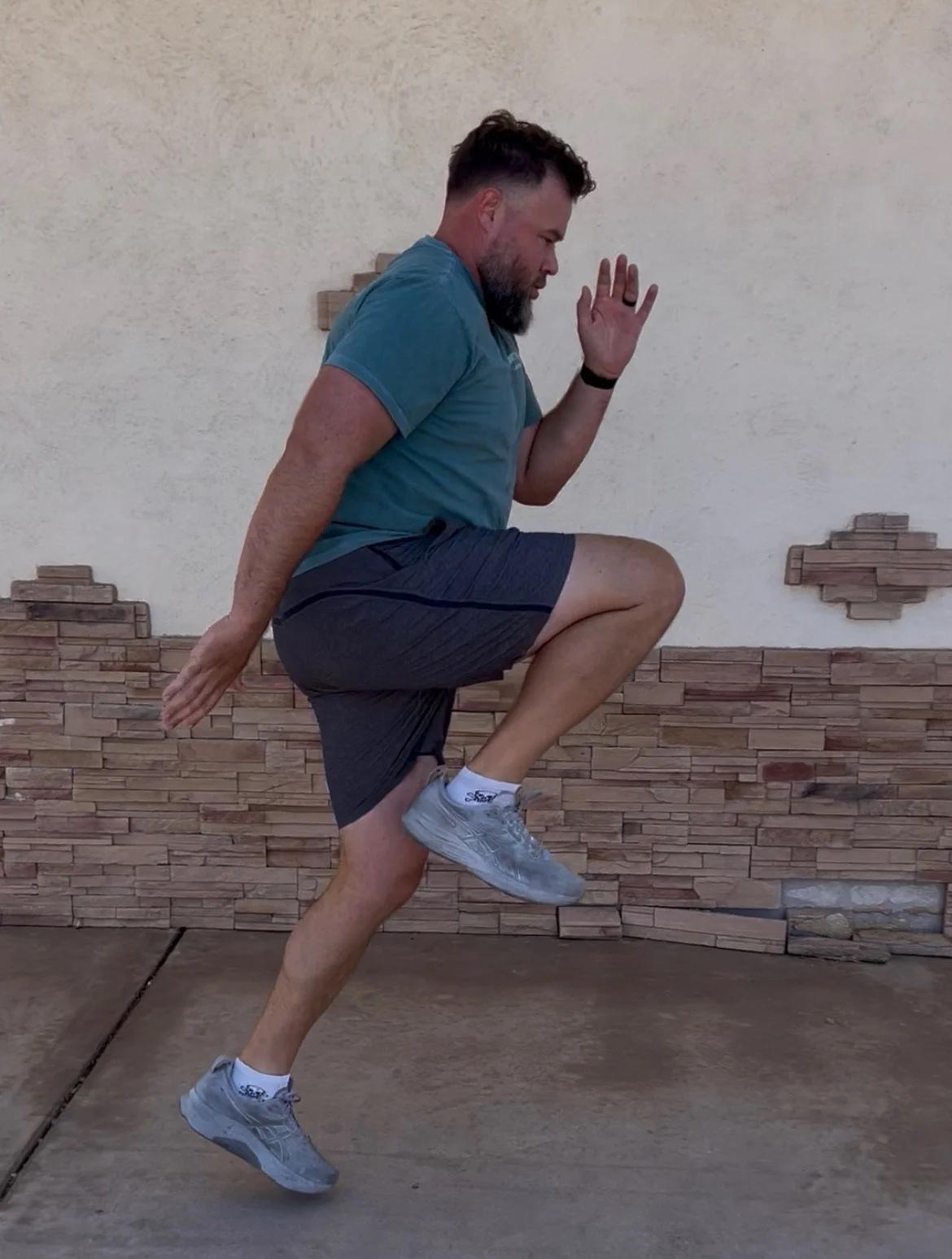
At Corrective Physical Therapy, we help runners experiencing:
- Knee pain during or after running
- IT band pain along the outside of the knee or thigh
- Hip pain and discomfort around the glutes
- Calf pain or recurring calf tightness
- Achilles tendon pain or stiffness
- Ankle pain and instability
- Foot pain during or after a run
- Hamstring strains and tightness
- Low back pain associated with running
- Pain that develops as mileage or speed increases
- Recurring injuries that interrupt training
- Difficulty returning to running after an injury
- Loss of endurance, strength, or confidence after time away from running
You don't have to be a competitive runner to benefit from sports-focused physical therapy. Whether you run a few miles each week or train for longer races, your treatment should reflect what you want your body to be able to do.
Why Does Running Keep Causing Pain?
One of the most frustrating experiences for a runner is feeling better after a few days or weeks of rest, only to have the same pain come back when you start training again. The problem may not be running itself. It could be that your body isn't currently tolerating the amount or type of stress your training requires.
Running places repeated demands on your feet, ankles, calves, knees, hips, and pelvis. If one area lacks the strength, stability, or capacity to manage those demands, other structures may have to compensate.
Several factors may contribute to running-related pain:
Training load: Increasing mileage, speed, or intensity faster than your body can adapt.
Hip and pelvic stability: Difficulty controlling your pelvis and maintaining stability during single-leg loading.
Calf and ankle strength: Insufficient strength or load tolerance for repeated impact.
Running mechanics: Movement patterns that may place unnecessary stress on particular areas.
Strength and control: Weakness or limited coordination that becomes more apparent as fatigue sets in.
Previous injuries: Lingering limitations that affect how you move or tolerate training.
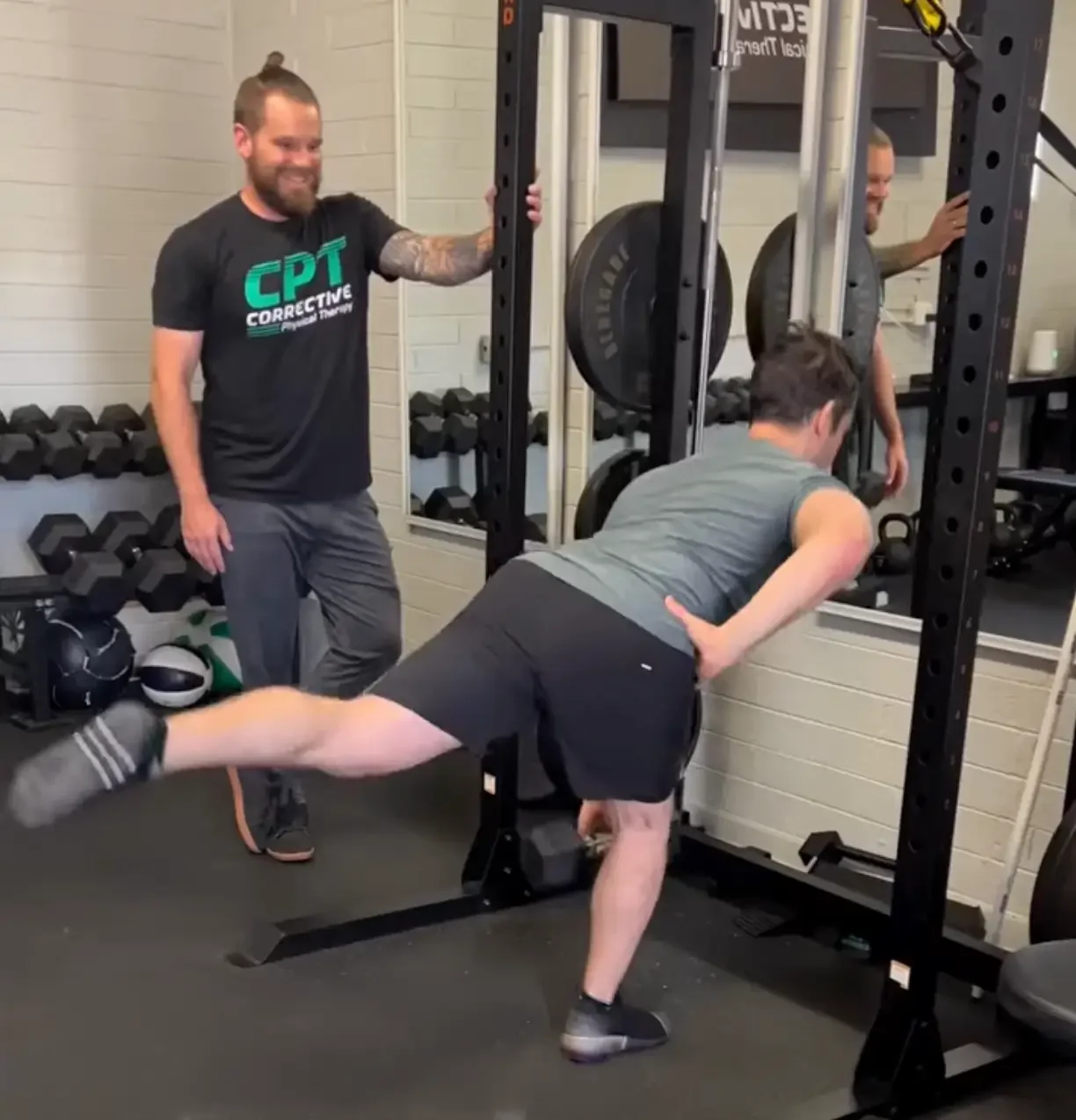
Not every runner has the same problem, even when two people experience pain in the same location. That's why we look at how your body moves and responds to load rather than assuming that knee pain, for example, always requires the same treatment.
You May Not Have to Stop Running to Recover
If you've ever been told to stop running until the pain goes away, you know how discouraging that advice can feel. Sometimes a temporary break or significant reduction in activity is necessary. But complete rest isn't automatically the right answer for every running injury.
At CPT, we look at whether your running program can be modified while we address the factors contributing to your symptoms. Depending on your injury and how your body responds, that might mean adjusting your mileage, pace, frequency, or intensity while building strength and improving movement mechanics.
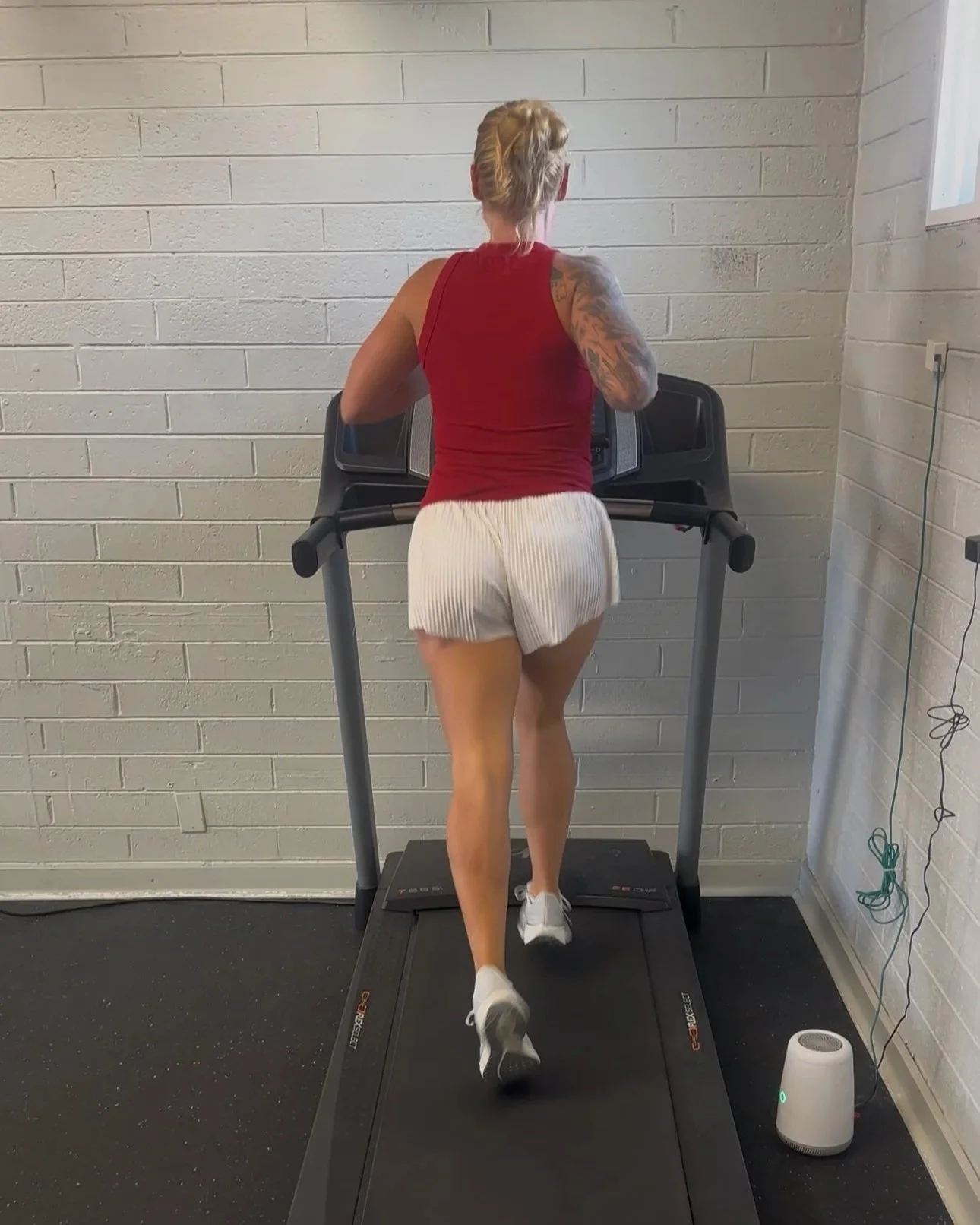
Our goal is to find an appropriate starting point and progress from there. For some runners, maintaining a modified training routine may help preserve more of their endurance and conditioning than stopping completely and rebuilding from baseline. Your physical therapist can help you understand which activities are appropriate, how to monitor your symptoms, and when to adjust your training.
You shouldn't have to choose between ignoring your pain and giving up running altogether without first understanding your options. Our approach is to help you make informed decisions about training while working toward a sustainable return to running.
Running Analysis: Small Changes Can Make a Difference
Our comprehensive, data-driven running gait analysis allows us to evaluate how your body moves while you run and identify patterns that may be contributing to pain or limiting performance. Rather than trying to correct every detail of your stride, we look for the changes most relevant to your symptoms, goals, and physical capacity.
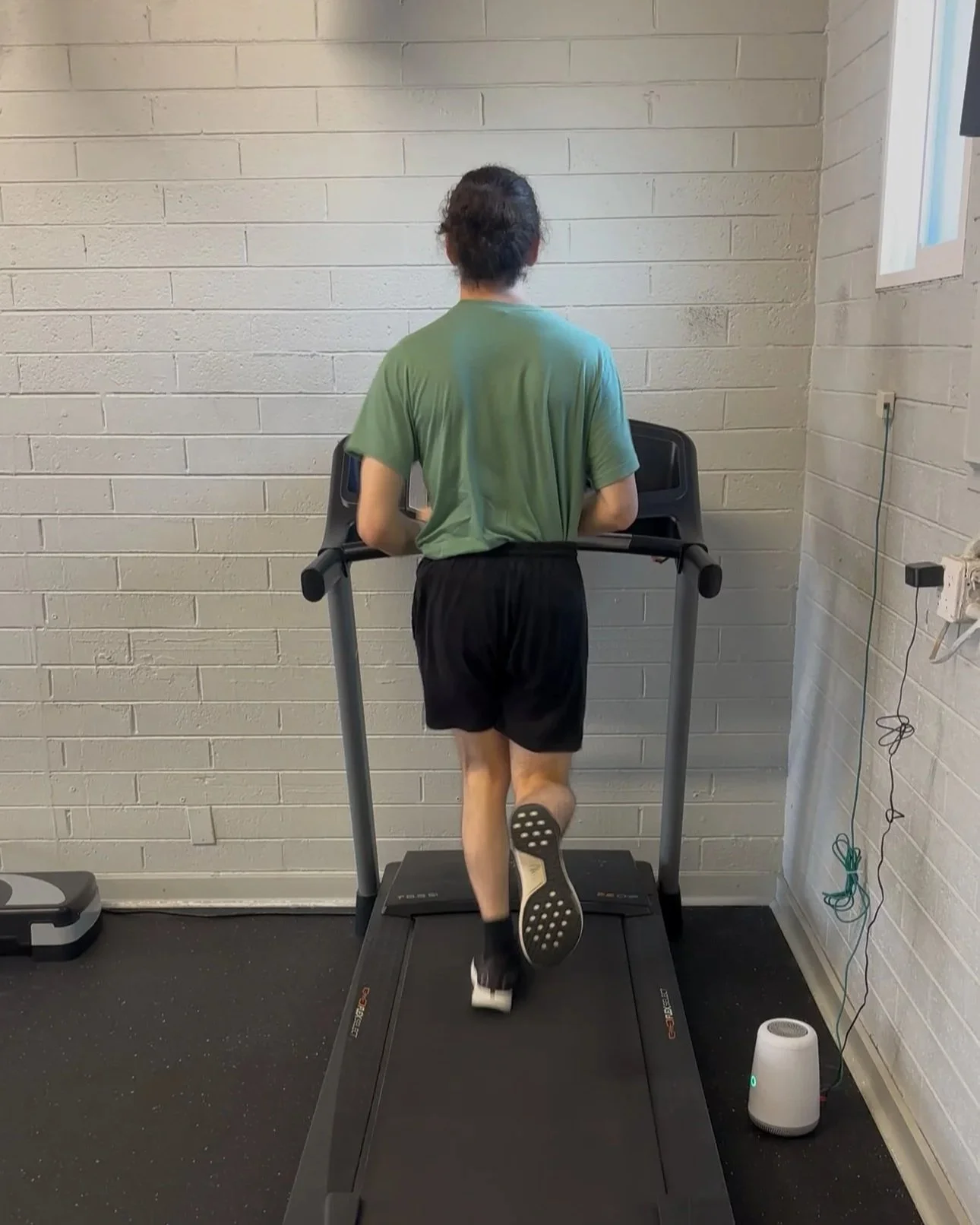
During a running analysis, we may evaluate:
- Foot placement: Whether your foot reaches too far in front of your body or lands closer to your center of mass.
- Pelvic control: How well you maintain pelvic stability as you land on one leg.
- Foot and ankle mechanics: How your feet are positioned and controlled during each step.
- Cadence: How frequently you take steps per minute.
- Movement efficiency: Whether your running pattern creates unnecessary braking forces or excessive up-and-down movement.
Could Increasing Your Running Cadence Help?
One adjustment we may consider is increasing cadence, or the number of steps you take per minute.
Some runners overstride by reaching too far forward with each step. Depending on the individual, taking slightly shorter, quicker steps may reduce braking forces and help distribute loading more evenly.
That doesn't mean every runner needs to change their foot strike or follow the same cadence target. The right adjustment depends on your current mechanics, symptoms, and running goals.
Our physical therapists assess your movement to determine whether a change is appropriate and help you apply it without creating a new problem elsewhere.
Returning to Running Means Training for Running
You can regain basic strength and still struggle when you return to your usual pace or distance. Running requires your body to absorb impact, control single-leg landings, produce force, and repeat those movements thousands of times. As your training becomes more demanding, your rehabilitation needs to prepare you for those demands.
That's why we don't necessarily stop at basic exercises once your symptoms improve. Depending on your injury and stage of recovery, your physical therapy program may progress through:
- Foundational strength: Building strength in the hips, glutes, quadriceps, hamstrings, calves, and ankles.
- Single-leg control: Improving stability and coordination during movements that resemble the demands of running.
- Impact tolerance: Introducing appropriate jumping and landing exercises to prepare your body for repeated ground contact.
- Power and deceleration: Developing the ability to produce and control force as your training becomes more demanding.
- Running progression: Gradually increasing distance, pace, or training frequency as your symptoms and physical capacity allow.
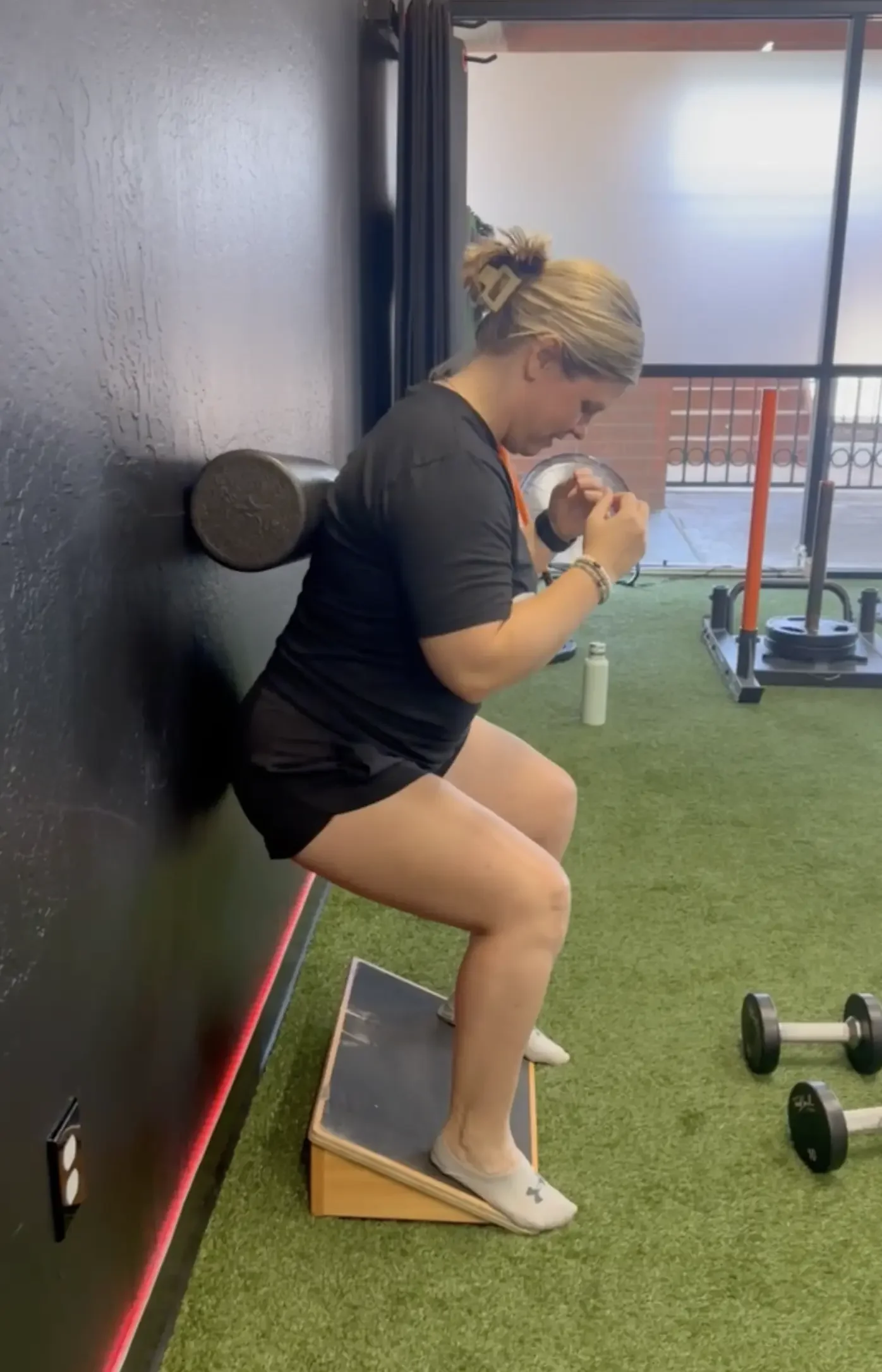
Exercises such as step-up jumps and single-leg broad jumps may be appropriate for some runners as they progress toward higher-impact activity. They aren't necessary for everyone, and their timing depends on your injury, strength, and readiness.
The important distinction is that returning to running is not just about waiting until pain goes away. It's about rebuilding the capacity to handle running.
Our Approach to Running Injury Physical Therapy
At Corrective Physical Therapy, every patient receives individualized, 1-on-1 care with a licensed Doctor of Physical Therapy. Your treatment plan is based on your symptoms, movement assessment, training demands, and goals.
Depending on your needs, your care may include the following.
-
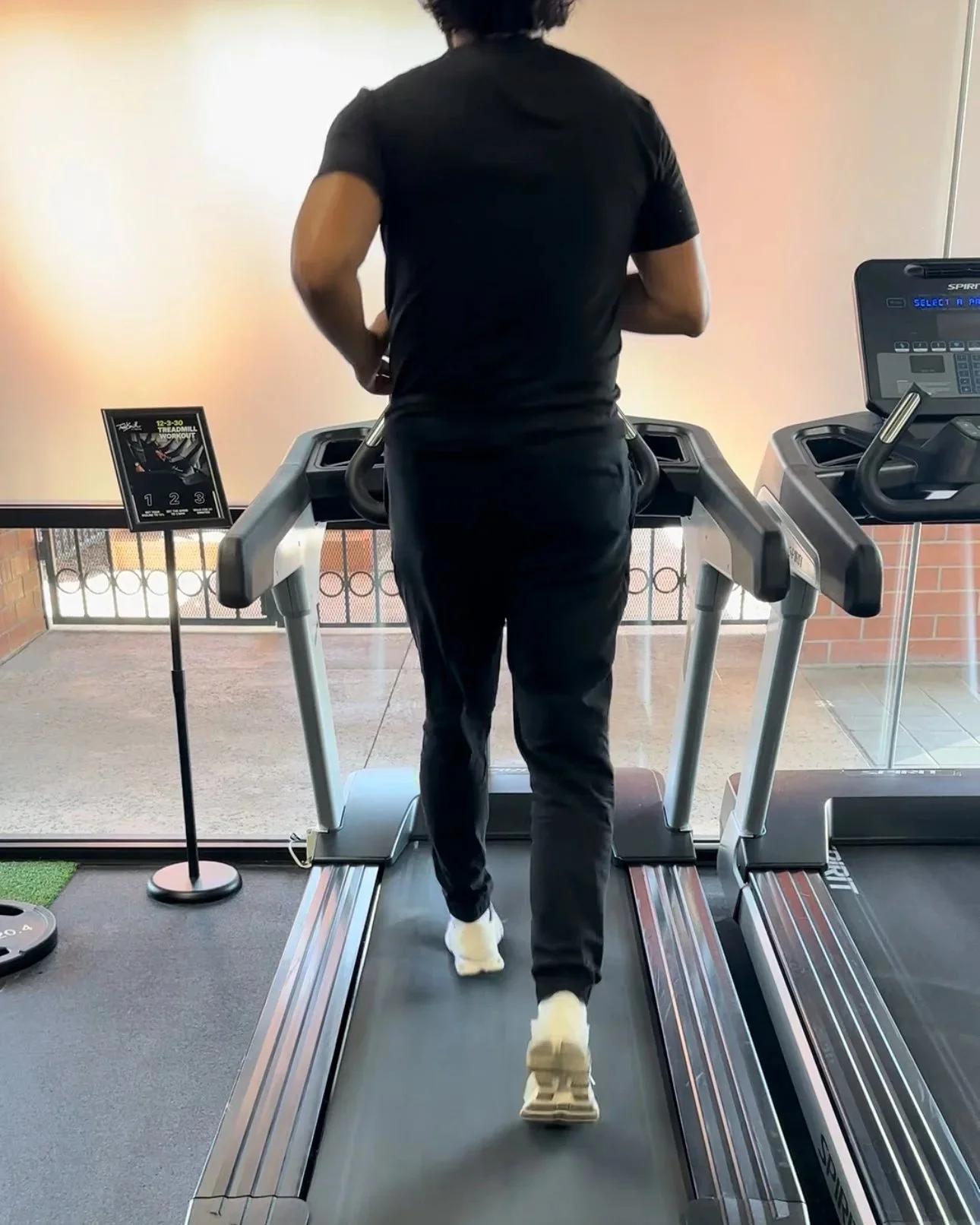
Running Gait Analysis
We assess your running mechanics to identify movement patterns that may be contributing to your symptoms. When appropriate, we work on targeted adjustments rather than changing your entire stride.
-
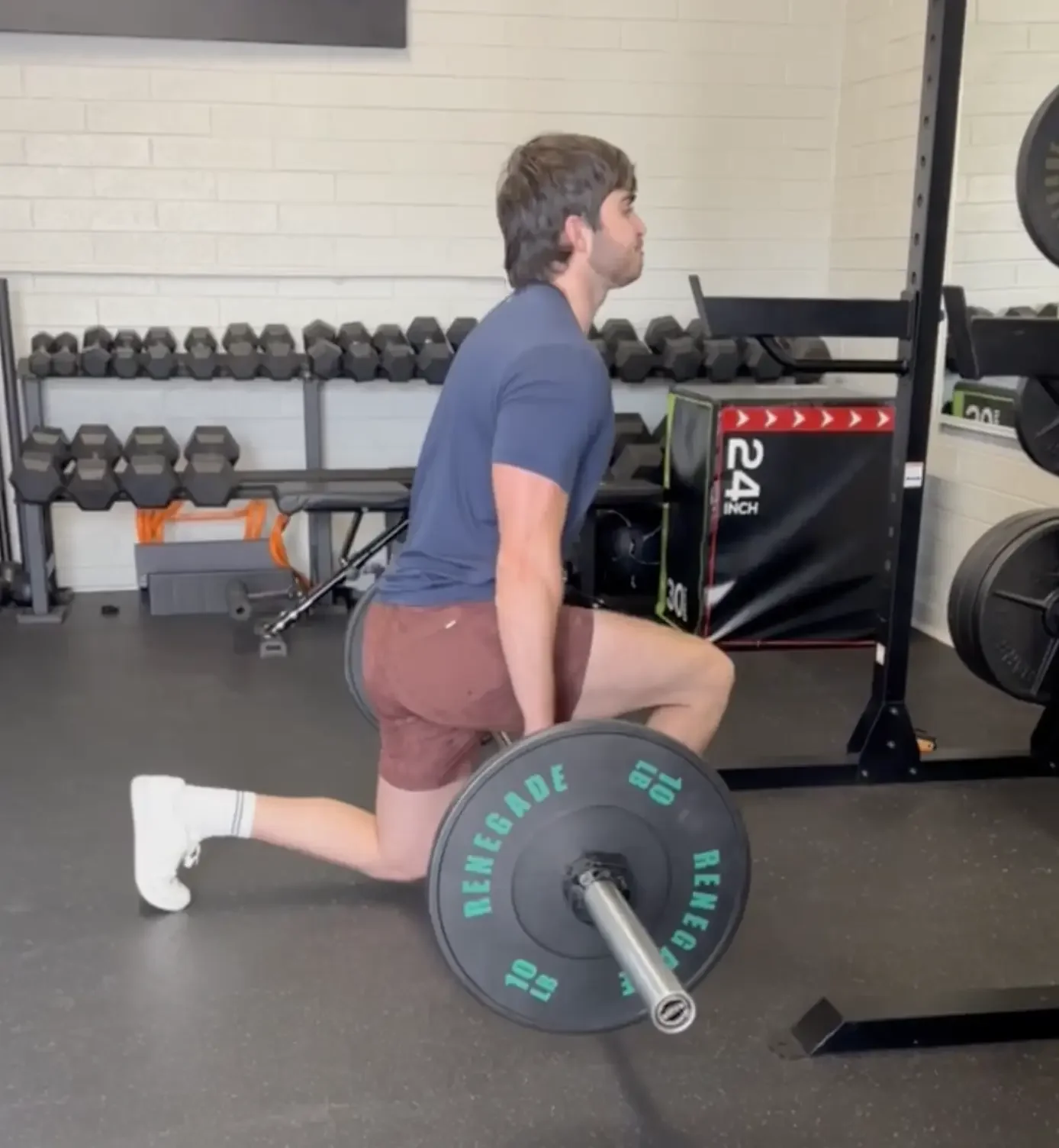
Progressive Strength Training
We build strength and control in the areas identified during your evaluation. Exercises progress as your body adapts, helping prepare you for the repeated demands of running.
-
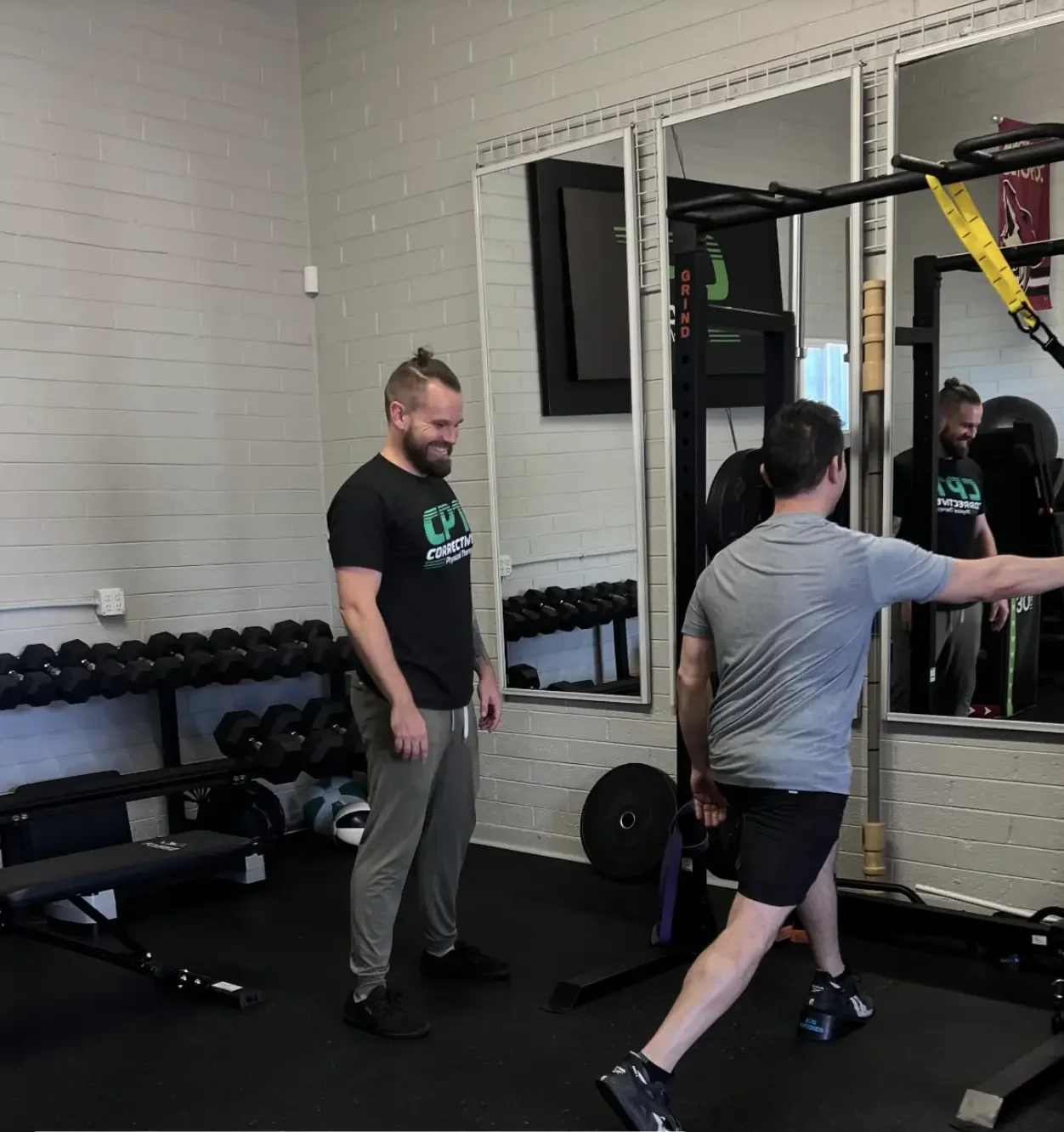
Training Modifications
When appropriate, we help you adjust your current training rather than automatically eliminating running. This may involve modifying distance, pace, frequency, or intensity while you work through rehabilitation.
-
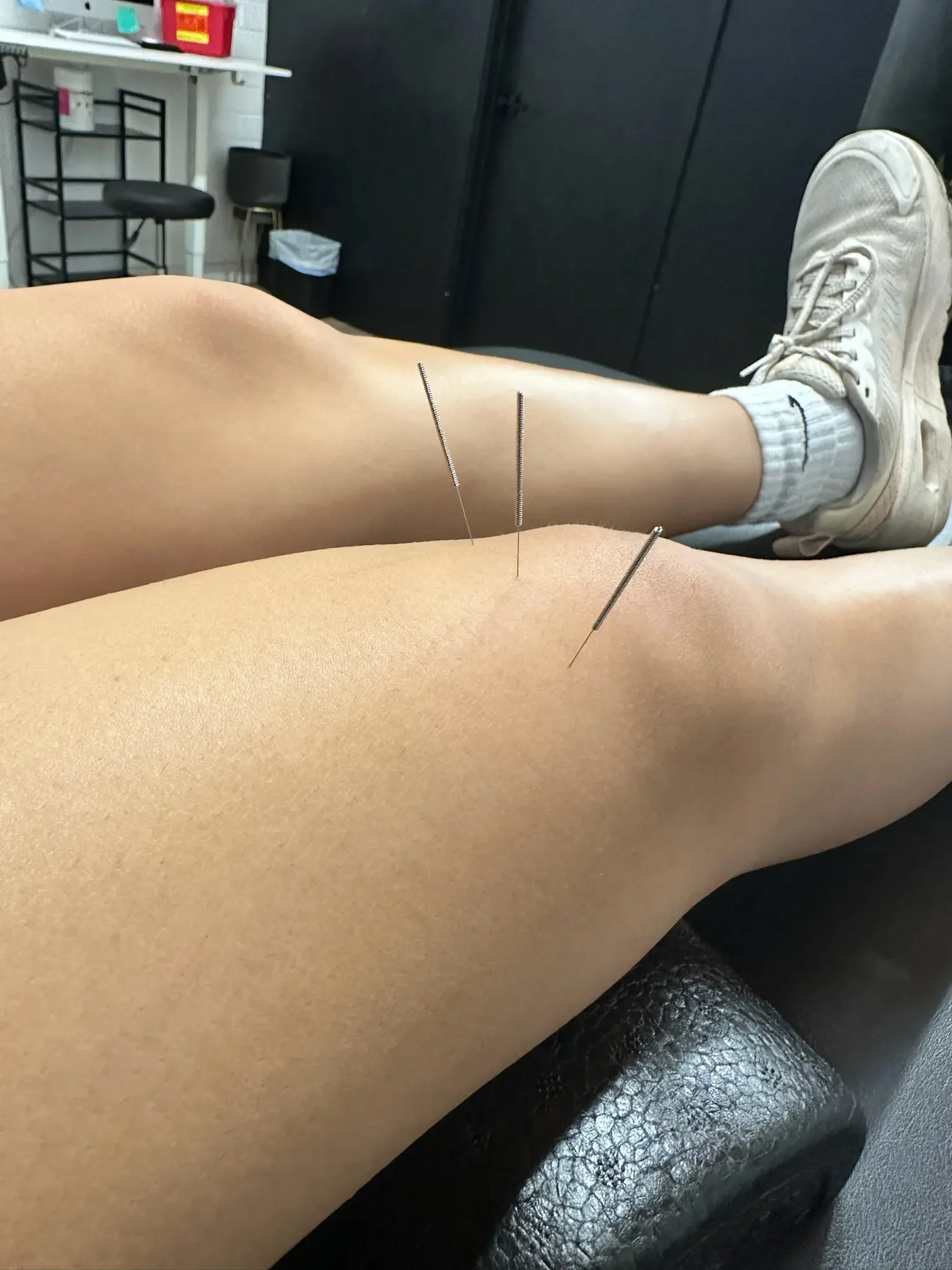
Manual Therapy & Dry Needling
Manual therapy, soft-tissue techniques, joint mobilization, and dry needling with electrical stimulation may be used when appropriate to help manage symptoms and support your rehabilitation. These techniques are selected based on your individual needs and are not substitutes for rebuilding strength and load tolerance.
-
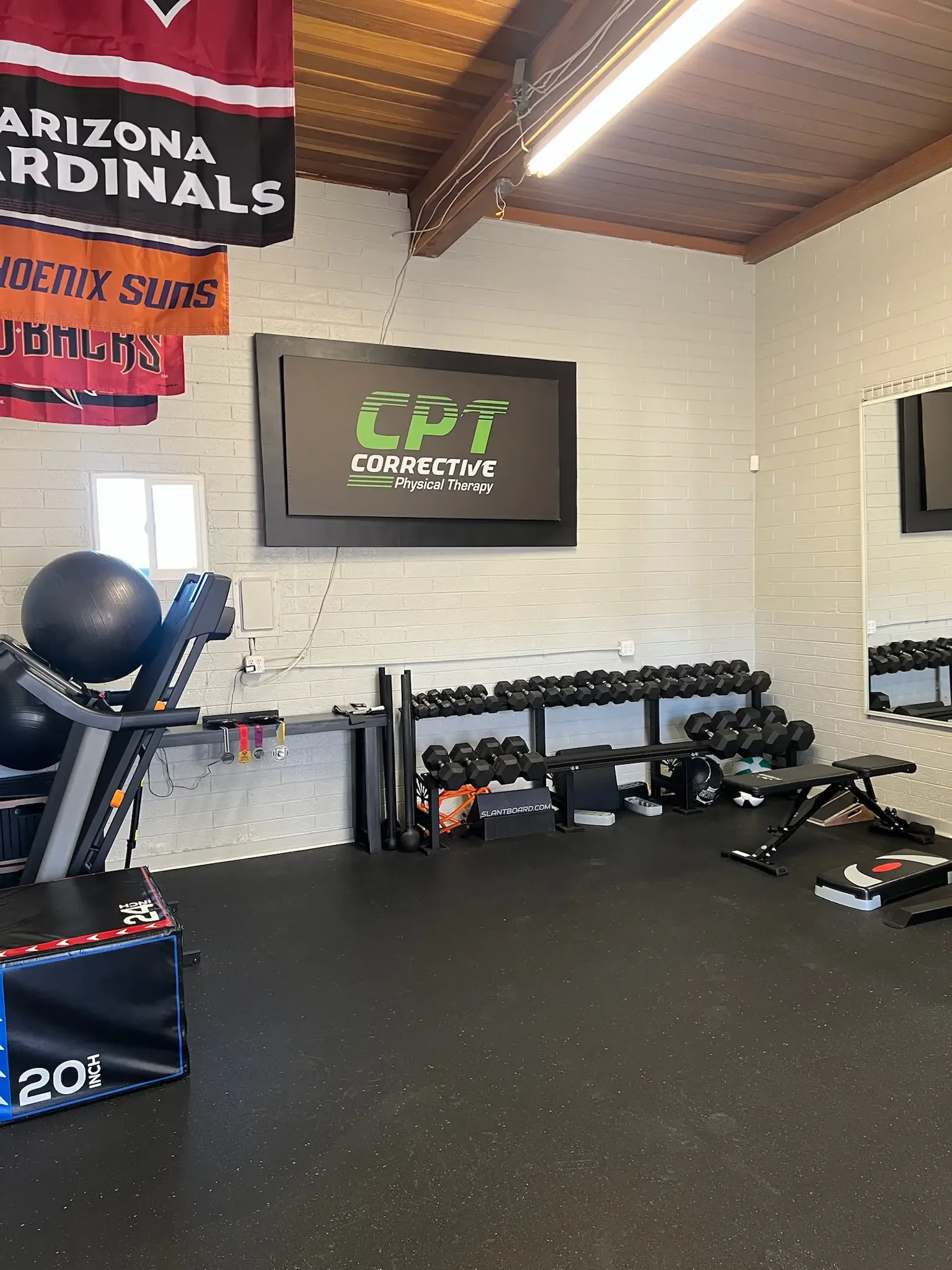
Sport-Specific Rehabilitation
As you progress, your program can incorporate more demanding movements, impact training, and exercises designed to prepare you for your particular running goals.
Real Running Injury Results from CPT Patients
The goal of physical therapy is to help you return to the activities that matter to you. These examples from real CPT patients illustrate how targeted changes in mechanics, strength, and training can make a difference.

From three years of knee pain to building endurance again…
This runner had struggled with knee pain for three years. After adjustments to cadence and foot placement, along with work on hip and ankle control and knee load tolerance, he was running without pain and building endurance for longer runs after approximately six weeks.
Watch the running analysis case -
Back to the half marathon after a hip injury…
After 12 years of running and three completed half marathons, this runner developed a hip injury and was told to stop running. At CPT, the focus shifted to his goal of returning to the sport, with a plan designed around his injury and training needs. Eight weeks later, he crossed the finish line of the Mesa Half Marathon.
Watch his story here -
A plan for persistent IT band pain…
A runner experiencing IT band pain for months made progress through a program addressing glute strength, hip and pelvic stability, ankle function, lower-body loading, and running mechanics. The reported outcome was pain-free running three weeks later.
Learn more about how CPT helped in his video -
These are individual patient examples, not guaranteed outcomes. Recovery time and results vary depending on the injury, its severity, and individual circumstances.
Why Runners Choose Corrective Physical Therapy
Unlike traditional physical therapy clinics where patients rotate between aides and exercise stations, Corrective Physical Therapy was built around individualized care and performance-focused rehab.
What Makes CPT Different?
1-on-1 treatment sessions

Sports rehab expertise

¡Sí, hablamos español!

Full 60-minute evaluations

Focus on active adults and former athletes

Education that helps you understand your pain

Personalized rehab plans

Evidence-based treatment

Locations in Scottsdale & Arcadia
Testimonials from Runners
Matt is incredibly helpful and knowledgeable! A friend highly recommended him, and he was so responsive that he booked an appointment with me within 24 hours - he really prioritizes helping his clientele! I was competing at a high level of running all month and he, quite literally, made all the twinges go away. Quite miraculous! Can’t recommend him enough!
- Kelsey M.I love this guy! Super smart guy and worth every penny! This physical therapist has the knowledge and the technicality to solve any biomechanical problem. I met him because I was looking for someone to do a running analysis / gait analysis (which is very hard for any physical therapist to do) and he was up for the challenge. Matt was able to improve my running form instantly. I was very impressed with his understanding of the body and philosophy for overall health and fitness. I liked him so much that I saw him for my hip and shoulder. He was able to bring me great results in such a short time effort. Great physical therapist and a great personality, so it's a big win every time I see him!
- Albert G.I came to CPT after a calf injury had interrupted my marathon training. They took the time to understand my goal of getting back to running and gave me a clear plan to rebuild strength and confidence. The exercises were practical, and I always knew what to work on between visits. I’m back to running consistently, including long runs, and my calf has been feeling great. I really appreciate the care and attention the team put into helping me return to something that matters a lot to me. I’d recommend CPT to any runner dealing with an injury!
- Ryan S.Meet the Doctors

Dr. Matthew Brown PT, DPT, SCS
Dr. Matthew Brown is a sports physical therapist who helps active adults and athletes recover from injuries, improve performance, and return to the activities they enjoy. As the founder of Corrective Physical Therapy, he combines advanced sports rehabilitation training with strength and movement-based treatment to address the root cause of pain and keep patients performing at their best.
Founder & Performance Specialist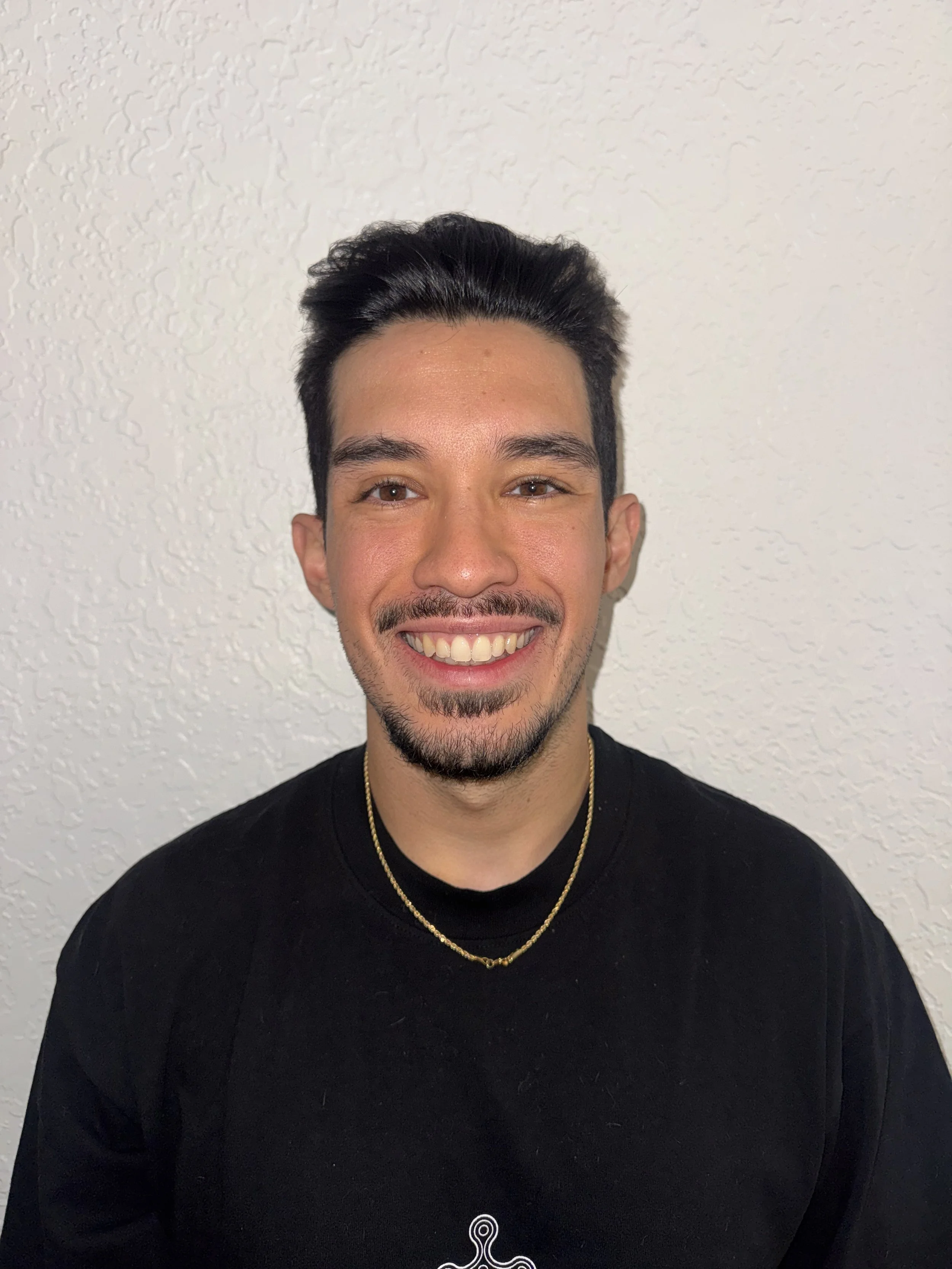
Dr. Daniel Paredes, PT, DPT, CSCS
Physical Therapist | Sports Performance & Running SpecialistDr. Danny Paredes is a sports physical therapist who helps runners, athletes, and active adults overcome pain, improve performance, and return to training with confidence. Combining his background in strength and conditioning, competitive athletics, and evidence-based rehabilitation, he bridges the gap between rehab and performance to help patients move better and achieve their goals.
Physical Therapy for Runners in Scottsdale & Arcadia, AZ
If running pain is interfering with your training, Corrective Physical Therapy provides individualized sports physical therapy in Scottsdale and Arcadia, Arizona.
We work with runners who are dealing with new injuries, recurring symptoms, or limitations that keep them from returning to their previous level of activity. Whether you're trying to get back to your regular running routine or preparing for your next race, we'll work with you to develop a plan based on your needs and goals.
Our focus is helping you move better, build strength, improve your ability to tolerate running, and return to the activities you enjoy.
Ready to work toward your running goals?
Contact Corrective Physical Therapy to schedule an appointment.
Frequently Asked Questions About Running Injury Physical Therapy
-
Not necessarily. The right approach depends on your injury, symptoms, and ability to tolerate activity. Some injuries require a break from running, while others may respond to modifications in mileage, pace, or frequency. A physical therapist can help you determine an appropriate starting point and guide your return to training.
-
Physical therapy can help identify and address factors that may contribute to running-related knee pain. Treatment may include strength training, movement assessment, running gait analysis, and adjustments to your training program. Your plan will depend on the cause of your symptoms and your individual evaluation.
-
A running gait analysis evaluates how your body moves while running. Your physical therapist may assess foot placement, cadence, pelvic control, and lower-body mechanics to identify movement patterns that could be contributing to pain or limiting performance. The findings help guide treatment and determine whether specific changes to your running form may be beneficial.
-
It may help identify running mechanics that contribute to increased stress around the outside of the knee. Depending on your assessment, treatment may also address hip stability, glute strength, ankle function, and your ability to tolerate running loads. Gait analysis is one part of the evaluation rather than a standalone solution.
-
Recovery time depends on the type and severity of the injury, how long you've experienced symptoms, and your current physical capacity. Some runners improve over several weeks, while more complex or persistent injuries may take longer. Your physical therapist can help establish a plan and adjust it as you progress.
-
No. Physical therapy can benefit recreational runners, beginners, experienced distance runners, and competitive athletes. Your treatment should reflect your current activity level and what you want to achieve, whether that's running a few miles comfortably or preparing for a race.
-
Recurring pain may indicate that the demands of running still exceed your current capacity, or that contributing factors haven't been adequately addressed. An evaluation can help identify relevant strength, stability, movement, and training considerations so your return to running is based on more than simply waiting for symptoms to settle.
-
Traditional physical therapy often focuses on restoring the ability to complete everyday activities. For runners and other athletes, returning to daily activities may be only the first step.
At Corrective Physical Therapy, we consider the demands of your sport and your performance goals. Depending on your needs, sports rehabilitation may progress beyond basic strength and symptom management to include running mechanics, impact tolerance, power, and sport-specific training.