

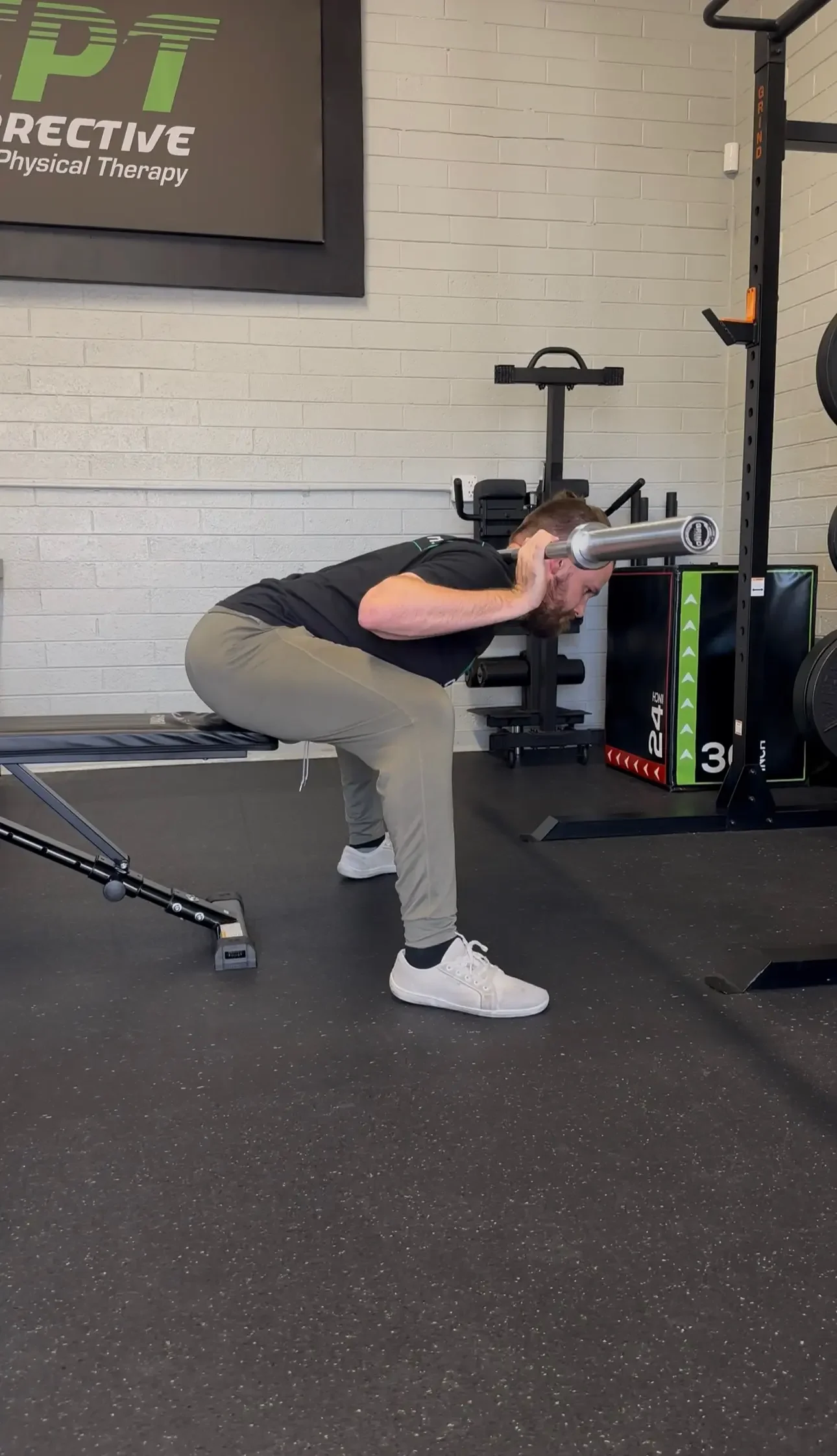
Strength & Progressive Loading at Corrective Physical Therapy
Why Building Resilience, Not Just Relieving Pain, Is the Goal
Most physical therapy gets one thing wrong. It stops when the pain stops.
You come in hurting, you do some exercises, the pain calms down, and you get discharged. But the strength deficit that caused the problem in the first place? Still there. The movement compensation your body developed to protect the injury? Still there. The tissue that never got loaded back up to the demands of your sport, your job, or your training? Still not ready.
That's why so many people end up right back in the clinic six months later with the same injury.
At Corrective Physical Therapy, we believe pain relief is the beginning of recovery...not the end of it. Strength and progressive loading is how we make sure the work we do in the clinic actually holds up in real life.
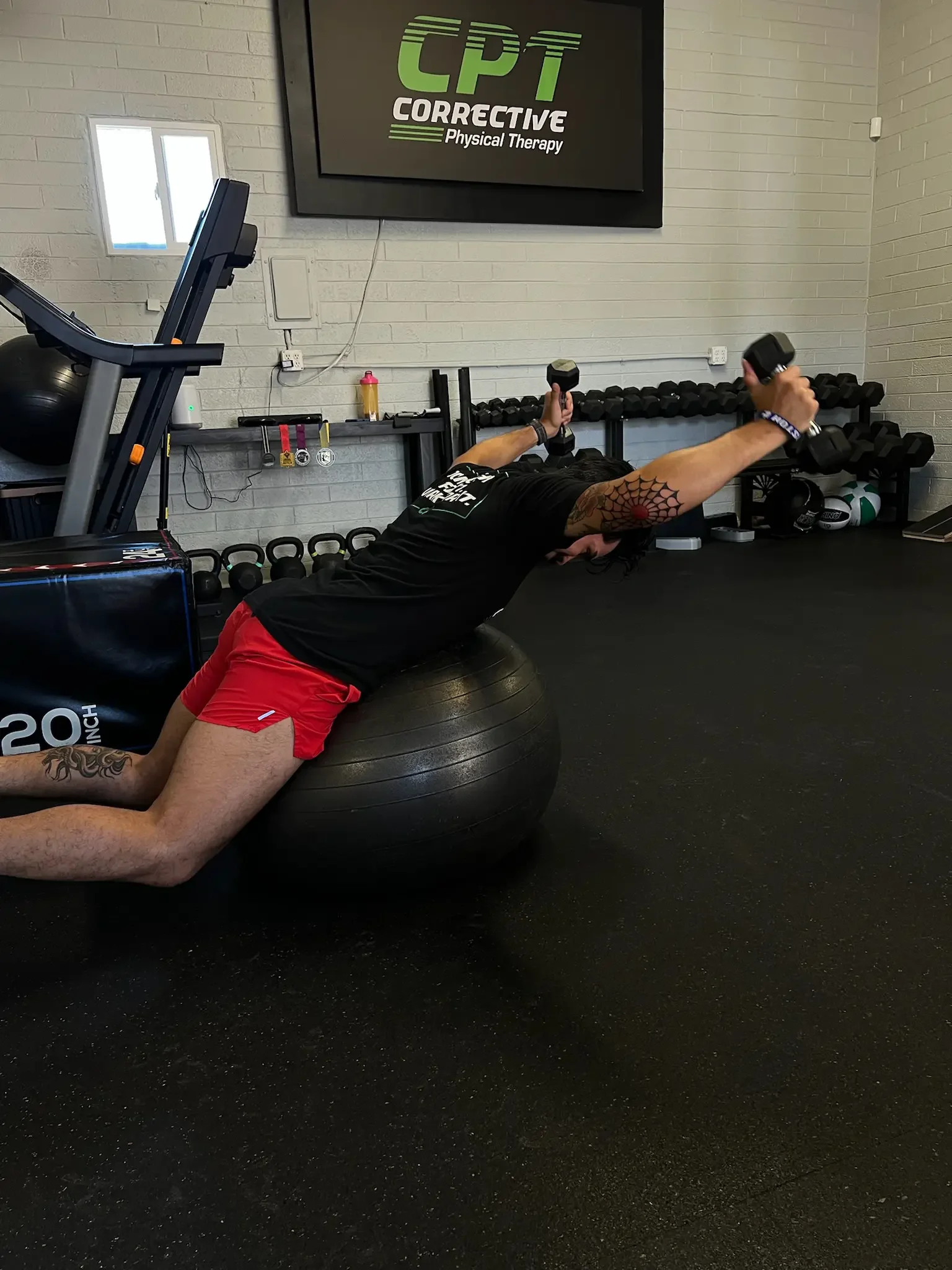
What Is Progressive Loading in Physical Therapy?
Progressive loading is the practice of gradually and systematically increasing the demands placed on injured or recovering tissue over time — in a way that the body can adapt to, rather than react against.
It sounds simple. But it requires knowing when to push, when to back off, and how to sequence exercises so the tissue gets stronger without getting re-irritated.

Done correctly, progressive loading:
Rebuilds strength in muscles weakened by injury or disuse
Restores the tendon, ligament, and muscle tissue's capacity to handle real-world forces
Retrains movement patterns that developed as compensation around pain
Builds the kind of resilience that holds up under the demands of sport, training, and physical work
Reduces the likelihood of re-injury over the long term
Done incorrectly, or skipped entirely, it leaves patients stuck in a cycle of pain, rest, and temporary relief that never fully resolves.
Why Passive Treatment Alone Isn't Enough
Hands-on treatment, dry needling, and MLS Grade IV Laser Therapy are all valuable tools. We use them at CPT and they can make a real difference in reducing pain, improving mobility, and calming irritated tissue.
But here's the honest truth about passive treatment: it opens the door. Strength training is what keeps it open.
Manual therapy can restore joint mobility. But if the muscles around that joint aren't strong enough to control and maintain that mobility under load, you'll lose it. Dry needling can reduce muscular tension and improve movement quality. But if the tissue never gets progressively loaded back to full capacity, the tension comes back. Laser therapy can support tissue healing. But healed tissue that hasn't been loaded is not resilient tissue.
This is why every treatment plan at CPT includes a strength and loading component — not as an afterthought, but as the foundation of long-term recovery.
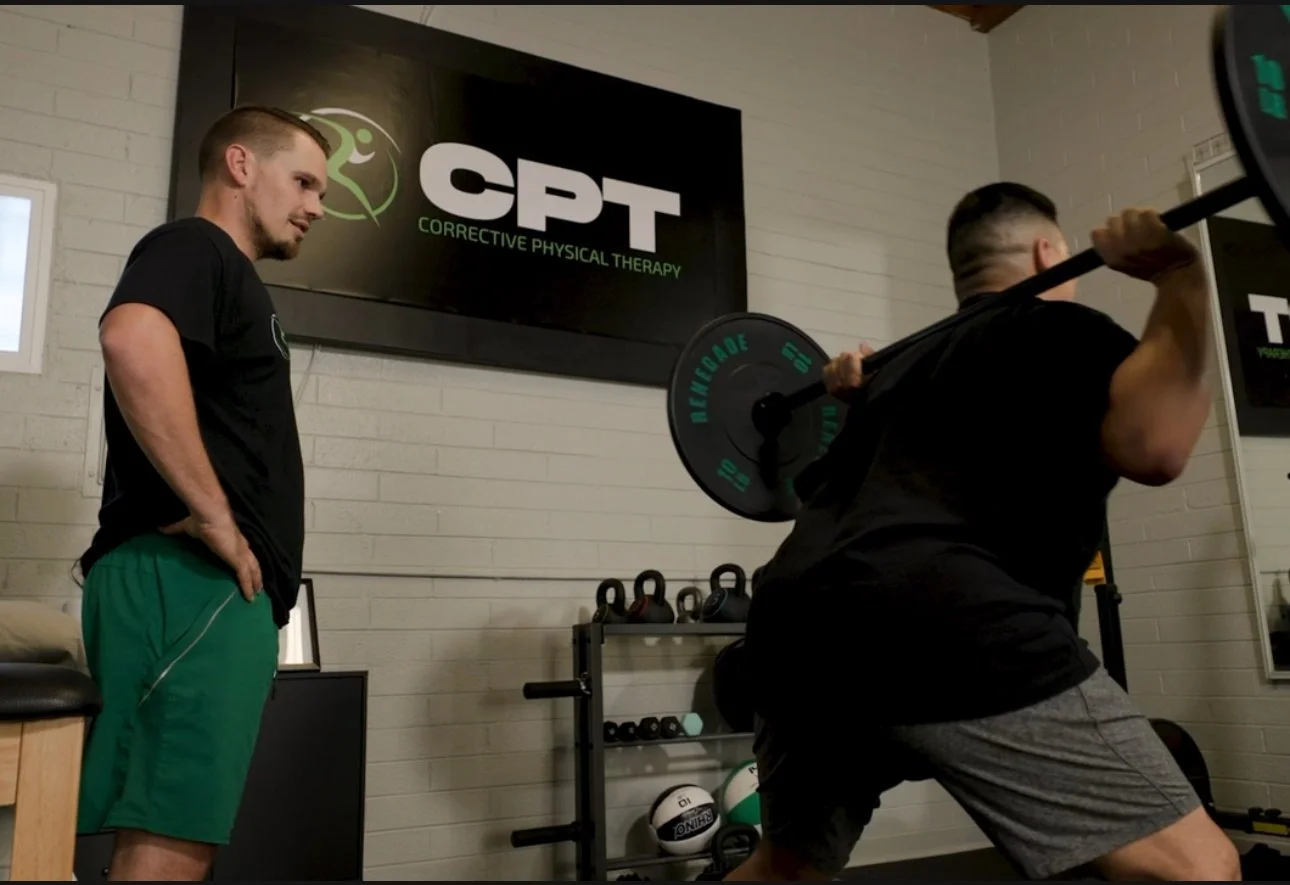
What Progressive Loading Looks Like at CPT
Strength and progressive loading isn't just telling someone to do squats. The progression matters as much as the exercise selection, and both need to be built around where you are right now and where you need to get to.
At Corrective Physical Therapy, progressive loading may include:
-
Isometric Exercise
The starting point for many injuries and painful conditions. Isometric exercises involve contracting the muscle without movement, which allows us to build strength and reduce pain sensitivity in tissue that isn't ready for full dynamic loading yet. Particularly effective early in tendon rehab.
-
Eccentric & Slow Tempo Loading
Eccentric loading — controlling the lengthening phase of a movement — places a specific type of demand on muscle and tendon tissue that builds resilience in a way concentric training alone doesn't. Slow tempo work increases time under tension and teaches the tissue to handle force more efficiently.
-
Compound Strength Training
As recovery progresses, we reintroduce multi-joint movements like deadlifts, squats, lunges, and pressing patterns that reflect the demands of real life and sport. These movements build total-body strength and teach muscles to work together the way they need to during athletic activity.
-
Single-Leg & Unilateral Training
Most athletic movements happen on one leg at a time. Running, cutting, jumping, landing, climbing stairs, stepping off a curb during an emergency response — all of these demand single-leg strength and stability. Unilateral training exposes and addresses the asymmetries that bilateral training can mask.
-
Sport & Activity-Specific Loading
The end goal of every program is returning you to what you actually do. That means the loading progression needs to eventually reflect the specific demands of your sport, your training, or your job. We don't discharge you when you can walk without pain. We discharge you when your body is ready for what you're going back to.
-
Blood Flow Restriction (BFR) Training
Blood Flow Restriction Training (BFR) allows us to build meaningful strength using lighter loads — which is particularly valuable when pain or irritability is limiting how much load you can tolerate. It's one of the most effective tools we have for building strength during the earlier stages of recovery without overloading healing tissue.
Why "Just Rest It" Is Rarely the Right Answer
Rest has its place. In the immediate aftermath of an acute injury, reducing load temporarily can help manage pain and protect tissue. But rest is a pause, not a treatment plan.
Tissue that isn't loaded doesn't get stronger. Tendons that aren't progressively stressed don't build resilience. Muscles that are rested instead of rehabilitated lose strength, coordination, and the ability to protect the joints they surround.
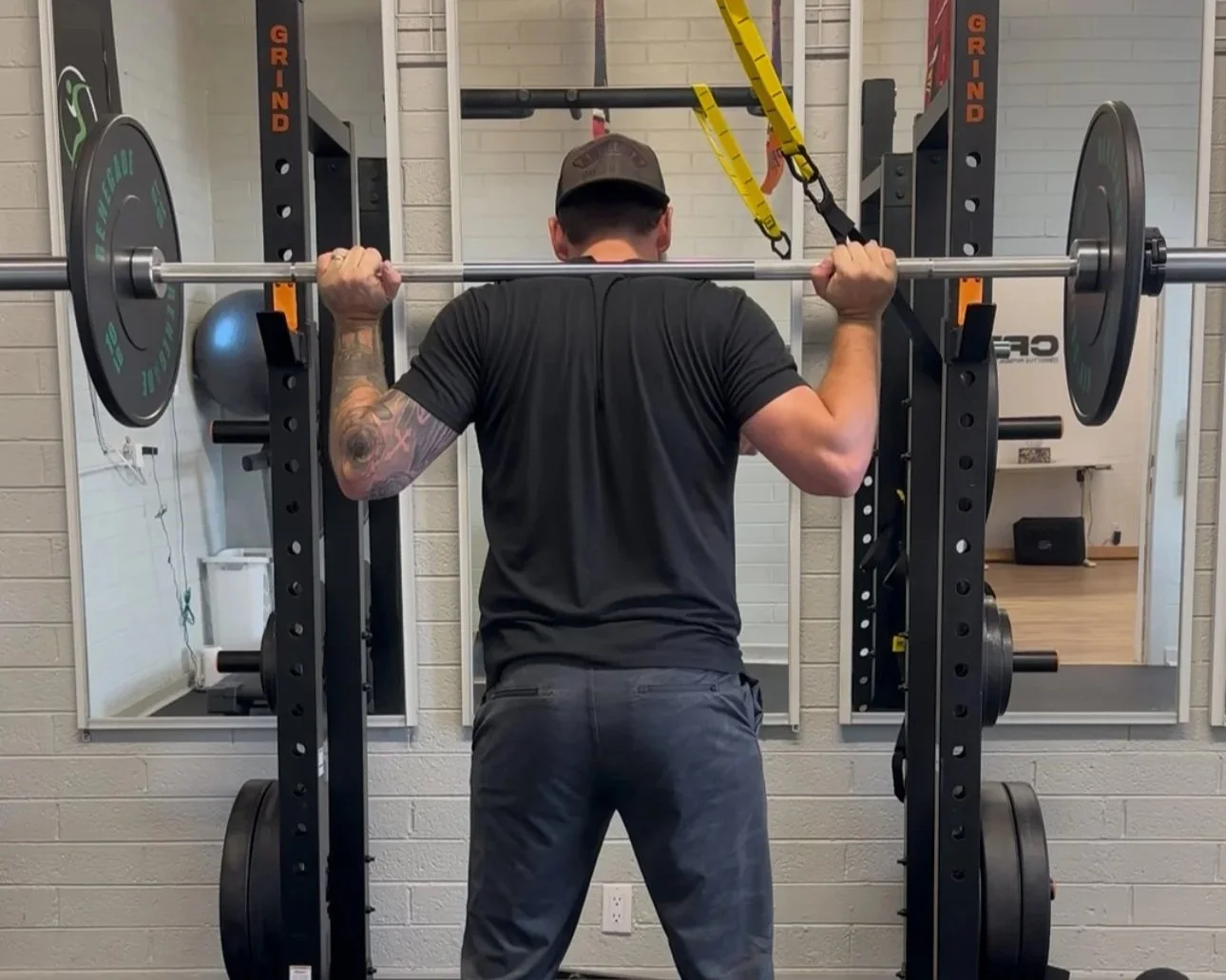
For most of the patients we see — athletes, first responders, active adults dealing with chronic pain or recurring injuries — the problem isn't that they moved too much. It's that when the pain came, they stopped moving in the right ways and never got back to it systematically.
Progressive loading is how we fix that.
Conditions Where Strength & Progressive Loading Plays a Key Role
Strength and progressive loading is a core component of how we treat almost every condition at CPT. It's particularly essential for:
Running Injuries
Golf Pain
CrossFit & Weightlifting Pain
Sports & Overuse Injuries
-
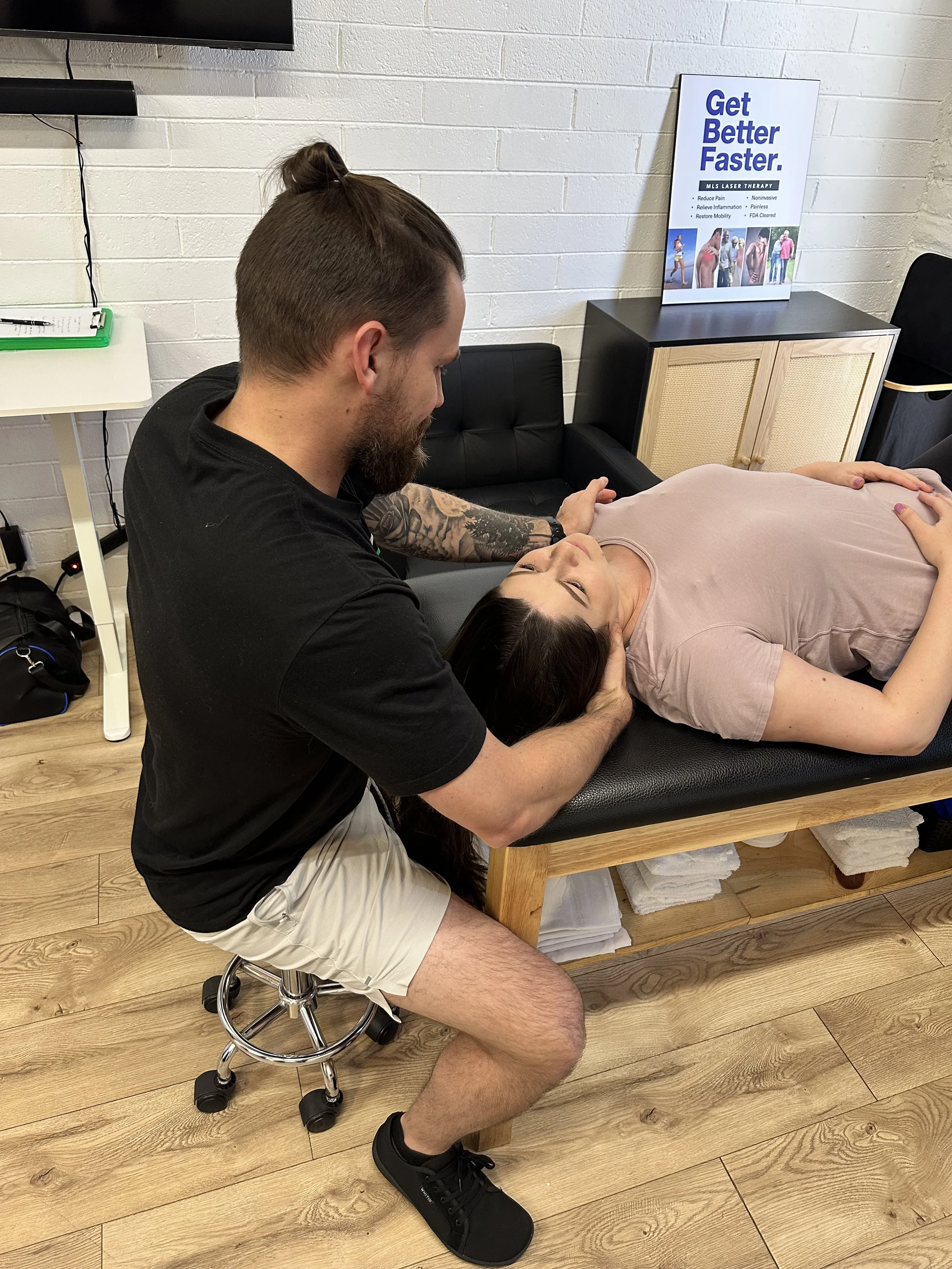
Manual Therapy
Hands-on treatment to restore mobility and reduce pain so the body can tolerate loading more effectively
-
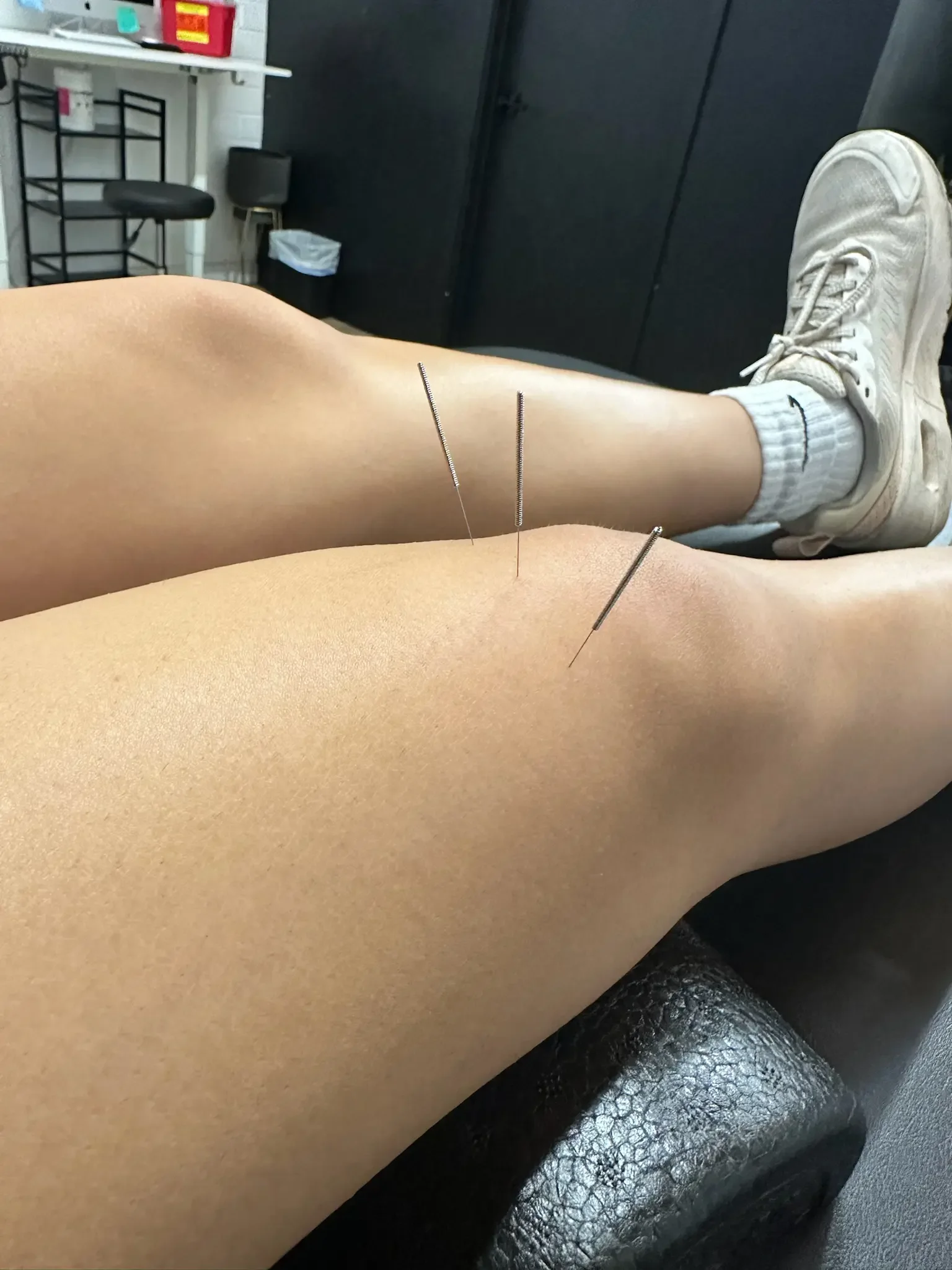
Dry Needling
Dry needling to reduce muscular tension and improve movement quality around areas being loaded
-
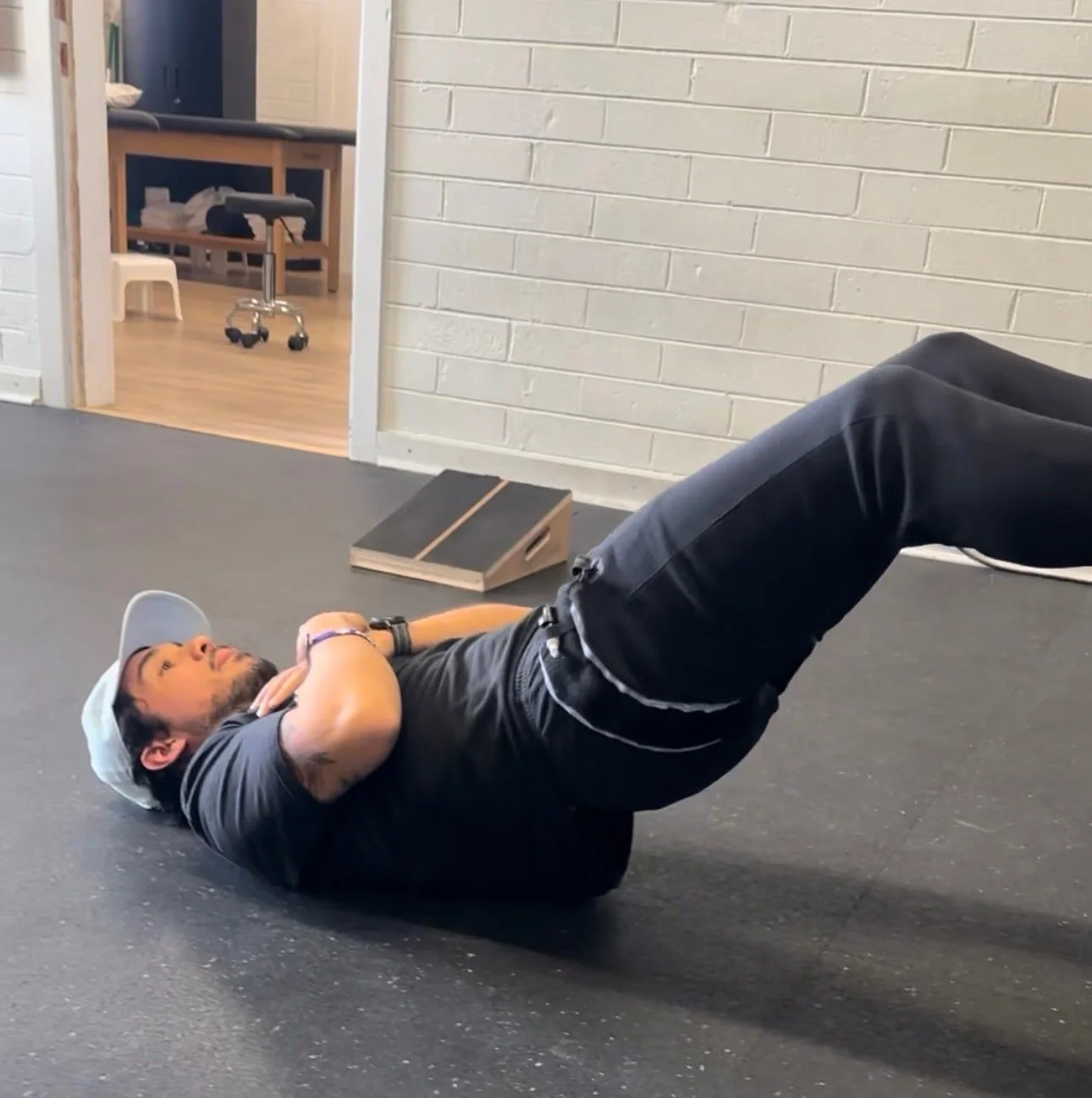
Blood Flow Restriction Training (BFR)
Blood Flow Restriction Training (BFR) to build strength when full loading isn't yet appropriate
-
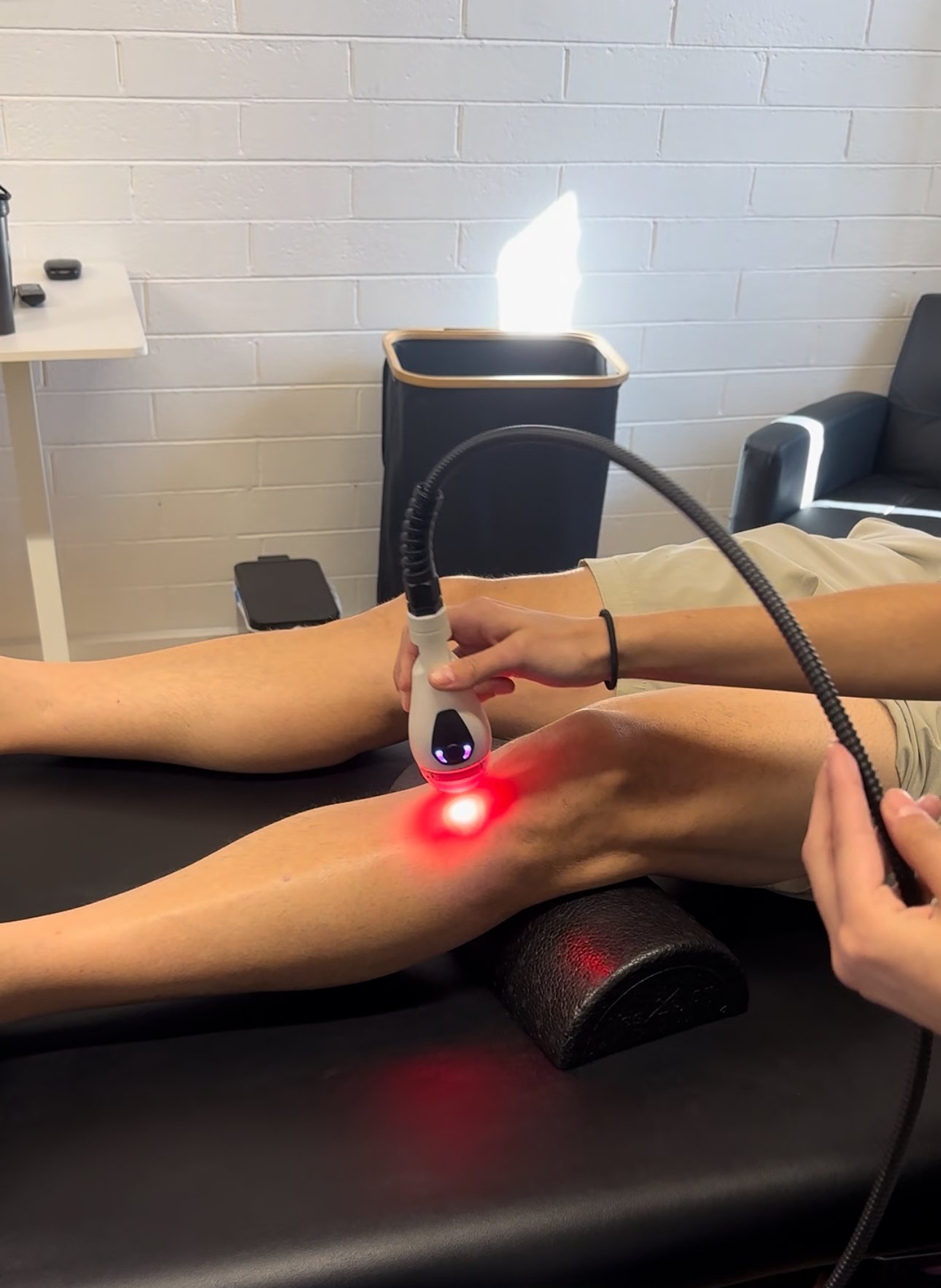
MLS Grade 4 Laser Therapy
MLS Grade 4 Laser Therapy to support tissue healing during periods of progressive loading
-
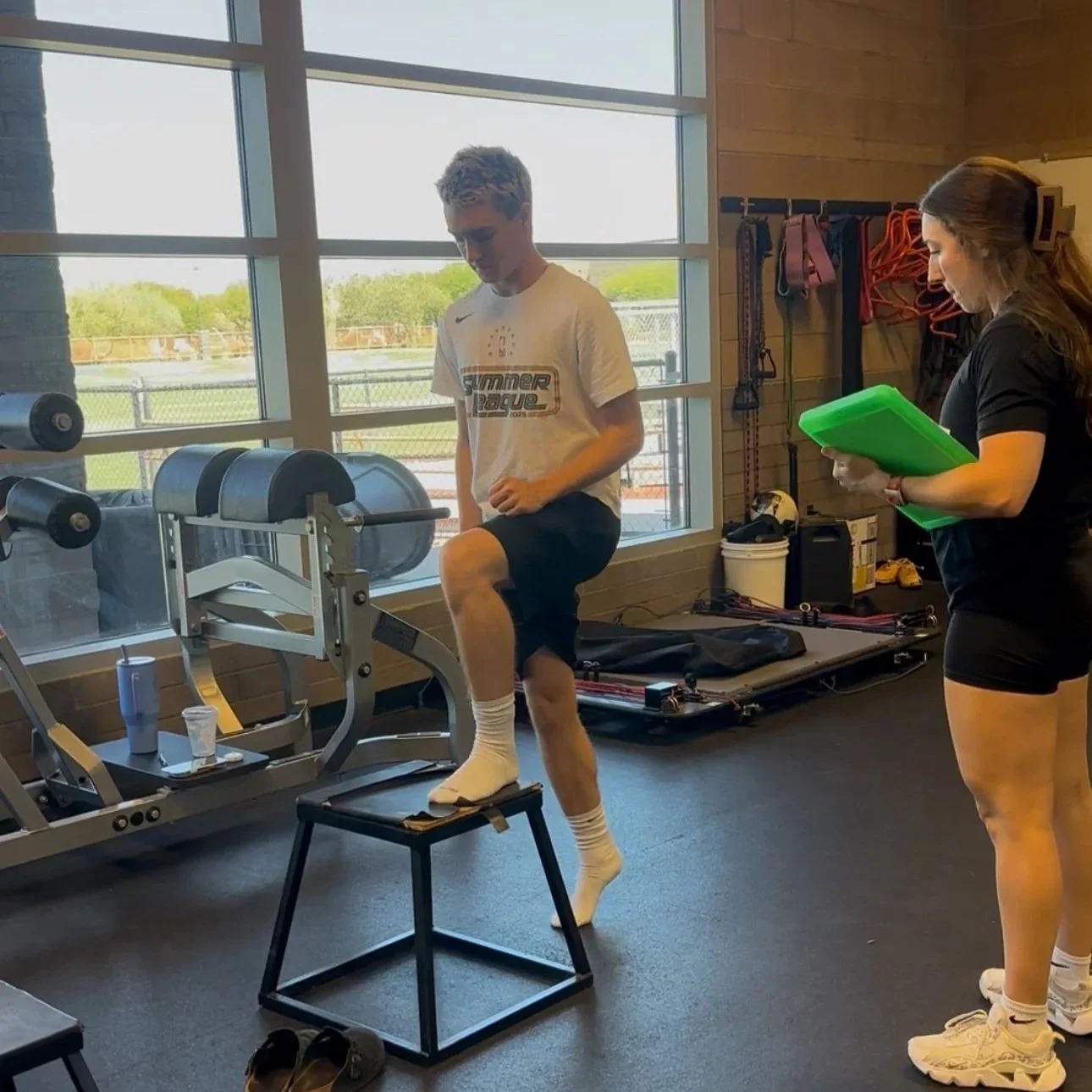
Movement Retraining
Movement Retraining to correct the compensation patterns that developed around pain before loading is reintroduced
-

Plyometric & Impact Training
Plyometric & Impact Training the next step after strength is established, building power and preparing tissue for the explosive demands of sport
-
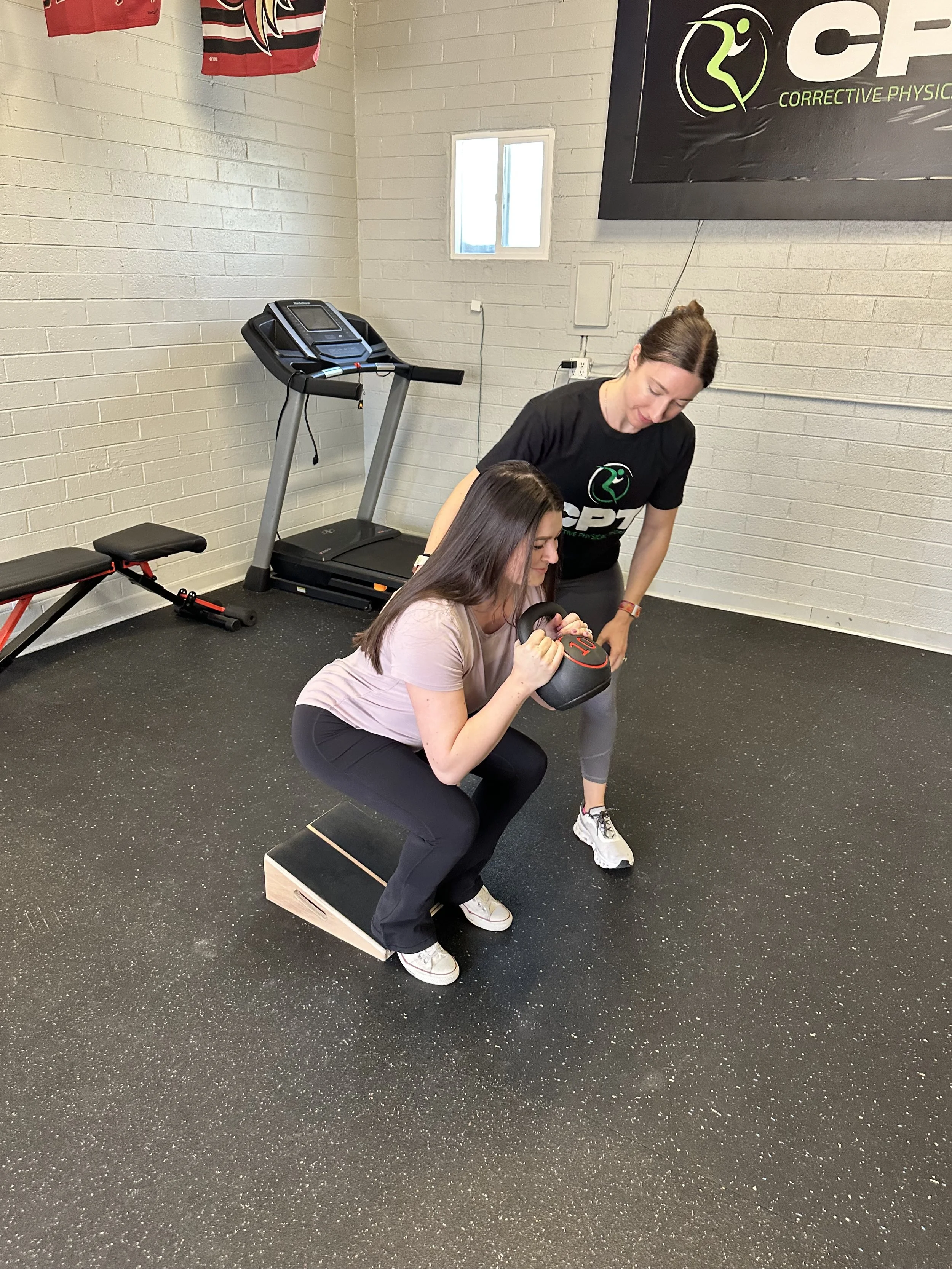
Hip, Core & Foot Stability Training
Hip, Core & Foot Stability Training foundational stability work that supports safe and effective progressive loading
-

Running Analysis
Running Analysis for runners, identifying mechanical inefficiencies that progressive loading needs to address
-
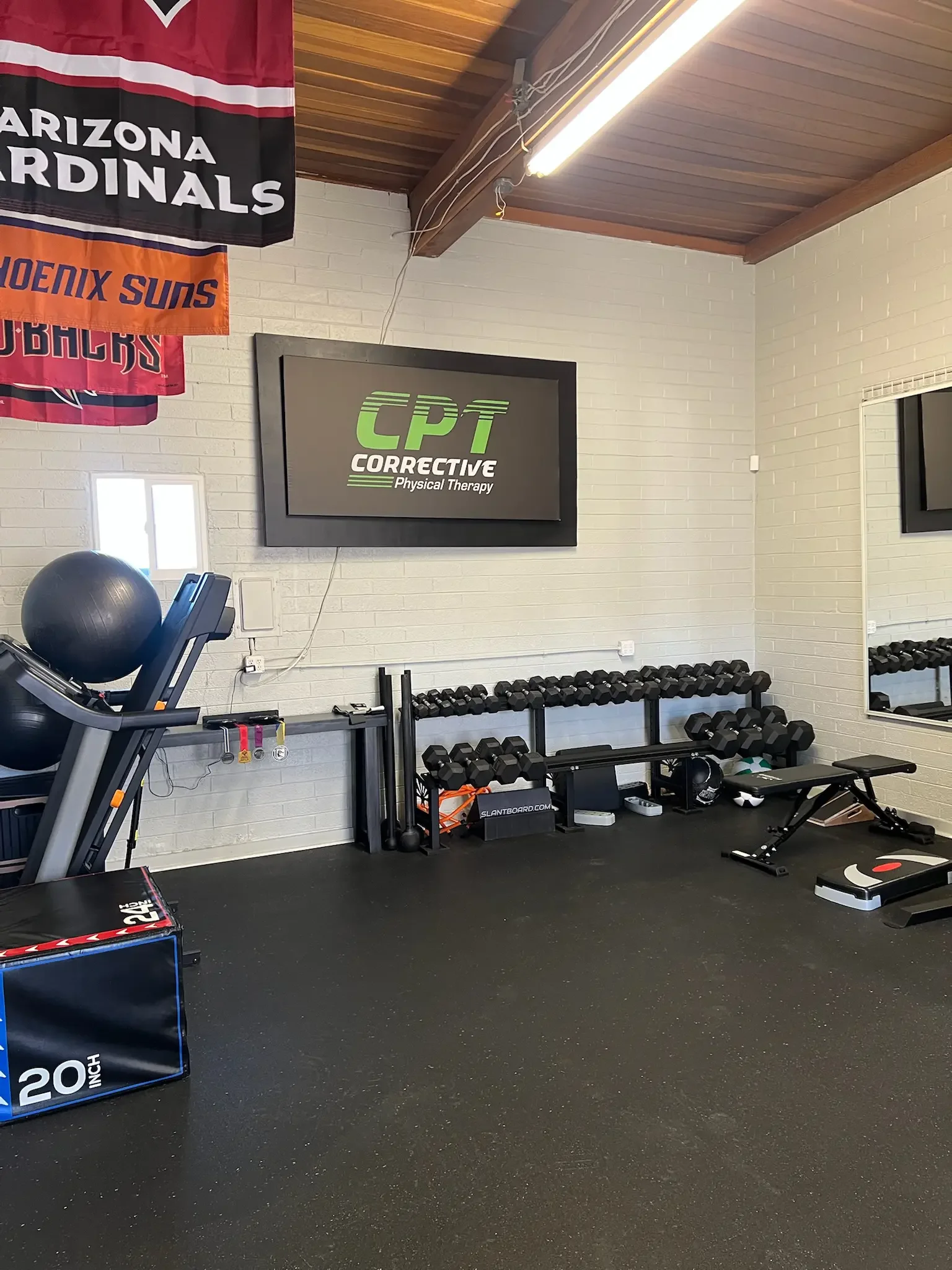
Sports Physical Therapy
Sports Physical Therapy the broader framework within which progressive loading is applied for athletic recovery and performance
Strength & Progressive Loading at Corrective Physical Therapy in Scottsdale & Arcadia
If you've been told to rest, stretch, and hope for the best...there's a better path forward.
At Corrective Physical Therapy, we help athletes, first responders, and active adults in Scottsdale and Arcadia build the strength and resilience to get back to training, competing, and living without constantly managing the same injuries.
Every session is 1-on-1 with a licensed Doctor of Physical Therapy. No aides. No rotating tables. No generic handouts. Just a plan built around you, your body, and what you're working to get back to.
Because at Corrective Physical Therapy… We don't fix fragile. We build resilient.