

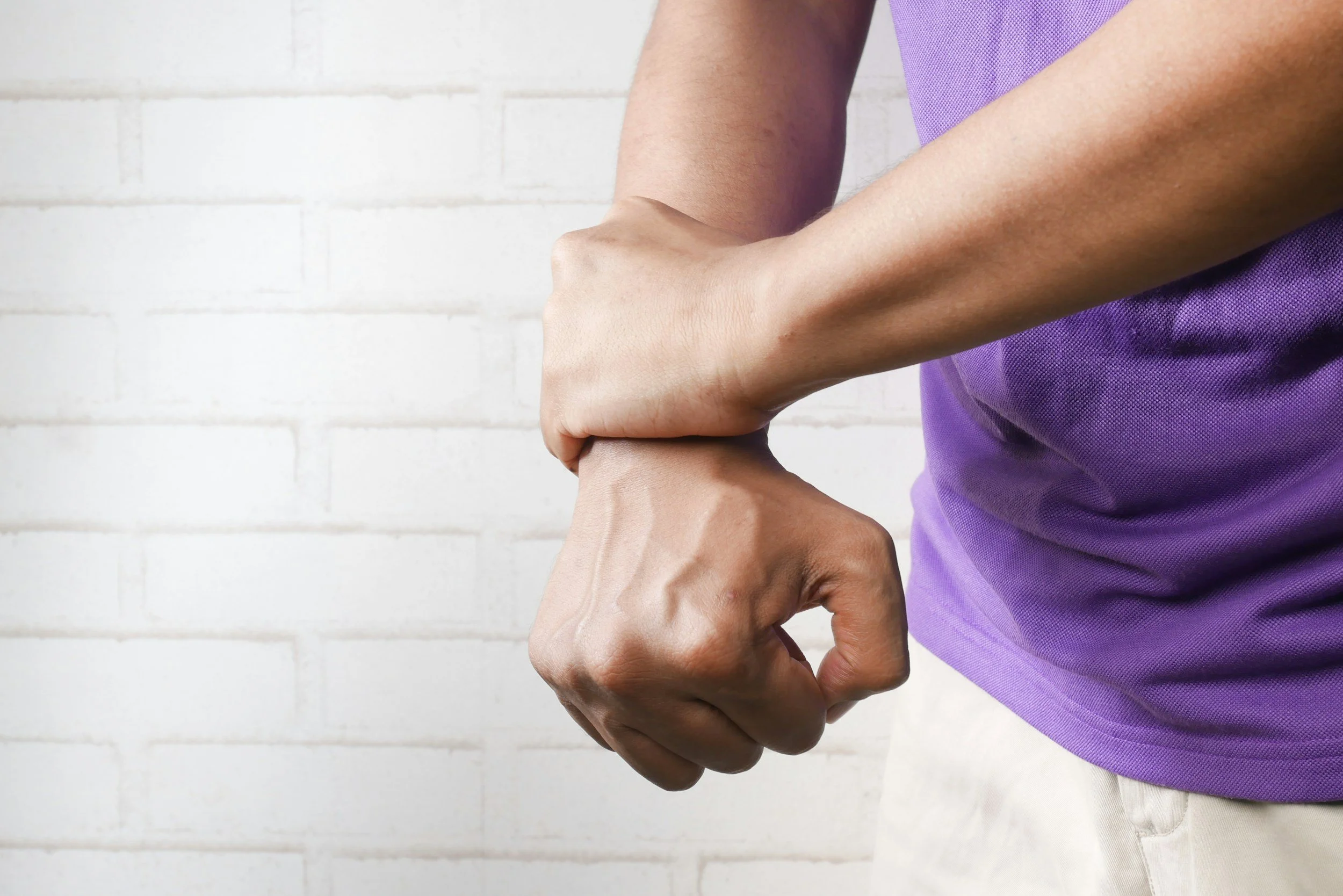
Wrist & Hand Pain Physical Therapy in Scottsdale and Arcadia, AZ
Personalized Physical Therapy for Wrist & Hand Pain at Corrective Physical Therapy
Wrist and hand pain can make even simple daily tasks frustrating. Typing, gripping, lifting, training, carrying objects, using tools, and participating in sports all place demands on the small joints, muscles, tendons, and nerves of the wrist and hand.
At Corrective Physical Therapy, we provide personalized, 1-on-1 physical therapy for wrist pain, hand pain, repetitive strain injuries, overuse injuries, tendon irritation, and movement-related dysfunction in Scottsdale and Arcadia, AZ.
Our approach goes beyond simply treating symptoms. We evaluate how your wrists and hands move, how they tolerate load, and how movement mechanics throughout the upper extremity may be contributing to ongoing irritation.
The goal is to help you regain strength, mobility, control, and confidence so you can return to work, training, sports, and everyday activities without constantly worrying about pain.
Common Wrist & Hand Conditions We Treat
Wrist and hand symptoms can develop gradually from repetitive use or occur after a specific injury. We commonly help patients experiencing:
Wrist pain
Hand pain
Repetitive strain injuries
Overuse injuries
Tendon irritation
Pain with gripping or lifting
Pain during exercise or strength training
Stiffness in the wrist or fingers
Weak grip strength
Discomfort with typing or computer work
Pain with repetitive work tasks
Reduced wrist mobility
Sports-related wrist and hand injuries
Persistent wrist discomfort that returns with activity
Whether your symptoms developed over weeks, months, or years, treatment should address the underlying causes of overload rather than simply masking discomfort.
Wrist & Hand Pain Is Often a Capacity Problem, Not Just an Activity Problem
One of the most common misconceptions about wrist and hand pain is that the solution is simply to stop using the affected area.
While temporary activity modification can sometimes help calm symptoms, long-term recovery often requires improving the body's ability to tolerate load.
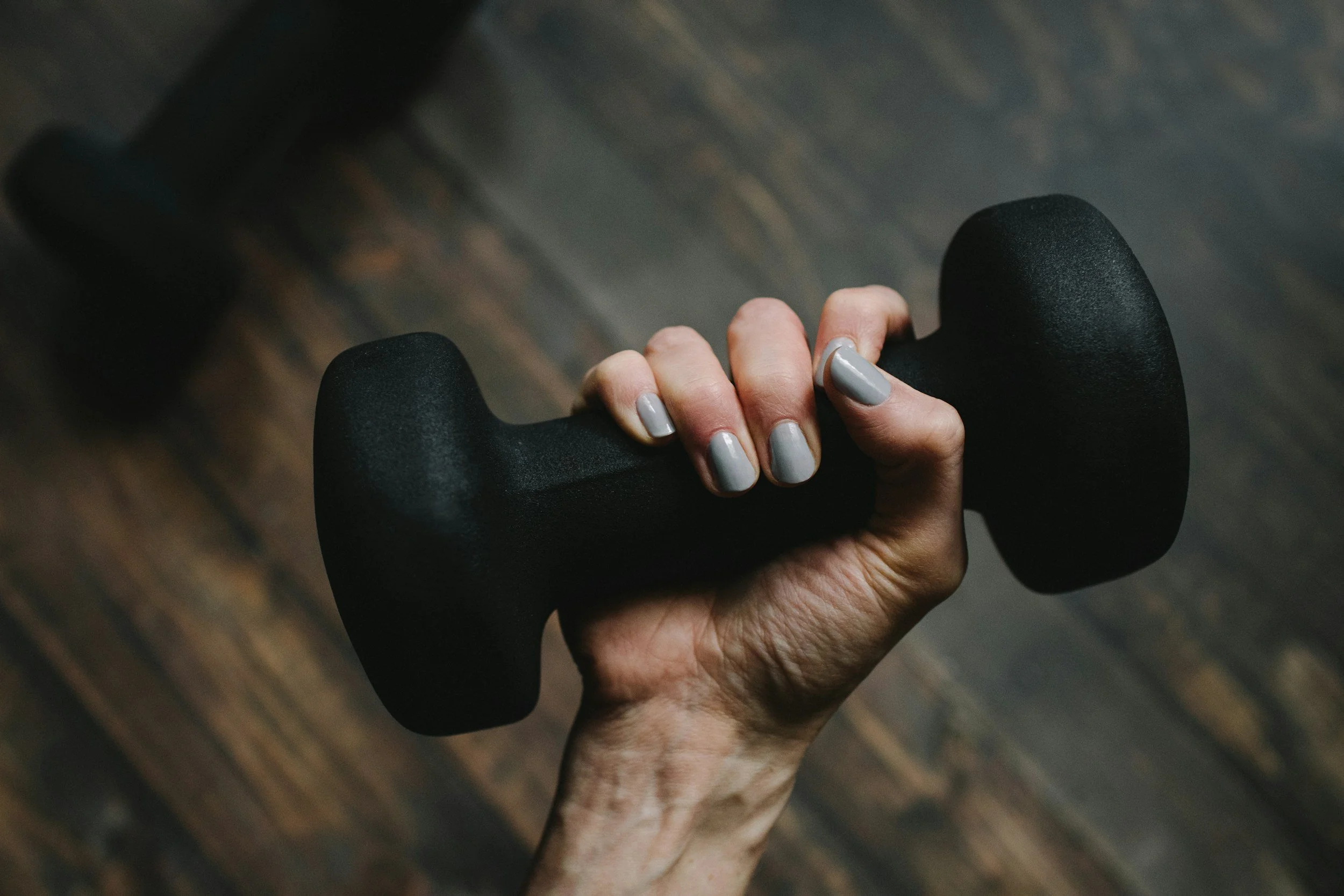
Many painful wrists and hands are lacking:
Strength
Mobility
Tissue capacity
Movement control
Load tolerance
Recovery between activities
The wrist and hand are designed to handle force. When tissues become overloaded faster than they can adapt, pain and irritation can develop.
At Corrective Physical Therapy, we focus on helping patients gradually rebuild capacity so they can return to the activities that matter most without constantly flaring symptoms.
Why Strength and Mobility Both Matter
The wrist and hand need a combination of mobility and stability to function well. Too little mobility can create stiffness and movement restrictions. Too little strength can make everyday activities feel more demanding than they should.
Limitations in either area can contribute to:
Pain with gripping
Difficulty lifting objects
Reduced performance during training
Fatigue with repetitive tasks
Ongoing irritation during work activities
Recurring symptoms despite rest
Our physical therapists focus on restoring both movement quality and strength so the wrist and hand can tolerate real-world demands more effectively.
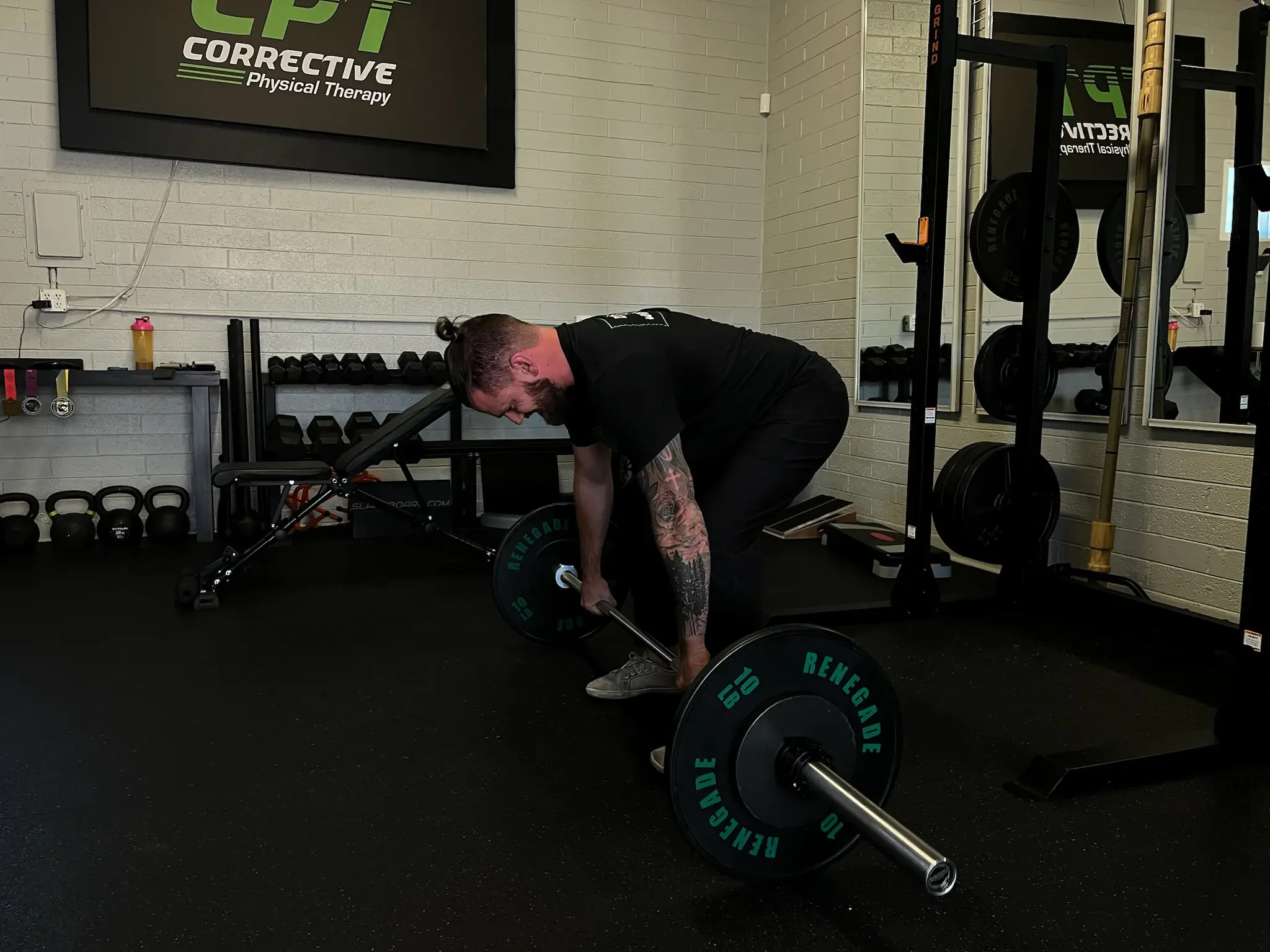
Understanding Overuse Injuries
Many wrist and hand problems develop gradually rather than from a single traumatic event.
Repetitive activities can place repeated stress on tissues over time, such as:
Typing
Using a mouse
Weight training
Gripping tools
Repetitive work tasks
Racquet sports
Golf
Climbing
Manual labor
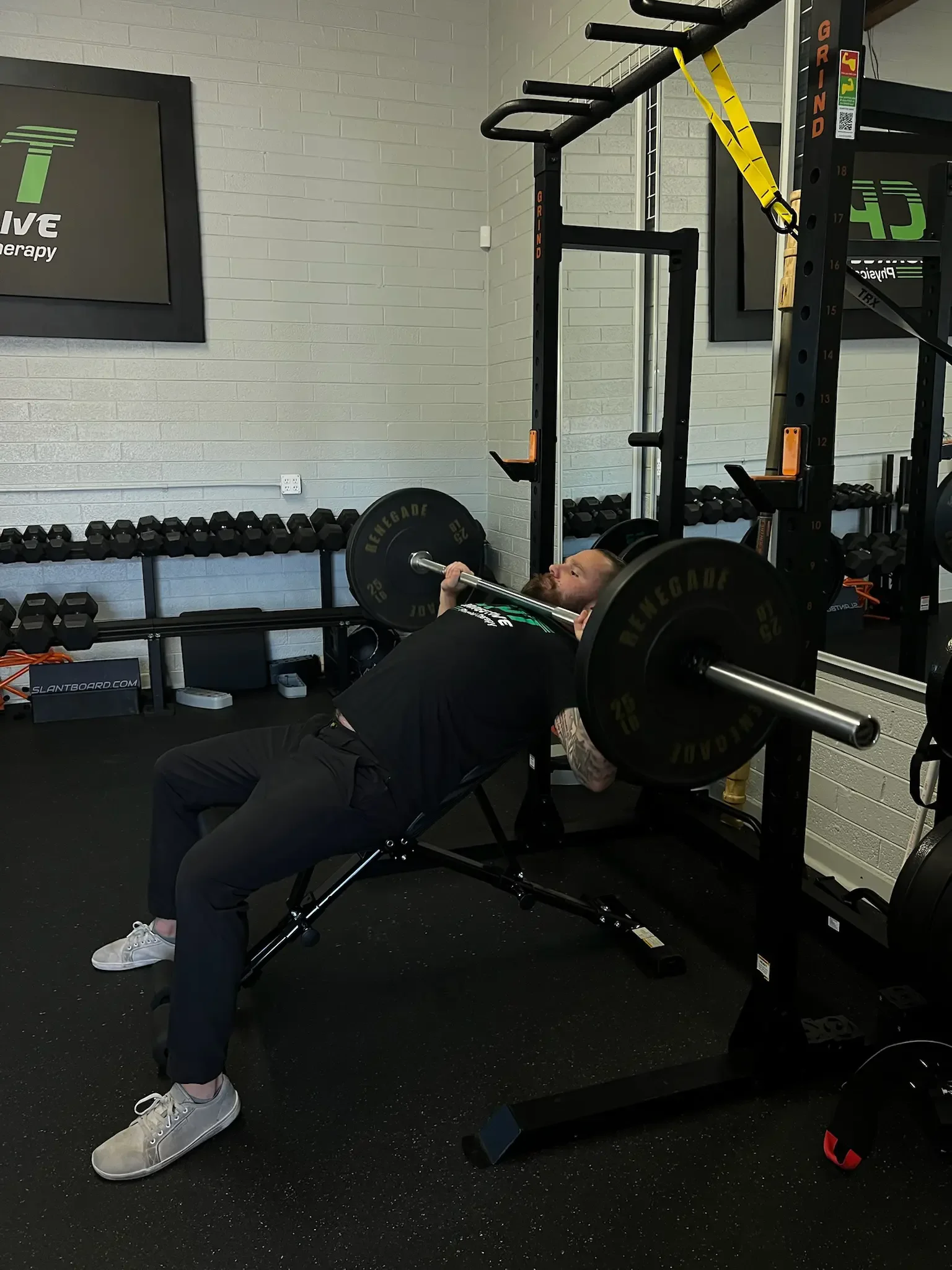
This does not necessarily mean the activity itself is the problem. Often, symptoms develop when the demands placed on the body exceed its current capacity.
Treatment focuses on improving strength, mobility, tissue tolerance, and movement mechanics so patients can continue doing the activities they enjoy while reducing unnecessary stress on irritated tissues.
Client Reviews
Nothing but five stars for Dr. Matthew Brown! I’ve been seeing him for a couple of years now—so thankful for his help in recovering from fractured wrist, low back issue, and now elbow tendonitis, helping me get back to golfing without pain. Having one-on-one time for an hour as well as his tailored workout plan is a far cry from most physical therapy shops where you see the therapist for 10 minutes then an aide for the rest of your hour. Dr. Matt is highly knowledgable—always knows exactly what you need. And he’s pleasant to work with as well. If you’re in pain, I highly recommend Dr. Matt!
— Beverly R.Corrective Physical Therapy is great! From the very start the physical therapist would evaluate me with a comprehensive exam, explain to me the problems, and give me a detailed plan of recovery. Things were very straightforward and simplified for my understanding. Within a matter of months, I was cured from my alignments and was able to live a pain free life doing the things that I once were not able to do. Additionally, I feel even better than I did before being injured so I'm very thankful for the team and their rehabilitation protocols. These physical therapists are very smart and very intuitive, so it makes every appointment great!
— Albert G.If you’re looking for a place that truly helps you heal, train, and feel better in your body, Corrective PT is the place to go. Over the past year, I’ve dealt with several minor ailments, and Corrective PT has consistently helped me get back to feeling like myself again. What really sets CPT apart is not just their ability to get your body moving properly, but how knowledgeable and approachable they are. I would absolutely recommend Corrective PT to anyone looking to improve their health, recover from injury, or simply move better.
— Thomas G.Our Approach to Physical Therapy for Wrist & Hand Pain
Every patient at Corrective Physical Therapy receives individualized, 1-on-1 care with a licensed Doctor of Physical Therapy. Treatment plans are customized around your symptoms, goals, occupation, activity level, and movement limitations.
Depending on your needs, your rehab may include:
-
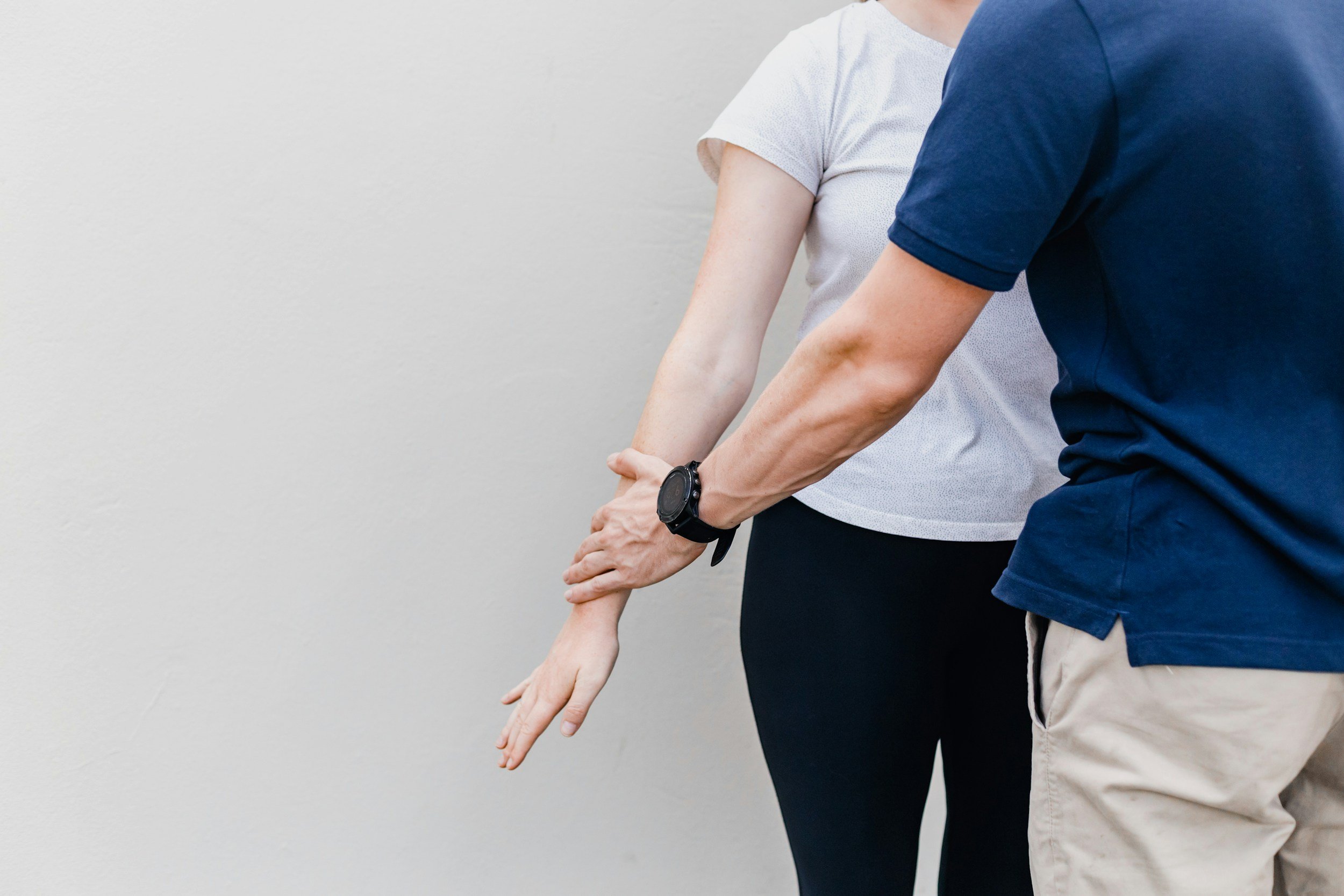
Manual Therapy
Hands-on treatment to improve mobility and reduce stiffness throughout the wrist, hand, fingers, and surrounding joints.
-

Mobility Training
Exercises designed to improve movement quality and restore functional range of motion.
-
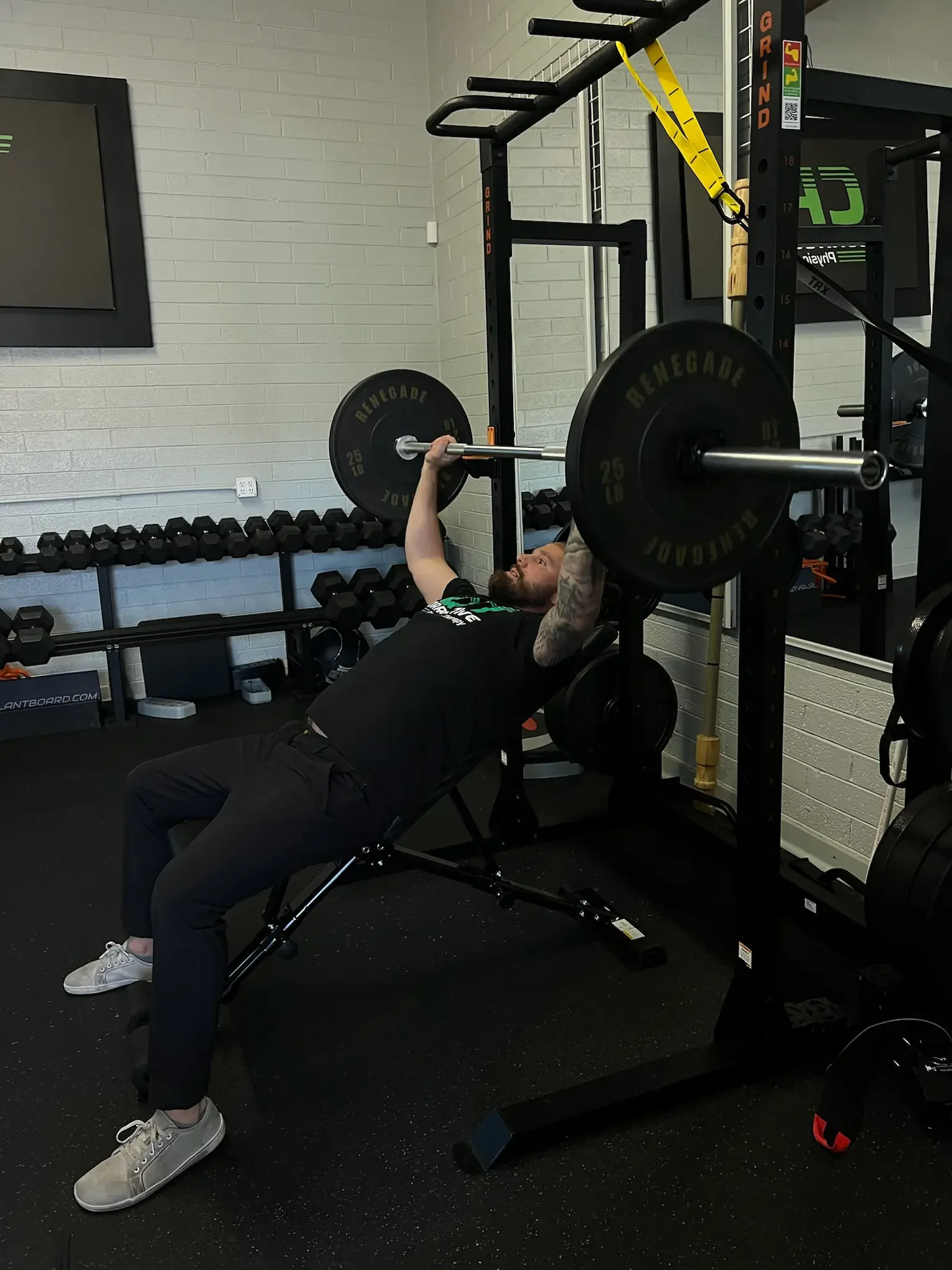
Strength & Progressive Loading
We progressively build strength and tissue capacity so your wrists and hands can better tolerate work, training, sports, and everyday activities.
-
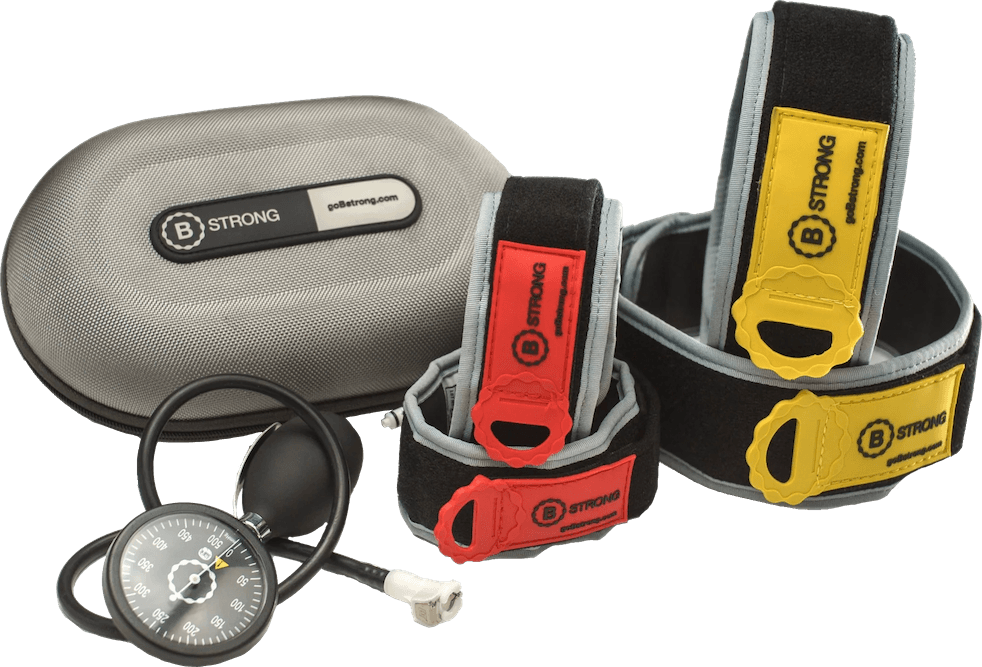
Blood Flow Restriction (BFR) Training
BFR training may help patients build strength using lighter loads when traditional loading is not yet tolerated.
-

Movement Retraining
We assess movement patterns and activity demands that may be contributing to ongoing irritation and help improve mechanics where needed.
-
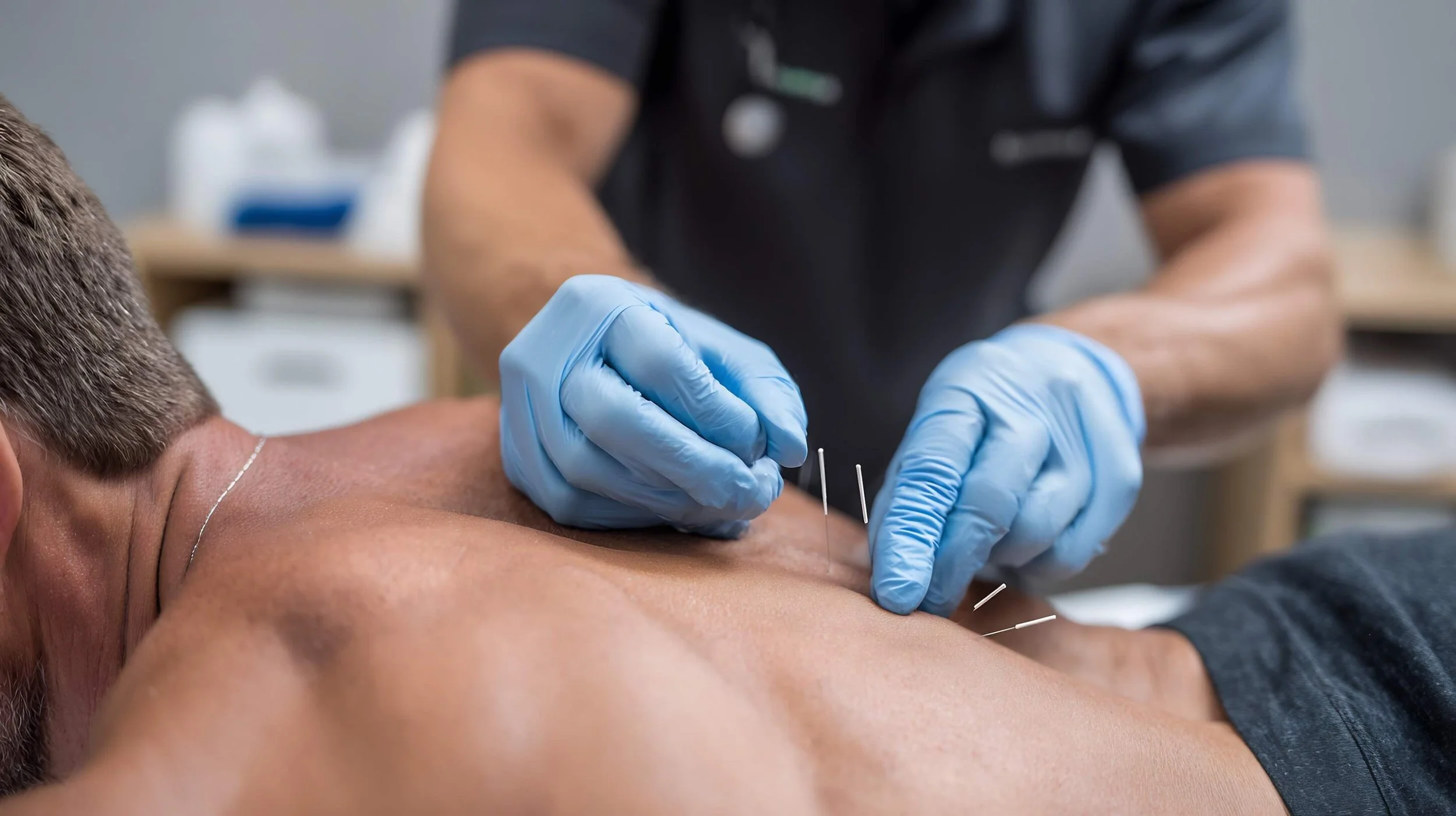
Dry Needling
Dry needling may be used to reduce muscular tension and improve movement quality.
-
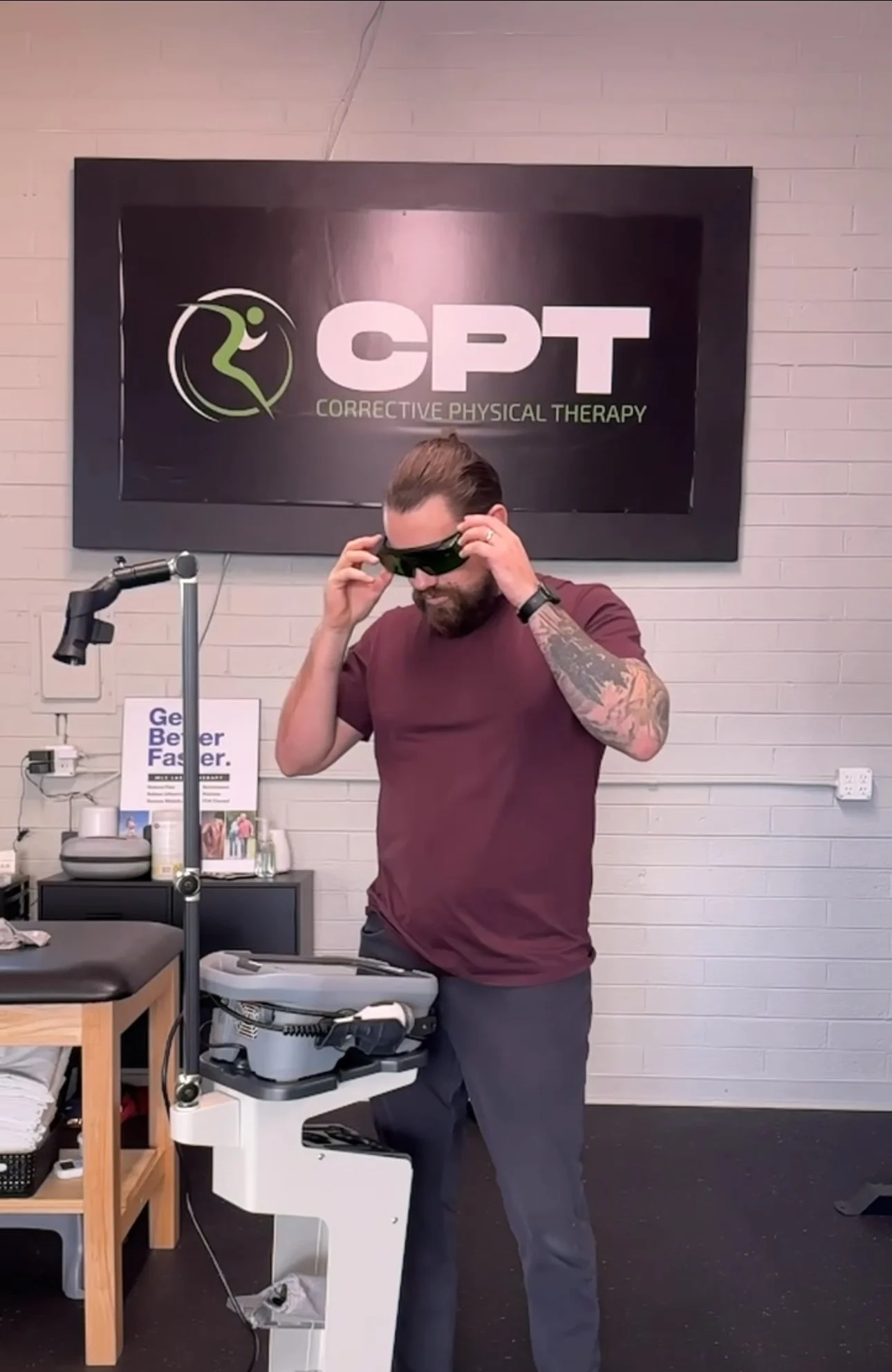
MLS Grade IV Laser Therapy
Advanced laser therapy may help reduce inflammation and support tissue healing.
-
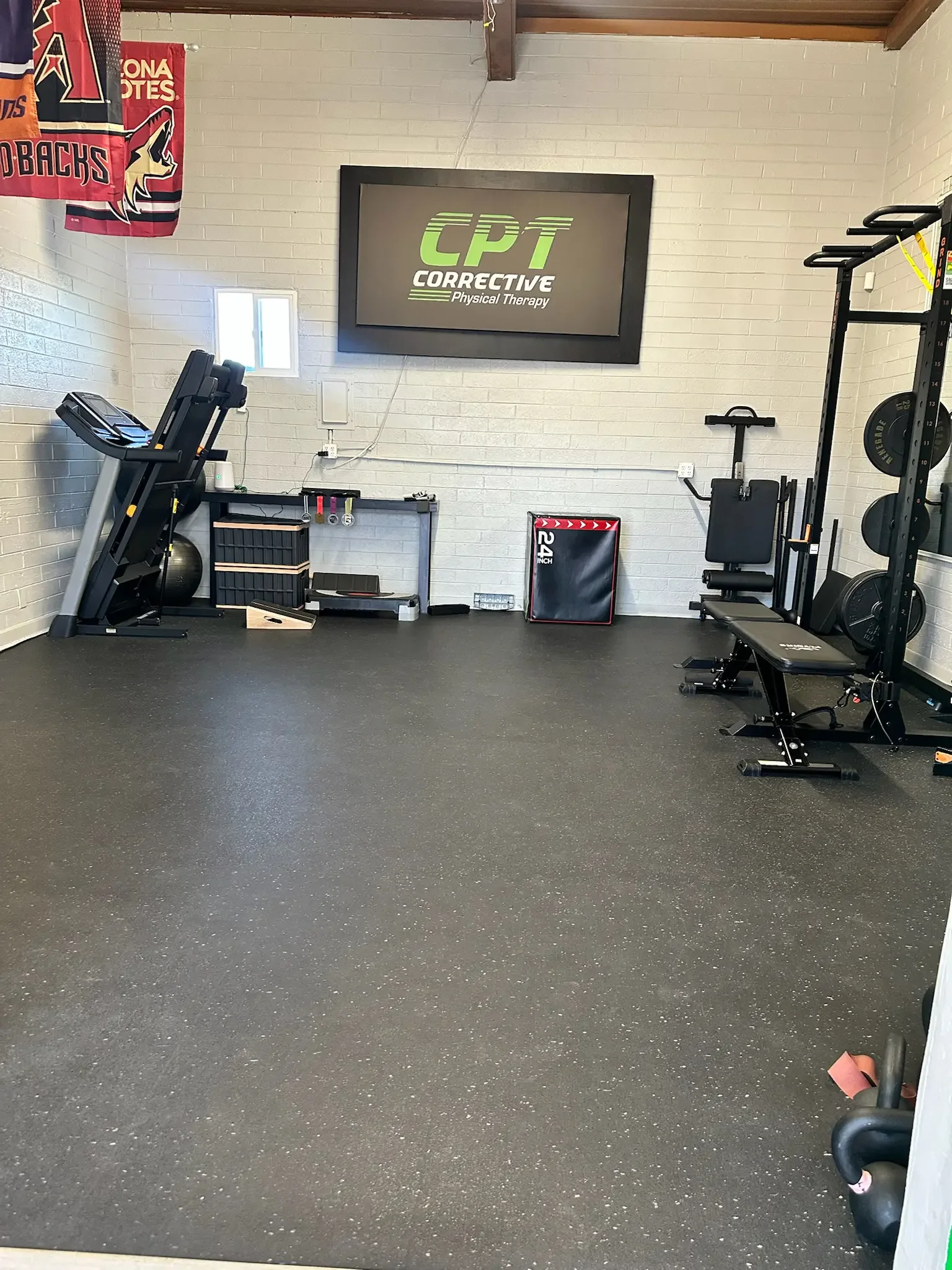
Personalized Rehab Programming
Your treatment plan is tailored specifically to your goals, symptoms, and activity demands.
Meet the Doctors

Dr. Matthew Brown PT, DPT, SCS
Dr. Matthew Brown is a sports physical therapist who helps active adults and athletes recover from injuries, improve performance, and return to the activities they enjoy. As the founder of Corrective Physical Therapy, he combines advanced sports rehabilitation training with strength and movement-based treatment to address the root cause of pain and keep patients performing at their best.
Founder & Performance Specialist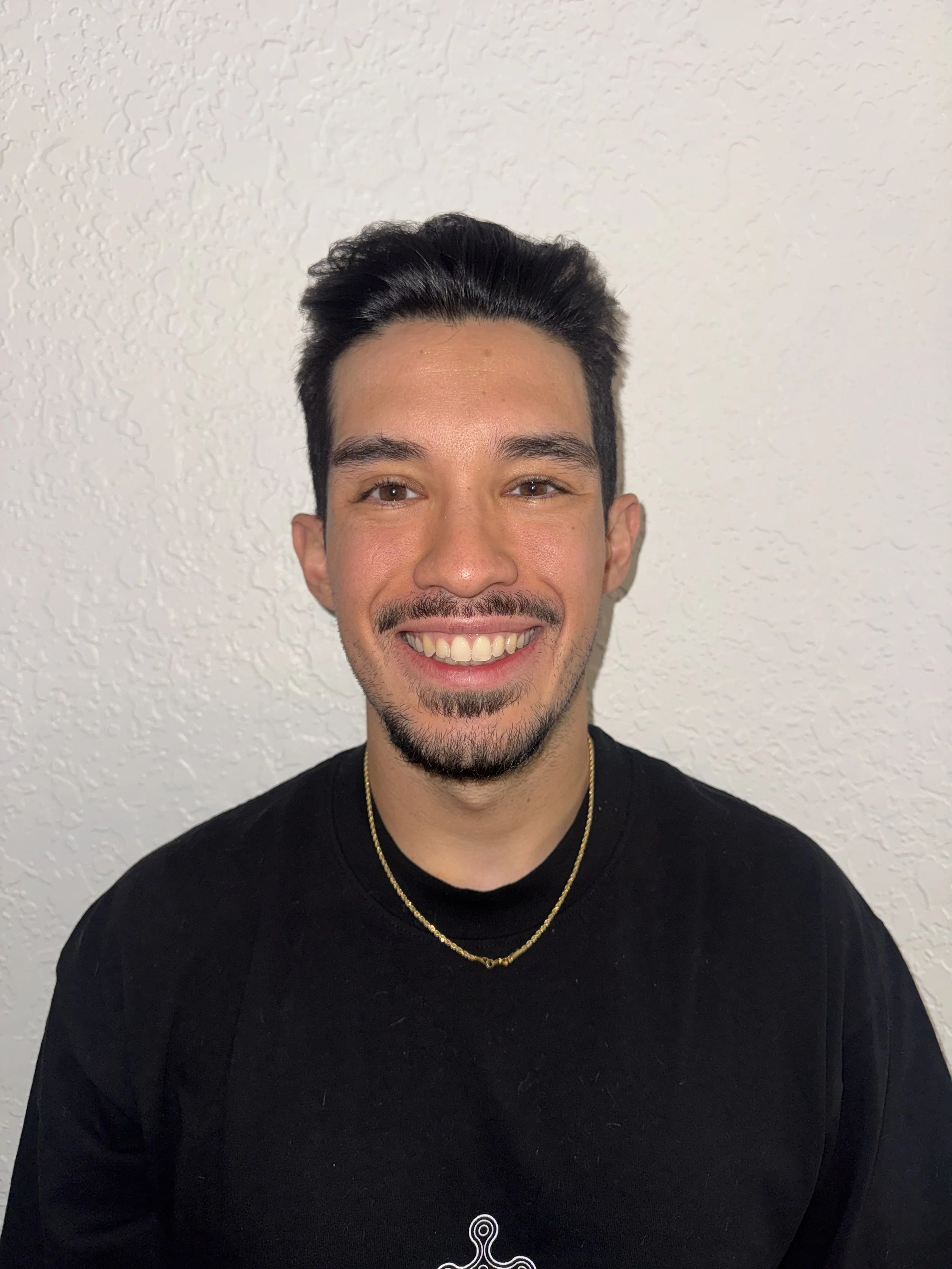
Dr. Daniel Paredes, PT, DPT, CSCS
Physical Therapist | Sports Performance & Running SpecialistDr. Danny Paredes is a sports physical therapist who helps runners, athletes, and active adults overcome pain, improve performance, and return to training with confidence. Combining his background in strength and conditioning, competitive athletics, and evidence-based rehabilitation, he bridges the gap between rehab and performance to help patients move better and achieve their goals.
Why Patients Choose Corrective Physical Therapy
Our detailed assessment and precision loading restore control and confidence in every movement.
At Corrective Physical Therapy, we combine evidence-based rehabilitation with individualized care to help patients move beyond temporary symptom relief.
What Makes CPT Different?

1-on-1 treatment sessions

Sports rehab expertise

¡Sí, hablamos español!

Full 60-minute evaluations

Focus on active adults and former athletes

Education that helps you understand your pain

Personalized rehab plans

Evidence-based treatment

Locations in Scottsdale & Arcadia
Physical Therapy for Wrist & Hand Pain in Scottsdale & Arcadia, AZ
If wrist or hand pain is limiting your work, workouts, sports performance, or daily activities, the team at Corrective Physical Therapy is here to help.
We provide personalized physical therapy for wrist pain, hand pain, repetitive strain injuries, overuse injuries, sports rehabilitation, and movement dysfunction in Scottsdale and Arcadia, Arizona.
Our mission is simple:
Help you move better, feel stronger, and return to the activities you enjoy with greater confidence and less pain.

Frequently Asked Questions About Wrist & Hand Physical Therapy
-
In many cases, yes. Physical therapy can help improve strength, mobility, movement control, and tissue capacity while addressing factors contributing to ongoing irritation.
-
Pain during lifting can result from a variety of factors, including mobility restrictions, strength deficits, overuse, training volume, or movement mechanics. A comprehensive evaluation can help identify contributing factors.
-
Rest may temporarily reduce symptoms, but long-term recovery often requires gradually rebuilding strength, mobility, and load tolerance so tissues can handle activity more effectively.
-
Repetitive activities can sometimes overload tissues when demands exceed current capacity. Physical therapy can help improve tolerance to repetitive tasks while addressing contributing movement limitations.
-
Some symptoms improve with time, but persistent or recurring pain often benefits from a structured rehabilitation program focused on improving tissue capacity and movement quality.
-
Not always. Many treatment decisions can be guided by a thorough movement assessment, symptom history, and physical examination. Imaging may be recommended in certain situations but is not always necessary.