


Chronic Low Back Pain Physical Therapy in Scottsdale & Arcadia
Personalized Chronic Low Back Pain Treatment for Active Adults, Athletes, and First Responders
Athletes, first responders, and active adults who have been told their back is just bad, that their MRI looks terrible, that they need to stop bending and lifting and just learn to live with it are the types of patients we treat every day here at CPT.
At Corrective Physical Therapy in Scottsdale and Arcadia, we help people who have tried everything to rebuild their back from the ground up, so they can lift, train, play sports, and live without chronic pain running the show.
Your MRI Is Not Your Verdict
This is the most important thing we can tell you before anything else.
One study found that 52% of people with absolutely no pain showed disc bulges on MRI. No pain. No symptoms. Just a finding on a scan that would have terrified them if they'd been told about it in a clinical context.
An MRI captures structure. It does not capture resilience, movement quality, or your body's capacity to adapt and rebuild. We have worked with patients who had devastating imaging findings and went on to lift heavy, play sports, and live completely pain free. We have also worked with patients with clean imaging who needed significant rehabilitation.
The image is information. It is not a sentence. If you have been told your back is too far gone, that you need to stop bending, that surgery is inevitable...that is not the whole story. And it may not be your story at all.
Why Chronic Low Back Pain Keeps Winning
Here is the pattern we see constantly at CPT: Back pain develops. The patient gets imaging. They are told to avoid bending, lifting, and heavy loading. They get bridges and clamshells in PT for six weeks. Nothing changes. They get an injection. It helps for a while. The pain comes back. Surgery gets mentioned.
At no point in that cycle does anyone build the back's actual capacity to handle load.
Chronic low back pain persists because the underlying movement tolerances and strength deficits never get addressed. Avoiding the movements that hurt feels protective in the short term. But avoidance reduces tolerance over time. The back becomes more sensitive, not less. The fear of movement grows. And the pain becomes the new normal.
It does not have to be.
What Dr. Matt Knows About This That Most PTs Don't
Dr. Matt Brown lived with chronic low back pain for six years. As a former athlete who had done everything right, being told he couldn't bend his spine, couldn't lift, couldn't play sports anymore didn't just affect his body. It affected everything.
What got him out of it wasn't rest, injections, or avoidance. It was a systematic, progressive plan that started at the most basic building blocks and rebuilt his back's capacity month by month until he could do everything he wanted again.
That experience is the foundation of how CPT approaches chronic low back pain. Read his full story here.
Dr. Matt Brown’s story of chronic low back pain.
The Mindset Shift That Changes Everything
Your back doesn't hurt because of what you did eighteen years ago. It hurts now because of what you aren't doing today. That's not blame. That's actually the most empowering thing we can tell you, because it means the situation is changeable.
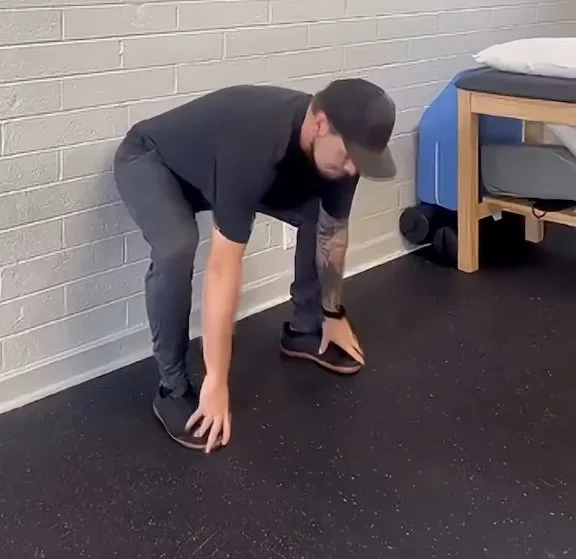
If you can't tolerate bending your spine, that's not a reason to avoid bending your spine forever. It's information that tells you bending your spine is something to work toward, progressively and intelligently, until your back can handle it again.
Pain does not equal damage. And damage, when it exists, does not dictate your function. It influences it. It does not define it.
What Chronic Low Back Pain Actually Feels Like
If sciatica or nerve pain down the leg is part of your picture, our dedicated sciatica page covers how we assess and treat that specifically, and it's always evaluated as part of our chronic low back pain assessment.
Symptoms vary widely, but commonly include:
Daily aching or stiffness that is worse in the morning or after sitting
Pain that flares with certain movements like bending, twisting, or lifting
A back that feels like it's constantly on the edge of going out
Pain that improved briefly with treatment but always came back
Fear of certain movements or positions that previously caused a flare-up
Leg pain, tingling, or nerve symptoms alongside back pain
Reduced ability to train, play sports, or perform physically demanding work
A sense that the back is fragile and one wrong move from disaster

Conditions We Treat Related to Chronic Low Back Pain
Chronic low back muscle strain and recurrent flare-ups
Lumbar instability
Degenerative disc disease and chronic disc bulges
Facet joint dysfunction
SI joint pain and dysfunction
Core stability deficits contributing to back pain
Hip mobility and stability issues affecting the lower back
Chronic low back pain in strength athletes and gym-goers
Back pain related to prolonged sitting
Back pain that hasn't responded to previous PT, chiropractic, or injections
Chronic low back pain with associated sciatica or nerve symptoms
Our Approach to Chronic Low Back Pain Treatment
At Corrective Physical Therapy, every session is 1-on-1 with a licensed Doctor of Physical Therapy. No aides. No rotating tables. No cookie-cutter exercise handouts.
We start with a comprehensive movement and stability assessment that looks at spine, hip, and core function together, identifies where mobility restrictions and strength deficits exist, and establishes a clear picture of what your back can currently tolerate and where it needs to go.
From there, we build a plan. Depending on your presentation, treatment may include:
-
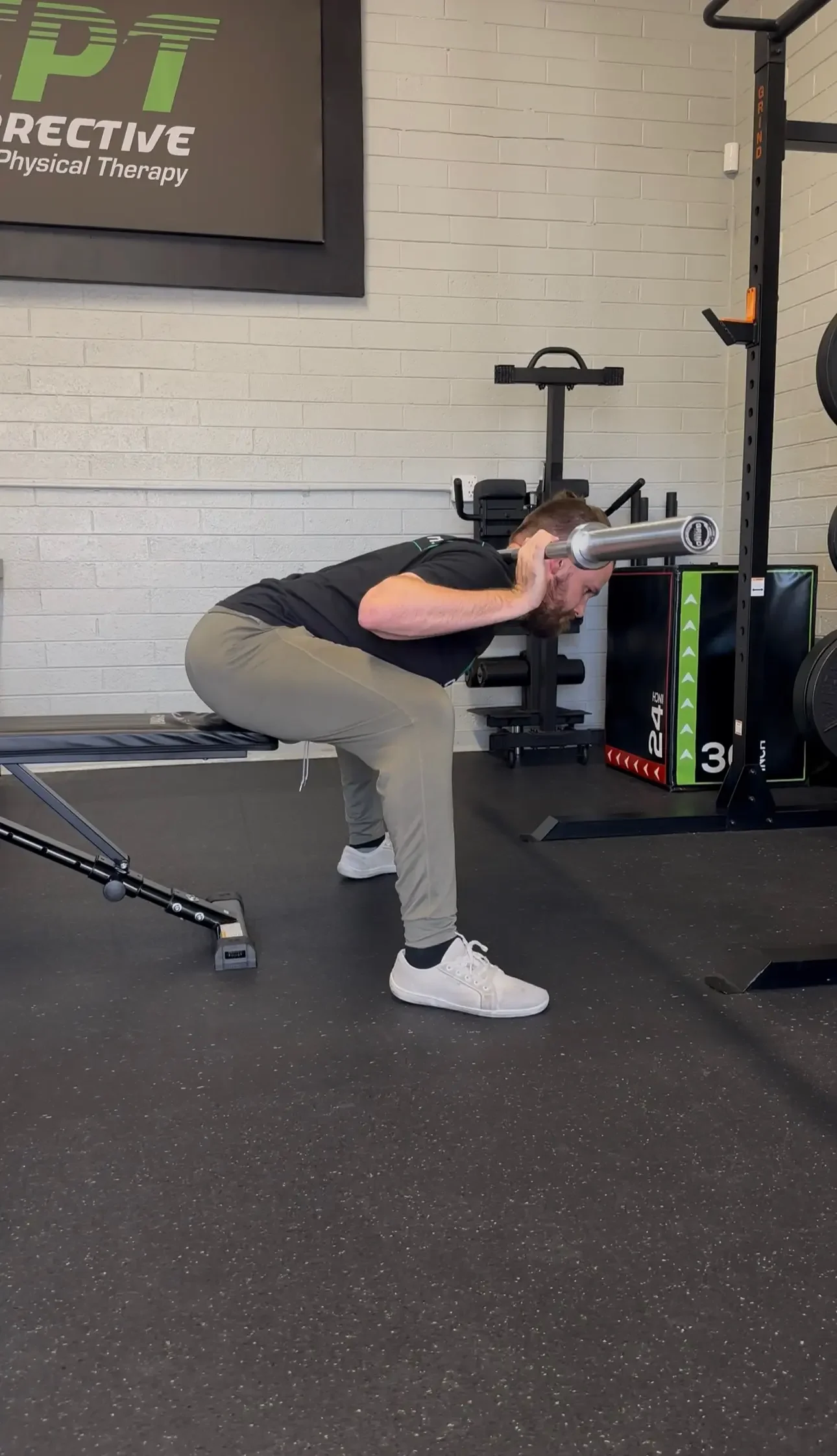
Strength & Progressive Loading
This is the core of chronic low back pain recovery at CPT. We rebuild lumbar strength, hip stability, and core control through a progressive loading program that starts where your body is right now and advances systematically over time. Seated good mornings for direct low back strengthening, dead bug variations for pelvic stability, hip hinging progressions, and eventually heavier compound loading as tolerance builds.
-

Movement Retraining & Fear Reduction
Through movement retraining, we reintroduce the movements your back has been avoiding, slowly and progressively, until your nervous system learns that those movements are safe. Bending is not dangerous. Lifting is not dangerous. Your back was designed for both. We help you rebuild the tolerance and confidence to do them again.
-
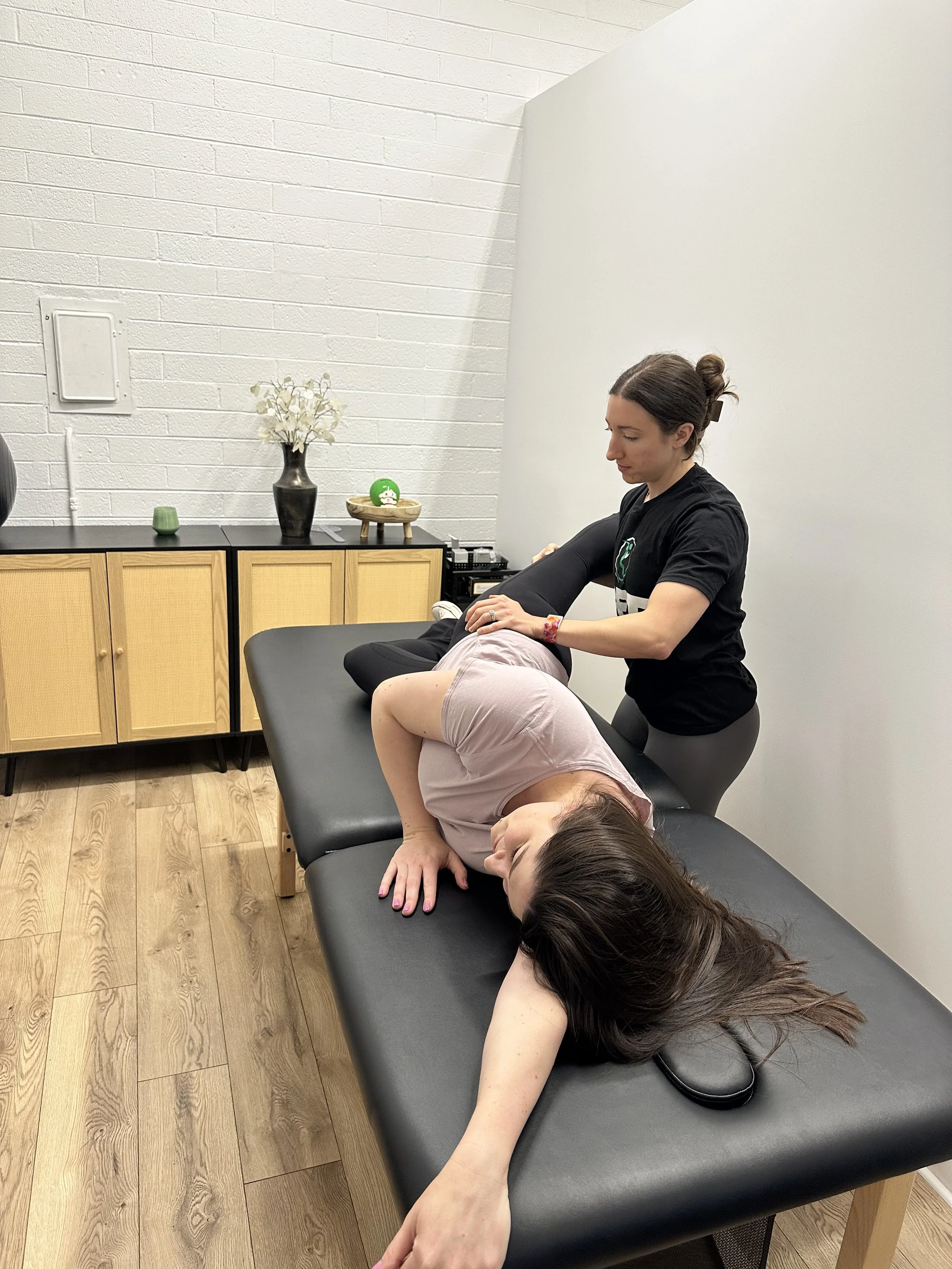
Manual Therapy & Hands-On Treatment
With manual therapy for chronic low back pain, our physical therapists use targeted hands-on work to restore joint mobility, reduce muscular tension, and improve movement quality in the lumbar spine, hips, and pelvis.
-
Chronic Pain Education
Understanding what is actually happening in your body changes how you experience pain. We cover how chronic pain changes nervous system sensitivity, what your imaging actually means in plain language, when pain during exercise is okay and when it isn't, and realistic timelines for recovery. Education is not a soft add-on at CPT. It is a core part of treatment.
-
Flare-Up Management
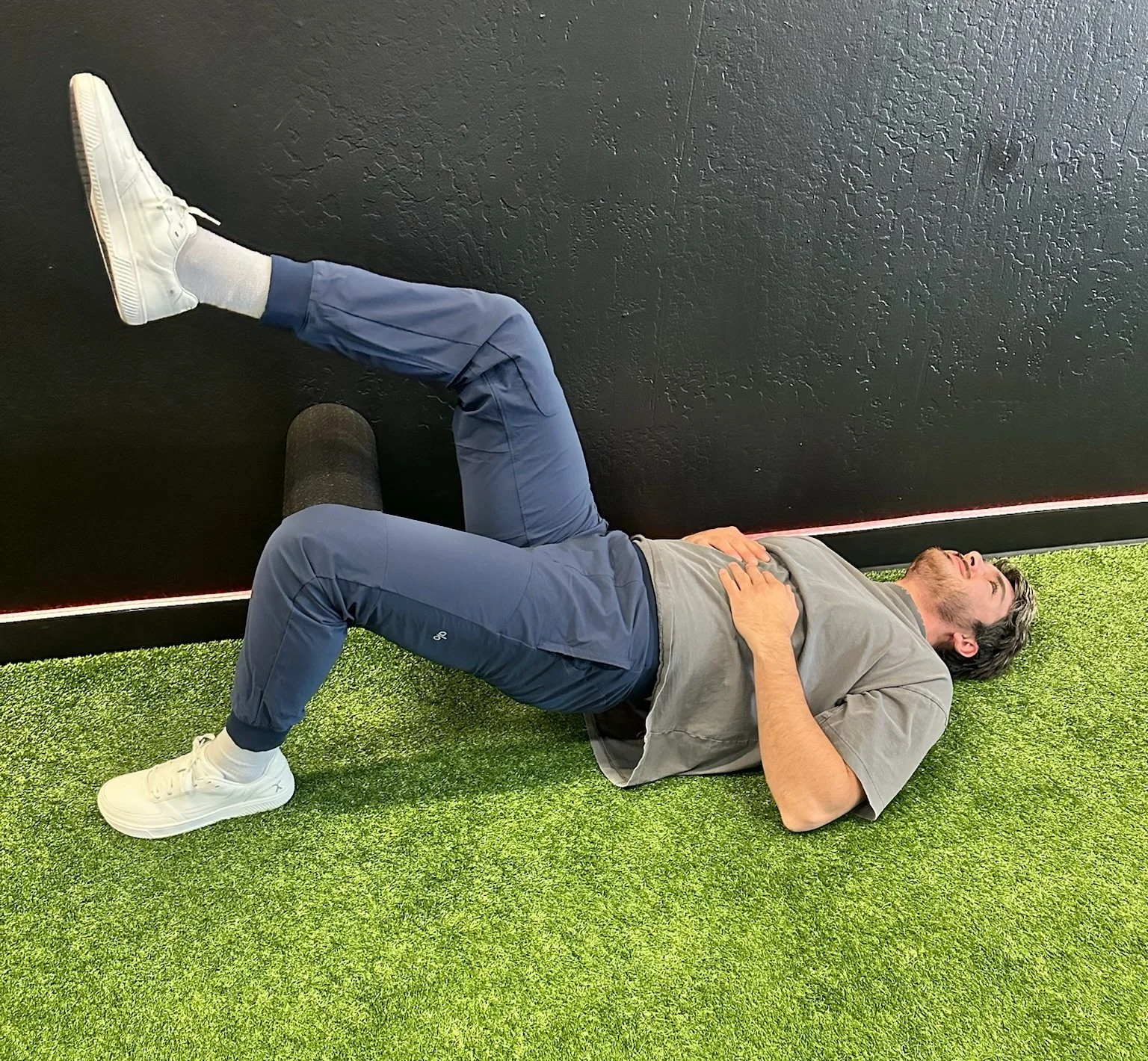
Chronic back pain comes with flare-ups. We give you the tools to manage them when they happen, including strategies to calm symptoms quickly, how to modify activity without losing progress, and long-term maintenance strategies that reduce the frequency and severity of future episodes.
-
Dry Needling & Manual Modalities
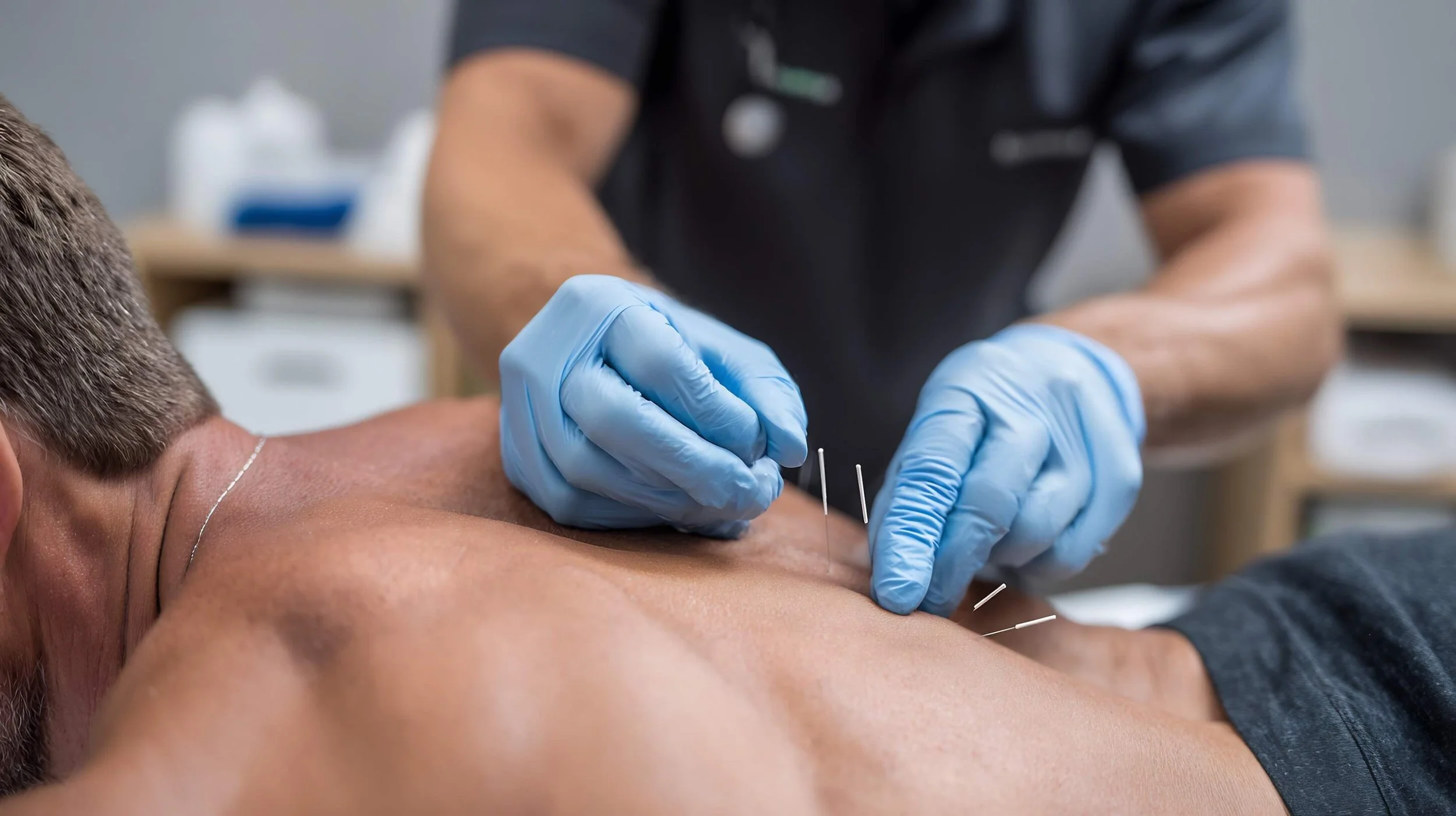
When appropriate, dry needling, cupping, and IASTM can create short-term changes in the nervous system that make it easier for progressive exercise to take hold. These aren't the answer on their own. But they can meaningfully accelerate the process when used as part of a larger plan.
-
MLS Grade IV Laser Therapy
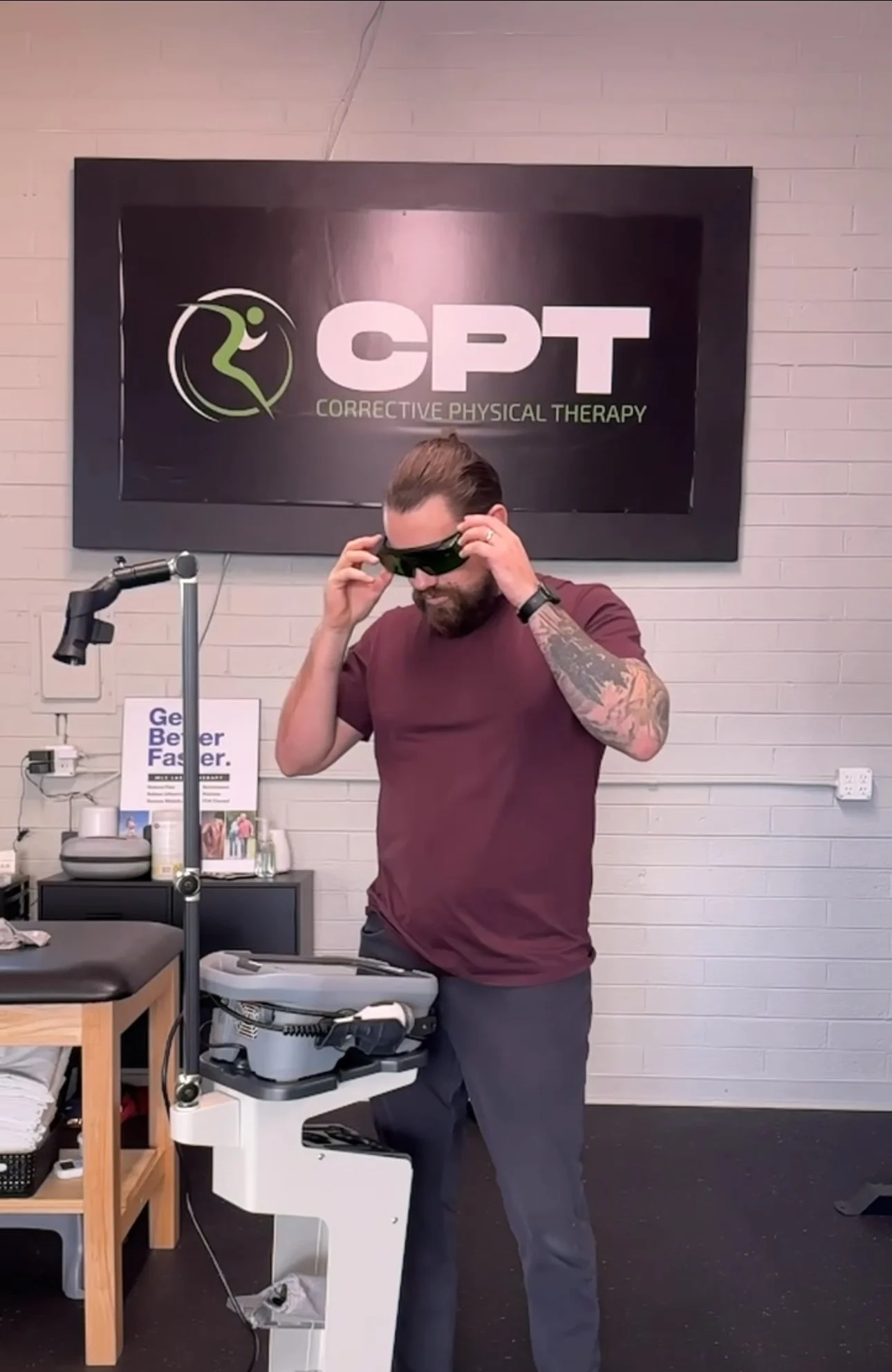
Advanced laser therapy to help reduce inflammation and support tissue healing during painful flare-ups or when irritability is limiting progress with loading.
Patient Testimonials
Threw my back out in January, he had me back to zero pain and full ROM within the first couple of sessions. I don’t know what voodoo he did but my back hasn’t felt this good in years!
— Tevin J.Dr Matt is incredible. I hurt my lower back during a workout. I was feeling pretty bad about it in both mind a body. Dr Matt talked me through the process, made me feel better about my mistake (even though it was stupid of me), and put together a game plan to get me better. He treated the acute pain right away and made me feel like we were on the right track going forward. He definitely has the knowledge to not only help me recover, but to give me tools to ensure I come back stronger and put me the best position so the injury is less likely to reoccur. There are a lot of good PT’s out there but I’m confident Dr Matt is one of the best.
— Neal M.Dr. Matt Brown is the best physical therapist I’ve ever worked with. I suffered from constant back issues for most of my life and had seen several PT and Chiropractors in the past. None came close to Dr. Matt’s expertise. He not only fixed my back pain, but taught me how to correctly do many exercises I struggled to do in the past. I cannot recommend him enough. Thank you again Dr. Matt!
— Nicholas G.Why Patients Choose Corrective Physical Therapy
Most physical therapy clinics are built for volume. You get 20 minutes with a therapist, get handed off to an aide, and go home with the same exercise sheet they've been handing out to everyone else since 1998.
That's not how we work.
What Makes CPT Different?
1-on-1 treatment sessions

Sports rehab expertise

¡Sí, hablamos español!

Full 60-minute evaluations

Focus on active adults and former athletes

Education that helps you understand your pain

Personalized rehab plans

Evidence-based treatment

Locations in Scottsdale & Arcadia
Physical Therapy for Chronic Low Back Pain in Scottsdale & Arcadia, AZ
Corrective Physical Therapy provides personalized, 1-on-1 physical therapy for chronic low back pain, recurrent back injuries, lumbar instability, disc-related pain, and movement dysfunction in Scottsdale and Arcadia, Arizona.
Whether you've been dealing with this for months or years, whether you've tried everything and nothing has stuck, whether you've been told your back is just bad...our team is here to show you a different path.
Because at Corrective Physical Therapy… We don't fix fragile. We build resilient.

Meet the Doctors

Dr. Matthew Brown PT, DPT, SCS
Founder & Performance SpecialistDr. Matthew Brown is a sports physical therapist who helps active adults and athletes recover from injuries, improve performance, and return to the activities they enjoy. As the founder of Corrective Physical Therapy, he combines advanced sports rehabilitation training with strength and movement-based treatment to address the root cause of pain and keep patients performing at their best.
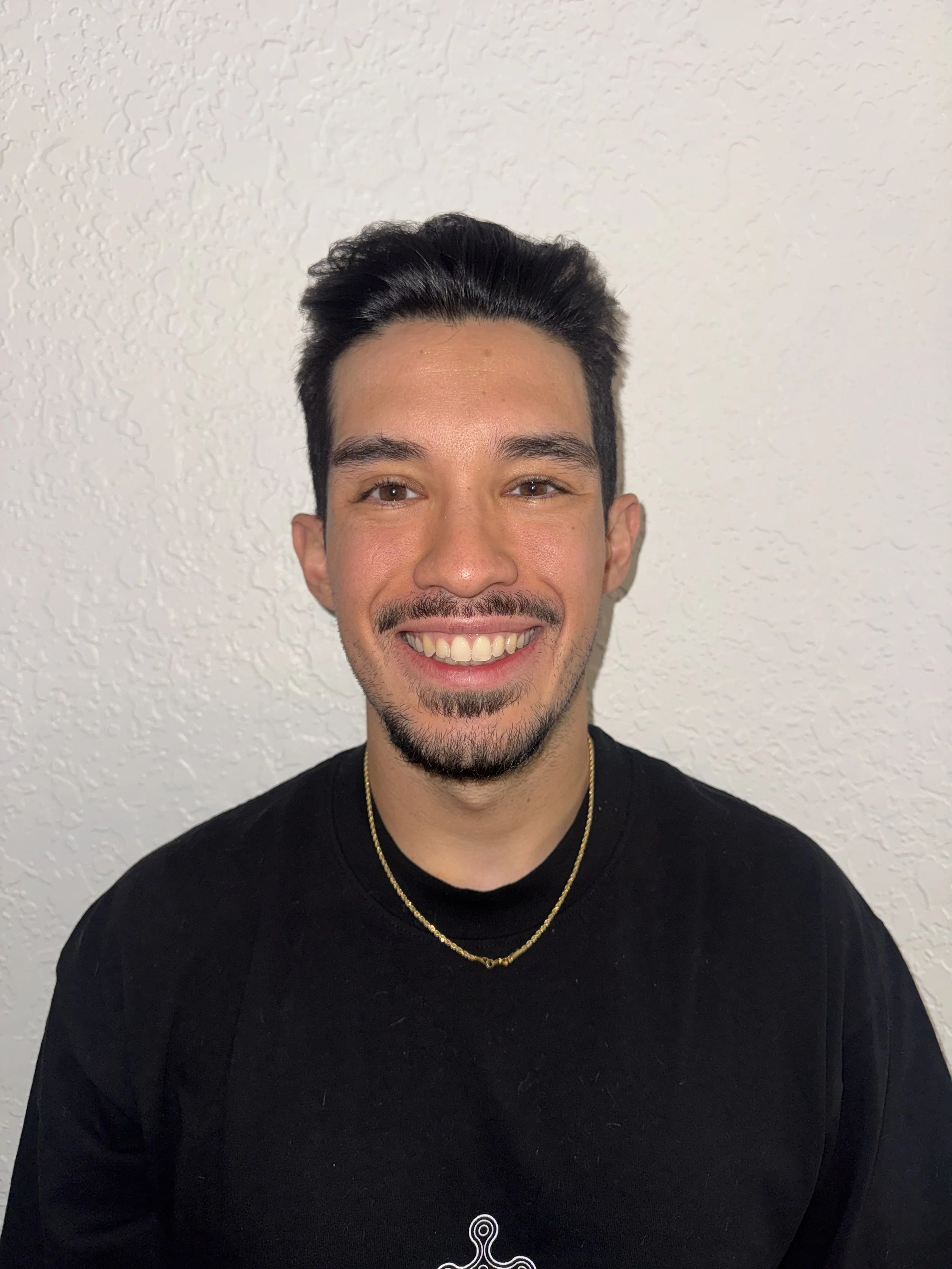
Dr. Daniel Paredes, PT, DPT, CSCS
Physical Therapist | Sports Performance & Running SpecialistDr. Danny Paredes is a sports physical therapist who helps runners, athletes, and active adults overcome pain, improve performance, and return to training with confidence. Combining his background in strength and conditioning, competitive athletics, and evidence-based rehabilitation, he bridges the gap between rehab and performance to help patients move better and achieve their goals.
Chronic Low Back Pain FAQs
-
Yes. Chronic pain is not a permanent sentence. The body adapts toward pain and protection, but with the right input it adapts toward resilience and function. We have helped patients with years of chronic back pain return to lifting, playing sports, and living without daily pain. It takes a specific, progressive plan and consistency. But it is absolutely achievable.
-
PT that didn't work usually means the approach wasn't right, not that PT can't help you. If your previous program consisted of bridges, clamshells, and heat packs without progressive loading and education, you haven't experienced what evidence-based chronic low back pain rehabilitation actually looks like. The approach at CPT is fundamentally different.
-
For most people, yes, with appropriate progression. Strengthening the lumbar spine, hips, and posterior chain directly is one of the most effective treatments for chronic low back pain. The key is knowing how to start, how to progress, and how to distinguish between productive discomfort and pain that signals a problem. That's exactly what we teach.
-
Less than most people think. Disc findings on MRI are extremely common in people with no pain. What matters more than the structural finding is your movement quality, your strength, and your nervous system's current sensitivity to load. We have worked with patients who had significant disc findings and made complete returns to sport and heavy training.
-
It depends on how long you've had it, how deconditioned the supporting musculature has become, and how consistently you engage with the program. Most patients begin to see meaningful improvement within the first several weeks. Full recovery to high-level activity typically takes longer and requires a genuine commitment to progressive loading over time. Dr. Matt's own recovery took about a year of systematic work. Most patients don't need that long, but setting realistic expectations matters.