


Ankle Sprains & Achilles Tendonitis Physical Therapy in Scottsdale & Arcadia
1-on-1 Physical Therapy for Ankle Pain in Scottsdale & Arcadia
Ankle and Achilles pain has a way of affecting everything else…every step, every squat, every sprint.
Athletes, first responders, and active adults who have tried resting it, wrapping it, and pushing through….all without lasting results, we got you.
We’re Corrective Physical Therapy. With locations in Scottsdale and Arcadia, we find the root cause of ankle and Achilles pain and build a plan to fix it — so you can move freely, train without hesitation, and stop worrying about the same ankle letting you down again.
Why Ankle Pain Keeps Coming Back
Ankle injuries are almost never just about the ankle.
A sprained ankle that doesn't fully rehab leaves behind strength deficits, balance problems, and movement compensation patterns that set you up for re-injury…sometimes in the same ankle, sometimes further up the chain in the knee, hip, or low back. And Achilles tendonitis isn't a flexibility problem. It's a loading problem. The tendon hurts because it can't handle the forces being put through it, and no amount of stretching changes that.
That's why so many people end up with chronic ankle instability or recurring Achilles flare-ups. The pain went away, but the underlying deficit never got addressed
What We Actually See in Athletes with Ankle & Achilles Problems
We work with runners, basketball players, football players, first responders, and active adults who come in with some version of the same story. They sprained their ankle, it "healed," and now it keeps rolling. Or they developed Achilles soreness during a training block, backed off for a few weeks, and the pain came right back the moment they ramped up again.
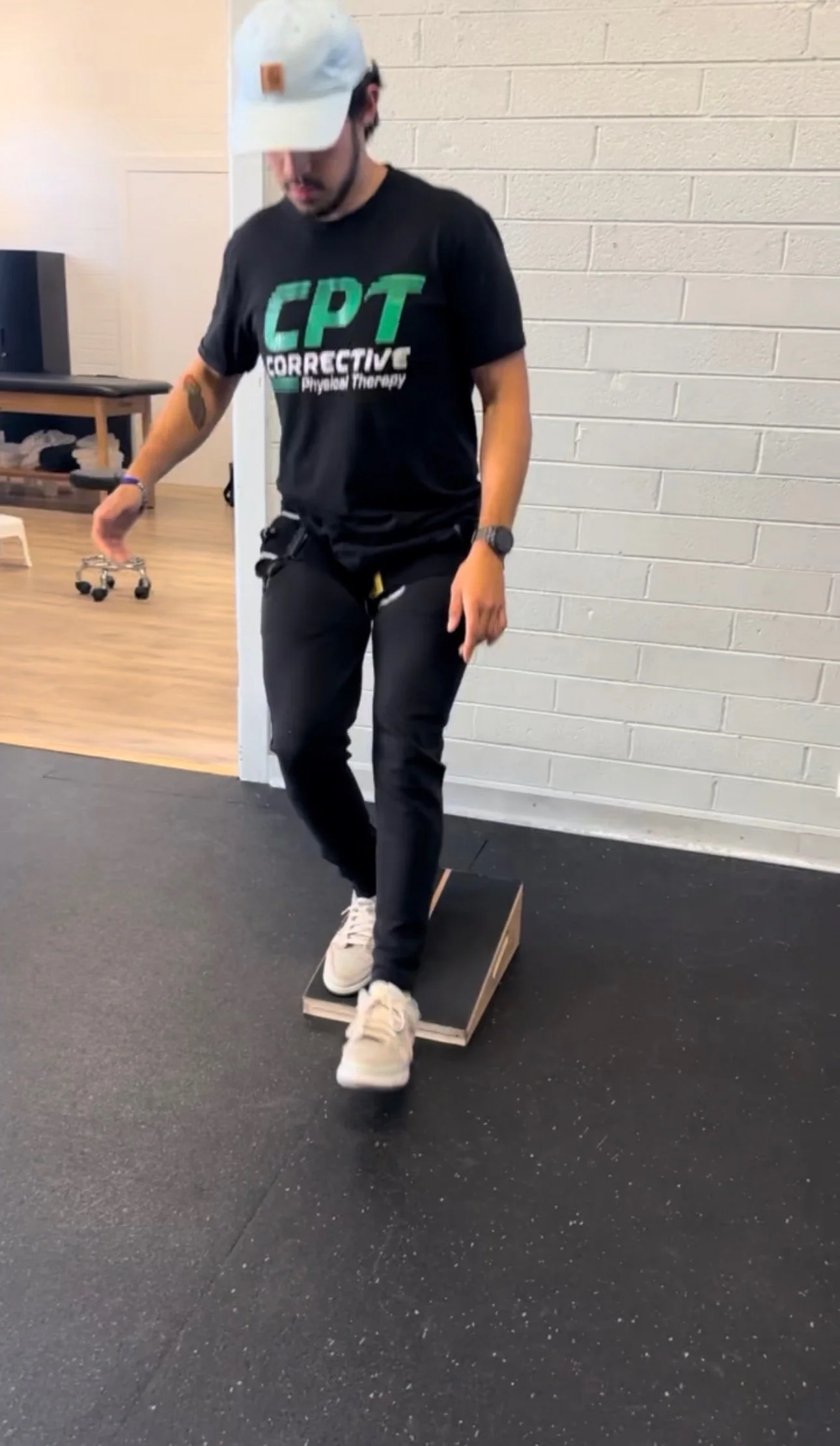
The honest truth is that rest is not a treatment plan. It's a pause. Real recovery from an ankle sprain means restoring proprioception, your body's ability to sense where the ankle is in space and react to it. It means rebuilding the strength and stability of the muscles around the joint. It means progressively reintroducing the movements that matter to you — jumping, cutting, changing direction, running — so your ankle is ready for sport, not just daily life.
And for Achilles tendonitis, the path forward is loading, not rest. The tendon becomes resilient by being exposed to force progressively and intelligently. That's the only way to actually grow the tendon's capacity to handle what you're asking of it.
That's what we do at CPT.
What Does Ankle or Achilles Pain Actually Feel Like?
Whether you're dealing with a recent sprain, a chronic instability issue, or Achilles pain that's been building for months, treatment needs to be specific to you…not generic and not a checklist prescribed by someone who's never even met you.

Symptoms vary depending on the injury, but commonly include:
Pain or instability with cutting, pivoting, or change of direction
Swelling or stiffness after activity
A feeling that the ankle "gives way"
Pinching or restriction in the front of the ankle during squats or deep bending
Soreness along the back of the heel or lower calf
Achilles stiffness that's worst in the morning or after sitting
Pain that improves with warmup but returns after activity
Calf tightness that stretching never fully resolves
Difficulty pushing off during running or jumping
Why "Just Stretch Your Calf" Isn't the Answer for Achilles Pain
The most common advice people get for Achilles tendonitis is to stretch the calf. And while calf and soleus mobility matters, stretching alone doesn't fix tendon pain.
Here's why:
Tendon pain comes from the tendon's inability to handle the forces being transferred through it. The solution isn't to loosen it. It's to load it. High-intensity short-duration holds, and low-intensity long-duration holds are both effective strategies for building tendon resilience, but they need to be dosed correctly and progressed over time.
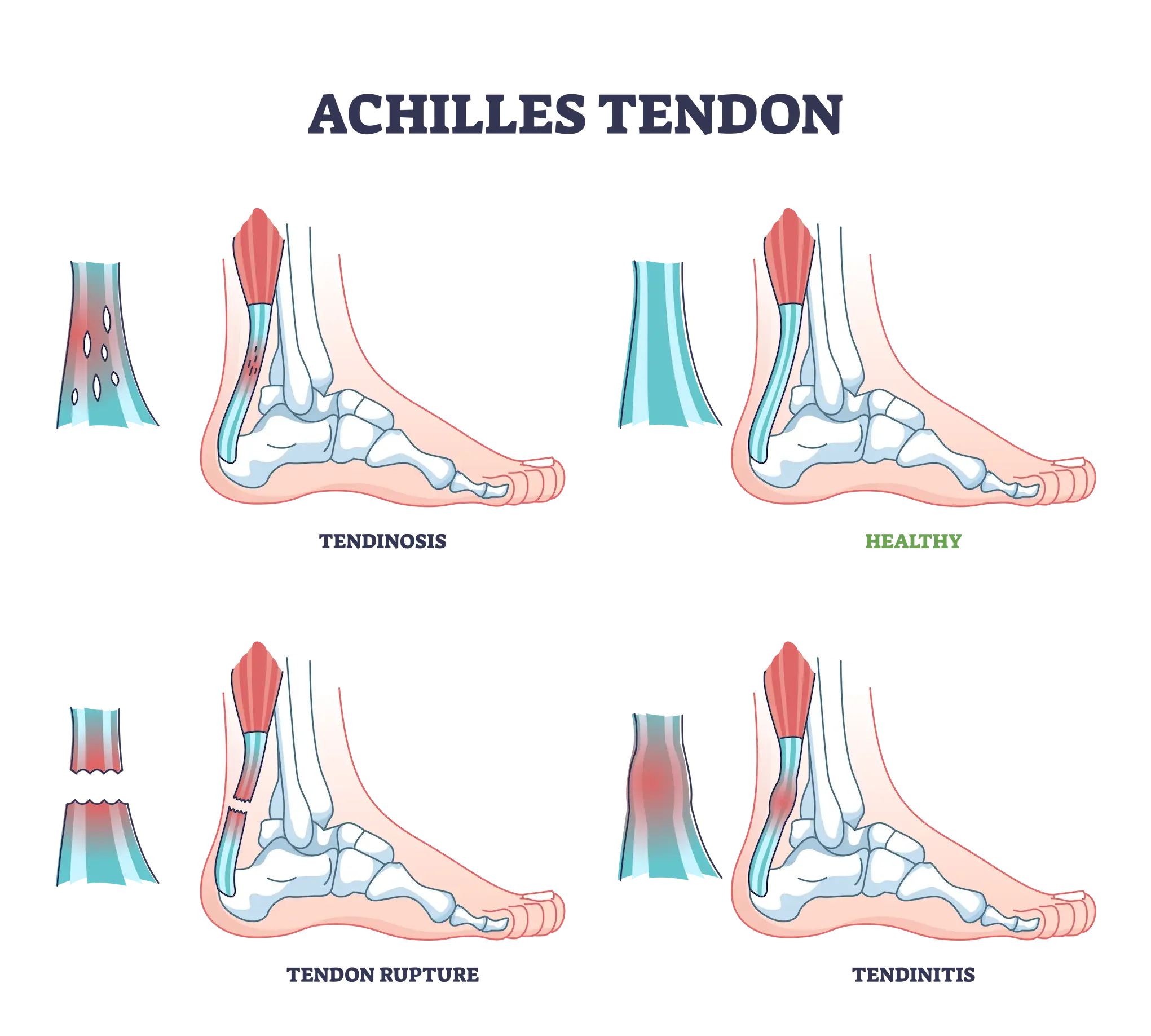
Stretching can be part of the picture. But if that's all you're doing, you're addressing a symptom, not the problem.
Conditions We Treat Related to Ankle & Achilles Pain
Lateral ankle sprains
Chronic ankle instability
Achilles tendonitis and tendinopathy
Plantar fasciitis
Peroneal tendonitis
Movement dysfunction related to ankle mobility restrictions
Calf strains
Ankle impingement
Running-related ankle and foot injuries
Sports-related ankle injuries
Post-surgical ankle rehab
Posterior tibialis tendonitis
Ankle & Achilles Exercises: What Actually Works [Videos]
Here are two movements that address the most common deficits we see in athletes and active adults dealing with ankle and Achilles problems:
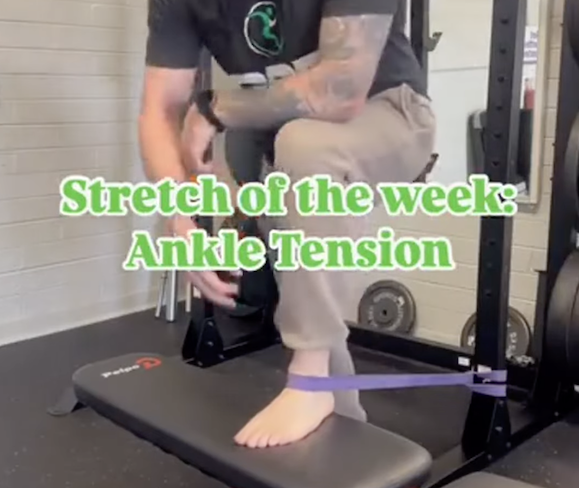
Banded Ankle Dorsiflexion Mobilization
Place a resistance band around the bottom part of your ankle bones with the band anchored behind you. Step forward to create tension, then drive your knee forward over your toes while the band pulls the joint back into position. This helps restore the gliding motion at the ankle joint that often gets restricted after a sprain or with chronic stiffness. Ten-second holds, 10 reps. If you feel pinching in the front of your ankle during squats or deep bending, this one is for you.
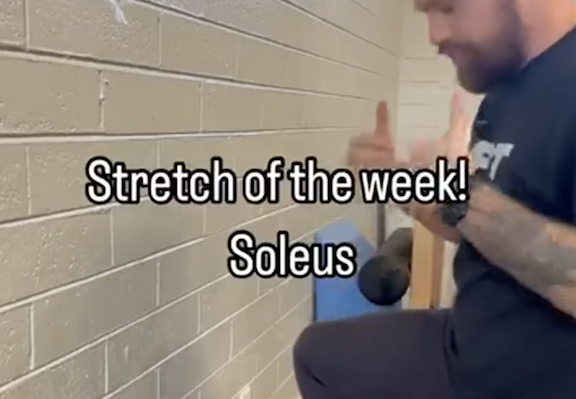
Soleus Stretch with Toe Elevation
Place your big toe up on a foam roll or a towel roll and slowly drive your knee forward over it. Hold three to four seconds and return. This targets the soleus — the deeper of the two calf muscles — which plays a major role in ankle mobility, Achilles load management, and lower leg function during running. If you have Achilles tendonitis, plantar fasciitis, or general foot and ankle stiffness, this is one of the most effective and underused tools you have.
Done consistently — three times a week, progressive over time — these movements build the foundation that keeps ankles healthy under real training demands.
Our Approach to Ankle & Achilles Rehab
At Corrective Physical Therapy, every session is 1-on-1 with a licensed Doctor of Physical Therapy. No aides. No rotating tables. No cookie-cutter exercise handouts.
We start by assessing how your ankle moves, where your mobility restrictions are, how your balance and stability hold up under load, and what activity demands we need to get you back to. From there, we build a plan.
Depending on your presentation, your treatment may include:
-
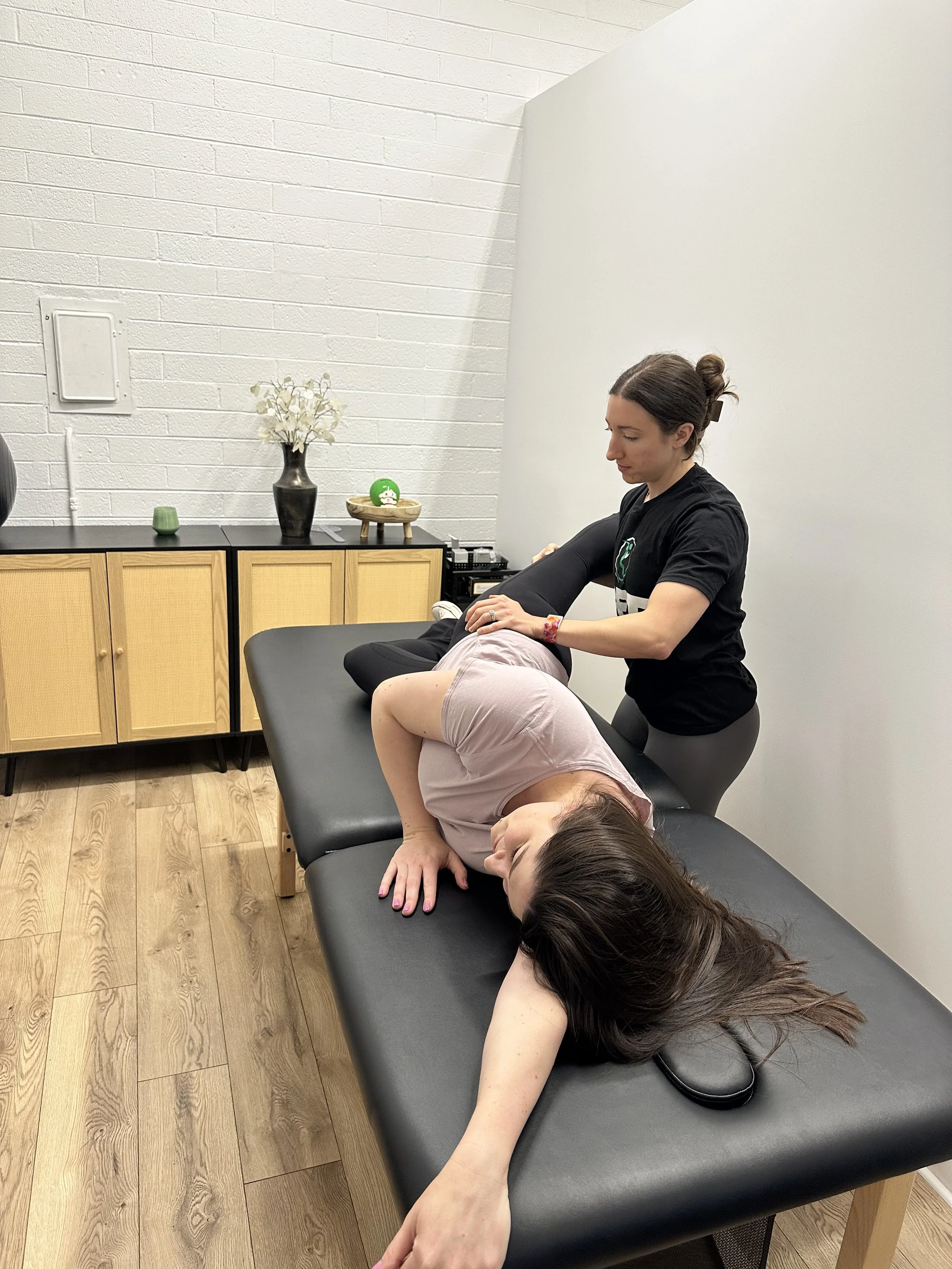
Manual Therapy & Hands-On Treatment
Targeted hands-on therapy to improve ankle joint mobility, reduce stiffness, and restore movement quality…particularly the dorsiflexion range of motion that affects everything from squatting and running to jumping and landing.
-
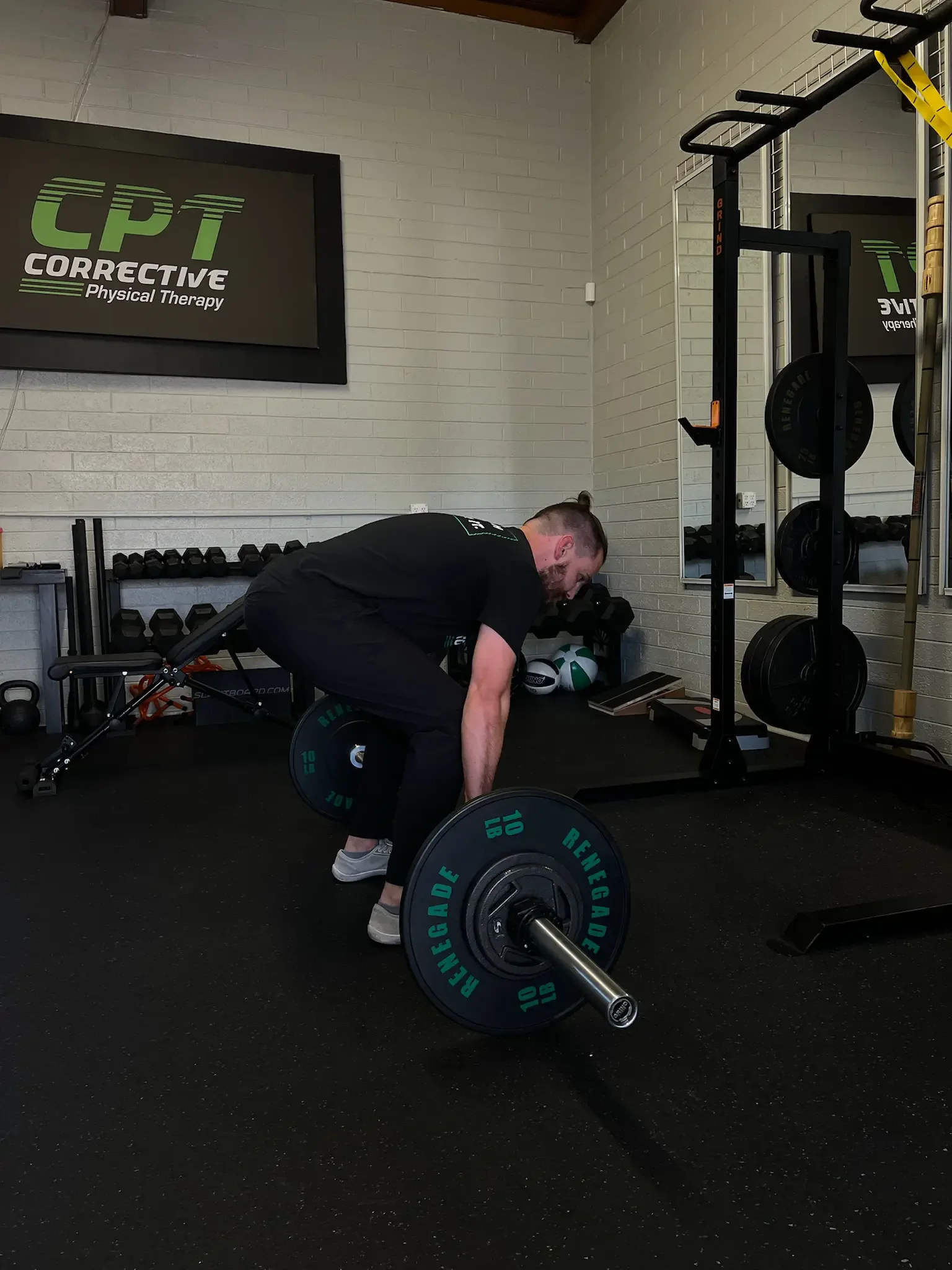
Progressive Strength & Loading
For Achilles tendonitis especially, this is the most important part of recovery. The tendon needs to be loaded — progressively and intelligently — to become more resilient and build the capacity to handle the forces of your sport or training. We use a combination of isometric holds, eccentric loading, and progressive strength work to get there.
-

Proprioception & Stability Training
After an ankle sprain, your body's ability to sense and react to the joint's position is often compromised, even after the pain is gone. We retrain that system, so your ankle responds the way it needs to during unpredictable movements like cutting, landing, or running on uneven surfaces.
-

Movement Retraining
With movement retraining, we look at how you run, squat, jump, and land and address the compensation patterns that are either contributing to your ankle problem or developing because of it.
-
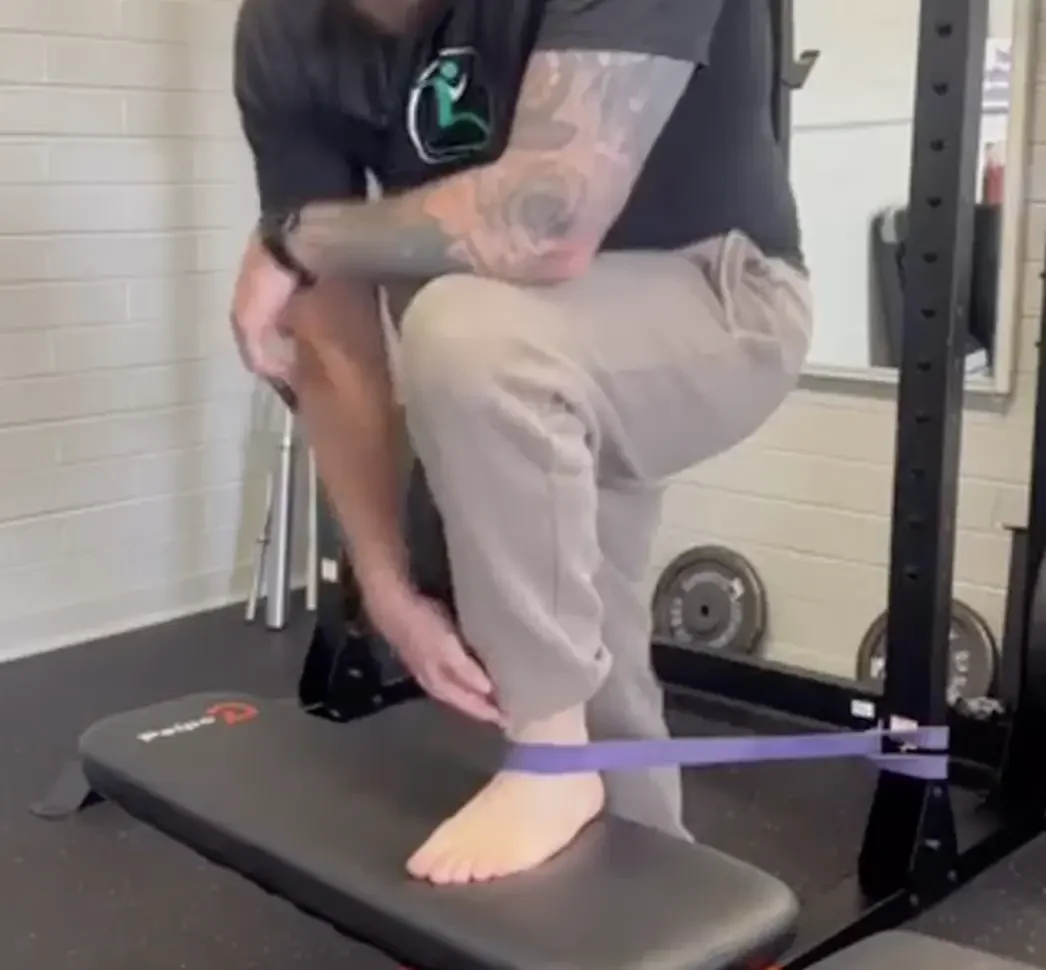
Mobility Work That Carries Over
Ankle dorsiflexion (how far your knee can travel over your toes) directly affects your ability to squat deeply, absorb impact, and run efficiently. We use targeted mobility strategies, including banded joint mobilizations and active range of motion work, to restore and maintain that motion.
-
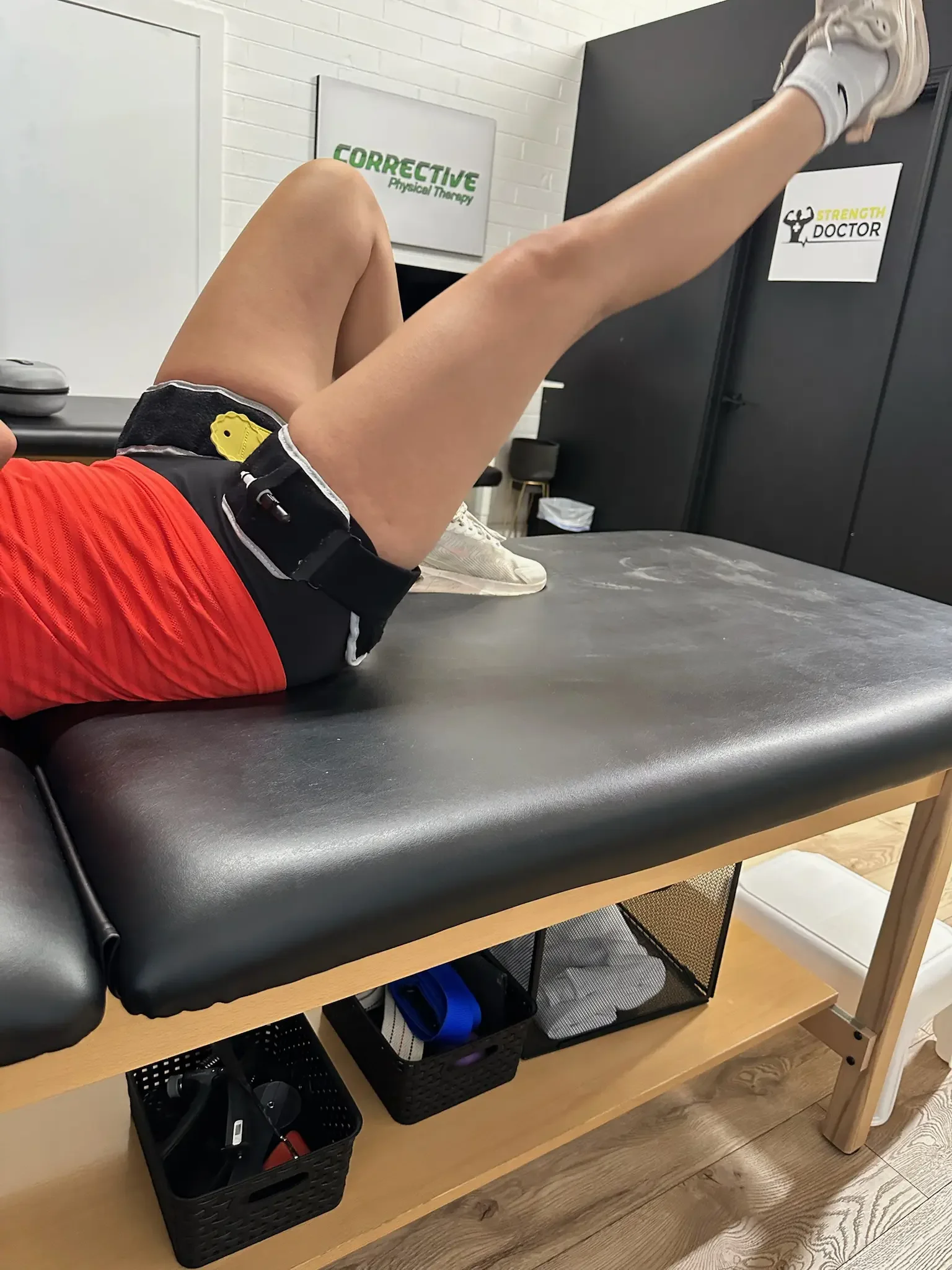
Blood Flow Restriction (BFR) Training
When loading the ankle directly is too painful in early recovery, BFR allows us to build strength in the surrounding muscles using lighter loads, without putting excessive stress on the injured tissue.
-
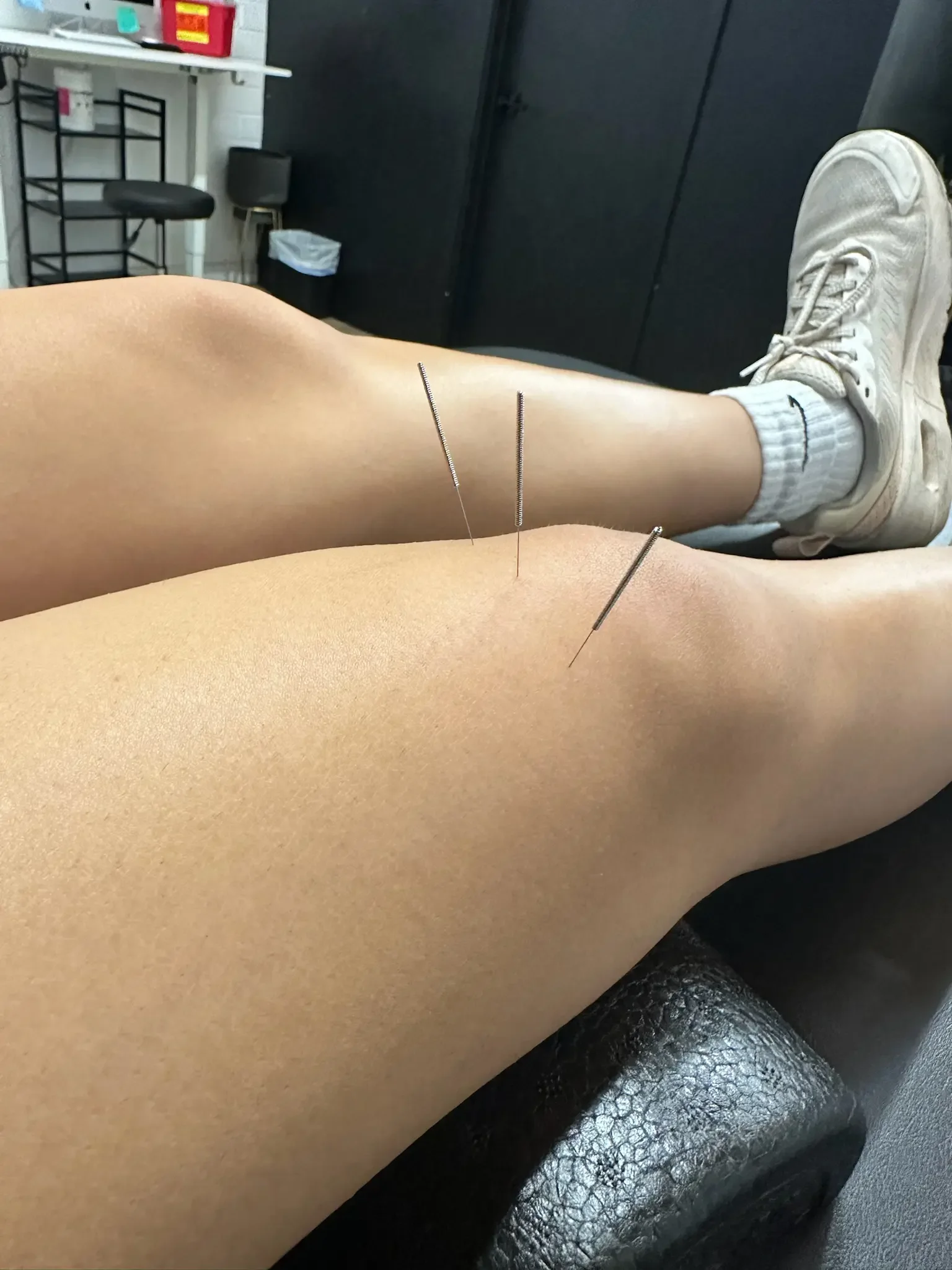
Dry Needling
When appropriate, dry needling can help reduce muscular tension in the calf, soleus, and surrounding tissue to improve movement quality and decrease irritability.
-
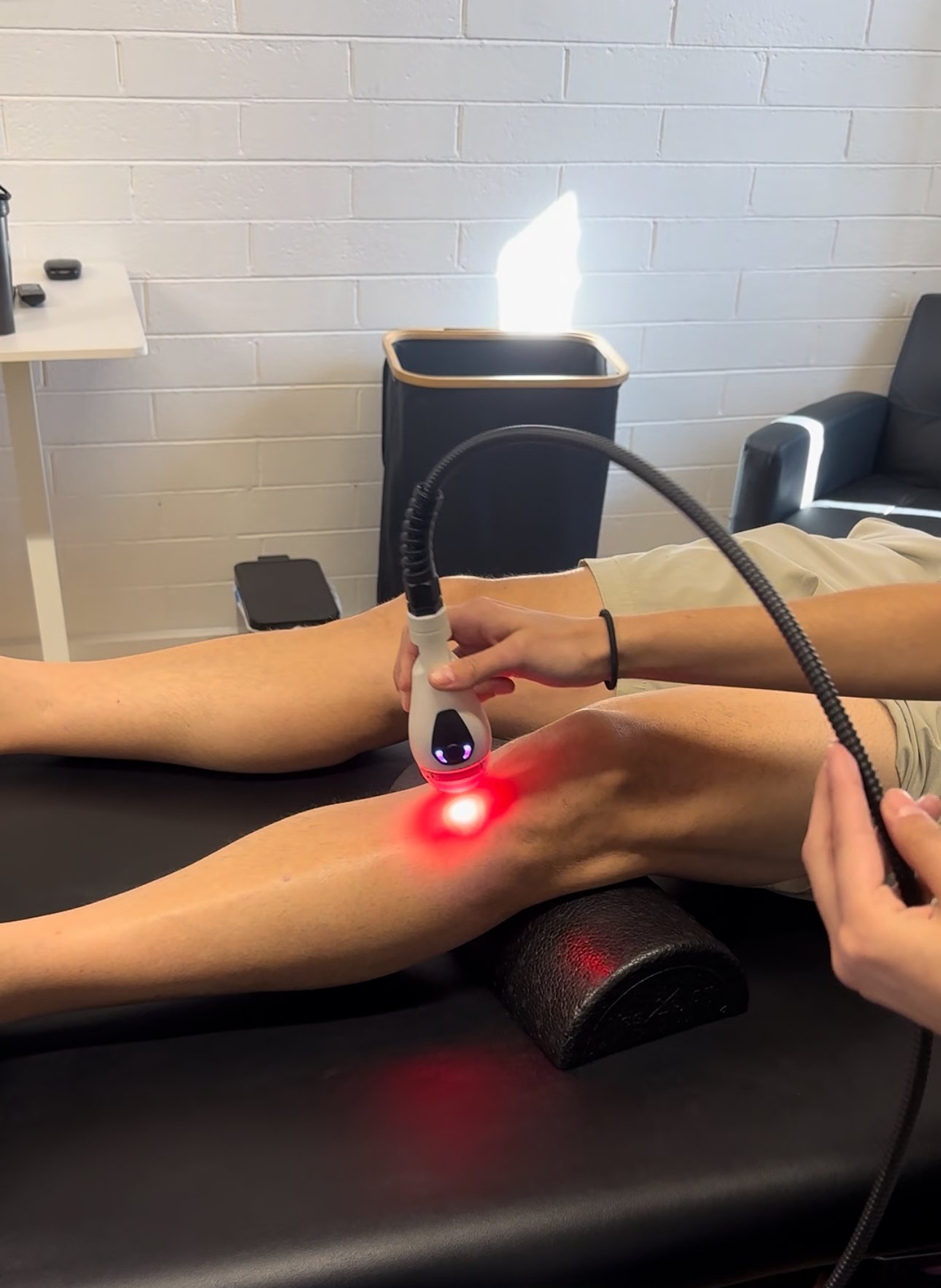
MLS Grade IV Laser Therapy
Advanced laser therapy to help reduce inflammation and support tissue healing, particularly useful in the early stages of Achilles tendonitis or following an acute sprain.
Patient Testimonials
I have been going to Dr. Matt for a few months and have seen a lot of improvement. We mostly work on ankle mobility, knee and lower back strengthening. He is great to work with!
— Brandon M.I rolled my ankle playing basketball, and Dr. Brown was very knowledgeable in treating my immediate symptoms and strengthening my ankle. He also identified some underlying characteristics that made me more susceptible to rolling my ankle, and he addressed those in our sessions as well. Dr. Brown takes the time to get to know his patients and their goals, and I would highly recommend him.
— Nic M.Dr. Brown is amazing! I’ve had pain on my achilles for a very long time now. Dr. Brown worked with me and after just a week I can really feel a relief! I would definitely recommend him if you have any type of body pain or discomfort!!
— Julian R.Why Patients Choose Corrective Physical Therapy
Most physical therapy clinics are built for volume. You get 20 minutes with a therapist, get handed off to an aide, and go home with the same exercise sheet they've been handing out to everyone else since 1998.
That's not how we work.
What Makes CPT Different?

1-on-1 treatment sessions

Sports rehab expertise

¡Sí, hablamos español!

Full 60-minute evaluations

Focus on active adults and former athletes

Education that helps you understand your pain

Personalized rehab plans

Evidence-based treatment

Locations in Scottsdale & Arcadia
Physical Therapy for Knee Pain in Scottsdale & Arcadia, AZ
Corrective Physical Therapy provides personalized, 1-on-1 physical therapy for ankle sprains, Achilles tendonitis, chronic ankle instability, and sports-related foot and ankle injuries in Scottsdale and Arcadia, Arizona.
Whether you're trying to get back on the court, return to running, or just move through your day without your ankle being a constant concern, our team is here to help you figure out what's actually driving the problem and build a plan to fix it for good.
Because at Corrective Physical Therapy… We don't fix fragile. We build resilient.

Meet the Doctors

Dr. Matthew Brown PT, DPT, SCS
Dr. Matthew Brown is a sports physical therapist who helps active adults and athletes recover from injuries, improve performance, and return to the activities they enjoy. As the founder of Corrective Physical Therapy, he combines advanced sports rehabilitation training with strength and movement-based treatment to address the root cause of pain and keep patients performing at their best.
Founder & Performance Specialist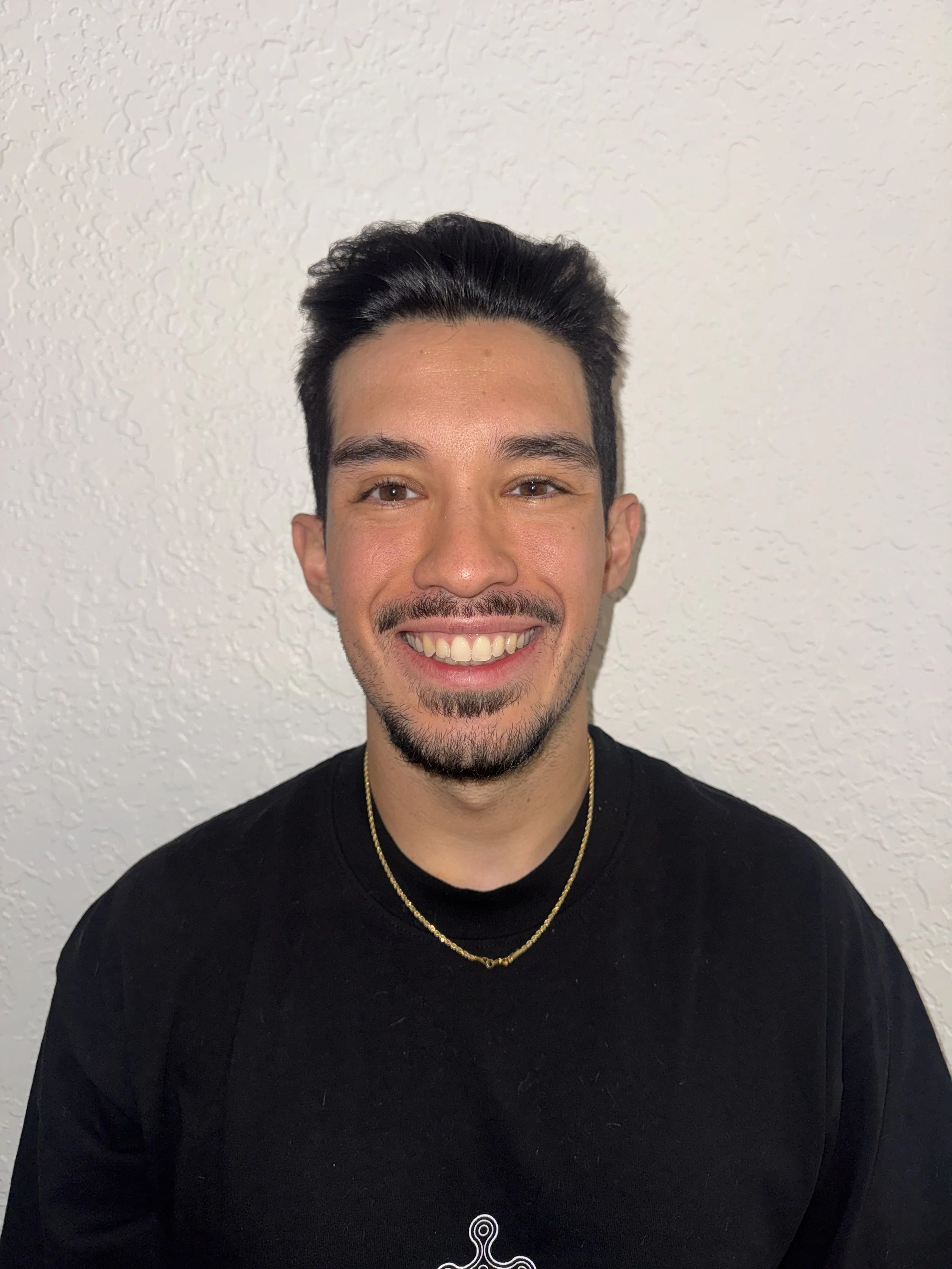
Dr. Daniel Paredes, PT, DPT, CSCS
Physical Therapist | Sports Performance & Running SpecialistDr. Danny Paredes is a sports physical therapist who helps runners, athletes, and active adults overcome pain, improve performance, and return to training with confidence. Combining his background in strength and conditioning, competitive athletics, and evidence-based rehabilitation, he bridges the gap between rehab and performance to help patients move better and achieve their goals.
Ankle & Achilles Pain FAQs
-
Not always. Most ankle sprains can be accurately assessed through a physical examination. Imaging is typically recommended when there's concern about a fracture — something we can help screen for using established clinical guidelines. If imaging is warranted, we'll refer you to the right provider.
-
It depends on the severity of the sprain and how well the underlying deficits get addressed. A mild sprain with proper rehab can resolve in a few weeks. More significant sprains — or those that weren't fully rehabbed the first time — may take longer and require a more progressive strength and stability program to prevent re-injury.
-
It depends on the level of irritability and where you are in the loading process. Some level of discomfort during a structured loading program can be appropriate. But running through sharp, worsening Achilles pain without guidance typically makes the tendon more reactive and extends recovery time. A proper assessment helps determine what your tendon can currently tolerate and how to progress from there.
-
Morning stiffness and pain that improves with movement is a classic sign of Achilles tendinopathy. The tendon becomes compressed and irritated during rest and takes time to warm up. This pattern is an important indicator that tells us a lot about where you are in the rehab process and how to structure your loading program.
-
Yes. Ankle mobility restrictions and instability frequently contribute to compensation patterns further up the chain. Limited dorsiflexion, for example, affects how you squat, run, and absorb impact — which can overload the knee, hip, and low back over time. Addressing ankle function is often part of resolving pain in other areas.
-
Yes. Running-related ankle and Achilles injuries are among the most common things we see at CPT. Dr. Danny Paredes specializes in running injuries and brings his background as a competitive marathon runner to every assessment. We look at your running mechanics, foot strike, loading patterns, and strength deficits to build a return-to-run plan that's built around you.
-
Tendonitis refers to acute inflammation of the tendon, while tendinopathy is a broader term that describes chronic tendon dysfunction — often involving structural changes to the tendon tissue rather than active inflammation. The distinction matters for treatment. Most chronic Achilles issues are better described as tendinopathy, which responds well to progressive loading rather than rest and anti-inflammatories alone.
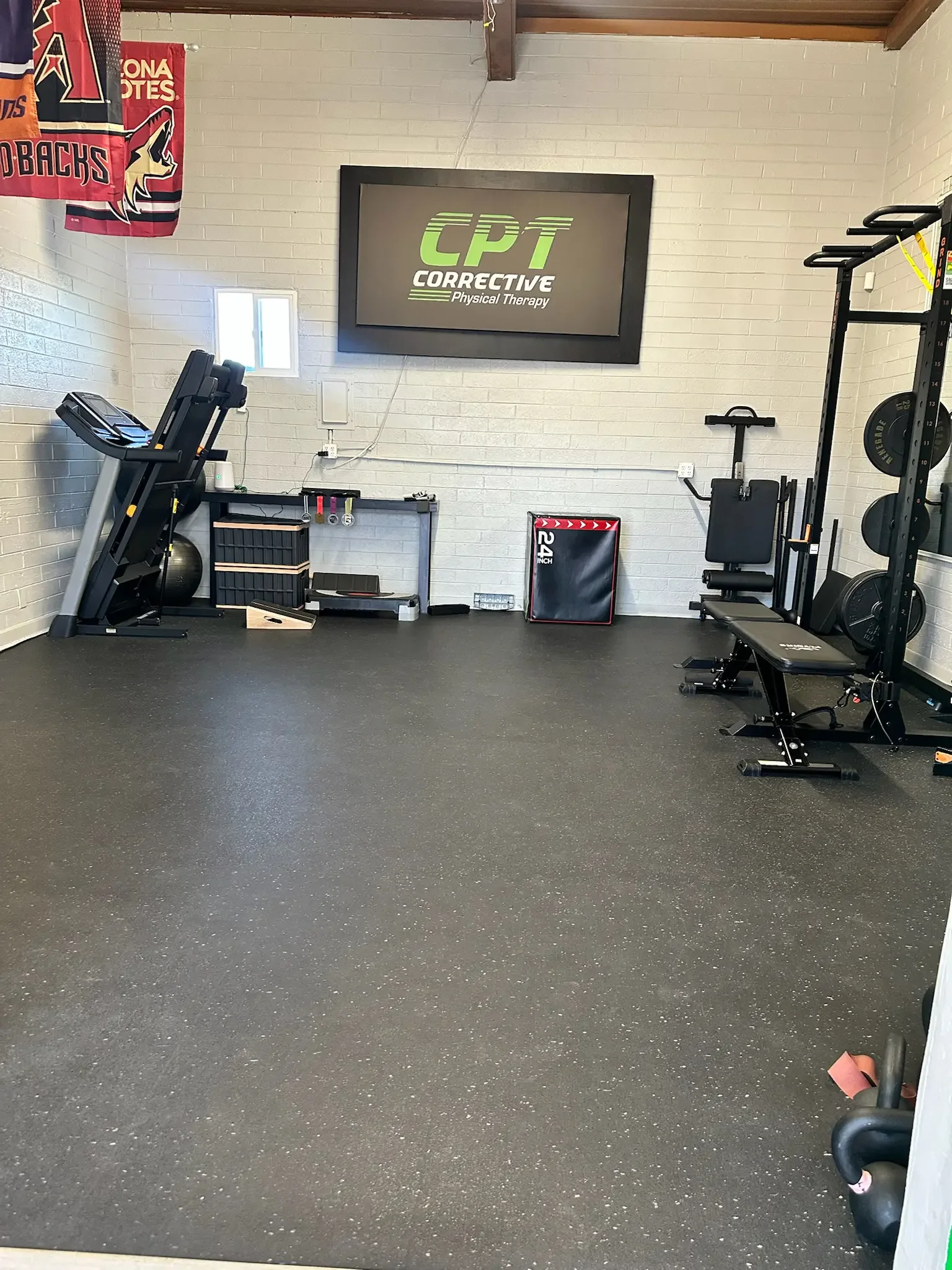
That’s what CPT does.