

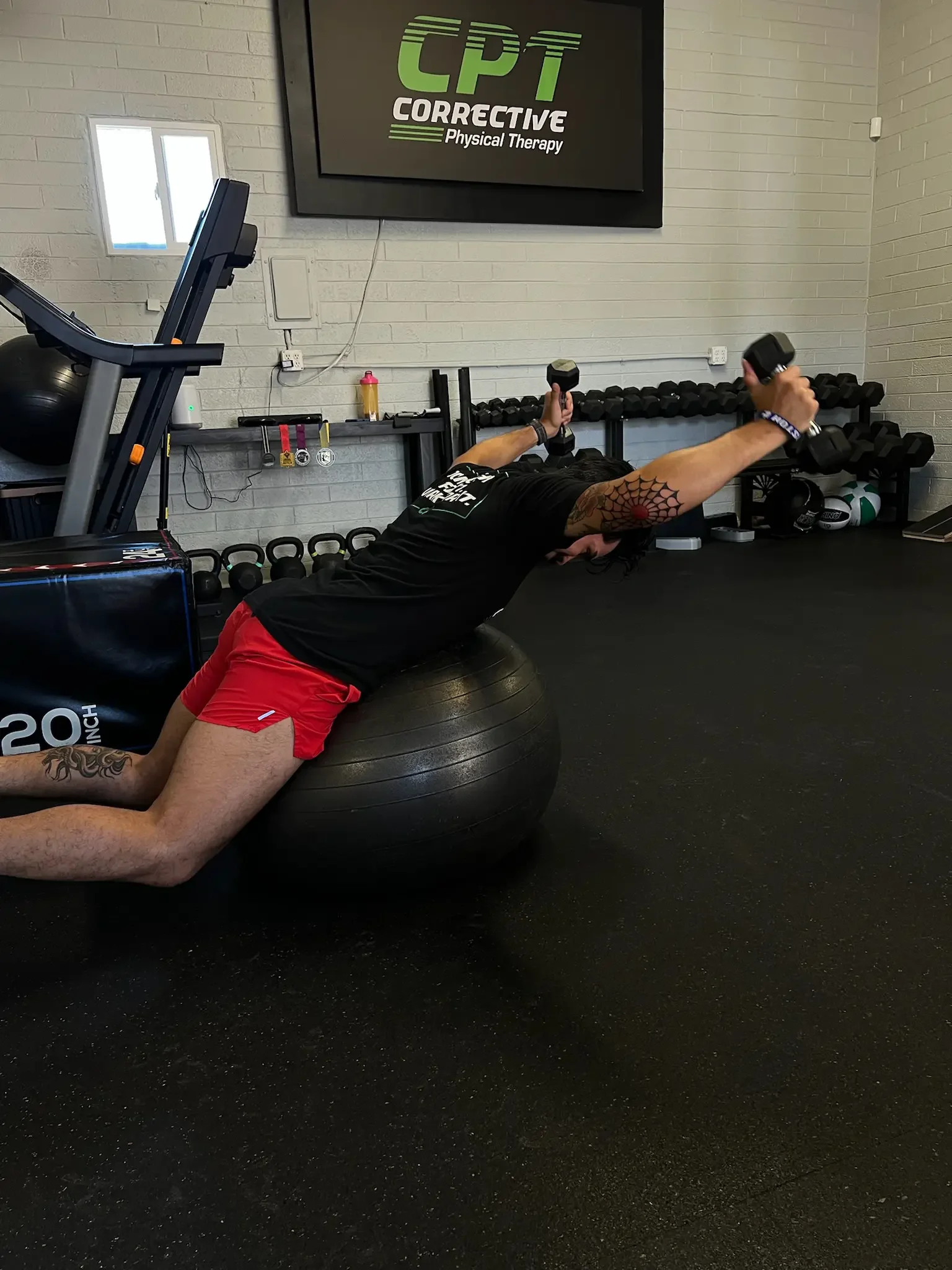
Shoulder Pain & Rotator Cuff Physical Therapy in Scottsdale & Arcadia
1-on-1 Rehab for Shoulder Pain & Rotator Cuff Injuries
Shoulder pain can be relentless, showing up in everything from lifting, throwing, reaching overhead, even just sitting at a desk and sleeping involve using our shoulders. We help athletes, first responders, and active adults who have tried resting it, icing it, or just working around it without lasting results.
At Corrective Physical Therapy in Scottsdale and Arcadia, we find the root cause of shoulder pain and rotator cuff injuries and build a plan to fix it — so you can get back to moving without your shoulder being the thing that holds you back.
Why Shoulder Pain Keeps Coming Back
Shoulder pain is rarely just a rotator cuff problem.
The rotator cuff doesn't work in isolation. It works in coordination with the shoulder blade, the mid back, and the entire upper extremity kinetic chain. When any part of that system breaks down, due to poor shoulder blade stability, limited thoracic mobility, weak external rotators, or faulty overhead mechanics, the rotator cuff ends up absorbing more stress than it can handle.
Strengthening the rotator cuff without addressing the shoulder blade is like trying to fire a cannon from a canoe. The rotator cuff muscles all originate from the shoulder blade. If the blade isn't stable, those muscles have nothing solid to pull from…which leads to dysfunction, pain, and a much higher risk of injury with any overhead or high-load activity.
This is why isolated rotator cuff exercises alone rarely solve the problem for good.
What's Actually Driving Your Shoulder Pain
At CPT we see a few patterns repeatedly in athletes and active adults with shoulder pain:
-
Shoulder blade instability...
is one of the most overlooked contributors to rotator cuff problems. Without a stable base, the rotator cuff can't function correctly, no matter how many band pull-aparts you do.
-
Posterior capsule tightness...
causes the shoulder to sit forward in the socket, creating pinching and impingement with overhead movement. It's extremely common in overhead athletes, lifters, and anyone who spends a lot of time in shoulder external rotation — baseball players, quarterbacks, tennis, and pickleball players.
-
Limited shoulder external rotation and end range strength...
is frequently the missing piece for athletes who have pain with overhead lifting, throwing, or serving. The shoulder needs not just mobility at end ranges but the strength to control and stabilize there.
-
Stiffness masking weakness...
is something most people never hear explained. When the shoulder feels chronically stiff, the instinct is to stretch it. But stiffness is often the body's way of creating stability around a joint it doesn't feel confident controlling. Stretching without addressing the underlying weakness can actually make things worse. The body just tightens back up because nothing has changed.
-
Thoracic mobility restrictions...
limit how well the shoulder blade moves and how efficiently force transfers through the upper body during pressing, pulling, and throwing. Overhead pain is frequently as much a mid-back problem as a shoulder problem.
Symptoms of Shoulder Pain & Rotator Cuff Injuries
Whether your pain came on suddenly from a specific injury or has been building gradually over months of training, treatment needs to be specific to you...not generic and not a checklist prescribed by someone who's never even met you.
Symptoms vary depending on the injury and the person, but commonly include:
Pain or pinching with overhead reaching or pressing
Aching or weakness after lifting, throwing, or serving
Shoulder pain that wakes you up at night
Stiffness that stretching never fully resolves
Pain with bench press, push-ups, or shoulder press
A sense of instability or giving way in the joint
Sharp pain at the front of the shoulder with certain movements
Decreased range of motion or strength compared to the other side
Pain that returns every time you ramp up training or return to sport
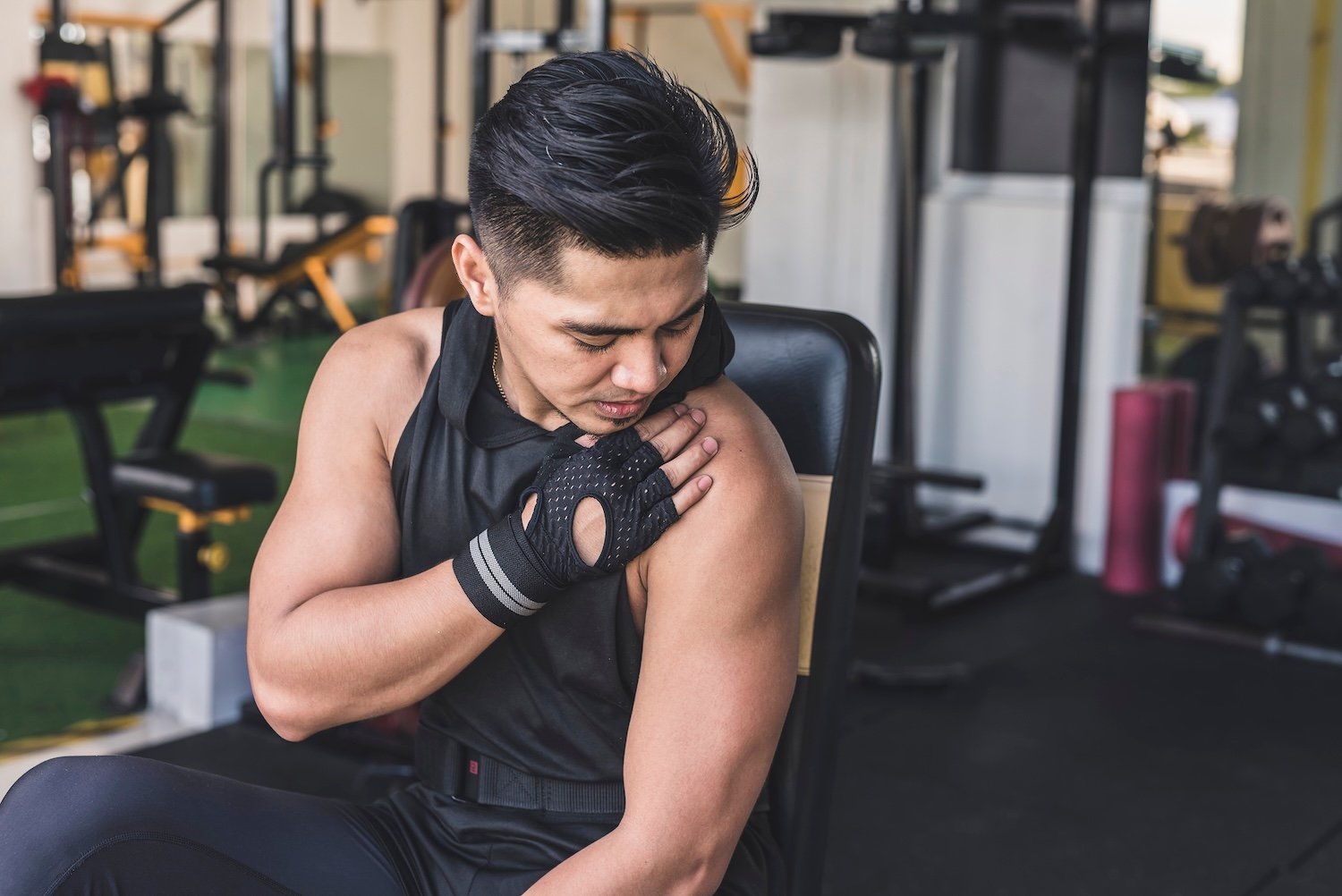
Shoulder Exercises: What Actually Works [Videos]
Here are three movements we commonly use with patients dealing with shoulder pain and rotator cuff problems:
Side Lying External Rotation
Lie on your side with a small towel roll under your elbow to position it correctly. Keep your elbow bent at 90 degrees and slowly rotate your forearm upward, then return with control. Slow and controlled is everything here. This directly targets the external rotators of the rotator cuff, which are almost universally weak in patients with shoulder pain. Three sets of 15 reps with a weight that challenges you without causing pain or compensation.
Posterior Capsule Stretch
Lie on your side and stack your shoulders to block your shoulder blade. Pull your arm across your chest until you feel a stretch in the back of the shoulder, not pinching in the front. Hold for 10 seconds, then press your elbow back into your hand for 10 seconds, and return to the stretch. Repeat 10 times. This is particularly effective for anyone dealing with anterior shoulder pinching or pain with overhead movement.
Shoulder Blade Stability Work
Learning to set and hold your shoulder blade in a stable position before loading the shoulder is the foundation that most rotator cuff programs never address. Without it, strengthening exercises are significantly less effective because the muscles have no stable base to pull from.
Conditions We Treat Related to Shoulder Pain
Frozen shoulder
Overhead lifting pain
Throwing injuries in baseball, softball, and football
Tennis and pickleball shoulder pain
Post-surgical shoulder rehabilitation
Chronic shoulder stiffness and restricted range of motion
Rotator cuff tears and tendinopathy
Shoulder impingement
Posterior capsule tightness
Shoulder instability and labral injuries
Dislocated shoulder rehabilitation
AC joint injuries
Do You Need Surgery for a Rotator Cuff Tear?
This is one of the most common questions we hear, and the honest answer is: not always.
An MRI shows structural changes. It shows that something is torn or damaged. What it doesn't show is why it was damaged, or what your shoulder is actually capable of doing. Structure and function are two different things, and function is what determines whether surgery is necessary.
The rotator cuff is made up of four muscles — the supraspinatus, infraspinatus, teres minor, and subscapularis — that surround the head of the humerus and attach to the scapula. Together they control rotation, stability, and overhead movement. When a tear occurs, it can involve the tendon pulling away from the bone, a partial tear within the tendon itself, or a full thickness tear through the tendon.
An MRI shows those structural changes. It shows that something is torn or damaged. What it doesn't show is why it was damaged, or what your shoulder is actually capable of doing. Structure and function are two different things, and function is what determines whether surgery is necessary.
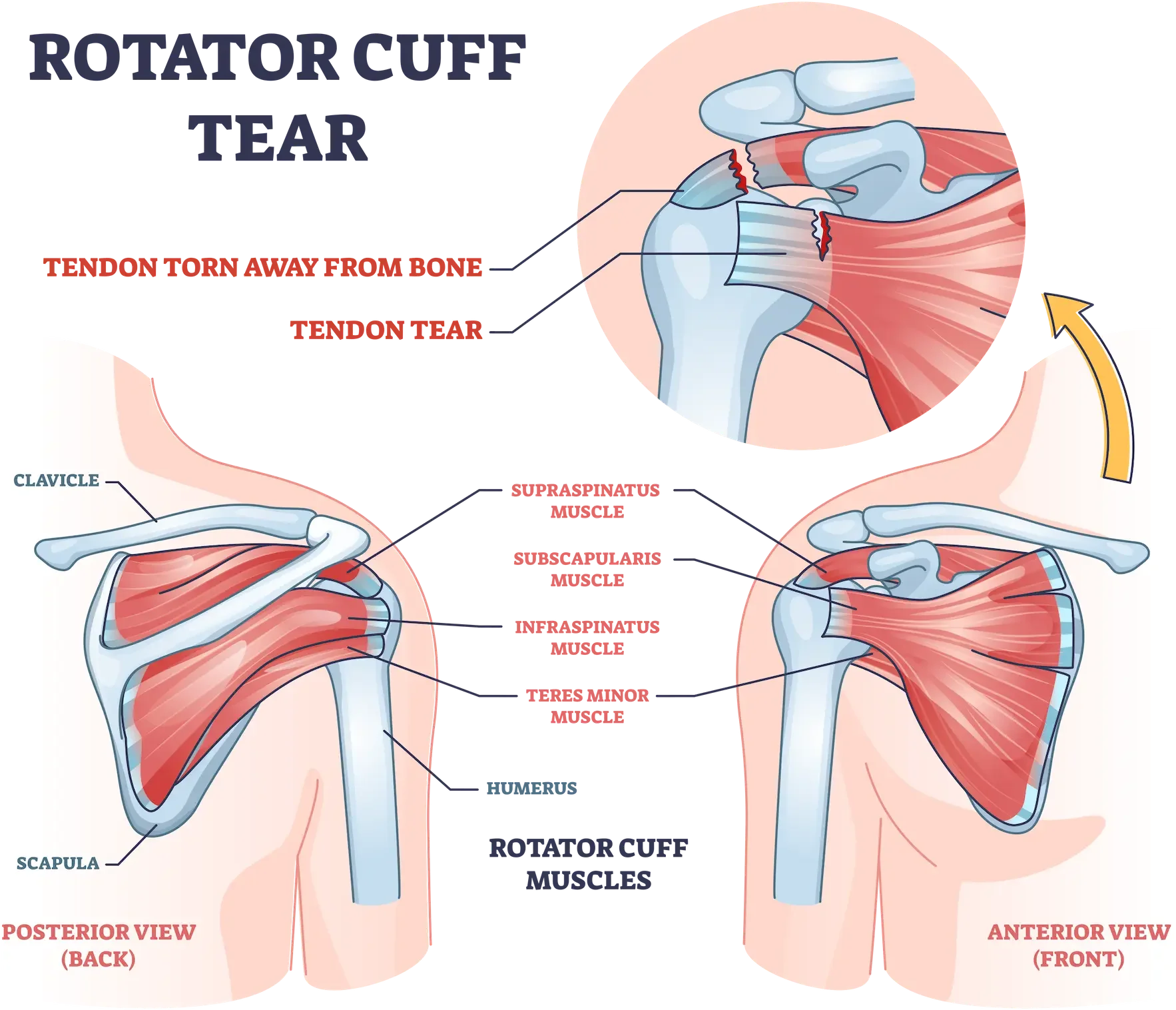
For most people, a rotator cuff tear, even a significant one, can be addressed successfully with a resistance-based, individualized physical therapy program. Surgery is typically the last option unless the severity is extreme or the injury is impacting a professional athletic career.
If you've had an MRI and been told you have a rotator cuff tear, the next step is a functional assessment with a physical therapist, not the operating room. Understanding why the injury happened and what your shoulder can currently do is far more important than the structural finding on imaging alone.
Our Approach to Shoulder Pain & Rotator Cuff Treatment
At Corrective Physical Therapy, every session is 1-on-1 with a licensed Doctor of Physical Therapy. No aides. No rotating tables. No cookie-cutter exercise handouts.
We start by assessing how your shoulder moves, where stability and mobility deficits exist, how your shoulder blade is functioning, and what activity demands we need to get you back to. From there, we build a plan.
Depending on your presentation, your treatment may include:
-
Shoulder Blade Stability Training
Before anything else, we establish a stable foundation. Teaching the shoulder blade to control and stabilize correctly is the prerequisite for effective rotator cuff strengthening and the step most programs skip entirely.
-
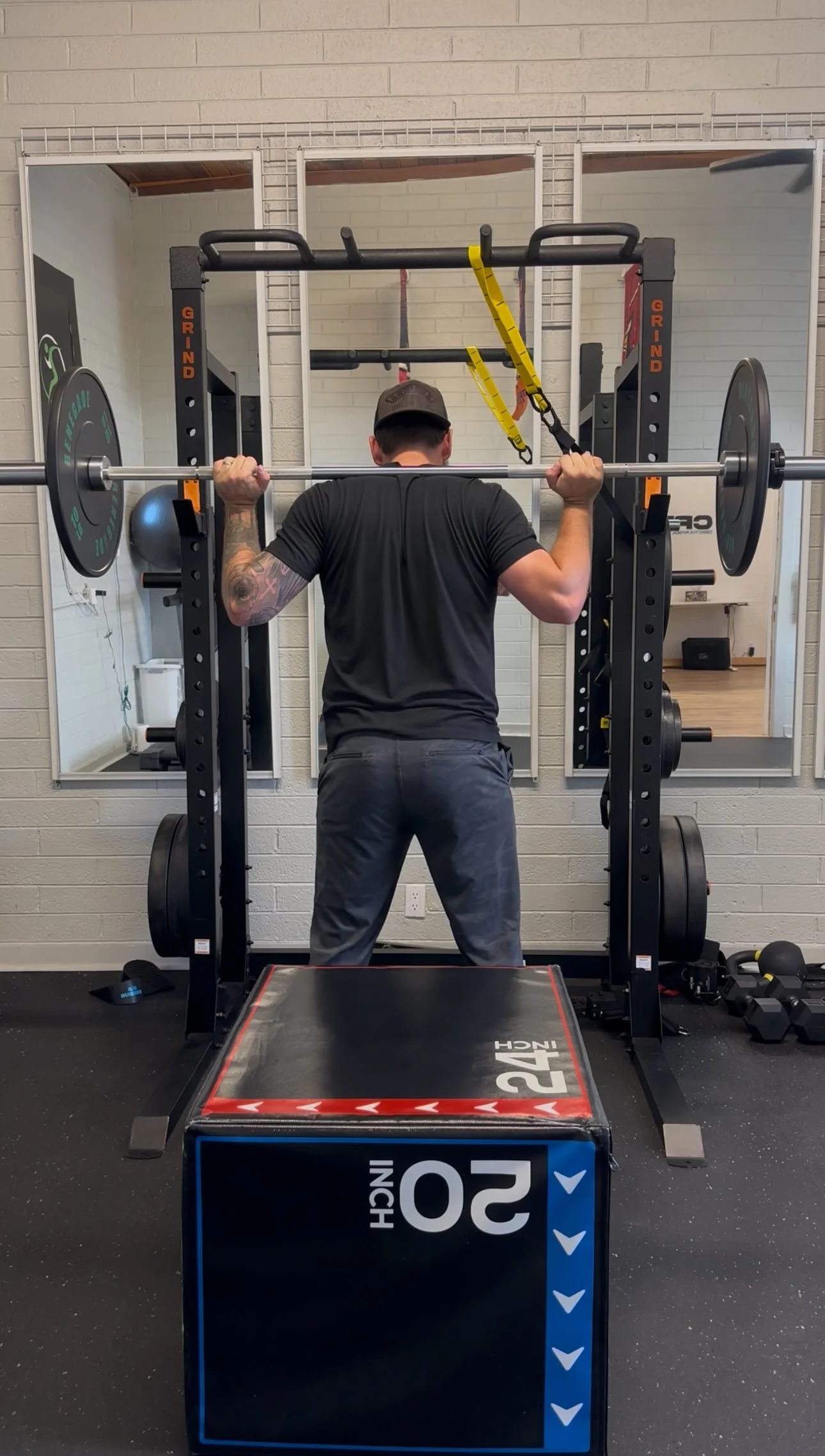
Rotator Cuff Strengthening & Progressive Loading
Once the foundation is in place, we progressively load the rotator cuff through its full range of motion, including end ranges that most generic programs never reach. External rotation strength, internal rotation control, and the ability to stabilize overhead under load are all trained progressively and specifically.
-
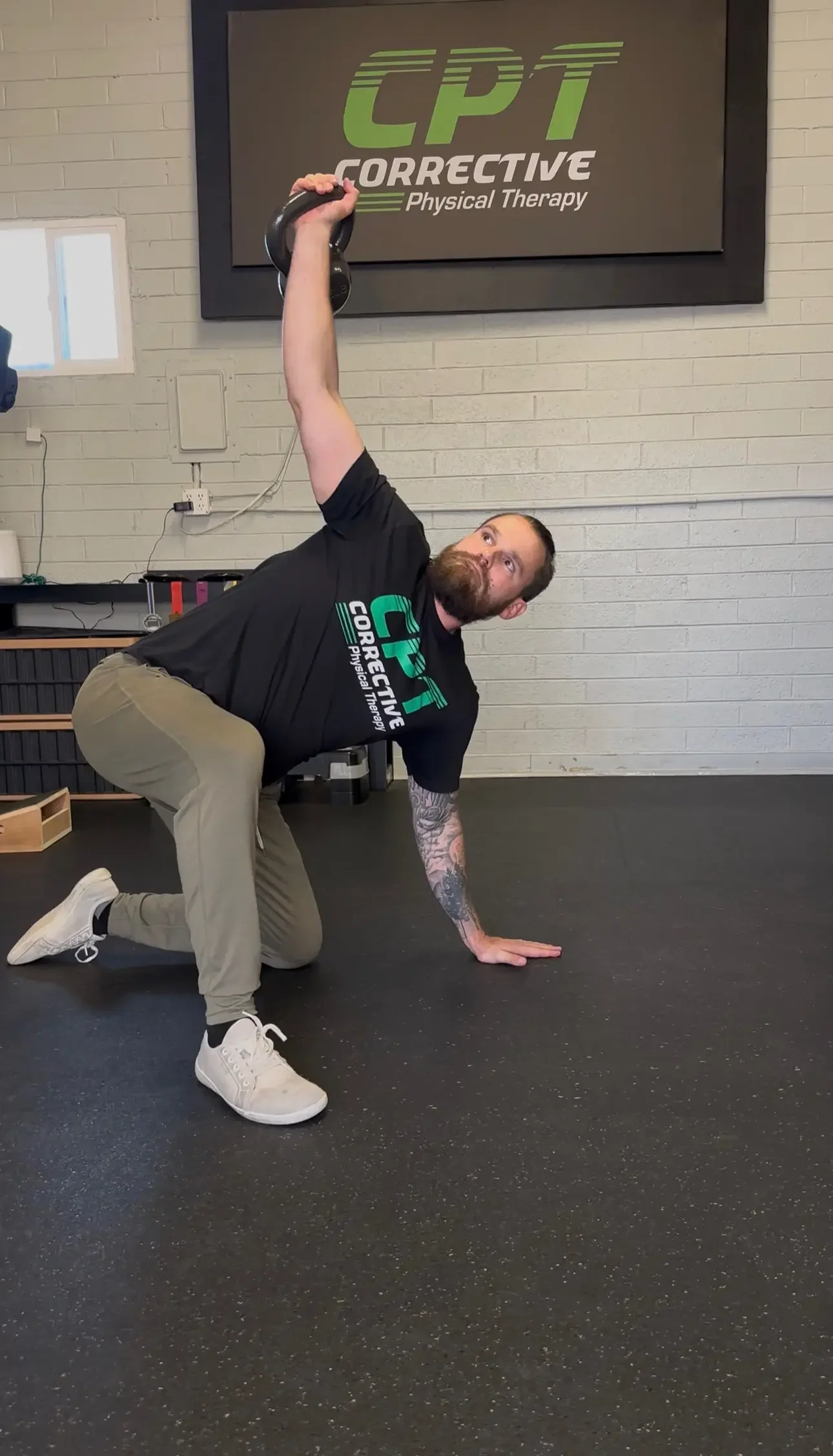
Posterior Capsule & Shoulder Mobility Work
For patients with tightness in the back of the shoulder, particularly common in throwing athletes and overhead lifters, we restore posterior capsule mobility using targeted techniques like the sleeper stretch and cross-body mobilizations. Restoring this mobility allows the shoulder joint to move correctly in the socket and eliminates the pinching and impingement that limits pressing, throwing, and overhead movement.
-
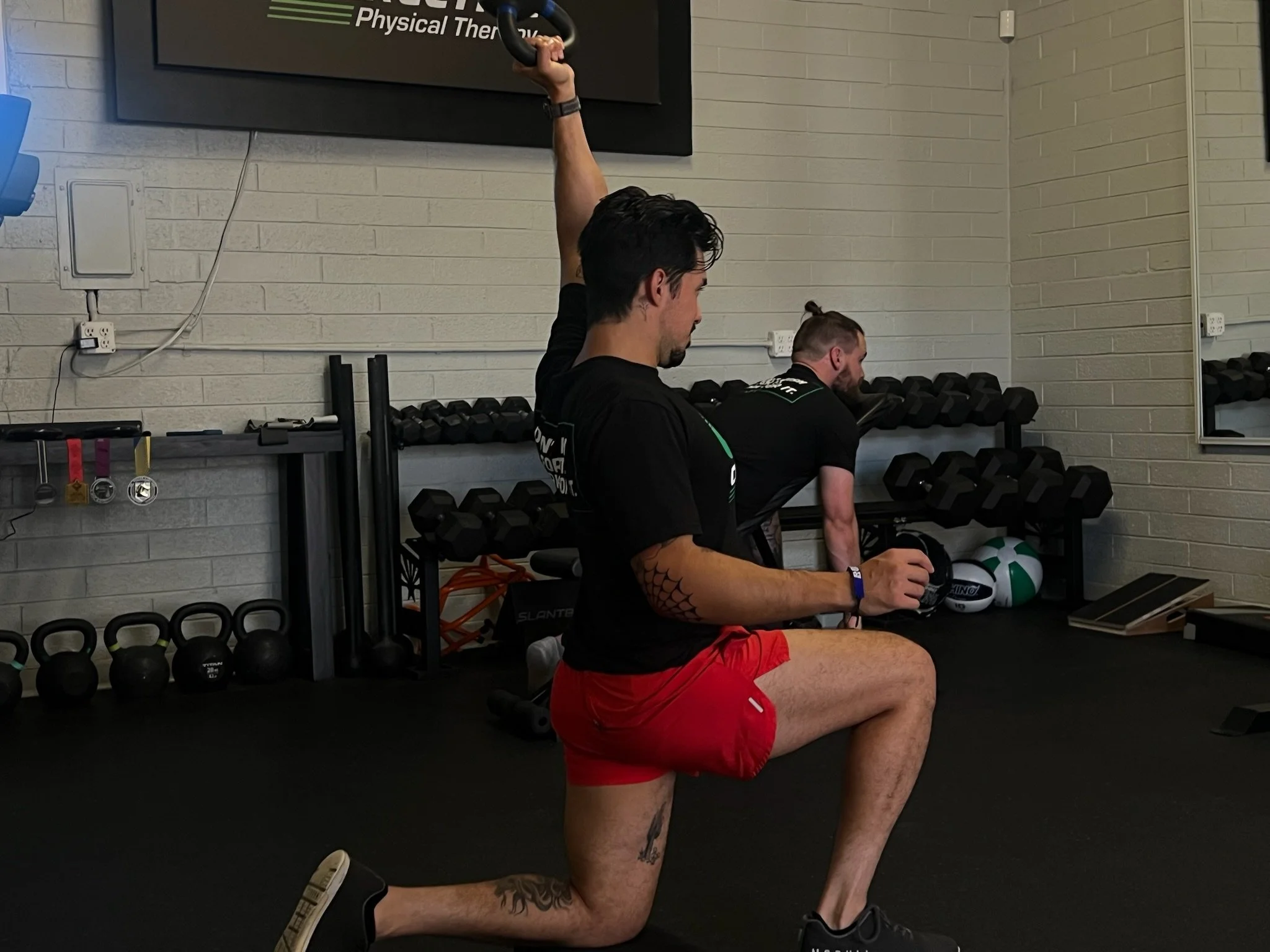
Thoracic Mobility & Upper Back Training
Overhead pain is frequently as much a mid-back problem as a shoulder problem. We restore thoracic mobility and train upper back strength so the shoulder blade can move efficiently, and the shoulder has the mechanical foundation it needs for pain-free overhead movement.
-
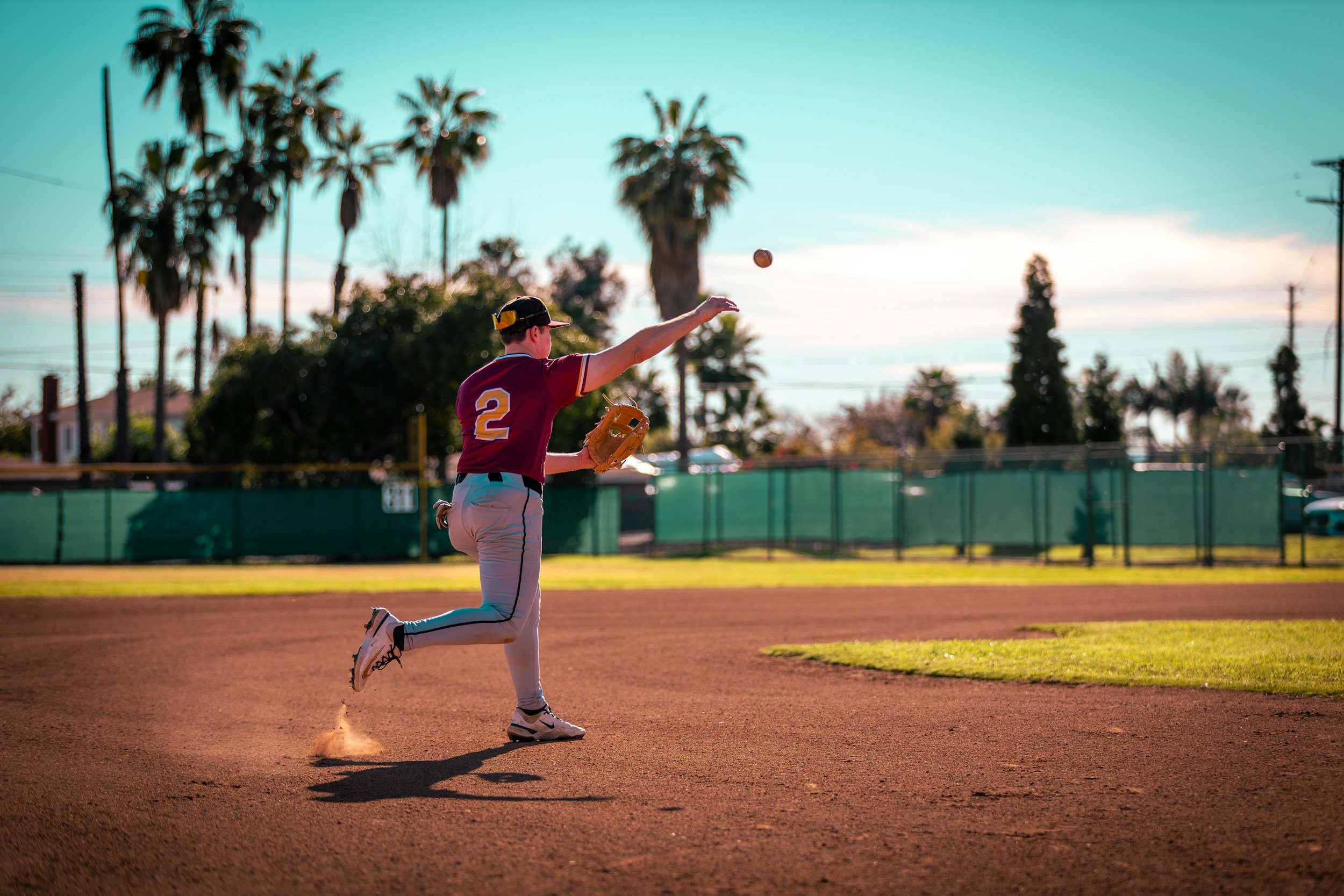
End Range Strength & Stability
Pain with throwing, serving, or lifting overhead is often a strength problem at end ranges, not a flexibility problem. We train the shoulder to be stable and strong through its full arc of rotation, including the positions where most injuries actually happen.
-
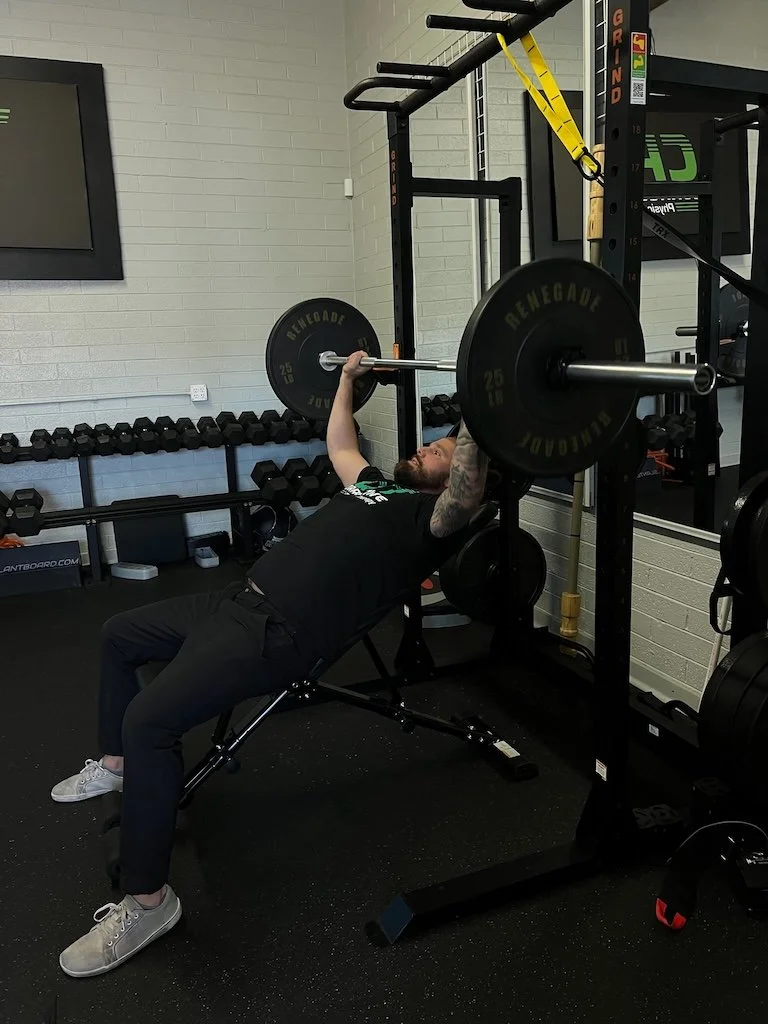
Movement Retraining
We assess and retrain the mechanics of pressing, pulling, throwing, and overhead movement to eliminate the compensation patterns that are overloading the shoulder. For lifters, movement retraining means looking at how you press and bench. For throwing athletes, it means addressing the full kinetic chain from the ground up.
-

Manual Therapy & Hands-On Treatment
Targeted manual therapy to restore joint mobility, reduce muscular tension, and improve movement quality in the shoulder, shoulder blade, and thoracic spine.
-
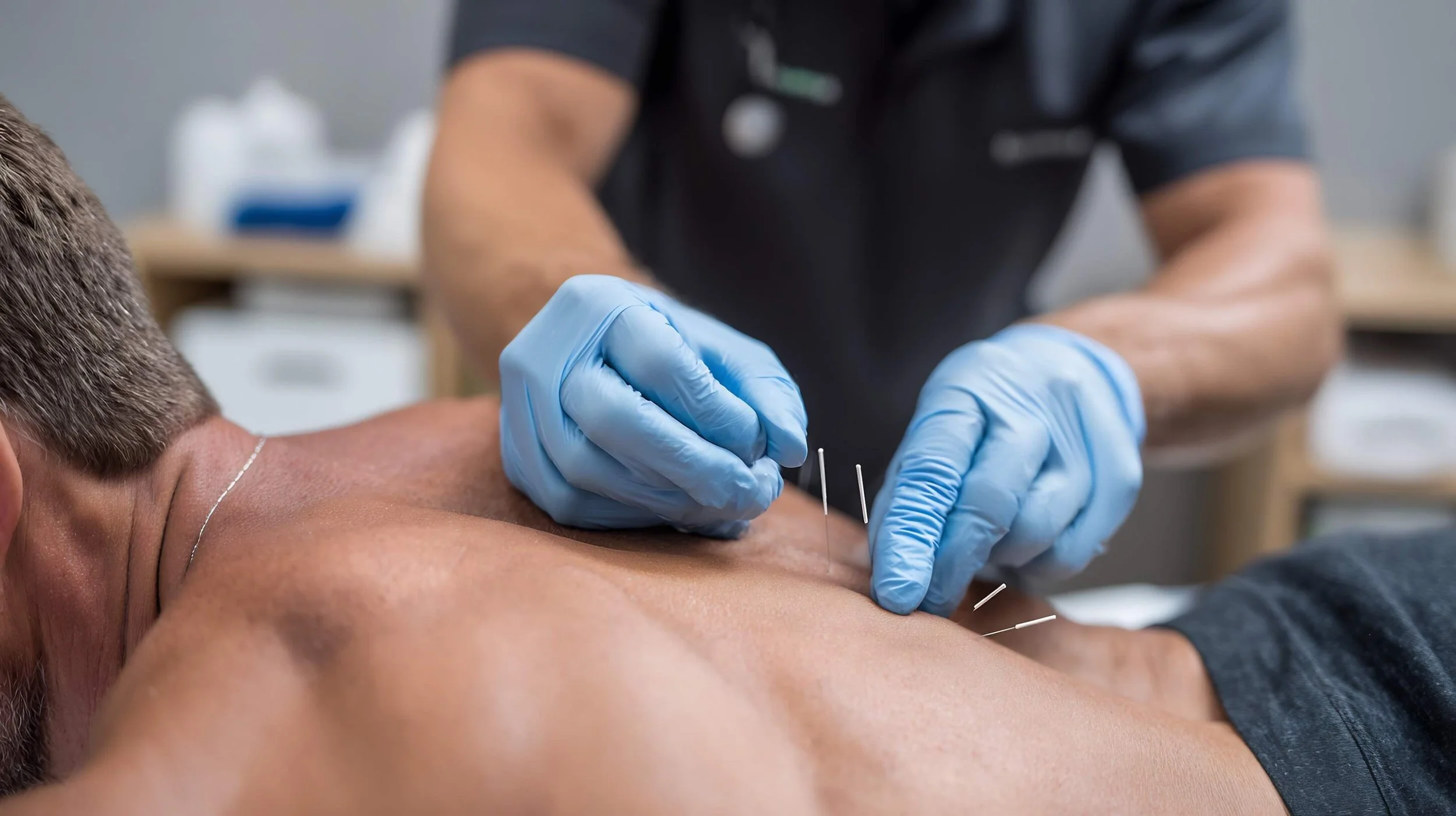
Dry Needling
When appropriate, dry needling helps reduce muscular tension in the rotator cuff, posterior shoulder, and surrounding tissue to improve movement quality and decrease pain sensitivity.
-
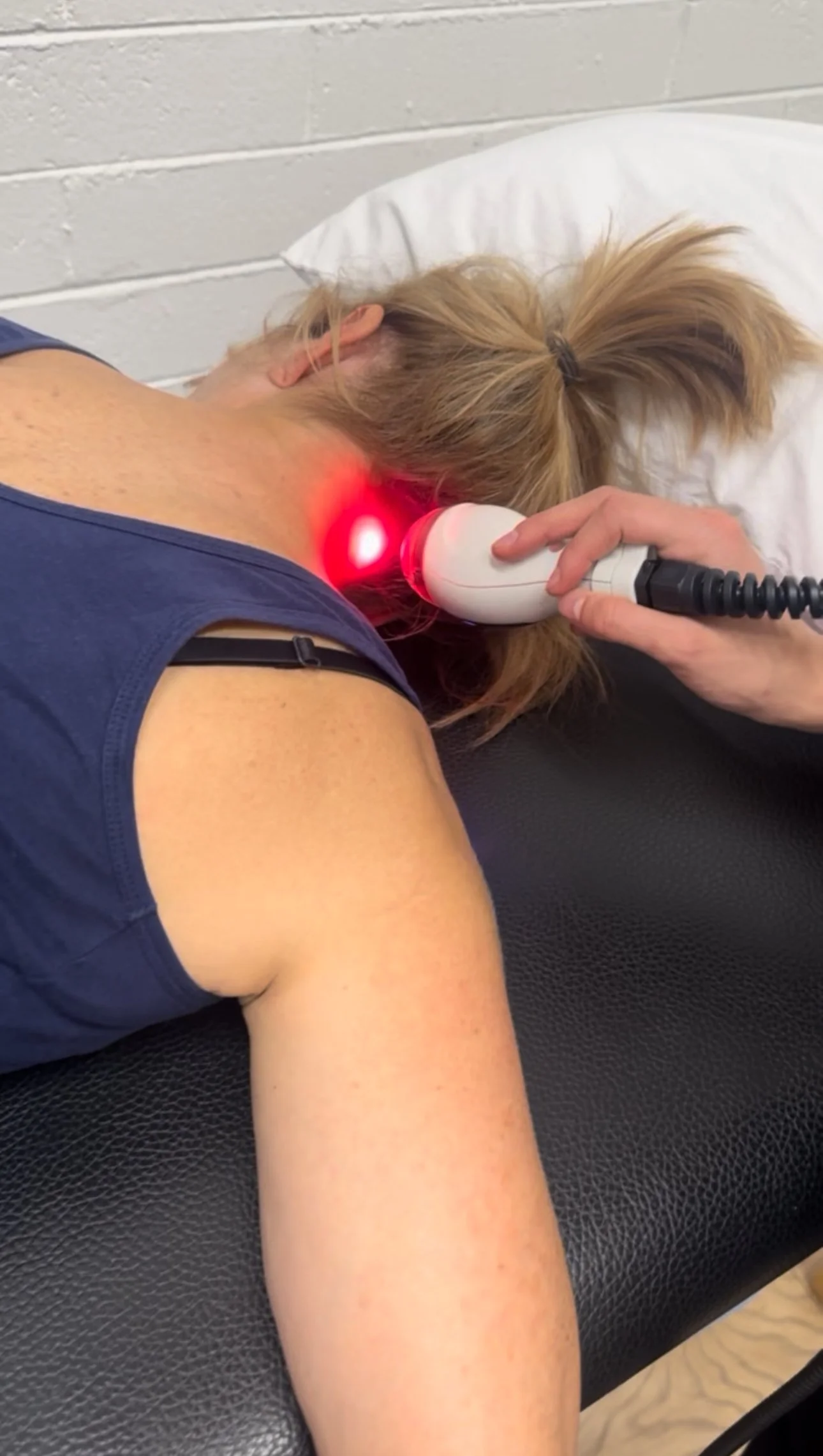
MLS Grade IV Laser Therapy
Advanced laser therapy to help reduce inflammation and support tissue healing, particularly useful during painful flare-ups or when irritability is limiting progress with loading.
-
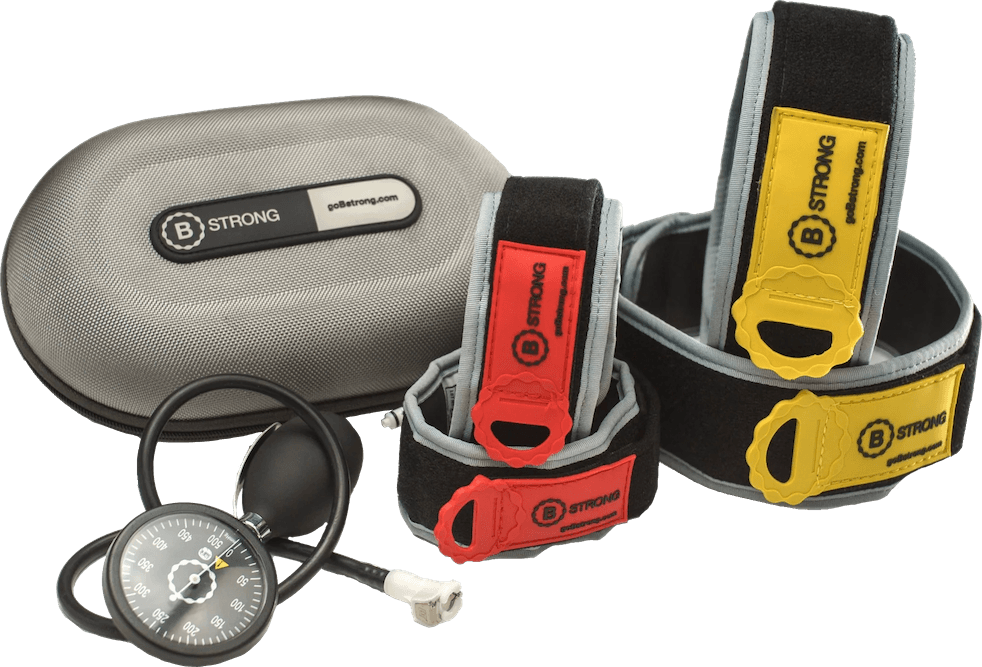
Blood Flow Restriction (BFR) Training
When shoulder pain is limiting how much load can be tolerated, Blood Flow Restriction (BFR) Training allows us to build meaningful strength in the rotator cuff and surrounding musculature using lighter loads without overloading irritated tissue.
Patient Testimonials
Corrective Physical Therapy changed the game for me . They fixed my shoulder, which 2 doctors had told me needed to be surgically replaced. I now have full pain free use of my shoulder which I never thought possible. Another PT Office wanted me to pre-pay for eight appointments which felt like a money grab. CPT does nothing like that. They saw me in the office to start then built me a workout plan to keep rehabbing on my own. I really felt like their only goal was getting me healthy. If you are looking for fast efficient results CPT is the place!
— Jim H.This game brought to you by Dr.Matt! I've been out of the game for weeks due to a shoulder injury that was getting worse. Dr.Matt was able to set me up with some basic exercises that directly targeted the problem area. His app was easy to use and the fact that he sent personalized videos showing exactly what exercise to do and when made the whole process feel so easy and doable! I cannot recommend him and Corrective Physical Therapy enough for people who are trying to stay in the game!
— Megan C.Matt helped rehab my shoulder to perfect health. So thankful for his expertise and ability to identify and solve a problem!
— Ky S.Why Athletes & Active Adults in Scottsdale Choose CPT
Most physical therapy clinics are built for volume. You get 20 minutes with a therapist, get handed off to an aide, and go home with the same exercise sheet they've been handing out to everyone else since 1998.
That's not how we work.
What Makes CPT Different?

1-on-1 treatment sessions

Sports rehab expertise

¡Sí, hablamos español!

Full 60-minute evaluations

Focus on active adults and former athletes

Education that helps you understand your pain

Personalized rehab plans

Evidence-based treatment

Locations in Scottsdale & Arcadia
Physical Therapy for Shoulder Pain & Rotator Cuff Injuries in Scottsdale & Arcadia, AZ
Corrective Physical Therapy provides personalized, 1-on-1 physical therapy for shoulder pain, rotator cuff injuries, shoulder instability, and sports-related shoulder dysfunction in Scottsdale and Arcadia, Arizona.
Whether you're trying to get back to lifting, return to your sport, or just reach overhead without pain, our team is here to find what's actually driving the problem and build a plan to fix it for good.
Because at Corrective Physical Therapy… We don't fix fragile. We build resilient.

Meet the Doctors

Dr. Matthew Brown PT, DPT, SCS
Dr. Matthew Brown is a sports physical therapist who helps active adults and athletes recover from injuries, improve performance, and return to the activities they enjoy. As the founder of Corrective Physical Therapy, he combines advanced sports rehabilitation training with strength and movement-based treatment to address the root cause of pain and keep patients performing at their best.
Founder & Performance Specialist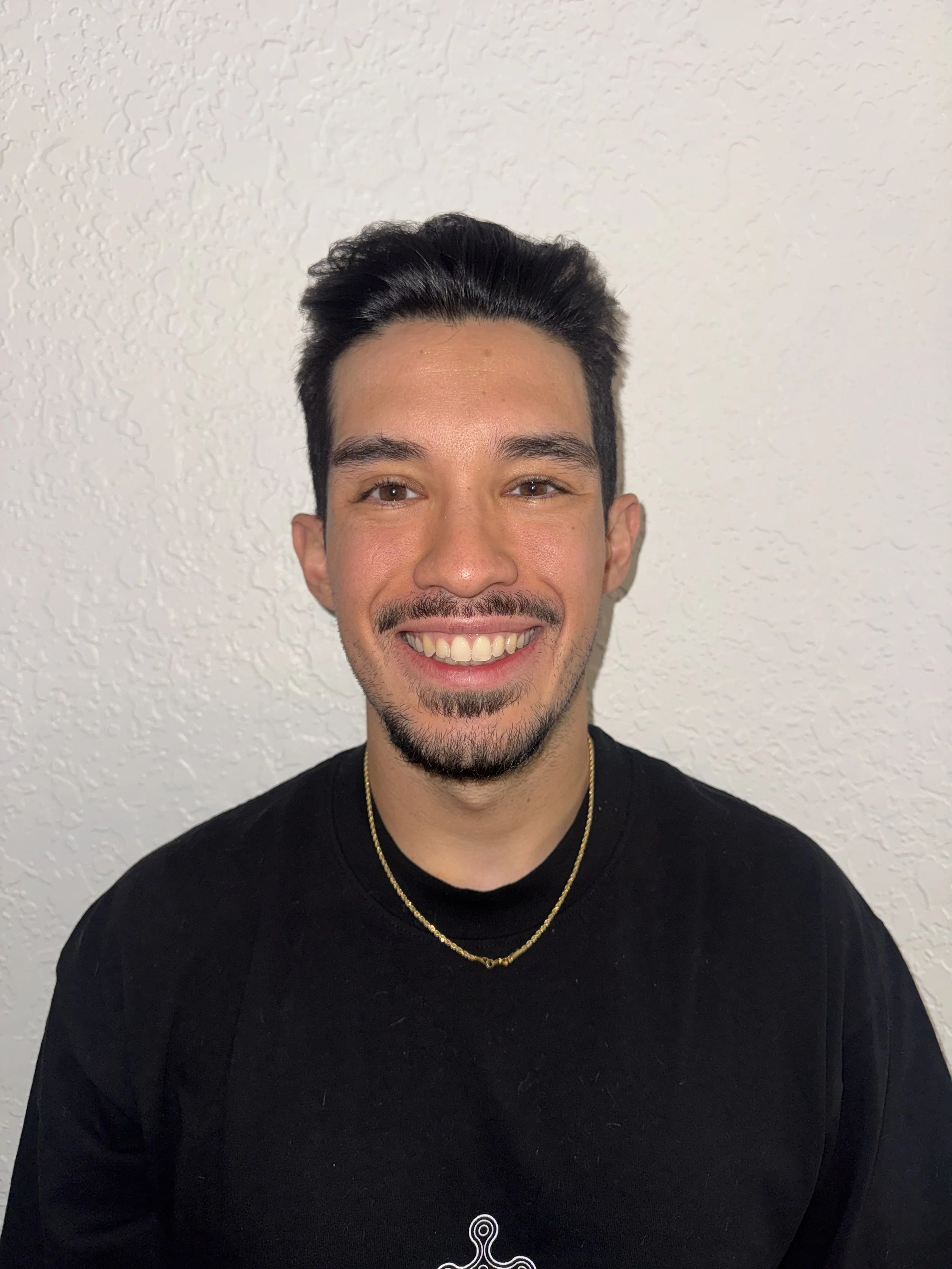
Dr. Daniel Paredes, PT, DPT, CSCS
Physical Therapist | Sports Performance & Running SpecialistDr. Danny Paredes is a sports physical therapist who helps runners, athletes, and active adults overcome pain, improve performance, and return to training with confidence. Combining his background in strength and conditioning, competitive athletics, and evidence-based rehabilitation, he bridges the gap between rehab and performance to help patients move better and achieve their goals.
Shoulder Pain & Rotator Cuff FAQs
-
The symptoms can feel similar, and an accurate diagnosis requires a hands-on assessment. Rotator cuff tears often present with weakness alongside pain, particularly with overhead reaching or external rotation. Impingement tends to be more of a positional pinching pain. In either case, the treatment approach at CPT focuses on restoring function, not just managing symptoms.
-
Not necessarily. A thorough movement assessment gives us a clear picture of what your shoulder can and can't do. MRI findings are useful structural information, but they don't tell us why the injury happened or what your shoulder is functionally capable of. We work from both when imaging is available, but we don't require it to get started.
-
For many patients, yes. The research on this is strong. A well-designed, progressive strengthening program can restore function and reduce pain significantly, even with partial or full thickness tears. Surgery is typically the last resort, not the first step.
-
Stiffness is often the body's way of creating stability around a joint it doesn't feel confident controlling. Stretching without addressing the underlying weakness gives the body no reason to relax. Strengthening the muscles that control the shoulder, particularly the rotator cuff and shoulder blade stabilizers, is usually what actually resolves chronic stiffness.
-
Yes. The shoulder, shoulder blade, and cervical spine are closely connected. Compensations around a shoulder injury frequently create tension and overload in the neck and upper trap. Addressing shoulder mechanics is often part of resolving neck pain, and vice versa.
-
It depends on the severity of the injury, how long you've been dealing with it, and what activity level you're returning to. Acute shoulder injuries with the right plan can see significant improvement in a few weeks. Chronic rotator cuff issues or post-surgical rehab typically require a longer progressive loading program to fully rebuild strength and confidence in the joint.
-
Yes. Overhead throwing athletes have very specific demands on the shoulder, particularly around external rotation range, posterior capsule mobility, and the ability to generate and absorb force through the full arc of motion. We assess and address the throwing shoulder as an athletic structure, not just a painful joint.
-
Impingement involves compression of soft tissue structures in the shoulder with certain movements, typically overhead. A labral tear involves damage to the cartilage ring that deepens the shoulder socket. Both can cause pain, clicking, and instability, but the treatment approach differs. A proper assessment helps clarify what's actually happening and what the right plan looks like.