

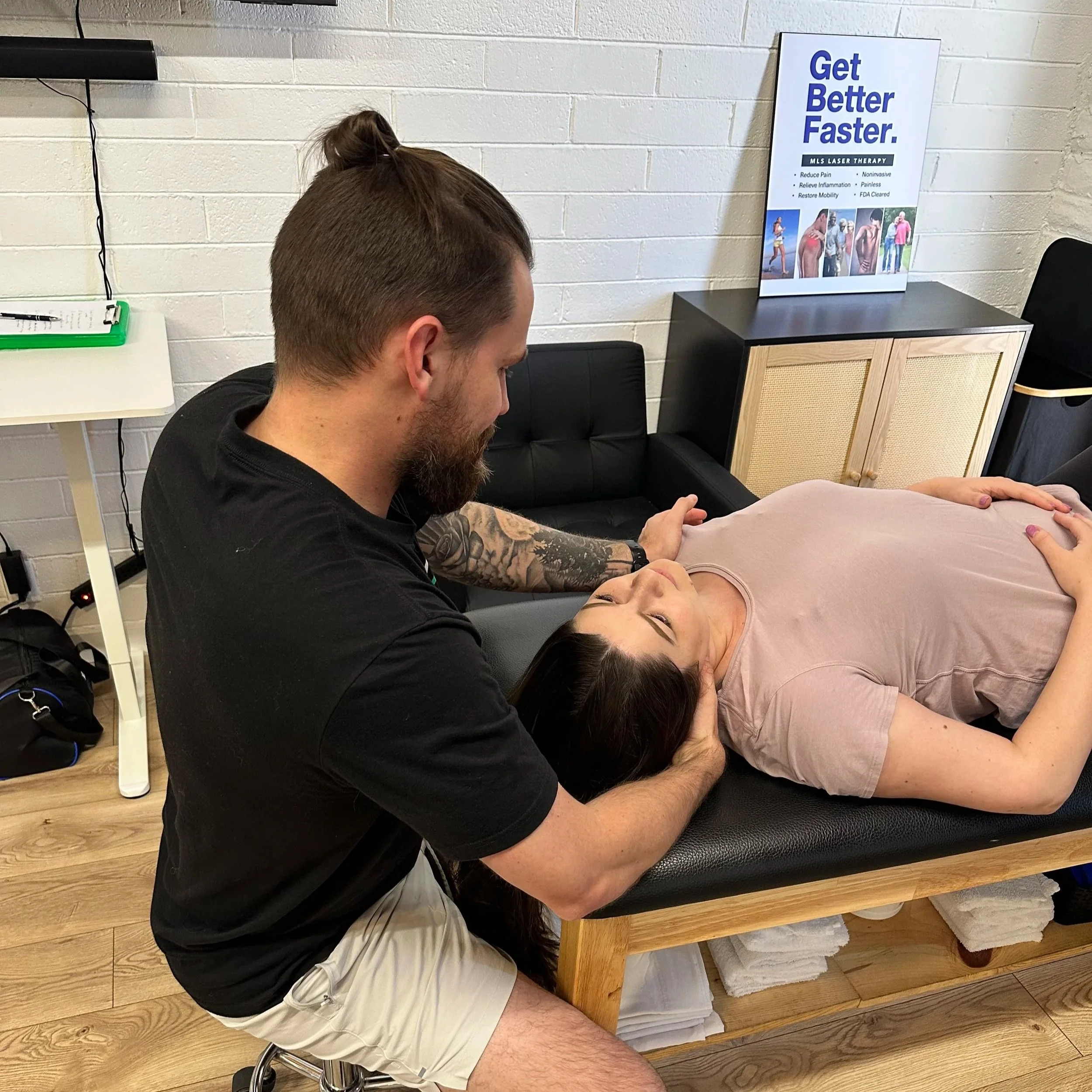
Scottsdale's Manual Therapy Built for Athletes & Active Adults
You Worked Too Hard to Settle for Generic PT.
Hands-On Physical Therapy to Improve Mobility, Reduce Pain & Restore Movement
At Corrective Physical Therapy, manual therapy is one of the tools we use to help patients move better, reduce pain, and restore confidence in their bodies.
Manual therapy is not just massage or temporary symptom relief. It is a hands-on treatment approach designed to improve mobility, decrease irritation, restore movement quality, and help your body tolerate activity more efficiently.
Whether you’re dealing with chronic pain, stiffness, sports injuries, nerve irritation, or movement limitations, manual therapy can help create the mobility and movement options your body needs to recover and perform better.
What Is Manual Therapy?
Manual therapy refers to hands-on techniques performed by a licensed physical therapist to improve how joints, muscles, nerves, and soft tissues move and function.a
At Corrective Physical Therapy, manual therapy may be used to:
Improve joint mobility
Reduce stiffness
Decrease muscular tension
Improve tissue extensibility
Reduce nerve irritation
Improve movement quality
Help patients tolerate exercise more comfortably
Restore motion after injury

Because long-term recovery requires more than passive treatment alone, manual therapy is often combined with:
Strength training
Movement retraining
Corrective exercise
Blood Flow Restriction (BFR) Training
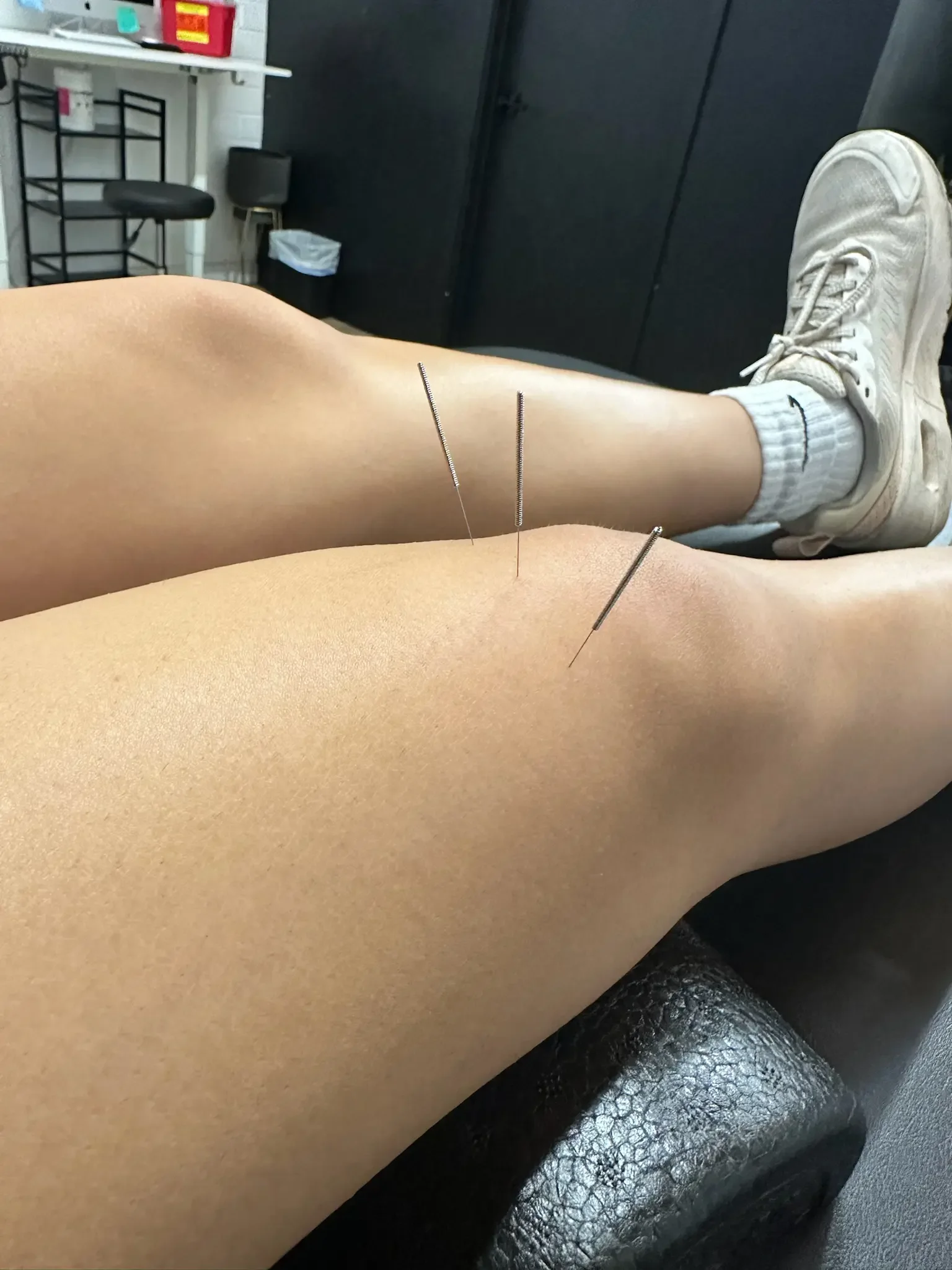
Dry needling
MLS Grade IV Laser Therapy
Sport-specific rehab
Conditions That May Benefit from Manual Therapy
-
Low back pain
Low back pain is the most common reason people stop doing what they love — but it doesn’t have to be. We identify the root cause, restore stability, and build strength through personalized movement and training.
-
Sciatica and nerve pain
Shooting pain down your leg? That’s often a sign of sciatic nerve irritation, not “damage.” We restore mobility, decompress irritated nerves, and teach you how to move confidently without flare-ups.
-
Hip pain and labral injuries
Hip pain can limit everything from workouts to walking. We assess mobility, strength, and mechanics to restore stability and performance.
-
Neck pain
Neck stiffness, tension, or headaches often come from postural strain and poor control. We help restore strength, mobility, and balance between stability and motion.
-
Shoulder pain
Shoulder pain limits everything from training to daily movement. We focus on strength, stability, and mechanics to restore full range and control.
-
Knee pain
Whether it’s knee pain from overuse, post-surgery, or instability, we help you rebuild knee strength and movement control.
-
Sports injuries
From overtraining aches to acute strains, we tailor rehab and performance programs to your sport and training load.
-
Muscle tightness
Tight muscles are often a sign of compensation, overload, or poor movement patterns — not just a need to stretch more. We identify the underlying cause and improve flexibility, strength, and control to help your body move more efficiently.
-
Joint stiffness
Stiff joints can make everyday movement feel limited and uncomfortable. We improve mobility, restore healthy joint mechanics, and help you regain confidence in movement without feeling restricted.
-
Mobility restrictions
Limited mobility can affect performance, posture, and pain levels throughout the body. We assess how your body moves as a whole and use targeted mobility and strength work to restore smoother, more efficient movement.
-
Chronic pain
Chronic pain often involves more than just the area that hurts. We take a full-body approach to reduce sensitivity, improve movement tolerance, and help you return to the activities you enjoy with greater confidence.
-
Movement dysfunction
Poor movement patterns can lead to pain, instability, and recurring injuries over time. We identify inefficient mechanics and retrain your body with corrective exercises and strength-based movement strategies.
-
Post-surgical rehab
Surgery is only part of the recovery process. We guide you through progressive post-surgical rehab focused on restoring mobility, rebuilding strength, and safely returning to daily life, training, and sport.

Every patient is different, which is why treatment is individualized based on your movement presentation, goals, and symptoms.
Why Cookie-Cutter PT Fails Athletes…And What CPT Does Instead
At Corrective Physical Therapy, hands-on treatment is never random or generic.
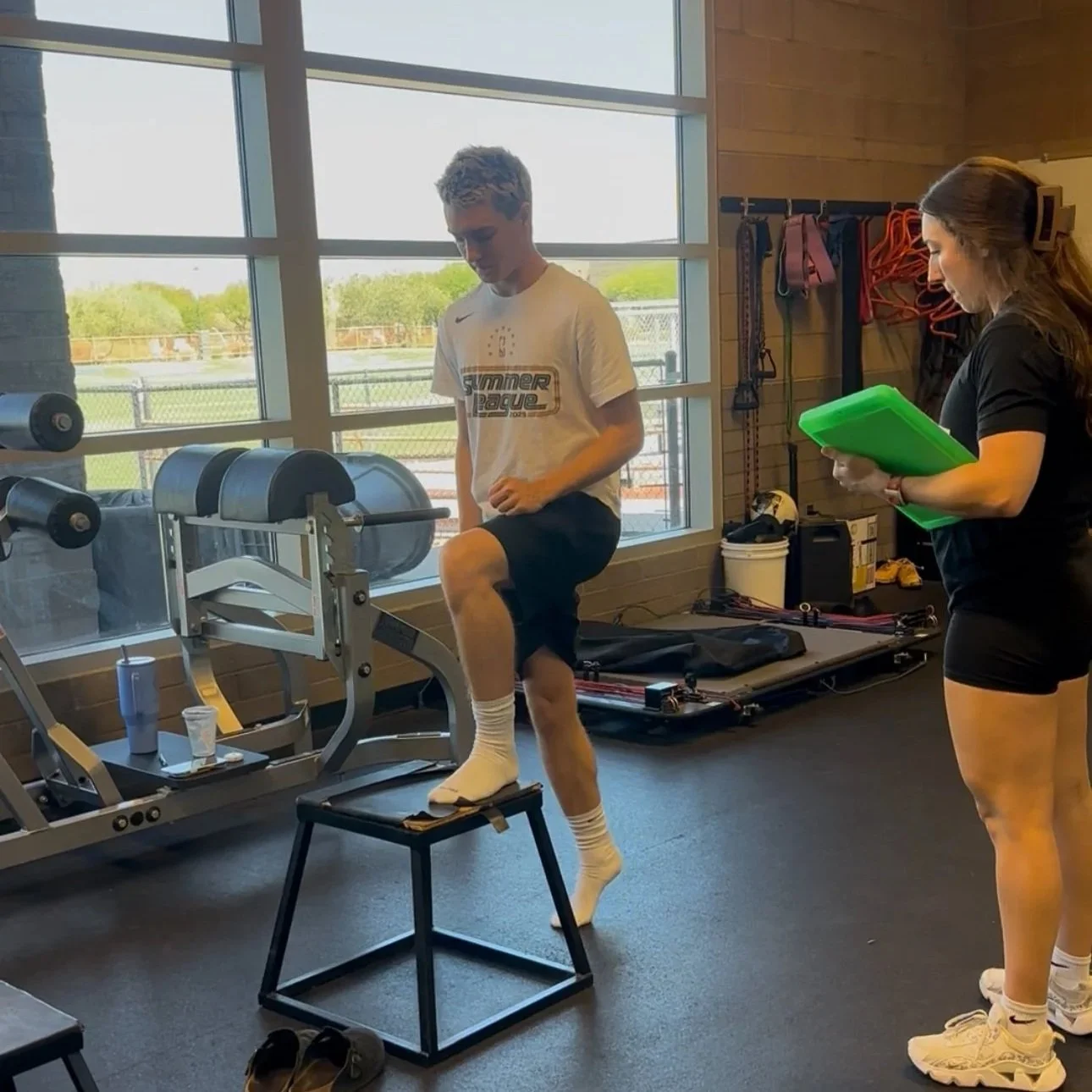
We assess:
How your joints move
Where mobility restrictions exist
How your nervous system responds to movement
Compensation patterns
Strength deficits
Movement mechanics
Activity demands
From there, we create a plan focused on helping your body move more efficiently and tolerate higher levels of activity over time.
Manual therapy may help “open the door” for better movement, but strengthening and retraining are what help keep those changes long term.
That is why treatment at CPT focuses heavily on active rehabilitation, not just passive modalities.
Types of Manual Therapy We May Use
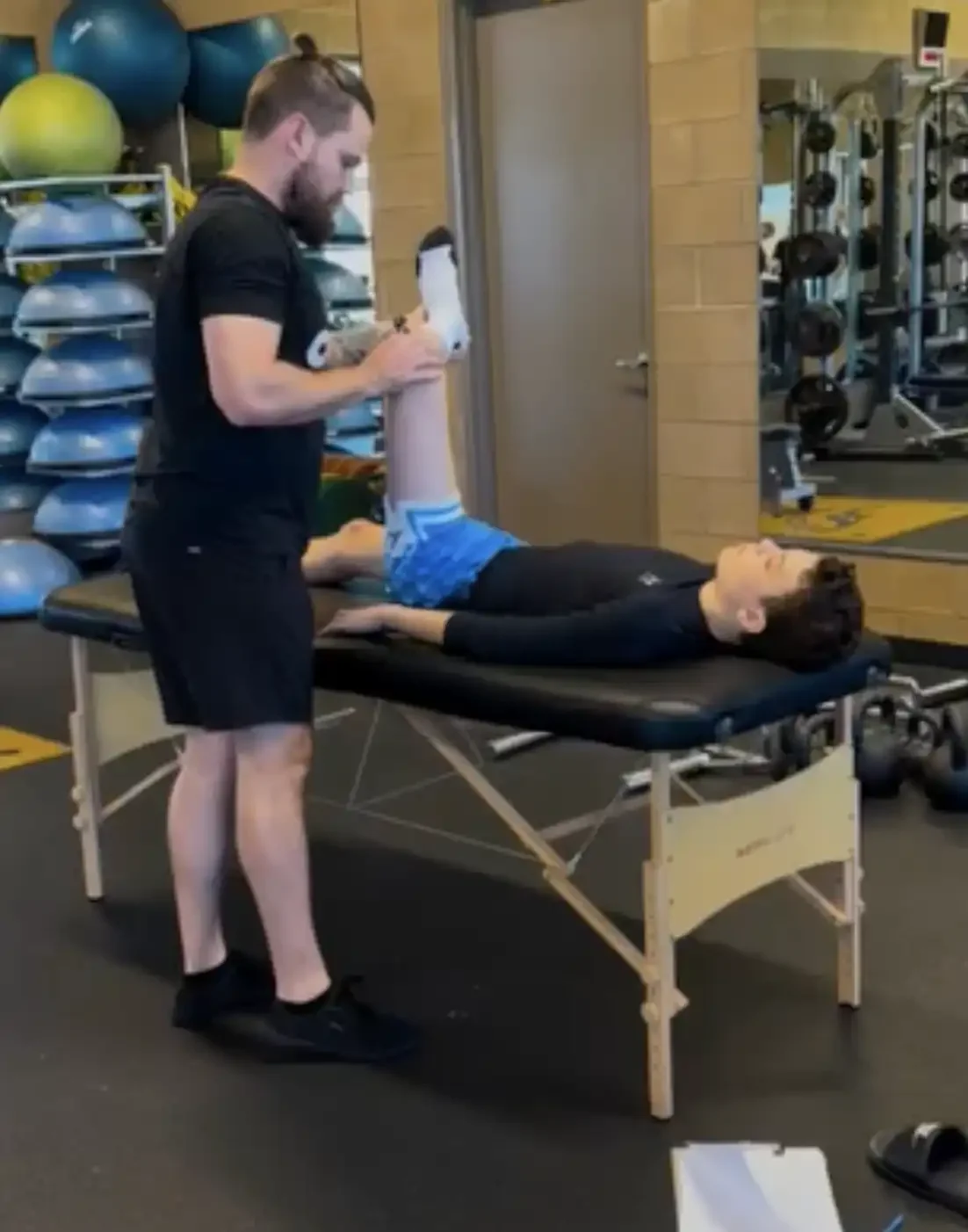
Depending on your condition and goals, treatment may include:
-
Joint Mobilization
Hands-on techniques used to improve joint mobility and reduce stiffness in areas like the spine, hips, shoulders, or ankles.
-
Soft Tissue Mobilization
Targeted treatment to reduce muscular tension and improve tissue mobility.
-
Nerve Mobility Techniques
Specific techniques designed to improve nerve movement and reduce irritation or sensitivity.
-
Movement-Assisted Mobility
Hands-on guidance during movement patterns to improve body mechanics and control.
-
Stretching & Positional Techniques
Used strategically to improve mobility while helping the body maintain better movement options.
Combining Manual Therapy with Performance-Based Rehab
At Corrective Physical Therapy, manual therapy is often integrated into a larger rehab plan that may include:
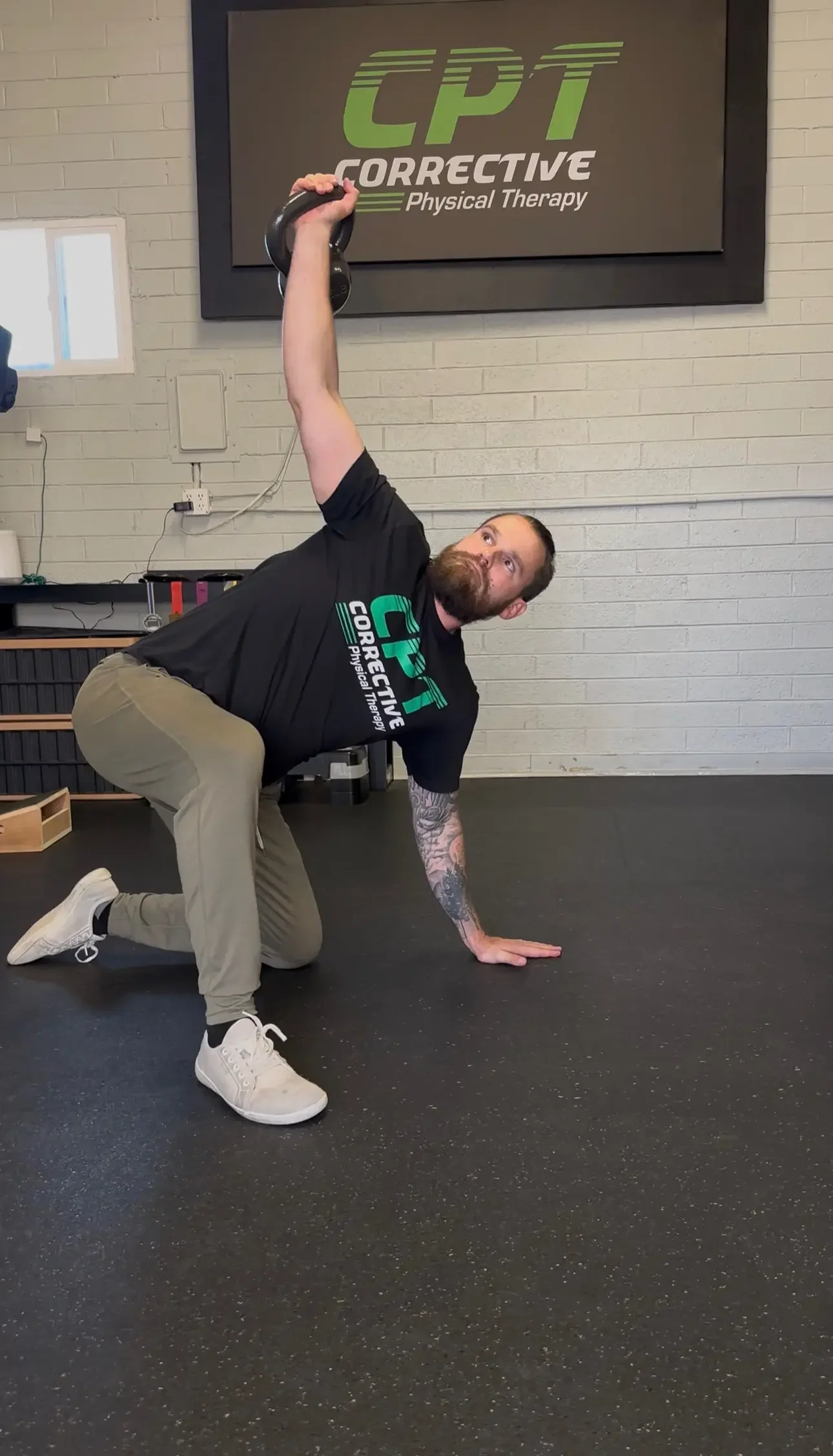
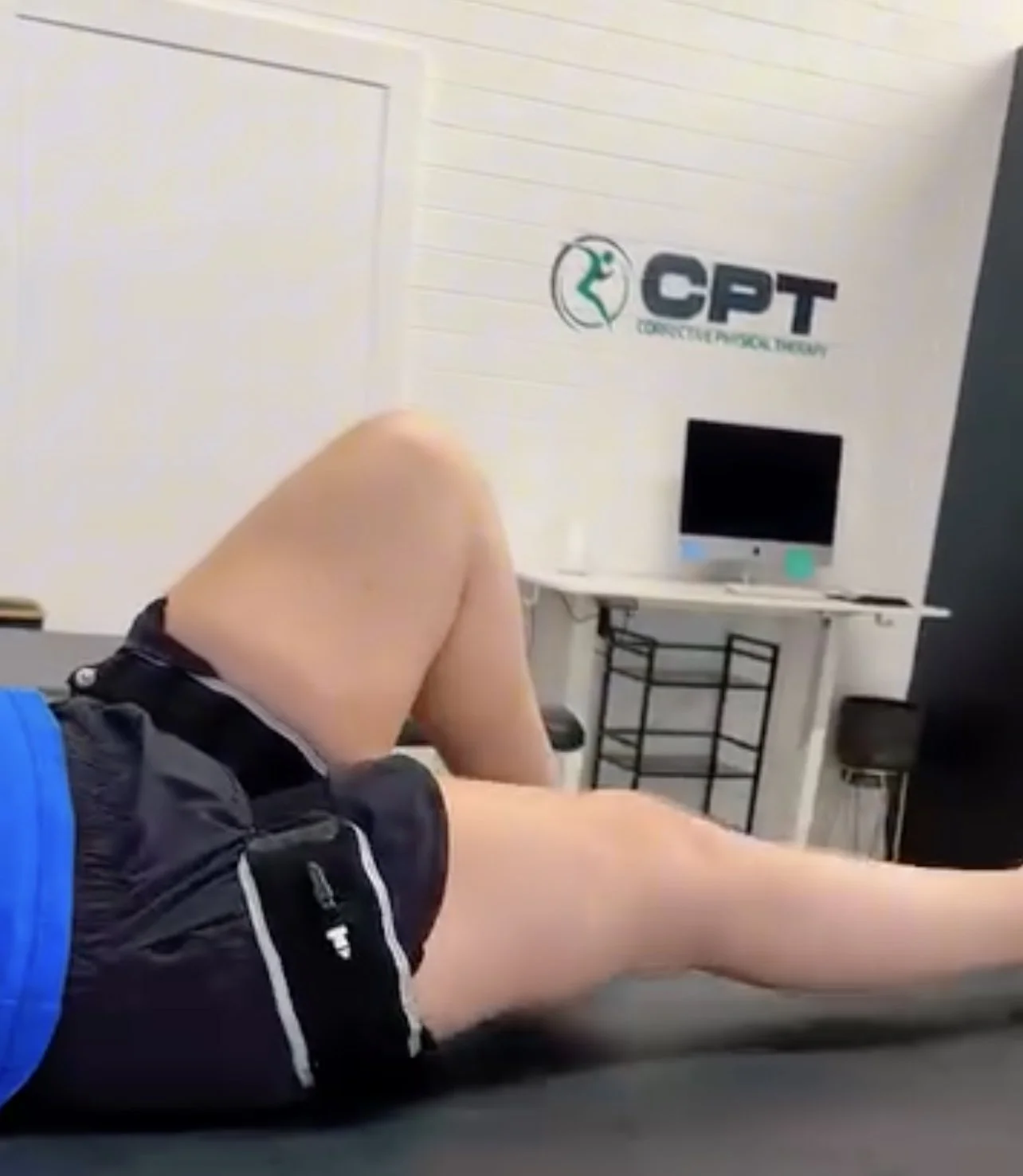
Movement Retraining
Dry Needling
Improving how your body squats, bends, rotates, runs, lifts, and stabilizes during movement.
Dry Needling is used to reduce muscular tension and improve movement quality when appropriate.
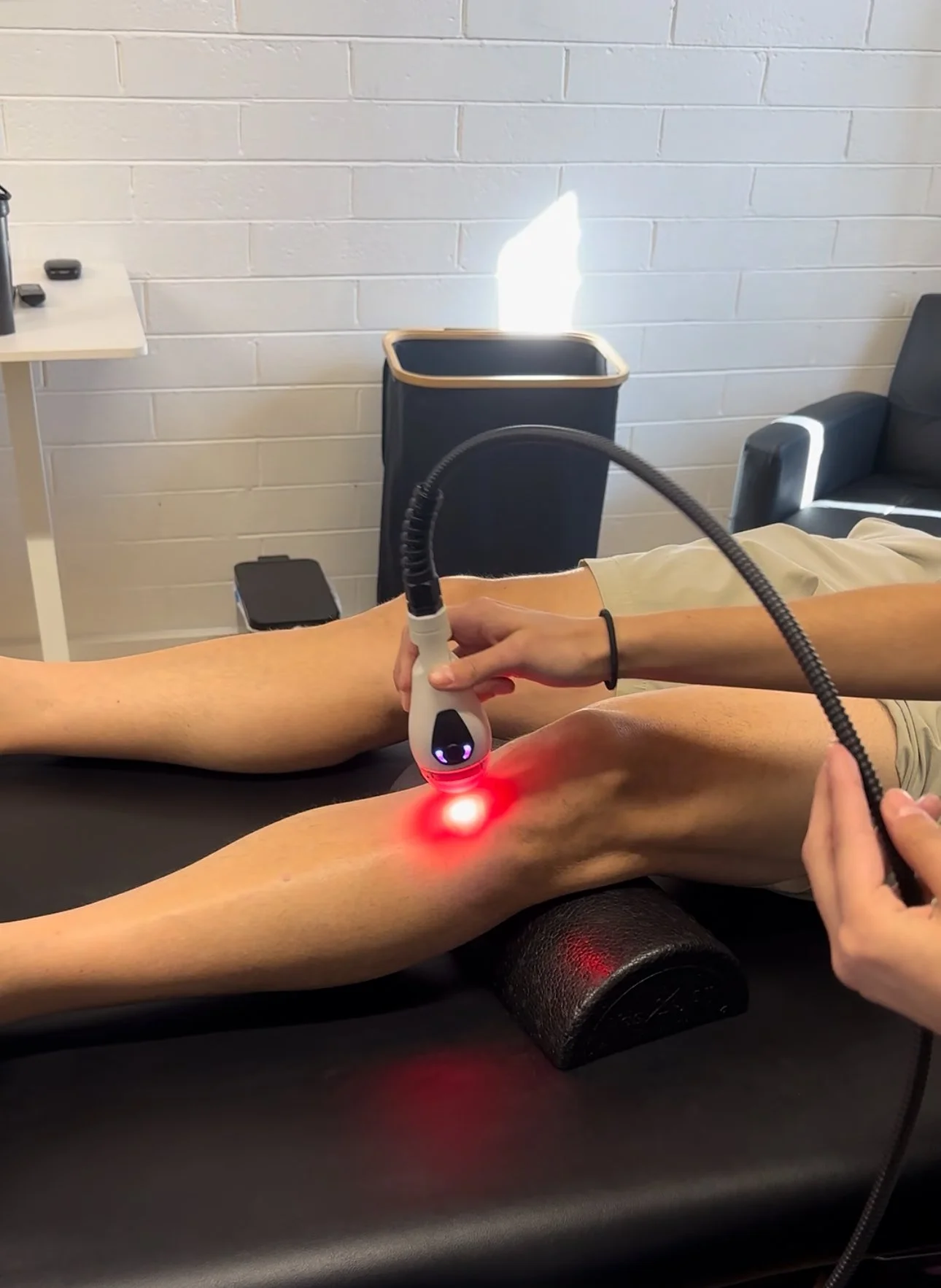
MLS Grade IV Laser Therapy
Advanced laser therapy is used to help reduce inflammation and support tissue healing.
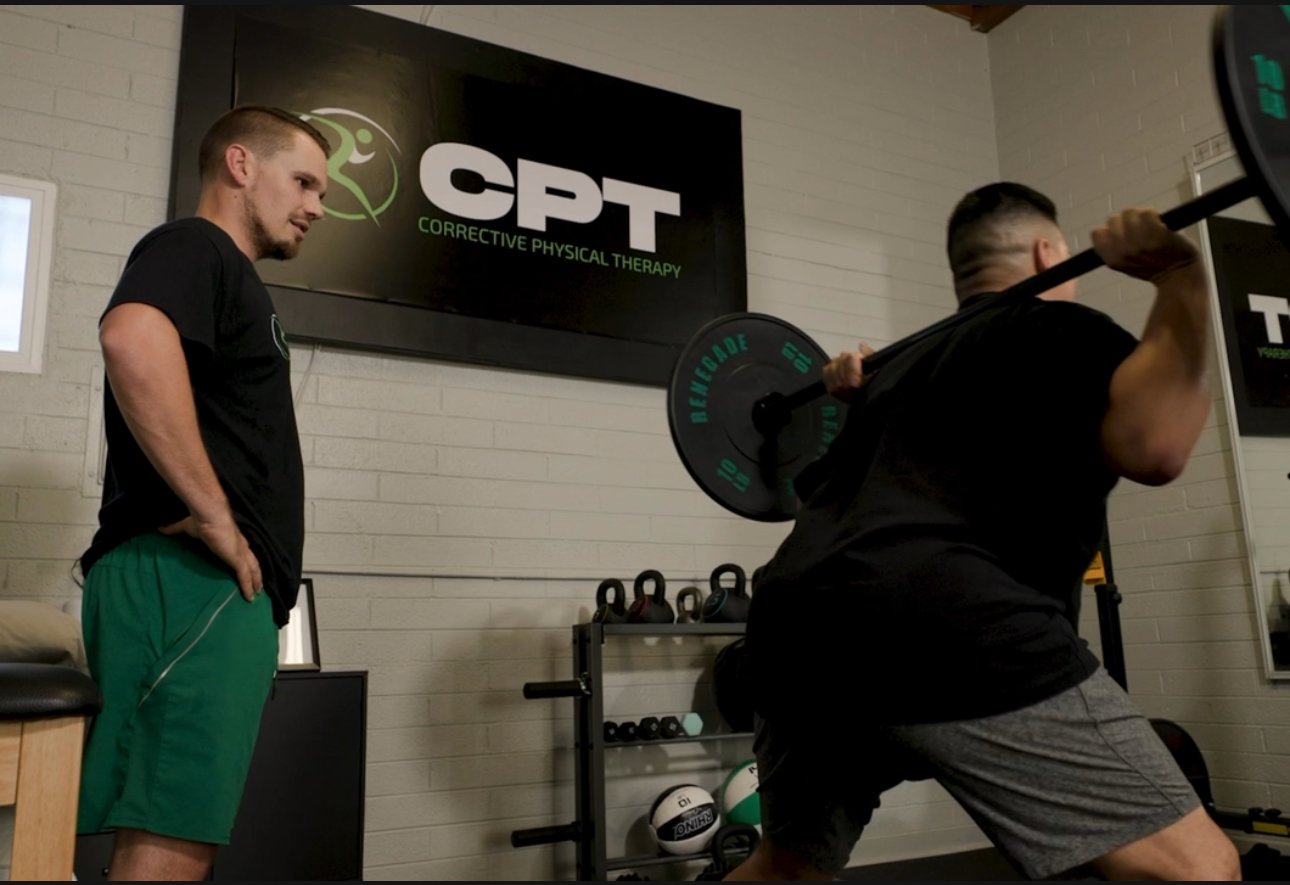
Blood Flow Restriction Training (BFR) allows patients to build strength and muscle using lighter loads, which can be extremely helpful during injury recovery, post-surgical rehab, joint irritation, or painful flare-ups.
Building resilience so your body can tolerate daily life, exercise, sports, and higher activity demands again.
Blood Flow Restriction (BFR) Training
Strength & Progressive Loading
Hands-On PT in Scottsdale & Arcadia for Athletes, First Responders & Chronic Pain — Because You Deserve More Than a Generic Plan.
If pain, stiffness, movement limitations, or injury are keeping you from feeling like yourself, the team at Corrective Physical Therapy can help.
We provide personalized, 1-on-1 physical therapy in Scottsdale and Arcadia focused on helping active adults and former athletes move better, recover smarter, and return to the activities they love.
Because at Corrective Physical Therapy…
We don’t fix fragile.
We build resilient.
Why Patients Choose Corrective Physical Therapy
Unlike traditional physical therapy clinics where patients rotate between aides and exercise stations, Corrective Physical Therapy was built around individualized care and performance-focused rehab.
What Makes CPT Different?

1-on-1 treatment sessions

Sports rehab expertise

¡Sí, hablamos español!

Full 60-minute evaluations
Focus on active adults and former athletes

Education that helps you understand your pain

Personalized rehab plans

Evidence-based treatment

Locations in Scottsdale & Arcadia
Your Questions, Answered
-
Not exactly. While some techniques may feel similar, manual therapy is performed with specific clinical goals related to mobility, pain reduction, joint mechanics, nerve mobility, and movement restoration.
-
Treatment should feel tolerable and appropriate to your condition. Some techniques may create temporary soreness, but sessions should not feel excessively aggressive or harmful.
-
The effects vary depending on the person and condition. Manual therapy is most effective when combined with strengthening, movement retraining, and progressive rehab strategies.
-
For many patients, yes. Manual therapy may help reduce stiffness, improve mobility, calm sensitive tissues, and improve tolerance to movement as part of a larger rehab plan.
-
Usually no. Long-term recovery typically requires strengthening, movement retraining, and gradual exposure to activity demands in addition to hands-on treatment.