

Sciatica & Nerve Pain Physical Therapy in Scottsdale & Arcadia
Personalized Sciatica Treatment at Corrective Physical Therapy
Pain, tingling, burning, numbness, or tightness running from your low back into your hip or down your leg can make everyday movement frustrating. At Corrective Physical Therapy, we help active adults, former athletes, and chronic pain sufferers find long-term relief through personalized, 1-on-1 physical therapy for sciatica and nerve pain in Scottsdale and Arcadia, AZ.
Sciatica is often blamed entirely on the low back, but nerve pain is more complex than that. In a lot of cases, the sciatic nerve becomes irritated, compressed, or restricted somewhere along its pathway from the low back and pelvis all the way down the leg. That means successful treatment requires more than stretching your hamstrings or resting until the pain goes away.
At Corrective Physical Therapy, we focus on restoring movement, improving nerve mobility, reducing irritation, and helping you regain confidence in your body so you can get back to training, working, exercising, and living without constantly worrying about flare-ups.
What does sciatica feel like?
Sciatica is a term used to describe irritation of the sciatic nerve, the largest nerve in the body. Symptoms can include:
Sharp or shooting pain down the leg
Burning sensations
Tingling or numbness
Tightness in the hamstrings or calf
Pain when standing or walking
Low back pain with leg symptoms
Weakness or heaviness in the leg
Symptoms that worsen with sitting, bending, or exercise
For some people, sciatica feels intense and sudden. For others, it becomes a chronic issue that comes and goes for months or years.
The important thing to understand is that pain does not always equal damage. Many people are told they have “bad discs” or structural problems after imaging, but movement quality, strength, mobility, and nervous system sensitivity often play a much larger role in long-term recovery.
Why Sciatica Isn’t Always “Just a Back Problem”
One of the biggest misconceptions about sciatica is that every case comes directly from the spine.
We frequently work with patients who were told their symptoms were “coming from the low back,” only to discover the nerve irritation was actually occurring further down the chain. In one case, a patient experiencing tingling while standing improved from tolerating only 5–10 minutes on her feet to several hours after treatment focused on restoring mobility along the distal nerve pathway.
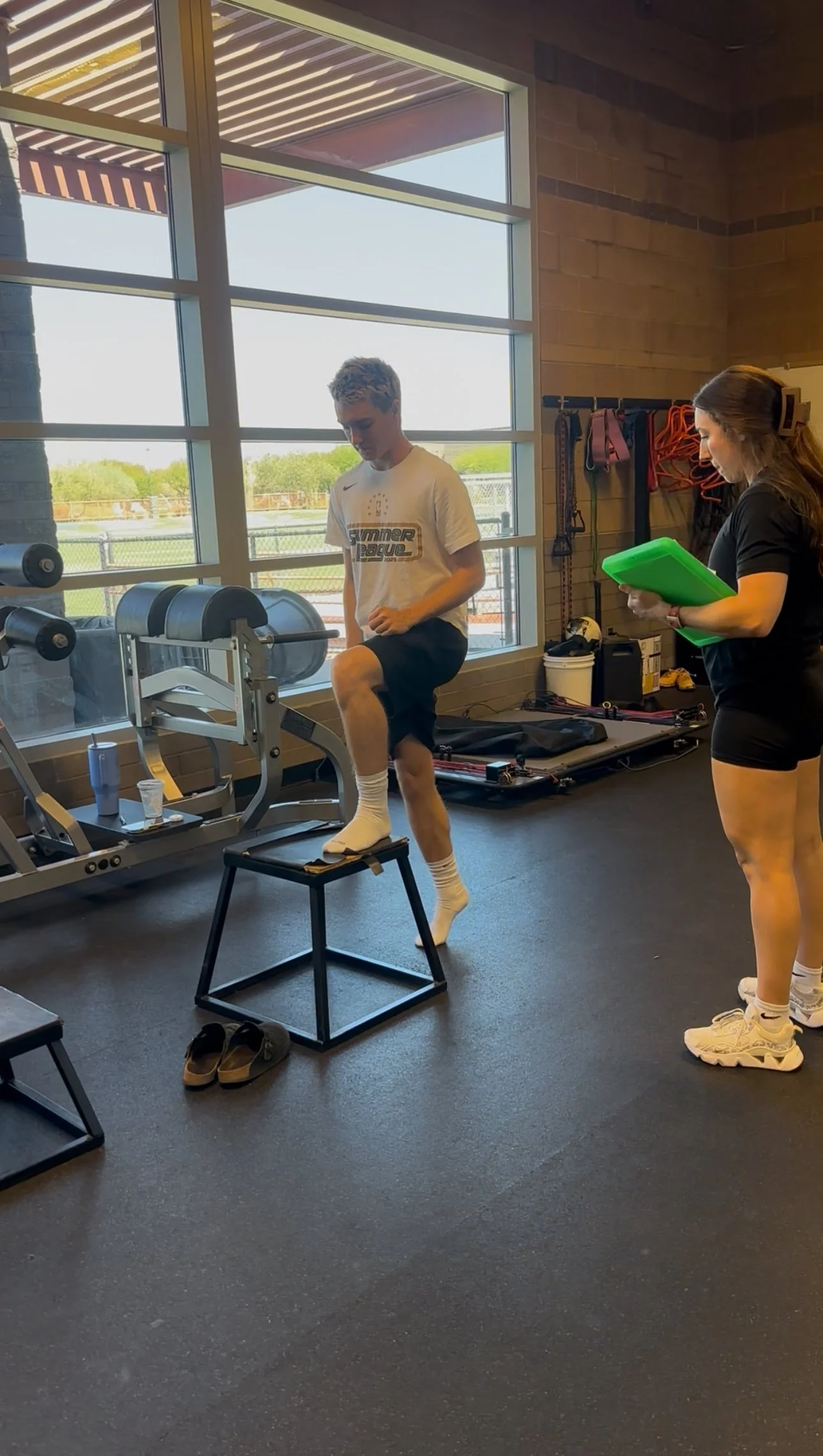
This is why an initialmovement assessmentmatters. Most PTs start with paperwork. We start with movement.
At Corrective Physical Therapy, we evaluate:
Spinal mobility
Core stability
Nerve mobility
Movement mechanics
Strength deficits
Exercise tolerance
Sport and activity demands
Instead of chasing symptoms, we identify the movement limitations and mechanical stressors contributing to the irritation.
Our Approach to Physical Therapy for Sciatica
At Corrective Physical Therapy, every treatment plan is individualized based on your symptoms, goals, activity level, and movement patterns. Your sessions are always 1-on-1 with a licensed physical therapist, never rushed and never handed off to an aide.
Depending on your needs, your treatment plan may include:
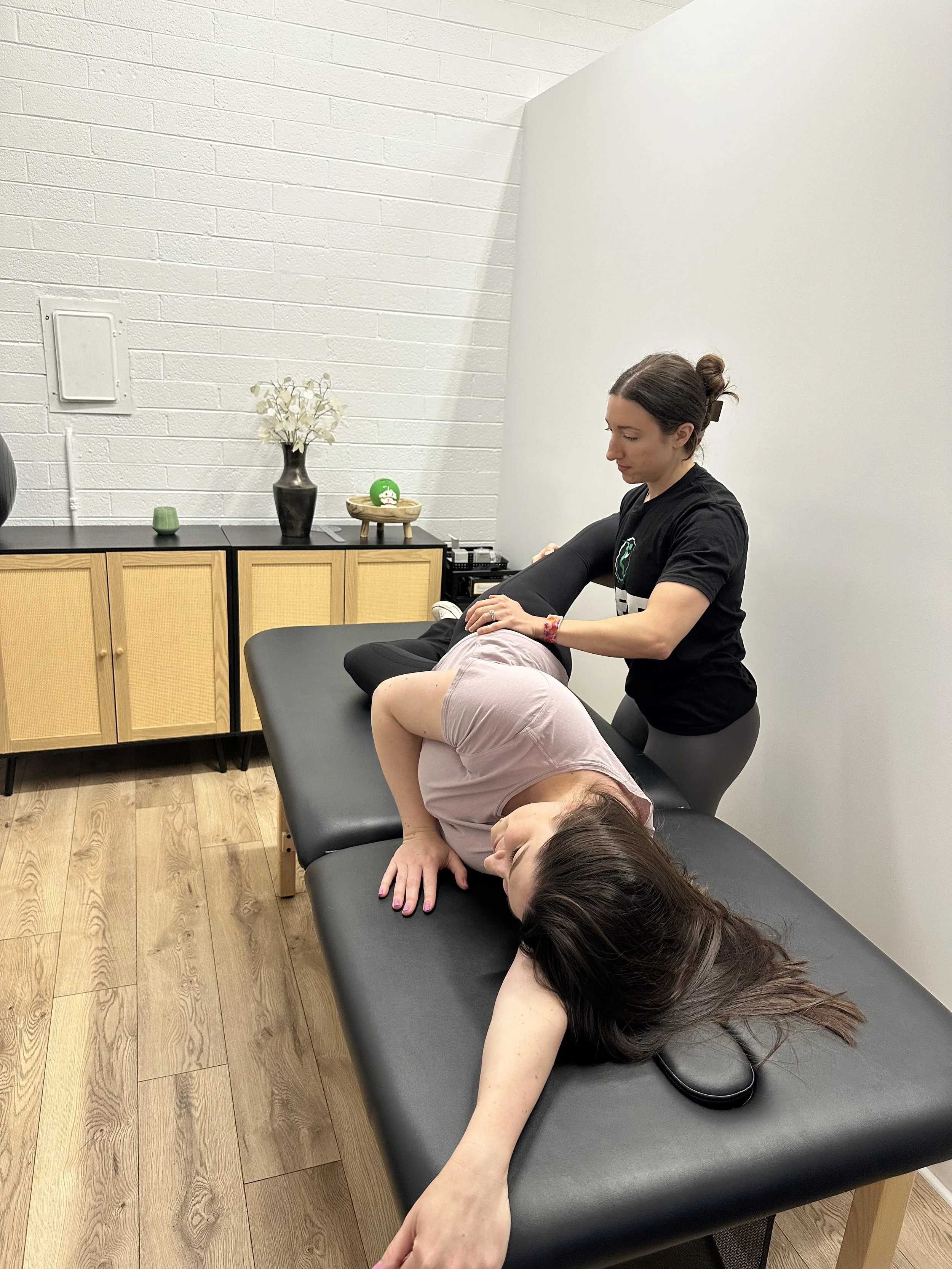
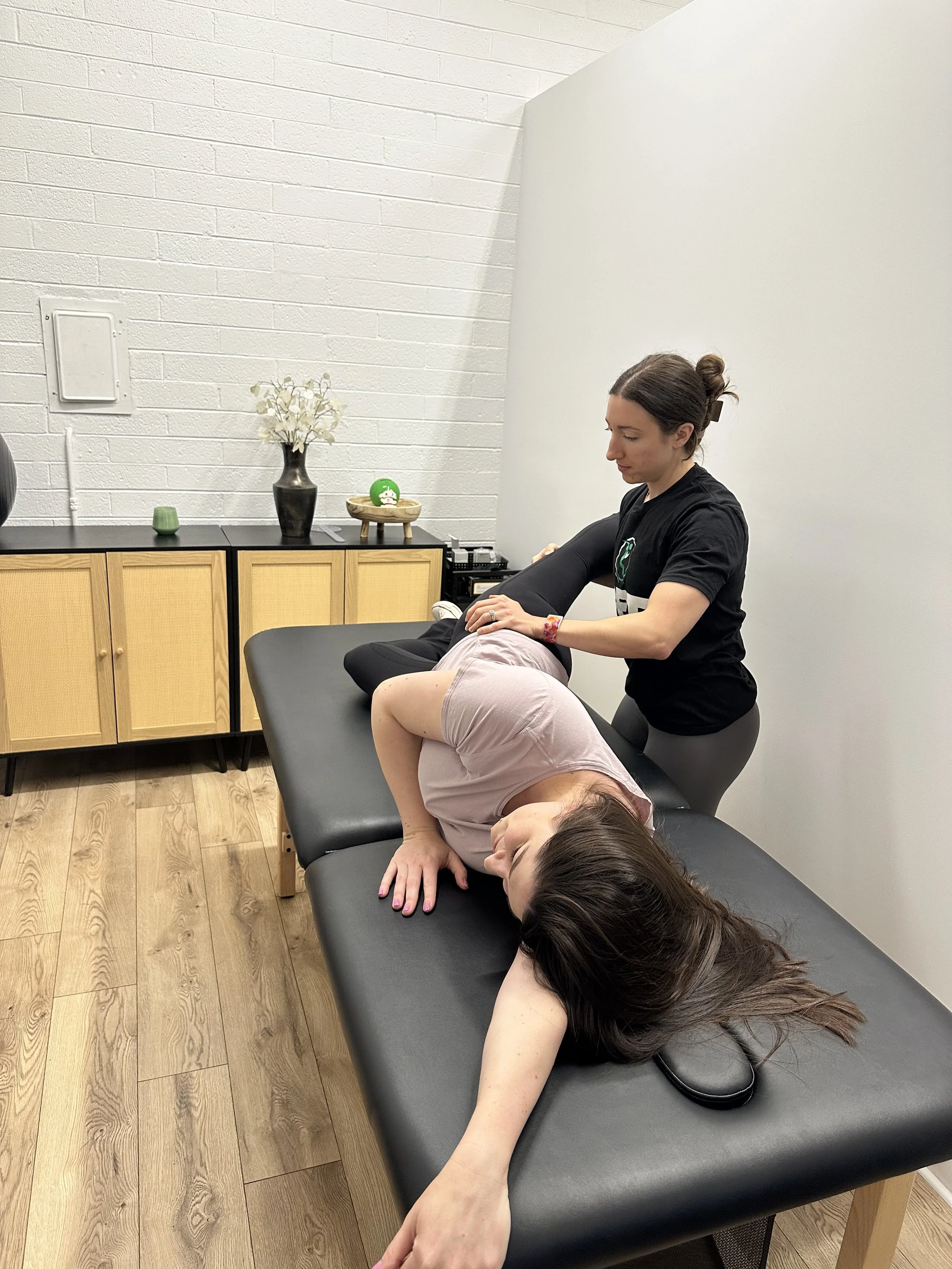
Manual Therapy
Hands-on treatment to improve joint mobility, reduce stiffness, and decrease irritation around affected tissues.
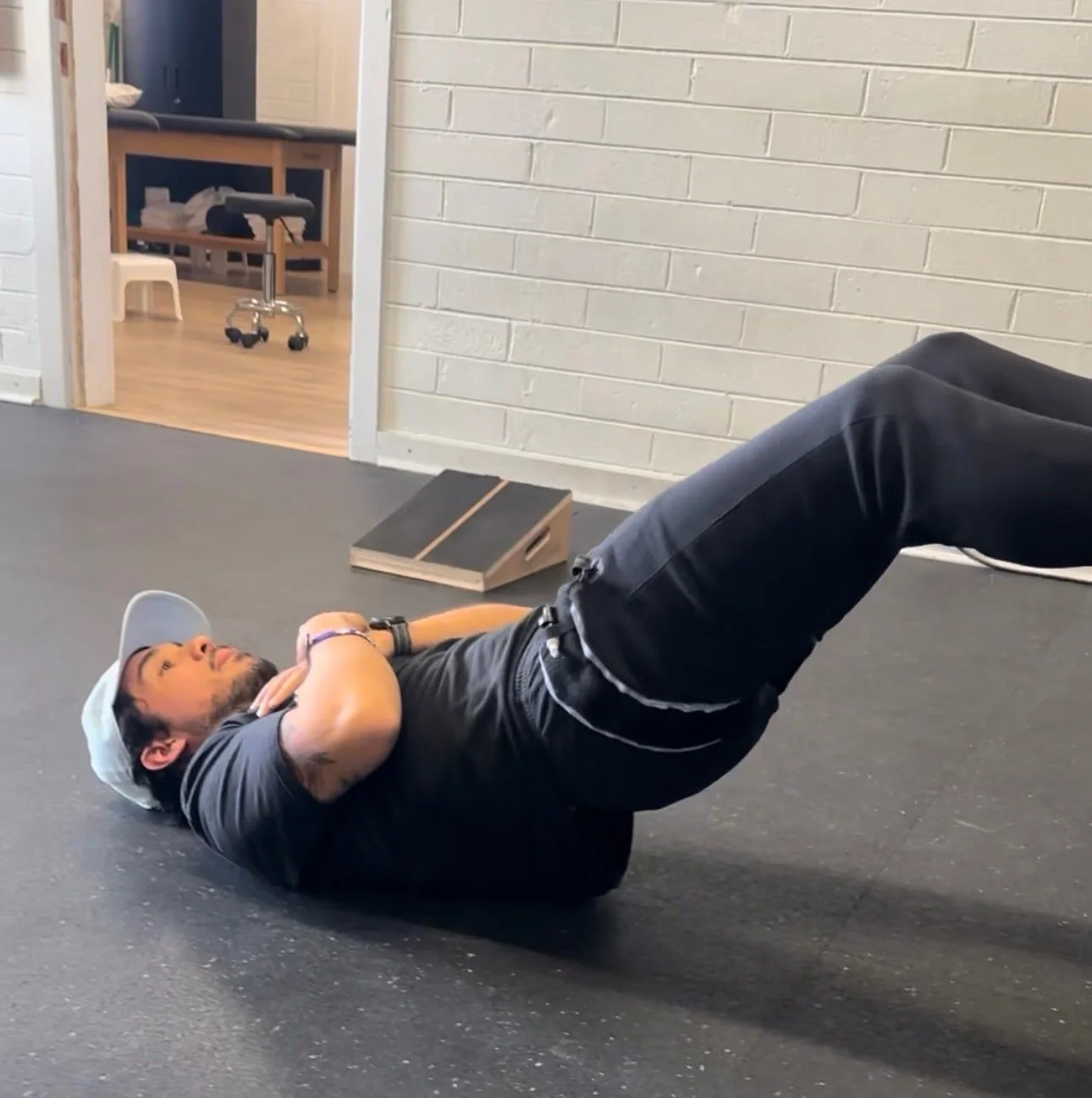
Nerve Mobility Training
Specific exercises, such as sciatic nerve glides and mobility drills, designed to help the nerve move more freely and reduce sensitivity.
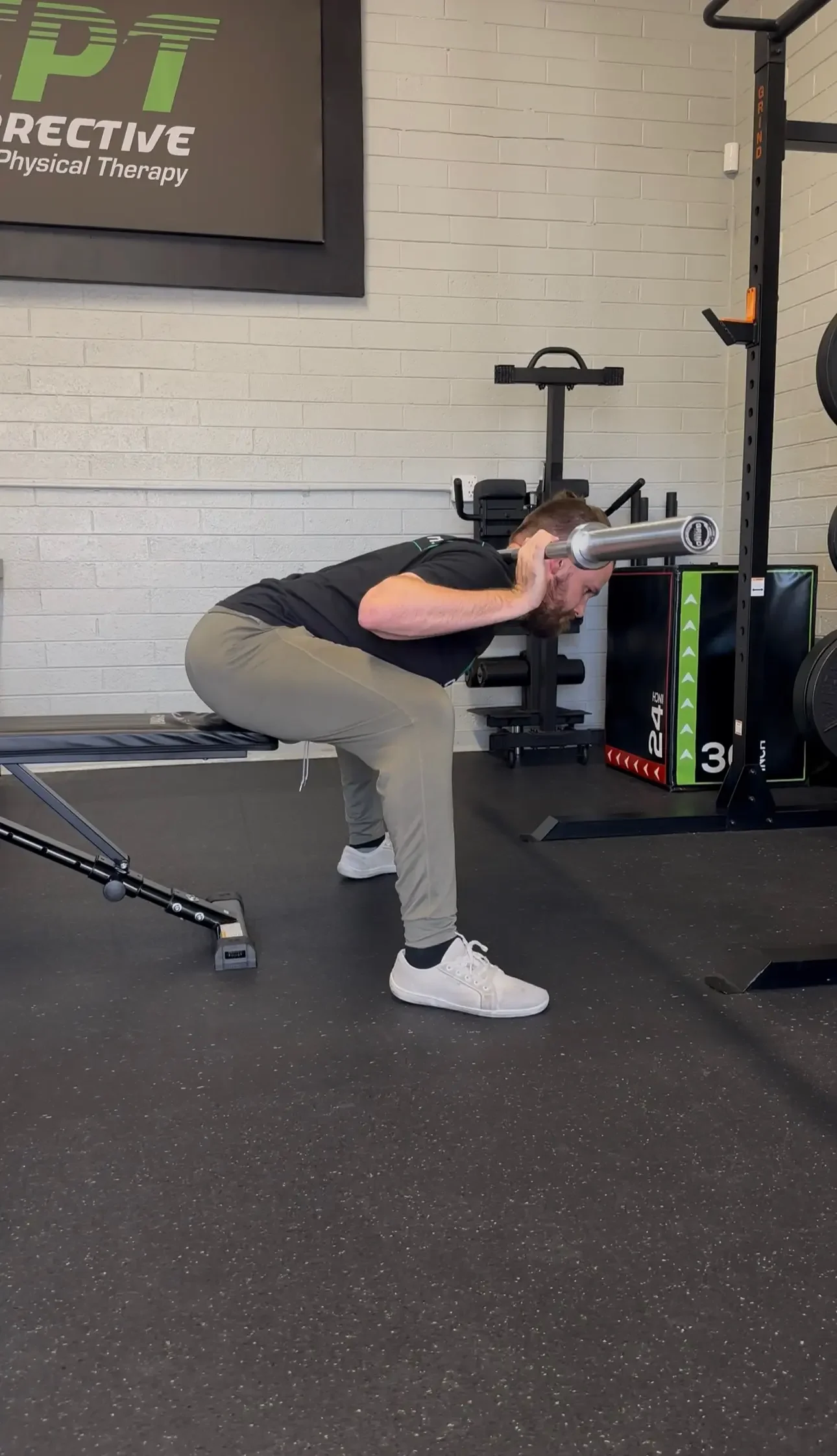
Strength & Progressive Loading
Recovery requires building resilience. We progressively strengthen the muscles that support your spine, pelvis, hips, and lower body so your body can tolerate higher levels of activity again.

Movement Retraining
We address movement patterns that may be overloading the spine or irritating the nerve during exercise, lifting, standing, running, or sports.
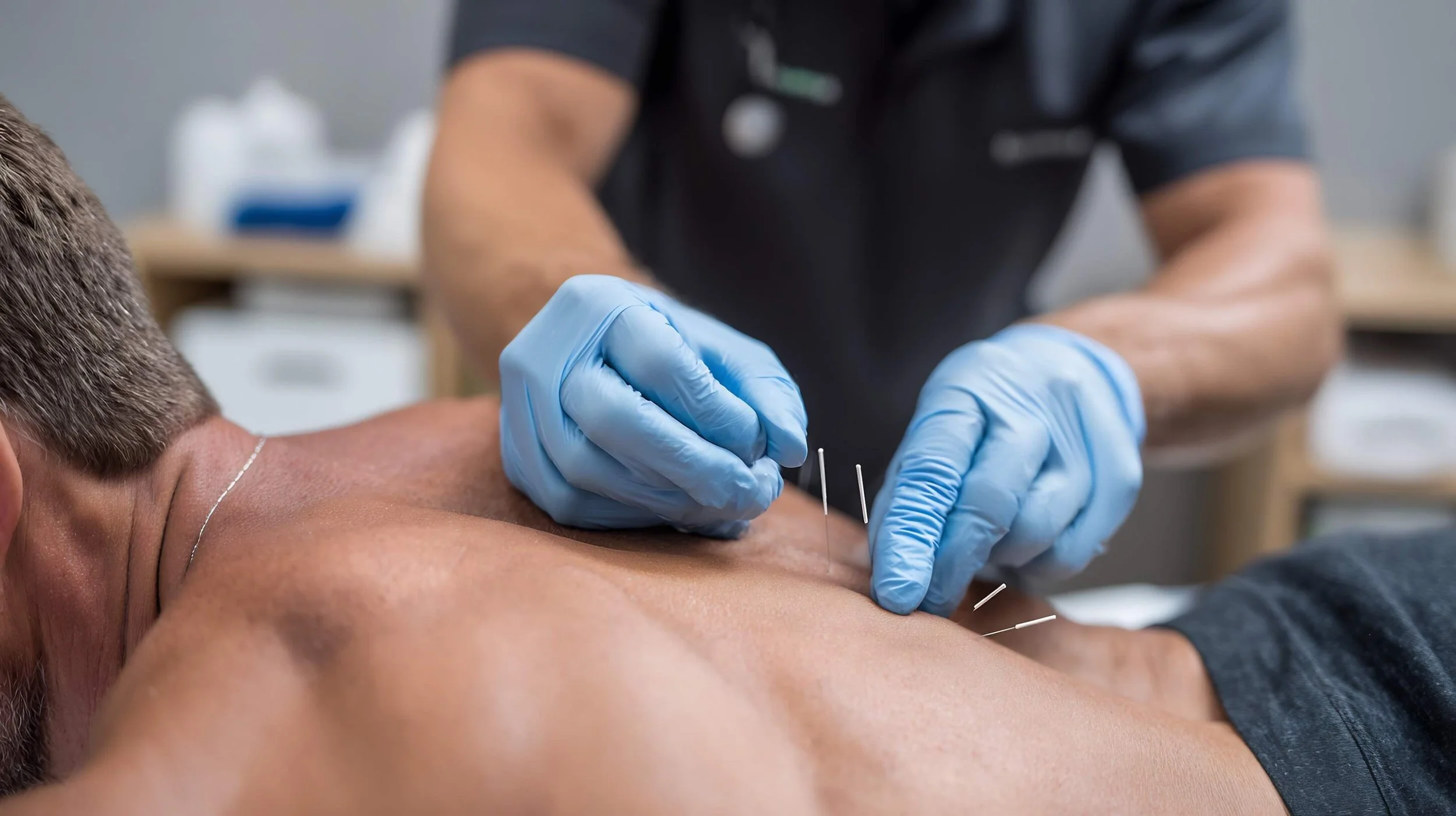
Dry Needling
Dry needling may be used to reduce muscular tension and improve movement quality around irritated areas.
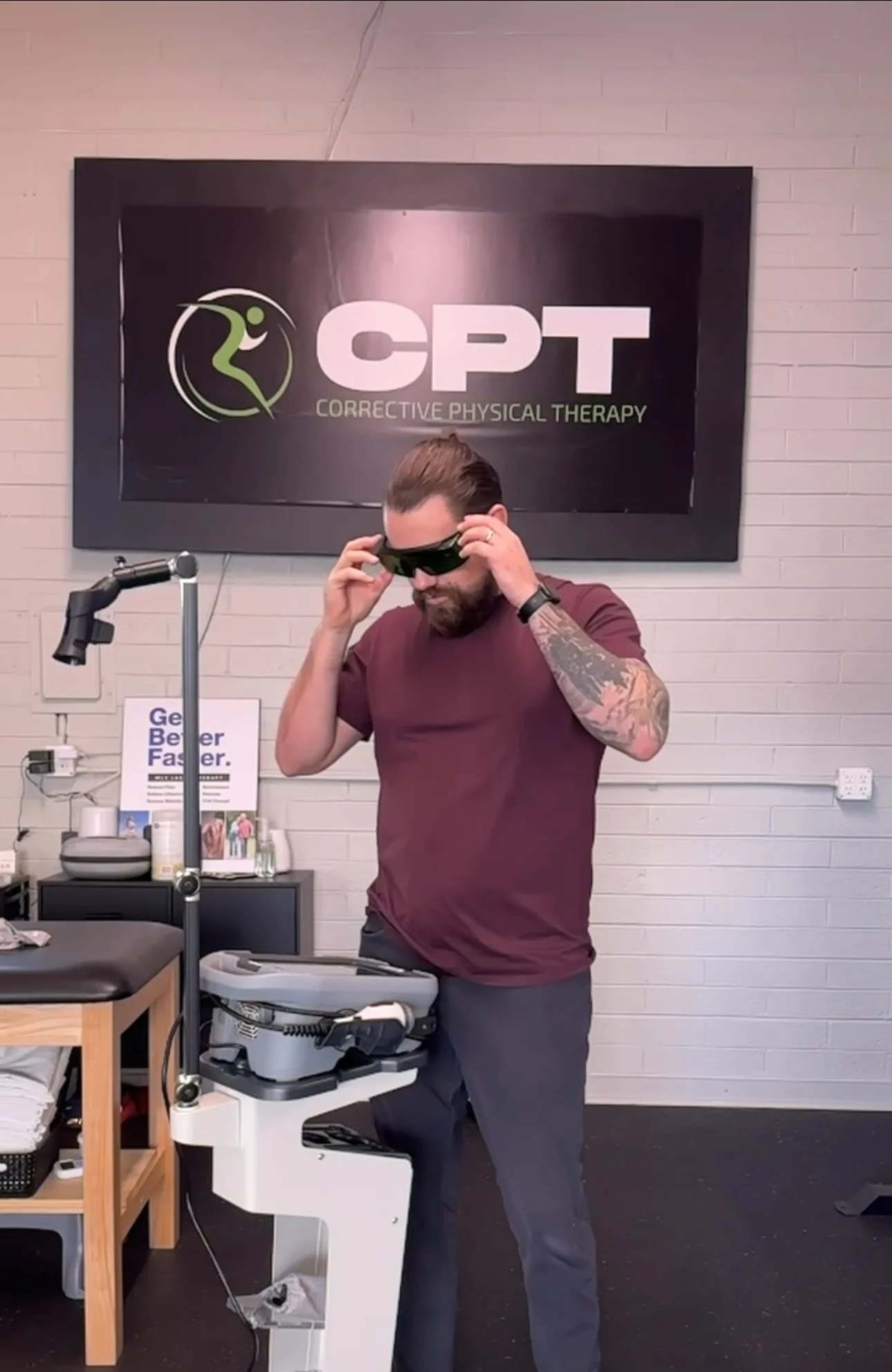
Laser Therapy for Sciatica
Advanced laser therapy may help reduce inflammation and support tissue healing.

Personalized Home
Rehab Program
No generic handouts. Your rehab program is customized specifically to your body, symptoms, and goals.
At Corrective Physical Therapy, we teach you how to move confidently again without fear of every little sensation or flare-up.
Sciatica Exercises & Nerve Mobility
Sometimes sciatic nerve pain sufferers are afraid to move because they think movement will worsen the problem. In reality, the right type of movement is often one of the most important parts of recovery.
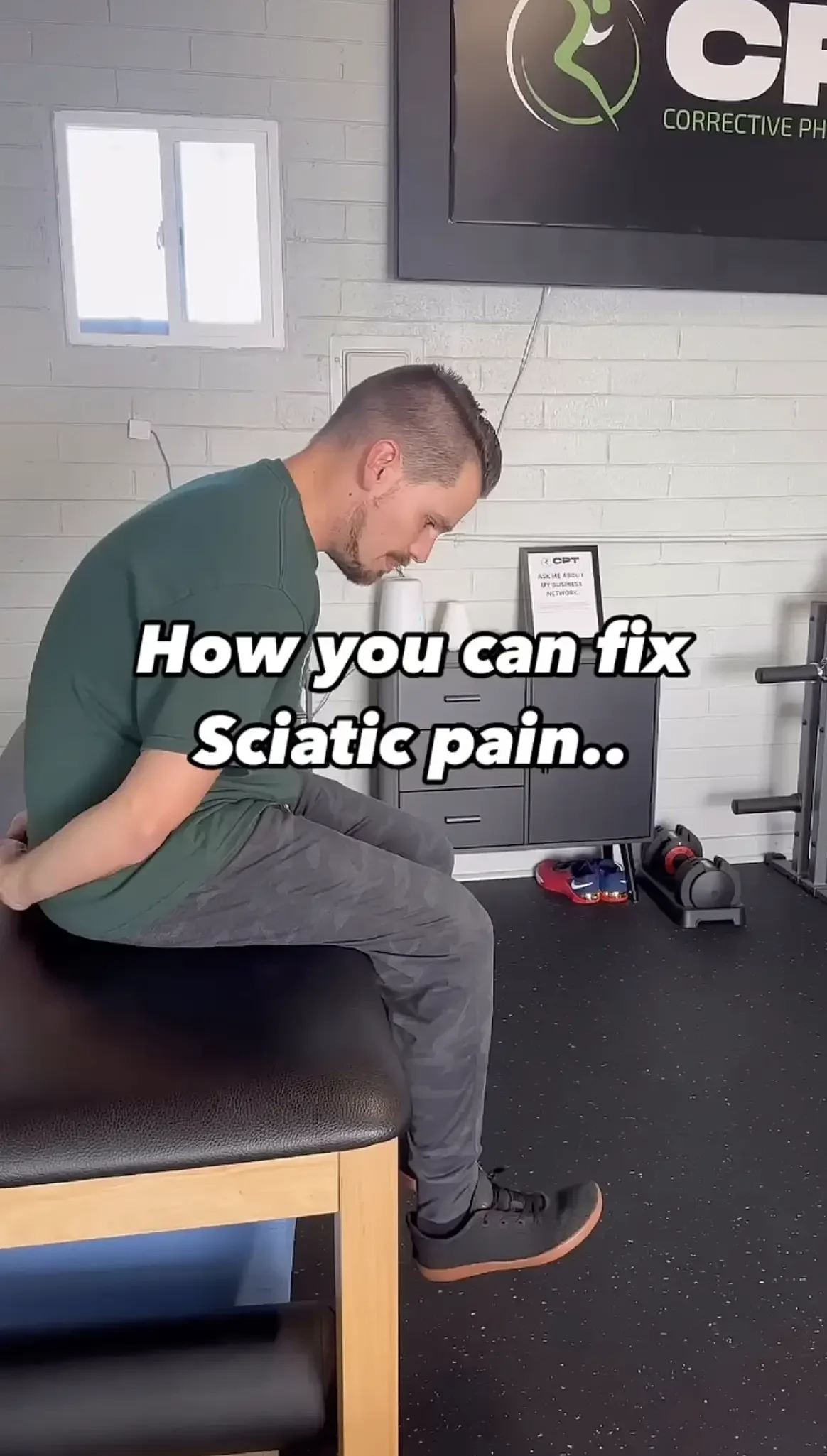
Here are 2 exercises that can reduce sciatic nerve pain.
1. Slump nerve glide: Be in a slumped/poor posture sitting position with head down. Bring toes back toward you and start to straighten leg, as you bring leg up you bring your head up towards the ceiling. As you lower the leg back down, bring the head back down.
2. Elephant Walks: Find a starting position that is comfortable to you with trunk bent forward. Keep knees bent and slowly straighten one knee back to a slight pull then bring back. Perform one leg at a time and dont push into pain.
Some patients benefit from:
Sciatic nerve glides
Slump mobility drills
Hip mobility work
Core strengthening
Pelvic control exercises
Gradual hamstring loading
Progressive strength training
The goal is not to “stretch the nerve aggressively,” but to improve mobility, tolerance, and control without constantly triggering symptoms.
Conditions Commonly Associated with Sciatica
Sciatic nerve pain may be related to:
Lumbar disc irritation
Herniated discs
Lumbar radiculopathy
Piriformis syndrome
Hip mobility restrictions
Pelvic control dysfunction
Athletic overuse
Postural stress
Movement compensation patterns
Even if you’ve been dealing with symptoms for months or years, recovery is possible with the right plan and guidance.
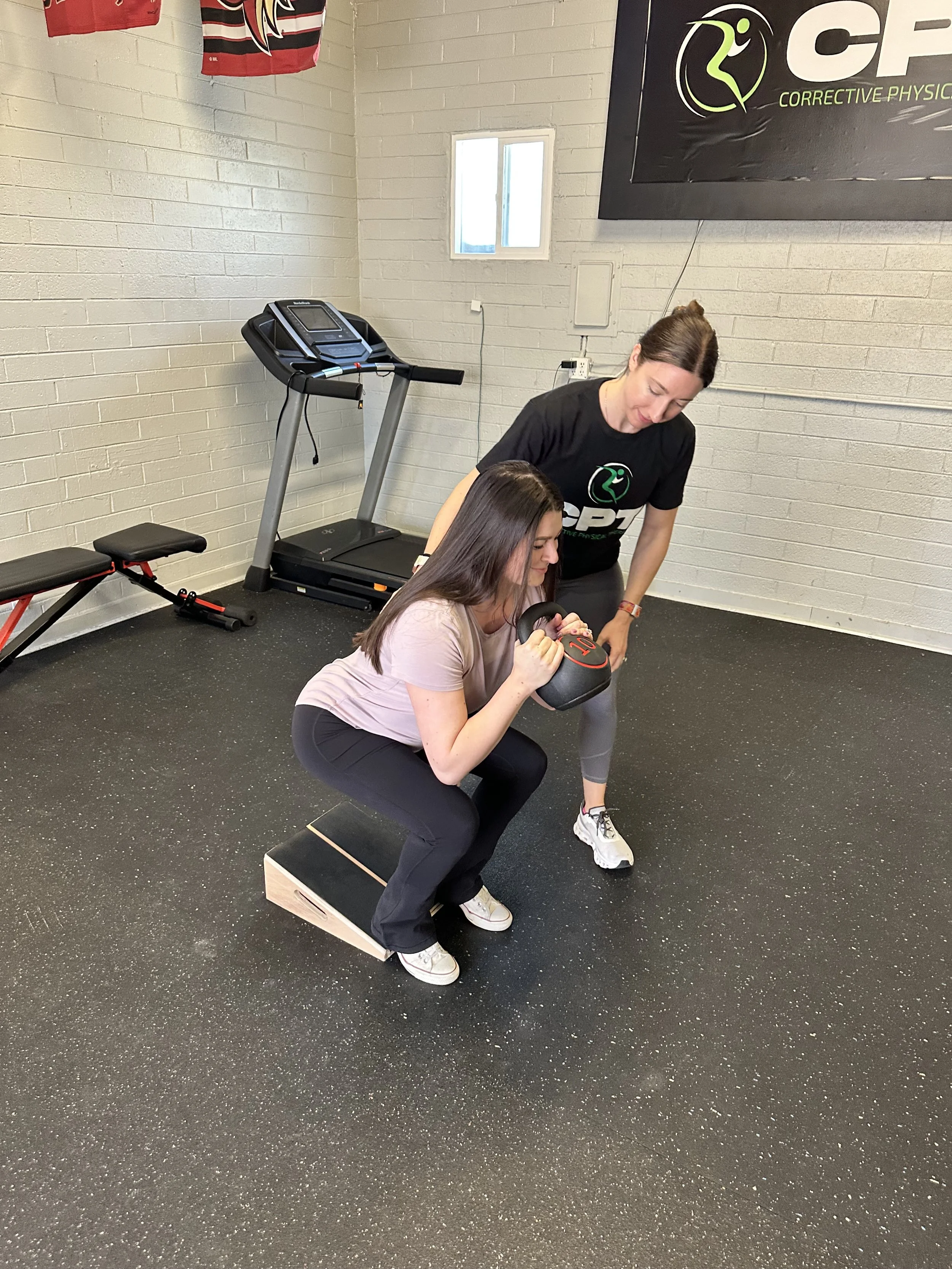
Why Patients Choose Corrective Physical Therapy
Unlike traditional physical therapy clinics where patients rotate between aides and exercise stations, Corrective Physical Therapy was built around individualized care and performance-focused rehab.
What Makes CPT Different?

1-on-1 treatment sessions

Sports rehab expertise

¡Sí, hablamos español!

Full 60-minute evaluations

Focus on active adults and former athletes

Education that helps you understand your pain

Personalized rehab plans

Evidence-based treatment

Locations in Scottsdale & Arcadia
Physical Therapy for Sciatica in Scottsdale & Arcadia, AZ
Corrective Physical Therapy provides personalized physical therapy for sciatica, nerve pain, chronic low back pain, sports injuries, and movement-based dysfunction in Scottsdale and Arcadia, Arizona.
Whether your goal is getting back to the gym, standing longer without symptoms, returning to sports, or simply moving through daily life with less pain, our team is here to help.
If you’re dealing with sciatica, tingling, nerve pain, or chronic low back pain, we can help you understand what’s driving your symptoms and create a plan to move forward.
Request an appointment and learn more about our 1-on-1 physical therapy approach in Scottsdale and Arcadia, AZ.

Sciatica Physical Therapy FAQs
-
Not always.
Many people assume an MRI is required whenever they experience low back pain or nerve symptoms. While imaging can be useful in certain situations, MRI findings do not always correlate with pain levels or function.
It’s extremely common for active adults and former athletes to show disc bulges, degeneration, or “wear and tear” on imaging even when they are functioning well.
At Corrective Physical Therapy, we focus heavily on improving function:
How you move
How you tolerate activity
How strong and resilient your body becomes
How confidently you return to exercise and life
Structure can influence symptoms, but function often has a greater impact on long-term outcomes. If needed, we will always refer out for further medical evaluation when symptoms indicate imaging or additional care is appropriate.
-
Sciatica typically involves symptoms that travel from the low back or hip down into the leg. This can include burning, tingling, numbness, sharp pain, heaviness, or tightness along the back or side of the leg. However, not all leg pain is true sciatica, which is why a full movement and nerve assessment is important.
-
In many cases, yes. Physical therapy can help reduce irritation around the nerve, improve mobility, restore strength, and address movement patterns contributing to symptoms. Many people improve significantly without injections or surgery.
-
Sciatic nerve irritation can come from several different factors, including:
Disc irritation in the low back
Joint stiffness
Poor pelvic control
Muscle tension
Nerve mobility restrictions
Movement compensation patterns
Prolonged sitting or standing
Sports and overuse injuries
Sometimes symptoms are driven by multiple factors at the same time.
-
For many people, gentle movement and walking can help improve symptoms. However, the “right” amount depends on your current irritability level and movement limitations. Some people benefit from gradually increasing walking tolerance, while others first need to improve nerve mobility or movement mechanics.
-
Not always. What feels like “tight hamstrings” can sometimes actually be nerve tension or irritation. Aggressively stretching into symptoms may worsen irritation in some cases. A proper assessment can help determine whether mobility work, nerve glides, strength training, or movement retraining is more appropriate.
-
Yes, prolonged sitting can sometimes increase pressure and irritation around the sciatic nerve, especially if the nerve is already sensitive. Positioning, mobility restrictions, and movement habits can all influence symptoms.
-
Recovery timelines vary depending on the severity, duration of symptoms, activity level, and contributing movement factors. Some patients improve within weeks, while others with chronic symptoms may require a longer progressive rehab plan focused on strength, mobility, and load tolerance.
-
Treatment may include:
1-on-1 physical therapy
Manual therapy
Nerve mobility exercises
Strength and progressive loading
Pelvic and core control training
Movement retraining
Dry needling
MLS Grade IV Laser Therapy
Personalized rehab programming
Every treatment plan is customized to the individual patient.
That’s what CPT does.