

Knee Pain Physical Therapy in Scottsdale & Arcadia, AZ
Personalized Rehab for Knee Pain, Patellar Tendonitis & ACL Recovery
Knee pain can make everything harder…workouts, running, lifting, hiking, sports, stairs, and even everyday movement. If your symptoms developed gradually from overuse or after a major injury or surgery, the goal of rehab is still the same and it’s more than just “rest until it calms down.”
At Corrective Physical Therapy, we provide personalized, 1-on-1 physical therapy for knee pain, patellar tendonitis, runner’s knee, ACL rehab, and sports-related knee injuries in Scottsdale and Arcadia, AZ.
Our approach focuses on restoring strength, improving movement control, rebuilding tissue capacity, and helping you confidently return to the activities you love.
Because we believe that long-term recovery is about rebuilding your body’s ability to handle what you throw at it, not avoiding the load forever.
Why Knee Pain Happens
One of the biggest misconceptions about knee pain is that pain automatically means damage. In many cases, knee pain develops because the knee is being asked to tolerate more stress than the surrounding tissues currently have the capacity to handle.
That may happen from:
Sudden increases in activity
Repetitive loading over time
Poor movement mechanics
Strength deficits
Loss of hip or ankle mobility
Reduced impact tolerance
Returning to sports too quickly
At Corrective Physical Therapy, we focus heavily on rebuilding capacity. We help the knee become stronger, more resilient, and better able to tolerate real-world movement demands.
Knee Rehab Is About More Than Just the Knee
The knee does not work in isolation. How your hips, ankles, feet, pelvis, trunk, and movement mechanics function all influence how stress travels through the knee joint.
For runners especially, movement efficiency matters. Small changes in mechanics — like cadence, foot strike, hip control, or crossing midline while running — can dramatically change how force is distributed through the knees.
Our goal is to go beyond just reducing pain temporarily and to improve how your entire body handles movement.
That is why our knee rehab process often includes:
Foot stability
Core control
Landing mechanics
Rotational control
Progressive impact training
Why Strength Matters for Knee Pain
Here are 2 exercises that can make your knees stronger.
What you need: Band, something to prop heel up, and a good attitude.
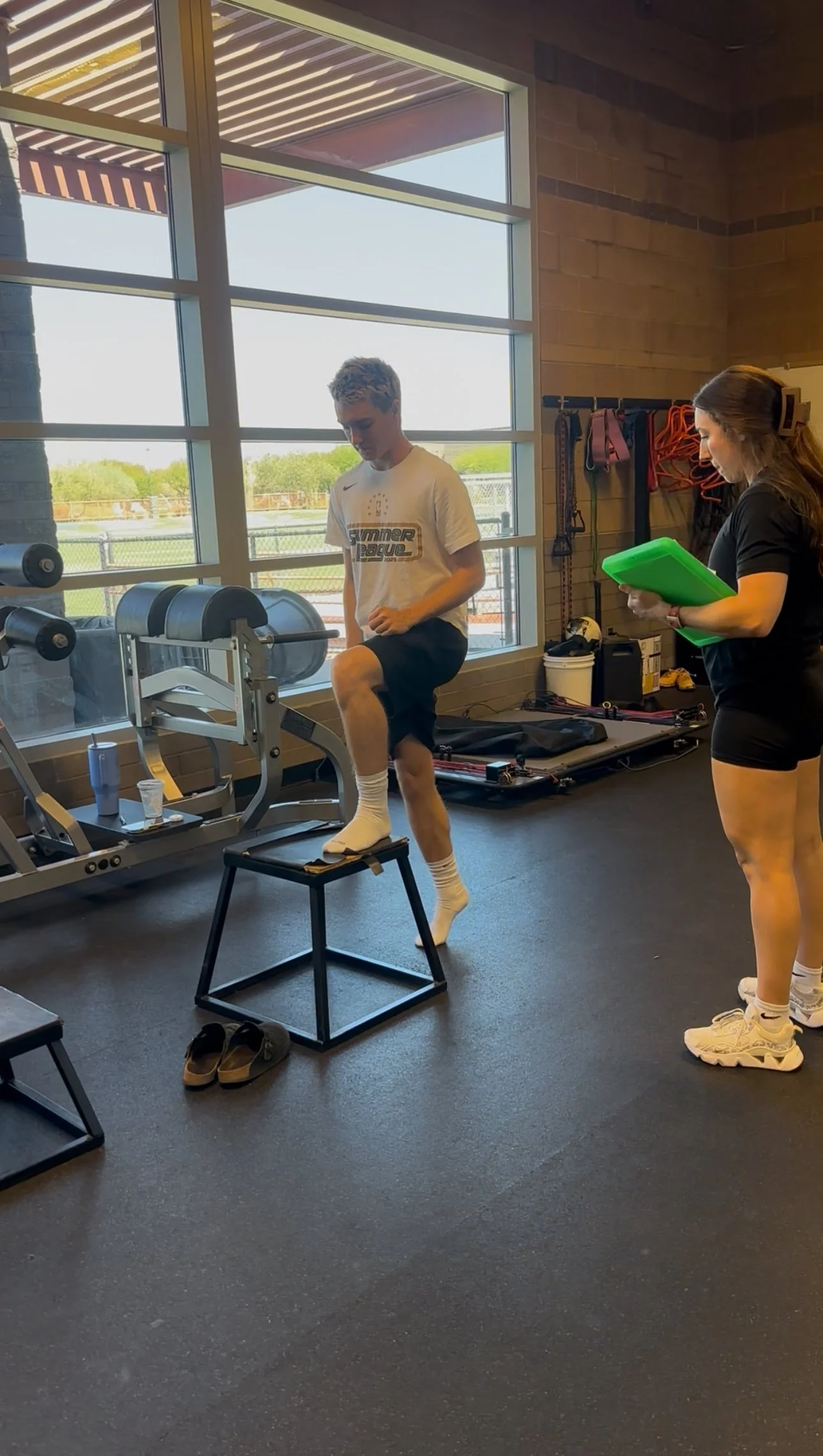
Movement 1: Poliquin step down- elevate heel higher than your foot, put all weight on 1 leg and then bend at your knee pushing knee towards toes to lower your other leg down. Then squeeze your quad muscle to straighten your knee to bring you back up.
Movement 2: Heel Elevated Squat-Prop both heels up and perform a squat by pushing knees forward towards toes to lower your body down. Cues: Keep your torso very upright, keep core engaged and focus on lengthening through the knee to provide movements.
Many knee conditions improve when the tissues become more tolerant to load.
For example:
Patellar tendon pain often responds well to progressive loading
ACL rehab requires rebuilding strength and movement confidence
Runner’s knee frequently improves when strength and control improve throughout the lower body
Chronic knee pain often improves when capacity increases gradually over time
At Corrective Physical Therapy, we use evidence-based strength progressions to help patients safely rebuild tolerance and performance.
Depending on your condition, treatment may include:
Split squat variations
Heel elevated squats
Wall sits
Single-leg strength work
Impact progression
Plyometrics
Stability drills
Running progression
Sport-specific rehab
Our licensed physical therapists progressively challenge the knee so it can adapt and become more resilient over time.
ACL Rehab & Return to Sport in Scottsdale & Arcadia
Recovering from an ACL injury requires more than simply “getting cleared.” Rest assured, our PTs have been there and done that when it comes to ACL recovery.
Successful ACL rehab should help restore:
Strength symmetry
Explosiveness
Landing control
Rotational stability
Confidence with cutting and change of direction
Sport-specific movement capacity
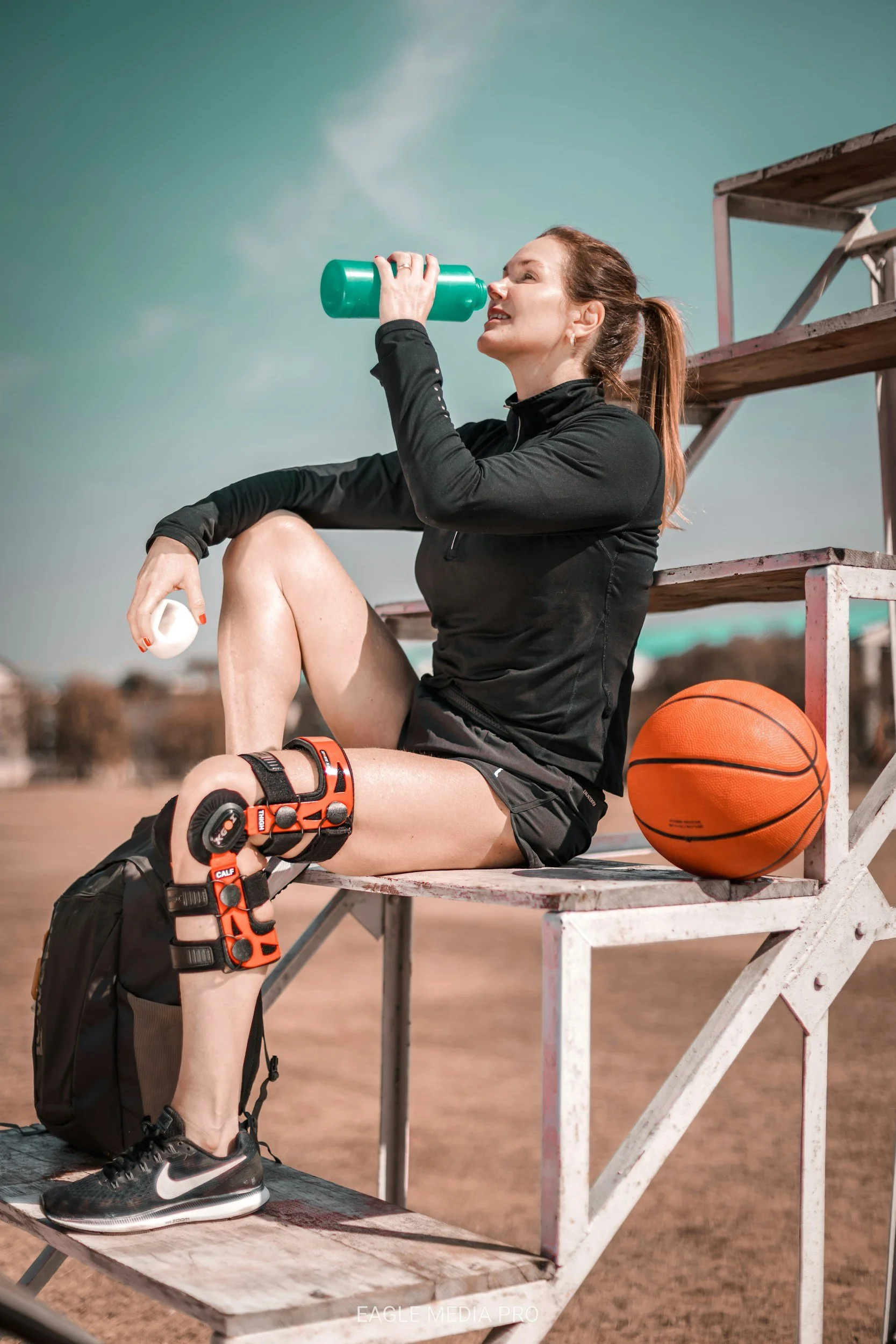
At Corrective Physical Therapy, ACL rehab is individualized to your sport, goals, timeline, and performance demands.
Whether you are returning to basketball, soccer, lifting, running, pickleball, or recreational activity, rehab should prepare your body for the actual demands of your lifestyle.
Blood Flow Restriction (BFR) Training for Knee Rehab
Blood Flow Restriction (BFR) Training is one of the tools we use to help patients build strength while reducing stress on painful or healing tissues.
BFR uses a specialized cuff system to safely restrict blood flow while performing low-load exercises. This allows patients to gain strength and muscle without needing heavy weights.
BFR can be especially helpful for:
ACL rehab
Post-surgical recovery
Patellar tendon pain
Knee pain flare-ups
Muscle loss after injury
Athletes returning to sport
Patients who cannot yet tolerate heavy loading
This allows patients to continue building strength safely while protecting healing tissues and joints.
Common Knee Conditions We Treat
Whether your goal is returning to running, lifting, sports, hiking, or simply moving without pain, treatment should address the underlying movement and strength deficits contributing to your symptoms.
We commonly help patients dealing with:
Patellar tendonitis (“jumper’s knee”)
Runner’s knee
Anterior knee pain
ACL injuries and post-op ACL rehab
Meniscus irritation
Knee instability
Knee pain with running
Knee pain during squats or workouts
Chronic knee pain
Sports-related knee injuries
Overuse injuries
Knee stiffness and mobility restrictions
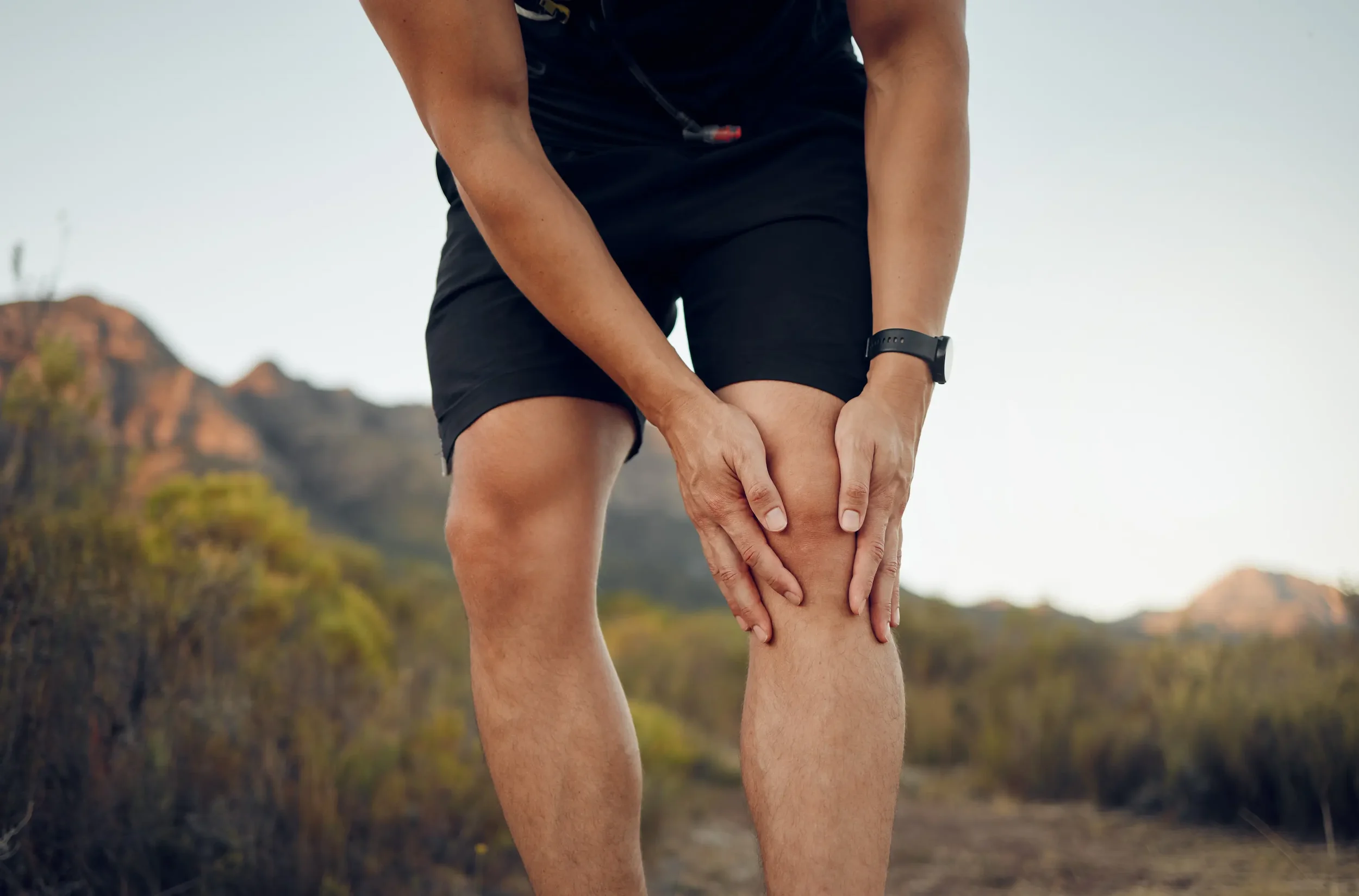
Our Approach to Physical Therapy for Knee Pain
Every session at Corrective Physical Therapy is 1-on-1 with a licensed Doctor of Physical Therapy.
Treatment plans are individualized based on your symptoms, sport, movement patterns, goals, and activity demands.
Depending on your needs, treatment may include:
-
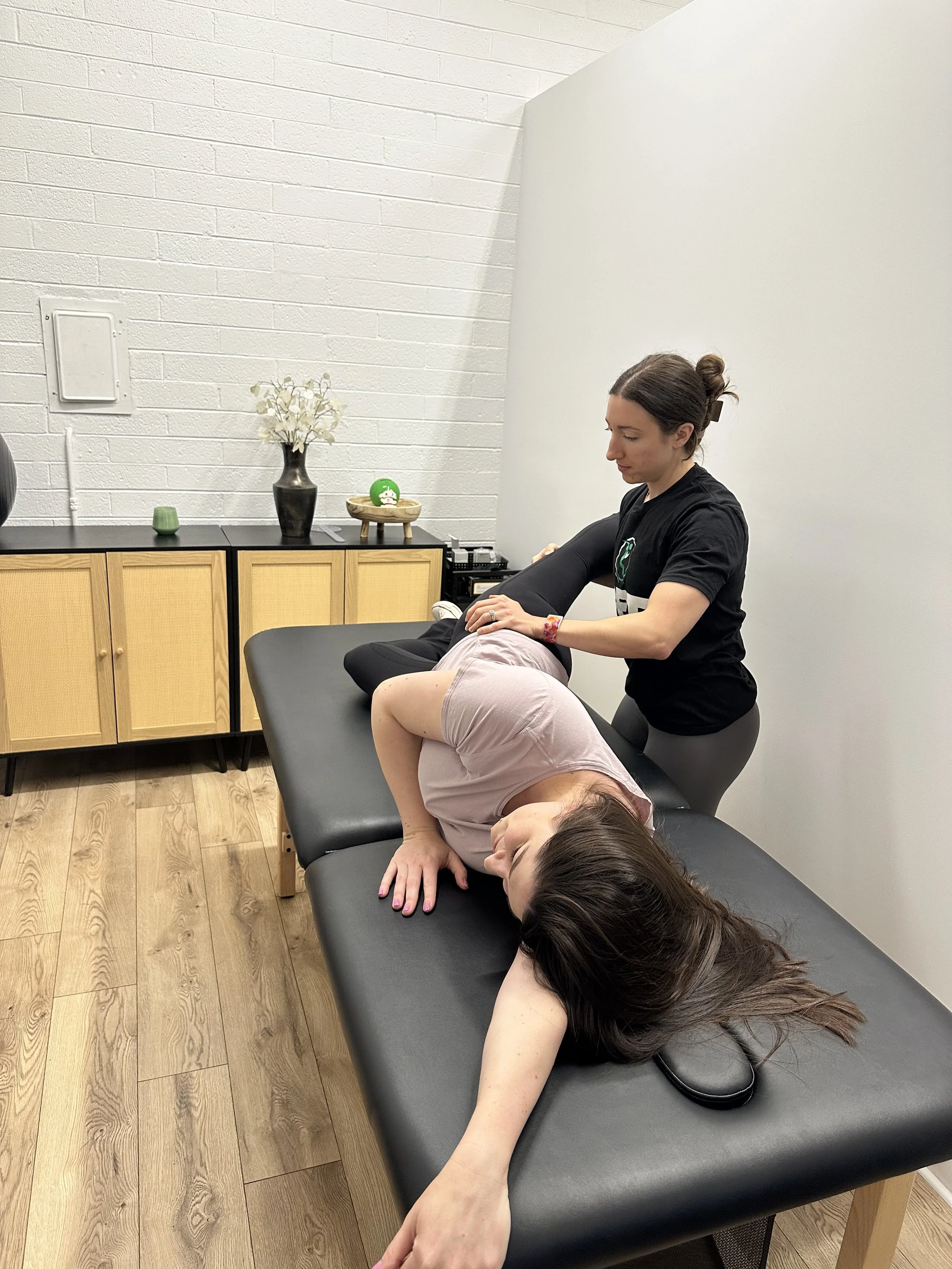
Manual Therapy
Hands-on therapy to improve mobility and reduce stiffness around the knee, hips, ankles, and surrounding tissues.
-
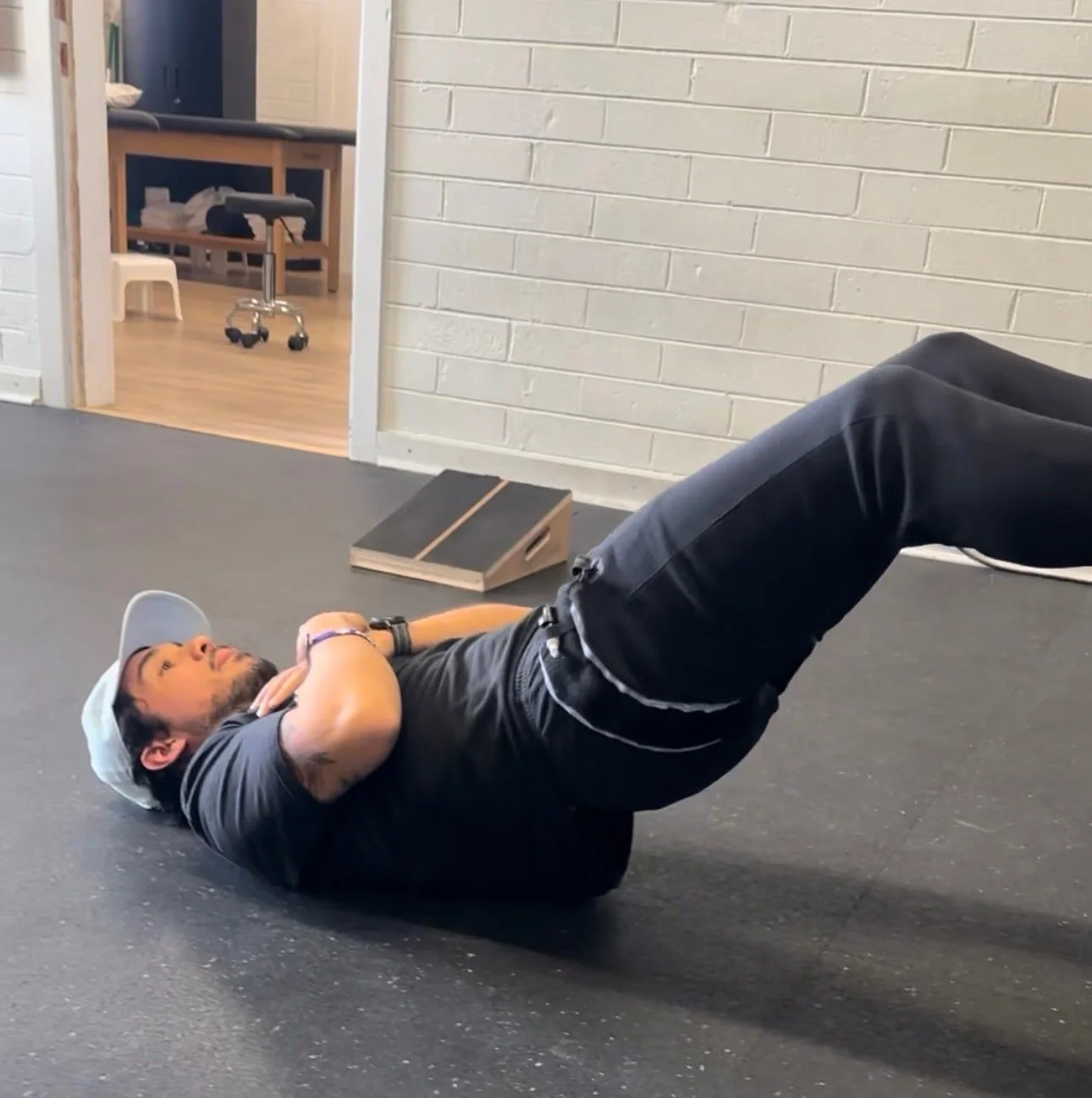
Blood Flow Restriction (BFR) Training
Low-load strength BFR training designed to stimulate muscle growth and recovery while minimizing joint stress.
-

Strength & Progressive Loading
Structured strength and progress loading to improve tissue capacity, resilience, and long-term performance.
-
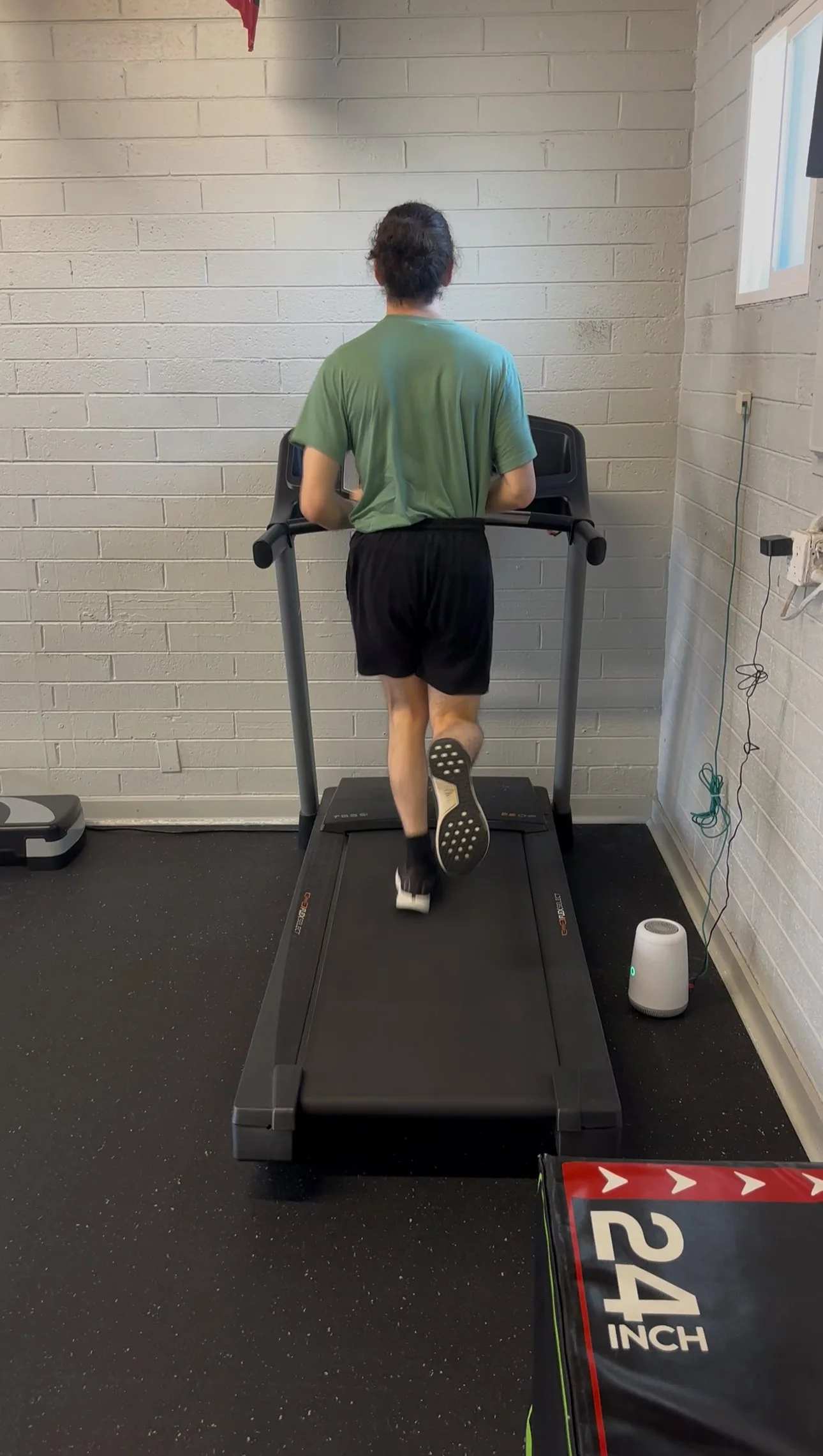
Running & Movement Analysis
Assessment of movement mechanics, gait and running analysis, landing strategy, and efficiency to identify factors contributing to knee pain.
-
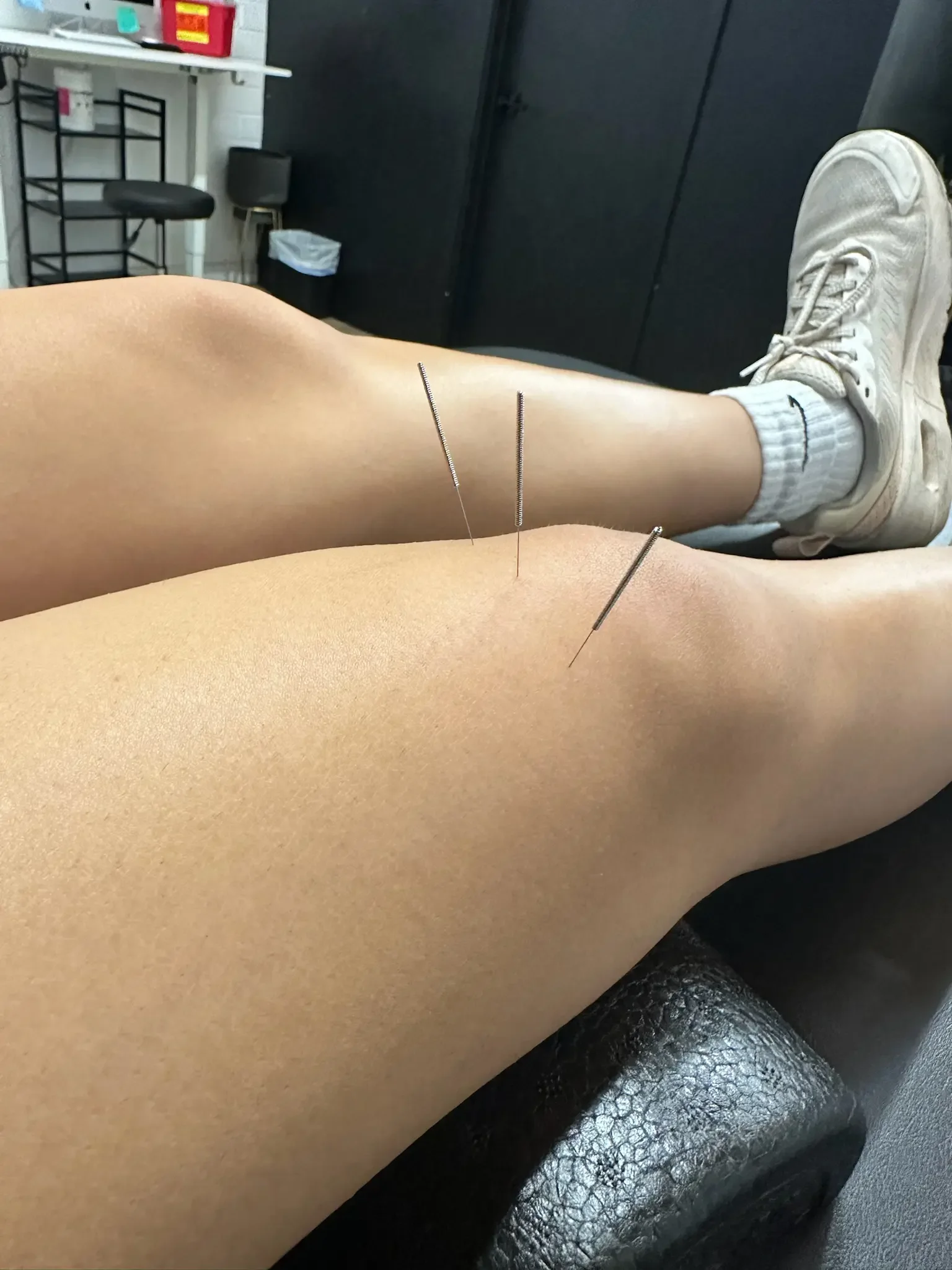
Dry Needling
Dry needing may help reduce muscular tension and improve movement quality.
-
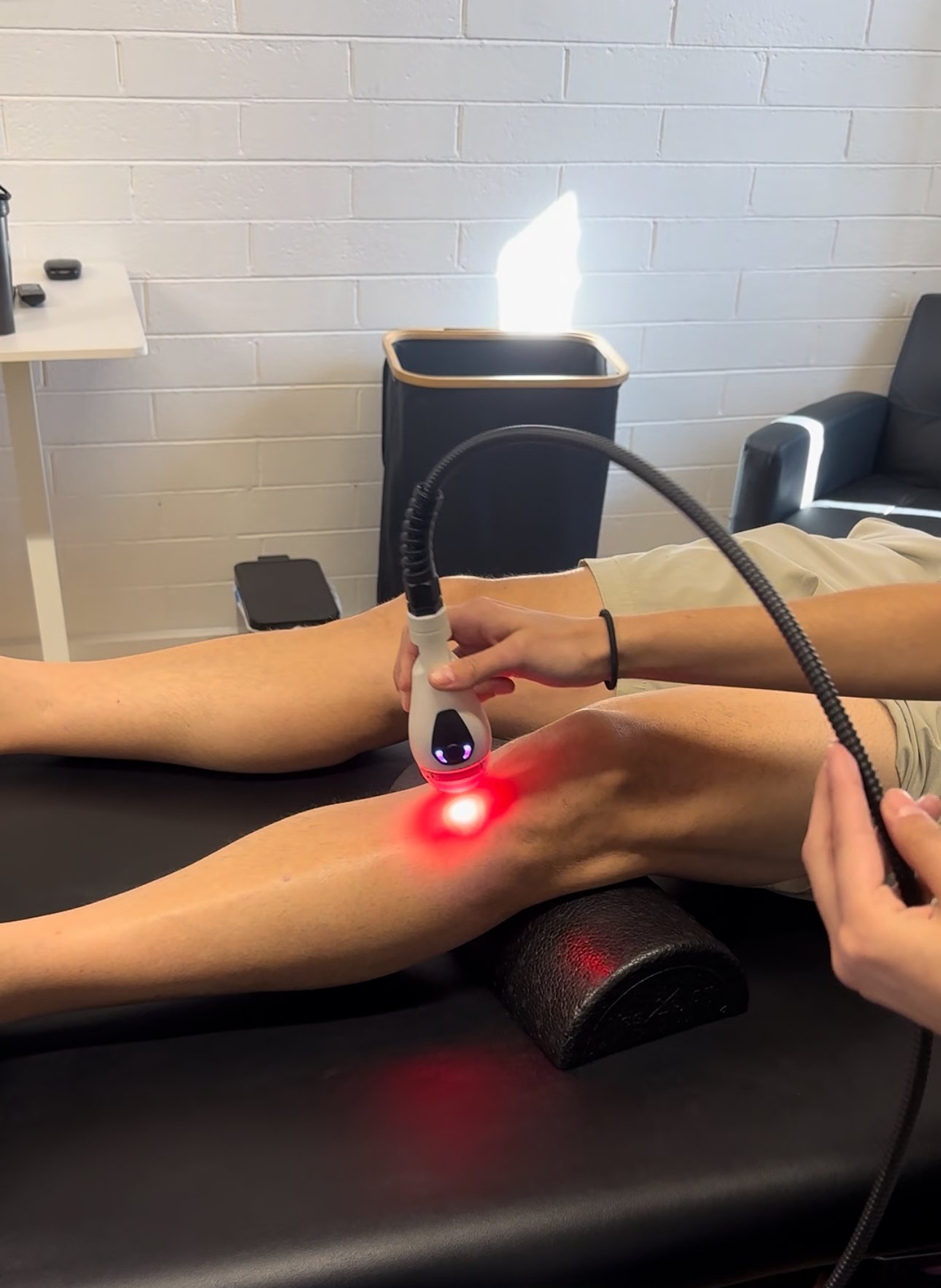
Laser Therapy for Knee Pain
Advanced laser therapy may help reduce inflammation and support tissue healing.
-
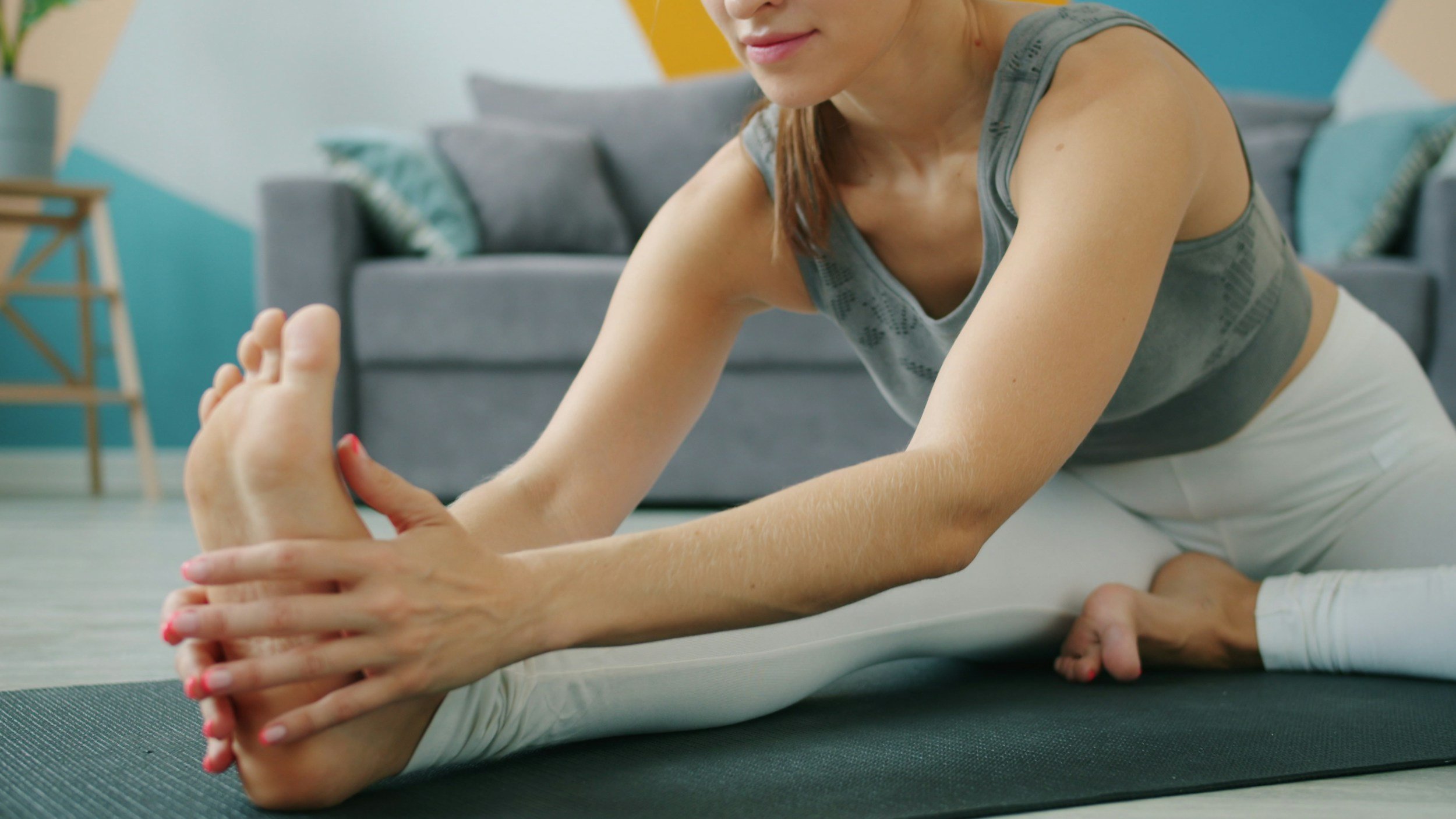
Personalized Home Rehab Program
No generic handouts. Your rehab program is customized specifically to your body, symptoms, and goals.
-
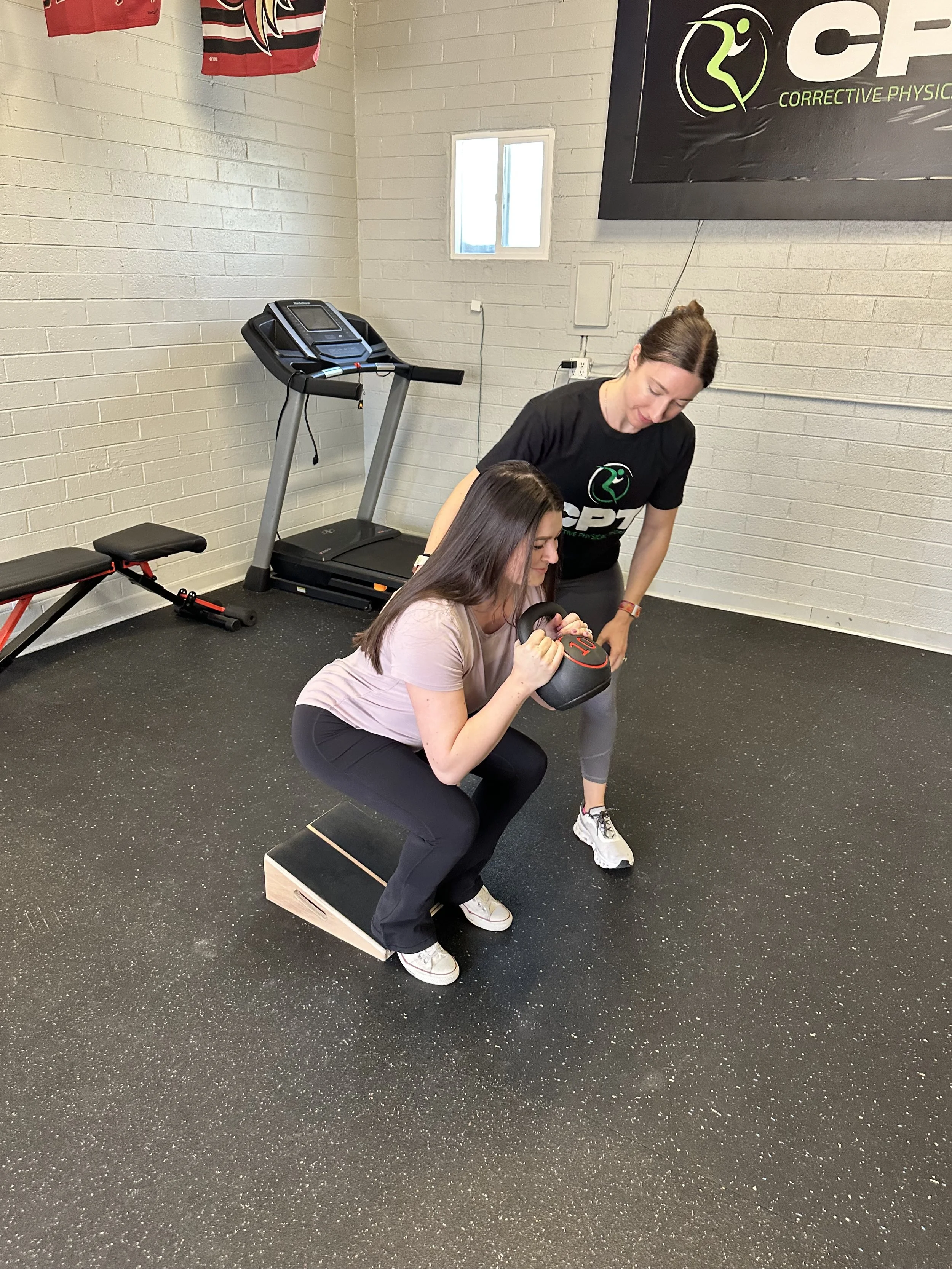
Hip, Core & Foot Stability Training
Improving lower-body control and force distribution throughout the movement chain.
-
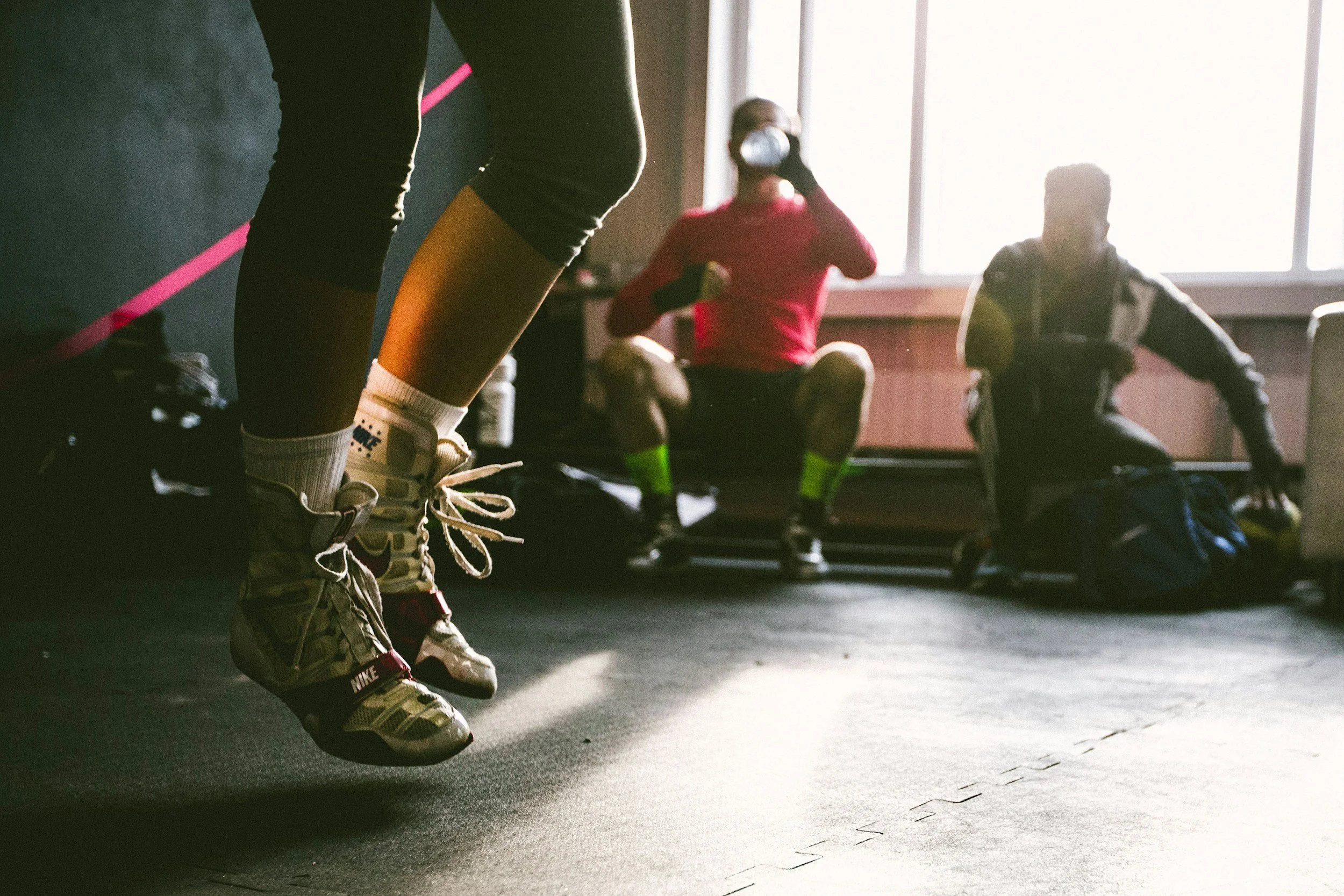
Plyometric & Impact Training
Progressive drills designed to improve landing tolerance, force absorption, and athletic performance.
Patient Testimonials
After I had a total knee replacement I completed 20 weeks of intensive therapy at a large clinic and they told me they didn’t know how to help me anymore. Matt’s approach was the opposite of everything they had been doing. While they tried to force my knee to bend, Matt began strengthening the muscles in my leg that would help me get my range of motion back and he was very careful to be gentle with my knee so he did not cause any additional swelling. My body responded immediately to this change in care and I am on the road to recovery. Don’t waste your time or energy on the big clinics, go see Matt. He knows what he is doing!
— Milissa C.I was involved in a car accident and was treated by Dr Dan. My experience with CPT has been nothing but amazing. I honestly was very uneasy at first that PT would actually help my knee. 2 weeks into treatment my knee felt way better and I regained my confidence immediately. Dr Dan conducted specific exercises to target specific muscles I didnt even know I had! Results were immediate and brighter days are now ahead of me. He extinguished all my doubts of my knee failing for daily routine and activities. I'm very thankful to have be treated by CPT.
— Anthony C.Dr. Brown has really taking the reins on my knee recovery. Two months ago I struggled to exercise consistently as my knee would swell post workout. Now, I am working out five times a week some of those workouts being with add. Brown but more importantly I am able to play full-court basketball again.
— Eddie N.Why Patients Choose Corrective Physical Therapy
At Corrective Physical Therapy, we combine sports performance principles with individualized rehab to help patients move beyond temporary pain relief.
What Makes CPT Different?
1-on-1 treatment sessions

Sports rehab expertise

¡Sí, hablamos español!

Full 60-minute evaluations

Focus on active adults and former athletes

Education that helps you understand your pain

Personalized rehab plans

Evidence-based treatment

Locations in Scottsdale & Arcadia
Physical Therapy for Knee Pain in Scottsdale & Arcadia, AZ
Corrective Physical Therapy provides personalized physical therapy for knee pain, ACL rehab, sports injuries, patellar tendonitis, and movement-based dysfunction in Scottsdale and Arcadia, Arizona.
Our mission is simple: Help you move better, get stronger, and return to the activities you love with confidence.
If knee pain is limiting your workouts, sports, running, or daily life, the team at Corrective Physical Therapy can help.
Request an appointment and learn more about our 1-on-1 physical therapy approach in Scottsdale and Arcadia, AZ.

Meet the Doctors

Dr. Matthew Brown PT, DPT, SCS
Dr. Matthew Brown is a sports physical therapist who helps active adults and athletes recover from injuries, improve performance, and return to the activities they enjoy. As the founder of Corrective Physical Therapy, he combines advanced sports rehabilitation training with strength and movement-based treatment to address the root cause of pain and keep patients performing at their best.
Founder & Performance Specialist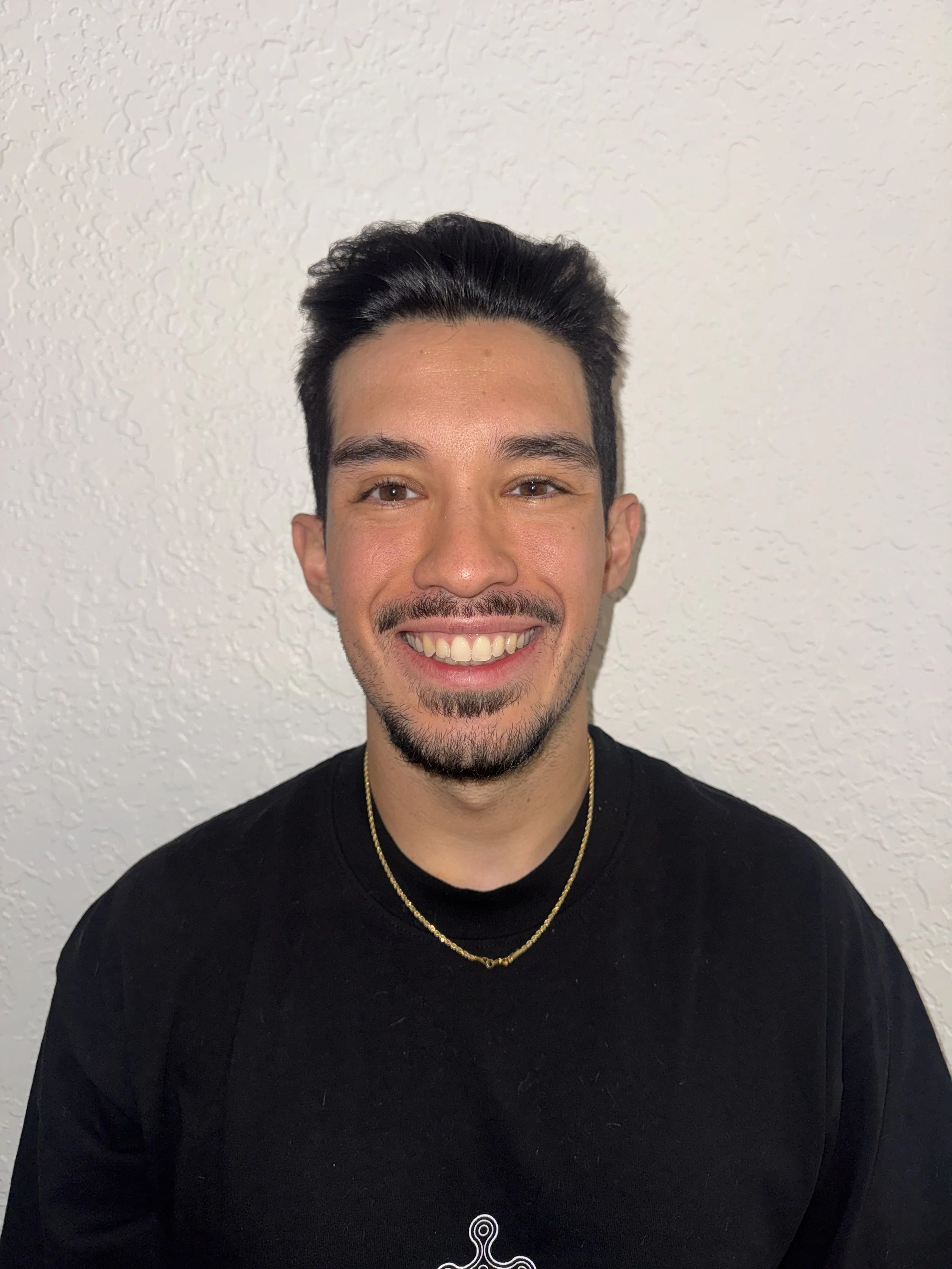
Dr. Daniel Paredes, PT, DPT, CSCS
Physical Therapist | Sports Performance & Running SpecialistDr. Danny Paredes is a sports physical therapist who helps runners, athletes, and active adults overcome pain, improve performance, and return to training with confidence. Combining his background in strength and conditioning, competitive athletics, and evidence-based rehabilitation, he bridges the gap between rehab and performance to help patients move better and achieve their goals.
Knee Pain Physical Therapy FAQs
-
In many cases, yes. Physical therapy can improve strength, mobility, movement mechanics, and tissue capacity to help reduce pain and improve function.
-
Patellar tendon pain is often related to repetitive loading that exceeds the tendon’s current capacity. This commonly occurs with running, jumping, sports, or rapid increases in activity.
-
Not always. Many runners can continue training with appropriate modifications while improving strength, mechanics, and load tolerance. Rehab is often about managing and rebuilding capacity rather than completely stopping activity.
-
Descending stairs increases the load placed through the knee joint, especially when the knee bends forward. Weakness, poor control, or reduced tolerance to load can contribute to pain during these movements.
-
Absolutely. Poor hip strength and control can change how force travels through the knee and contribute to excessive stress during walking, running, squatting, and sports.
-
Complete rest alone often does not solve the underlying issue. Long-term improvement usually requires progressively rebuilding strength, movement control, and tissue tolerance.
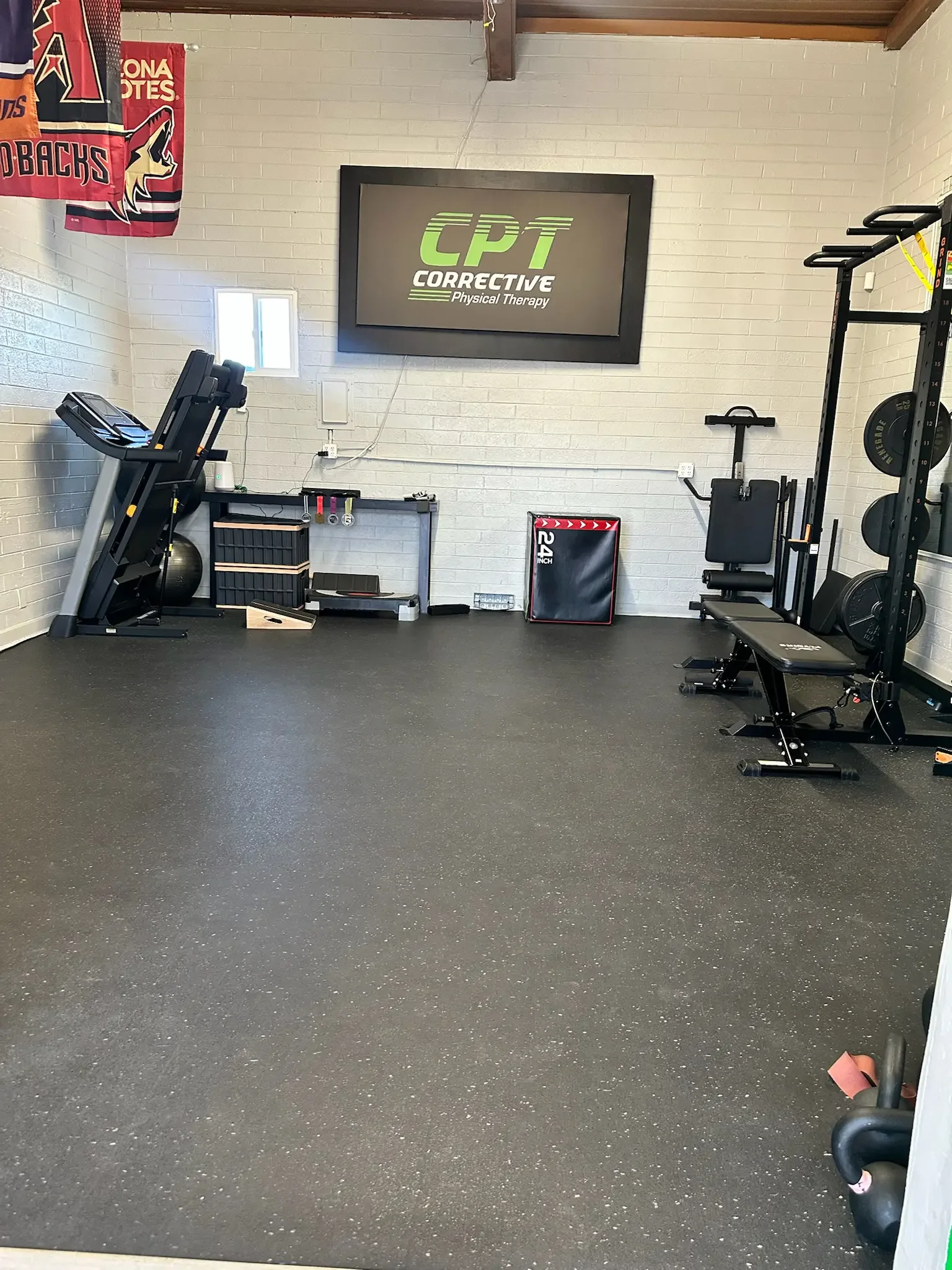
That’s what CPT does.