

Hip Pain & Labral Injury Physical Therapy in Scottsdale & Arcadia
Personalized Physical Therapy for Hip Pain at Corrective Physical Therapy
Hip pain can affect nearly everything you do, from workouts and sports performance to walking, standing, sitting, and even sleeping comfortably. Whether your pain feels sharp, pinching, stiff, unstable, or deep in the front or side of the hip, the problem is often more complex than simply having “tight hips.”
At Corrective Physical Therapy, we provide personalized, 1-on-1 physical therapy for hip pain, hip impingement, labral injuries, movement dysfunction, and sports-related hip injuries in Scottsdale and Arcadia, AZ.
Our approach goes beyond chasing symptoms. We evaluate how your hips move, how your body creates force, and how your movement mechanics may be contributing to irritation, compensation, and performance limitations.
The goal is to go beyond temporary relief and to help your hips move efficiently, feel strong, and tolerate the activities you actually want to return to.
Common Hip Pain Symptoms We Treat
Hip pain can show up differently from person to person. Some people feel pain deep in the front of the hip, while others notice stiffness, pinching, weakness, or discomfort into the glutes or groin.
We commonly help patients experiencing:
Hip pinching or impingement symptoms
Labral irritation or labral tears
Groin pain
Tight hips
Hip stiffness
Pain during squats or workouts
Pain with running or athletics
Clicking or catching sensations
Reduced hip mobility
Pain with prolonged sitting or standing
Hip pain associated with low back pain
Movement limitations after sports injuries
Whether your symptoms started suddenly or have gradually built up over time, treatment should address why the hip is becoming overloaded in the first place.
Hip Pain Is Often a Movement Problem, Not Just a “Tightness” Problem
One of the biggest mistakes people make with hip pain is assuming they simply need to stretch more.
Your hips are designed to rotate and absorb force. If they lose mobility or control, the body often compensates elsewhere, especially through your low back or knees.
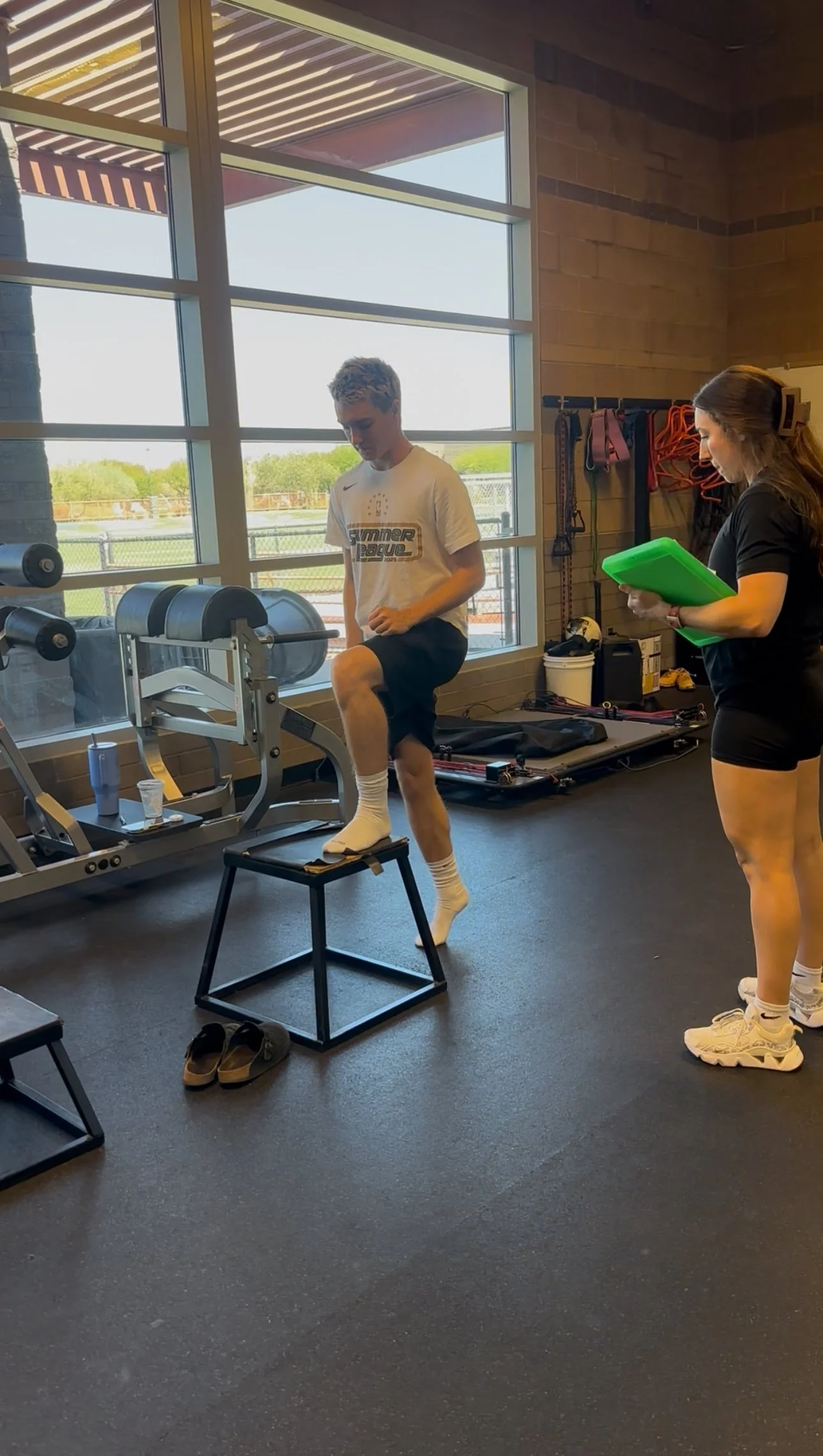
At Corrective Physical Therapy, we look at the way your whole body moves, not just where the pain is coming from. We focus heavily on helping patients restore active hip motion and strength together. Because mobility without control often does not last.
In reality, many painful hips are lacking:
Active control
Rotation
Strength at end ranges
Stability during movement
Proper load distribution
Our Approach to Physical Therapy for Hip Pain
Every patient at Corrective Physical Therapy receives individualized, 1-on-1 care with a licensed Doctor of Physical Therapy. Treatment plans are built around your body, goals, sport, activity level, and movement limitations.
Depending on your needs, your rehab may include:
-
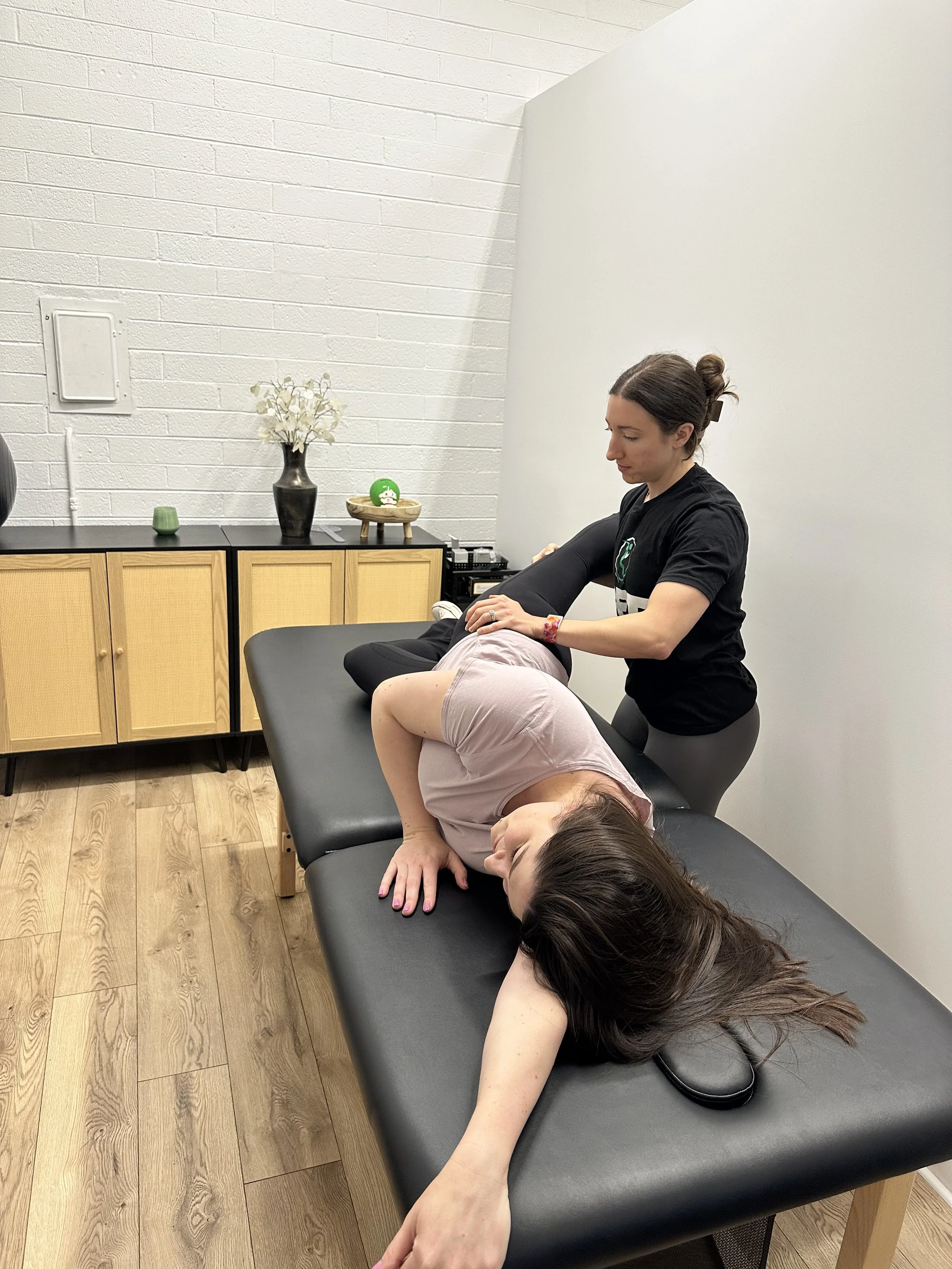
Manual Thearpy
Hands-on treatment to improve mobility and reduce stiffness around the hips, pelvis, and surrounding joints.
-
Blood Flow Restriction (BFR) Training
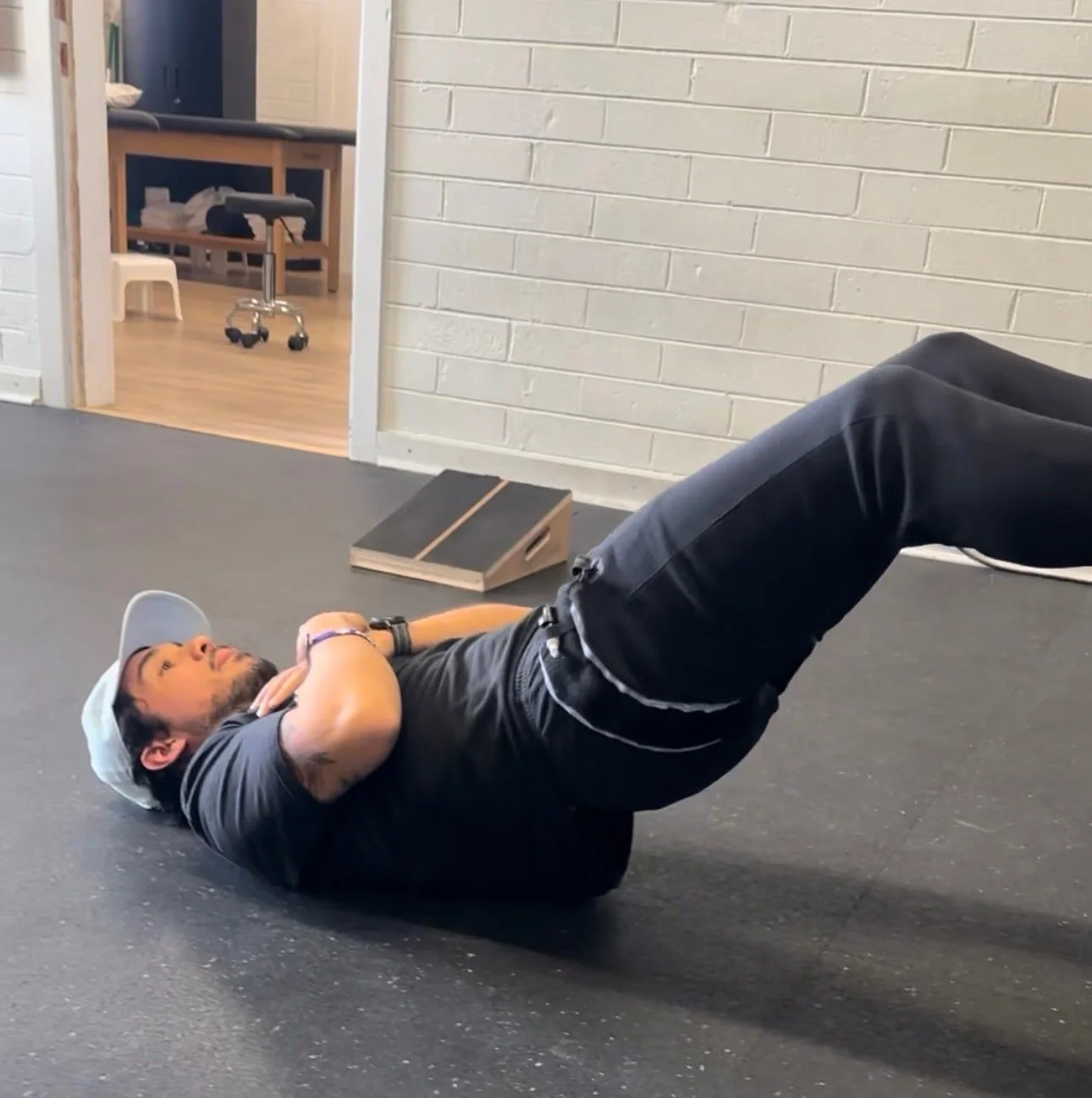
BFR training allows patients to build strength and muscle using lighter loads, which can be especially helpful when heavy lifting is painful or not yet appropriate. This can be beneficial for hip pain, post-surgical rehab, labral injuries, and athletes trying to maintain strength while reducing joint stress.
-
Strength & Progressive Loading
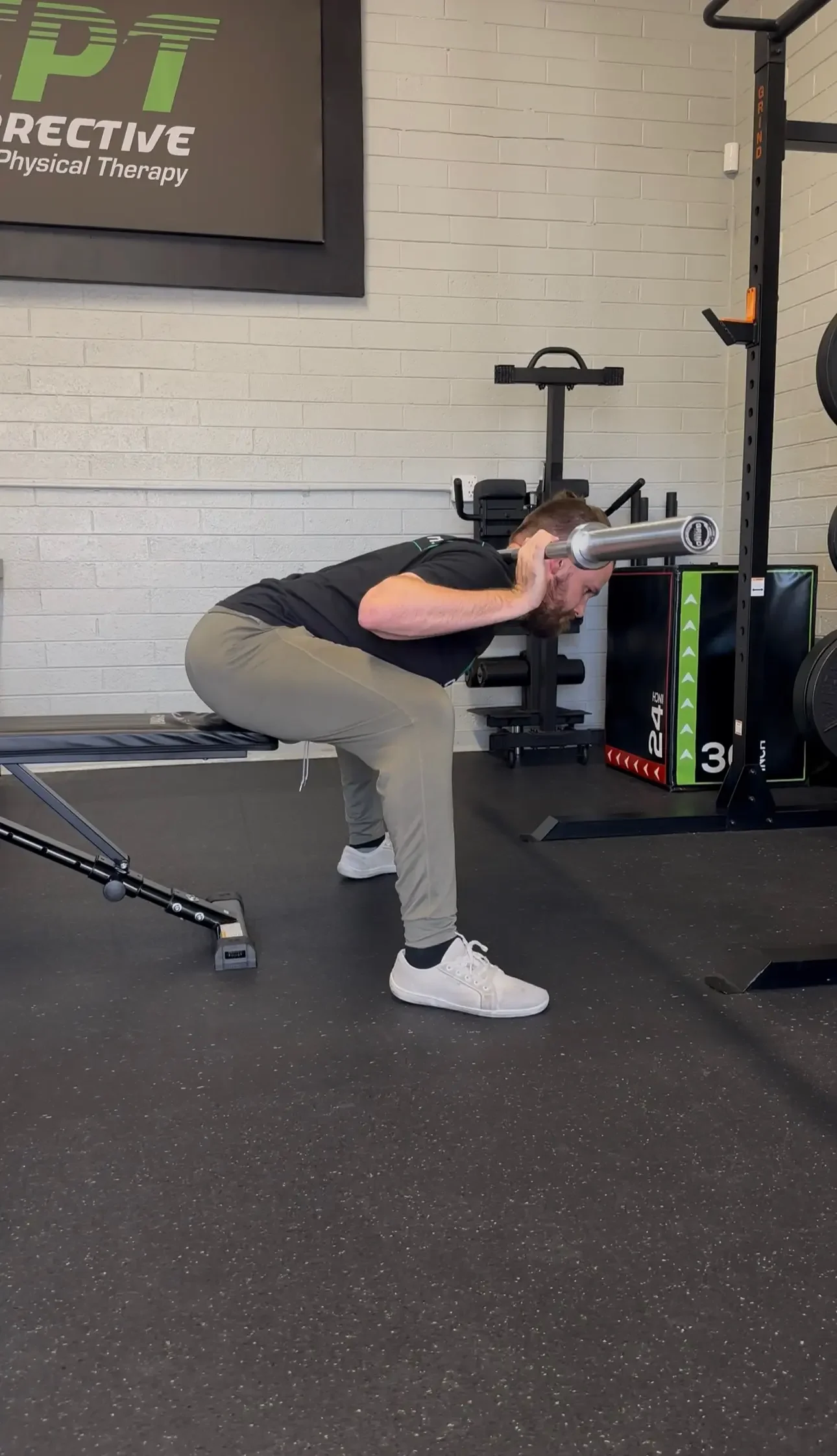
We build strength progressively so your hips can tolerate real-world movement demands and athletic activity.
-
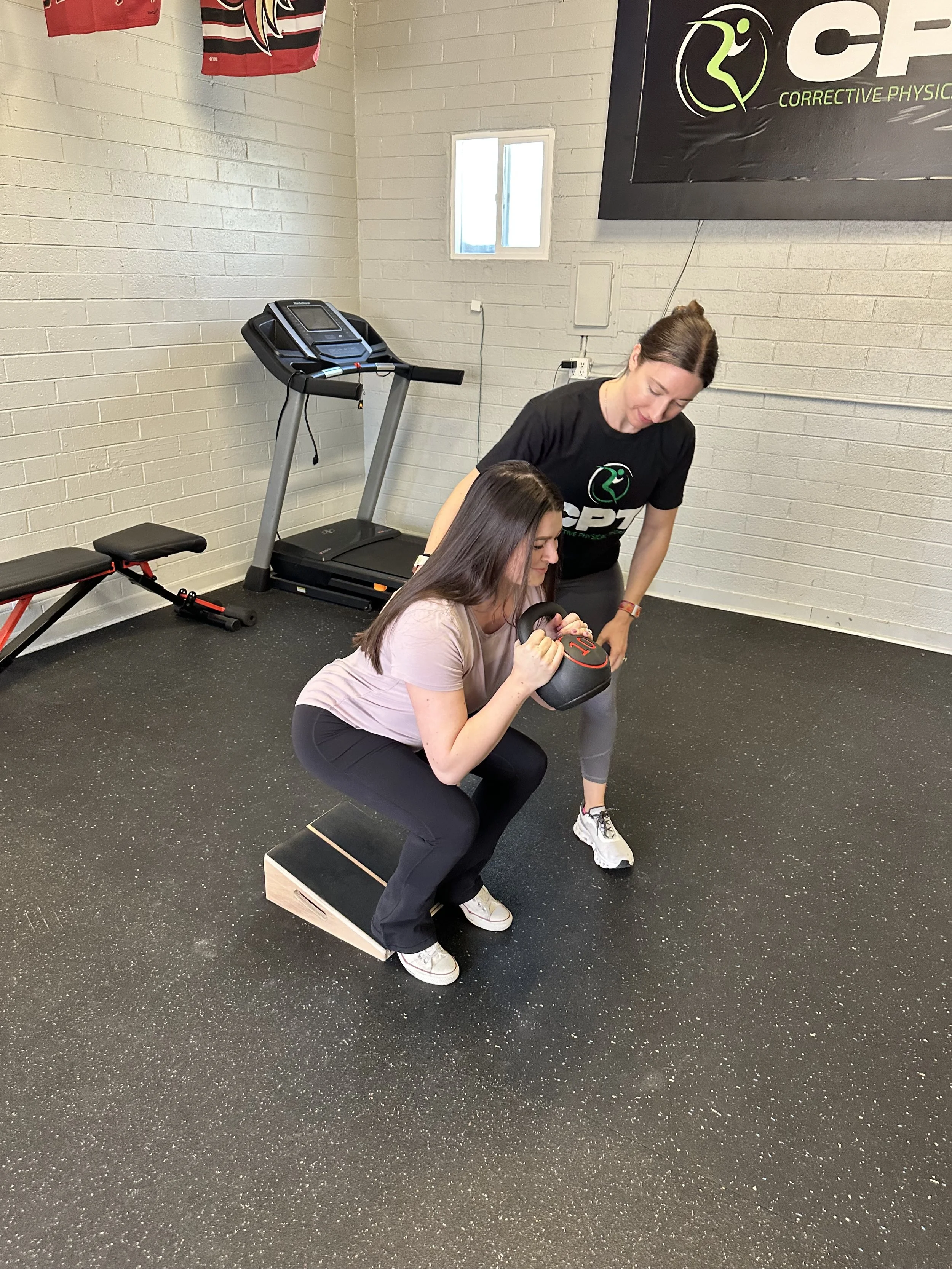
Hip Mobility & Rotation Training
Exercises designed to restore active rotational control and improve movement quality.
-
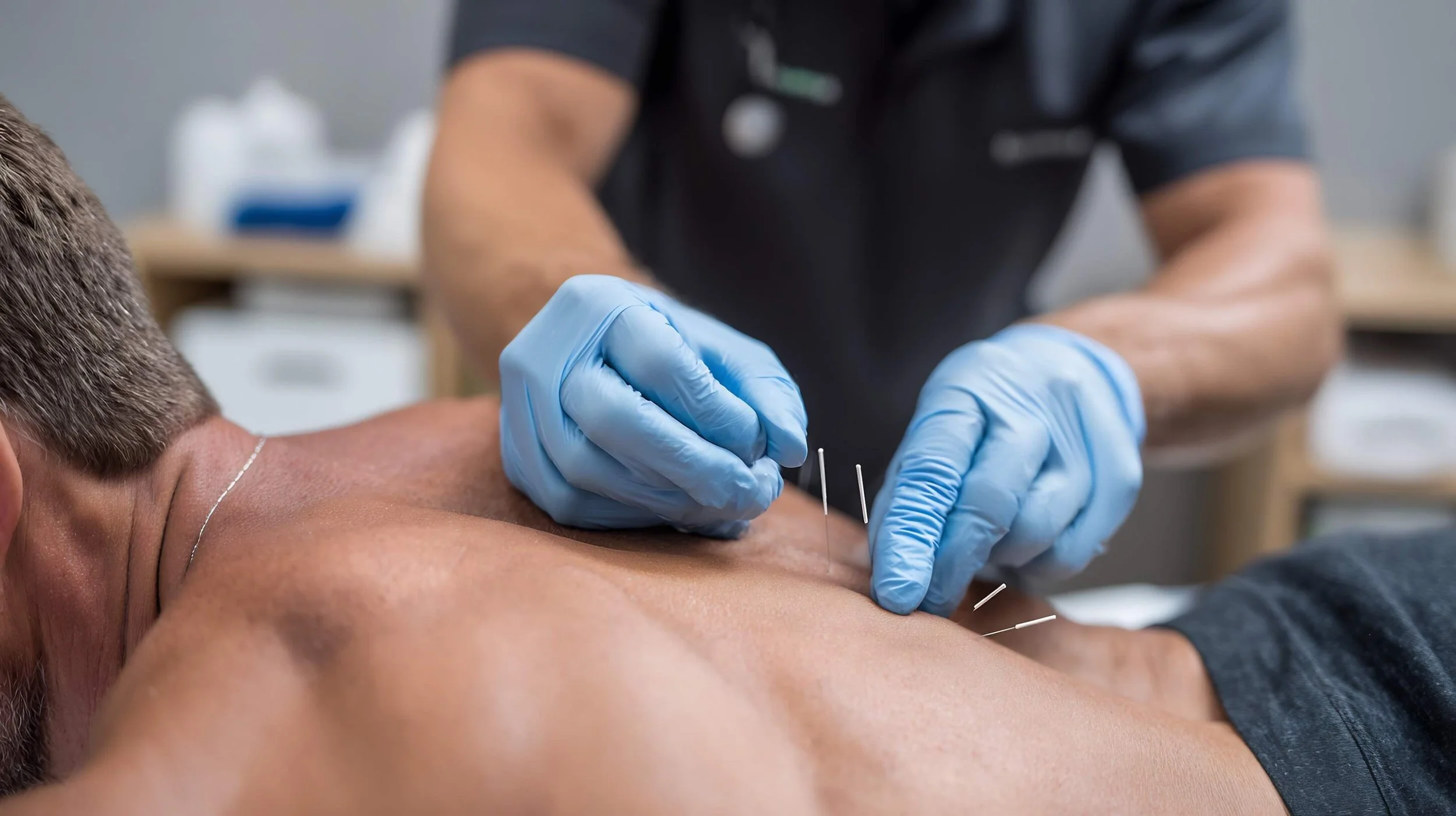
Dry Needling
Dry needling may be used to reduce muscular tension and improve movement quality around irritated areas.
-
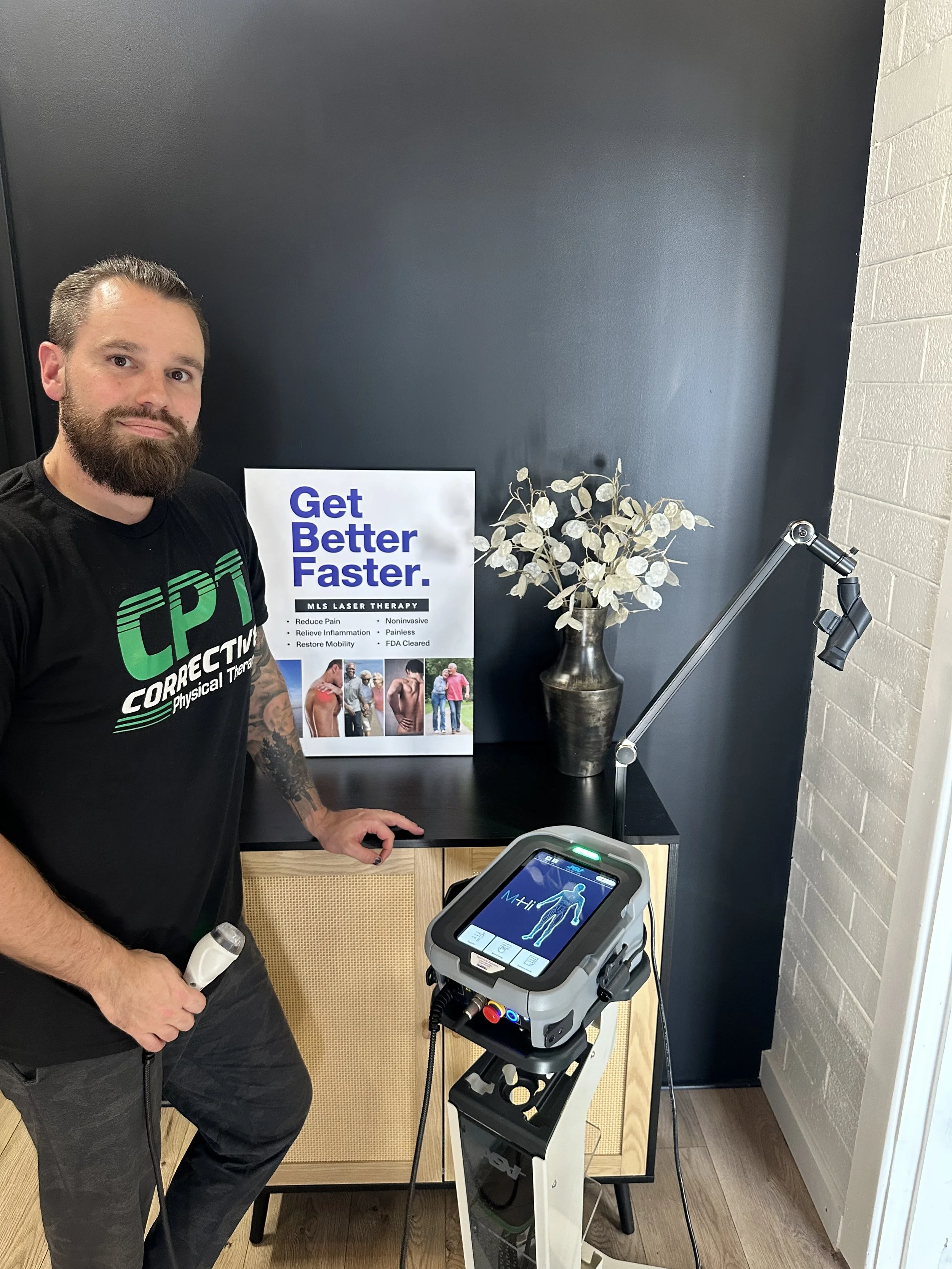
Laser Therapy for Hip Pain
Advanced laser therapy may help reduce inflammation and support tissue healing.
-

Personalized Home Rehab Program
No generic handouts. Your rehab program is customized specifically to your body, symptoms, and goals.
-
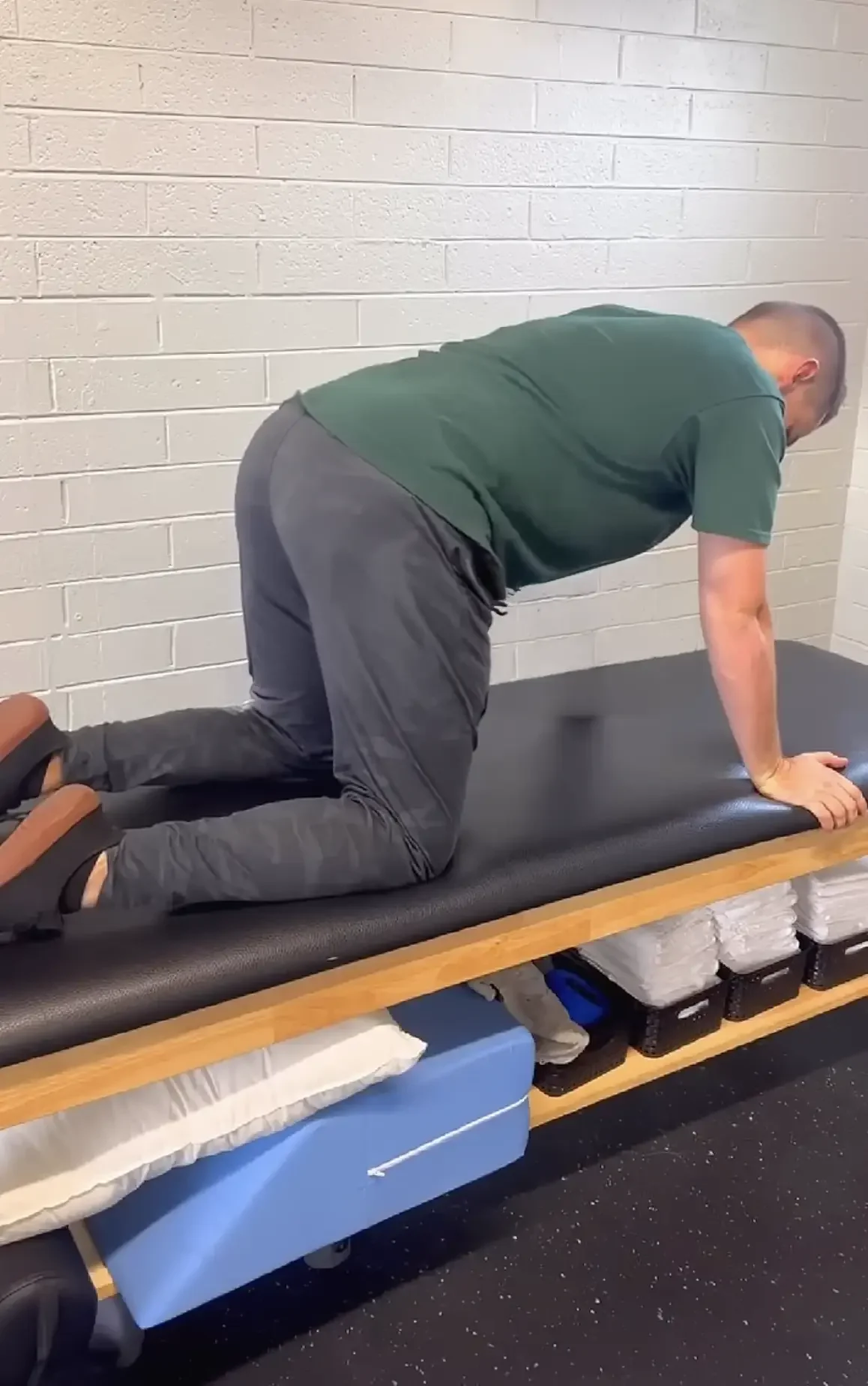
Pelvic & Core Control
Improving how the pelvis and trunk work together often reduces excessive stress on the hips and low back.
-
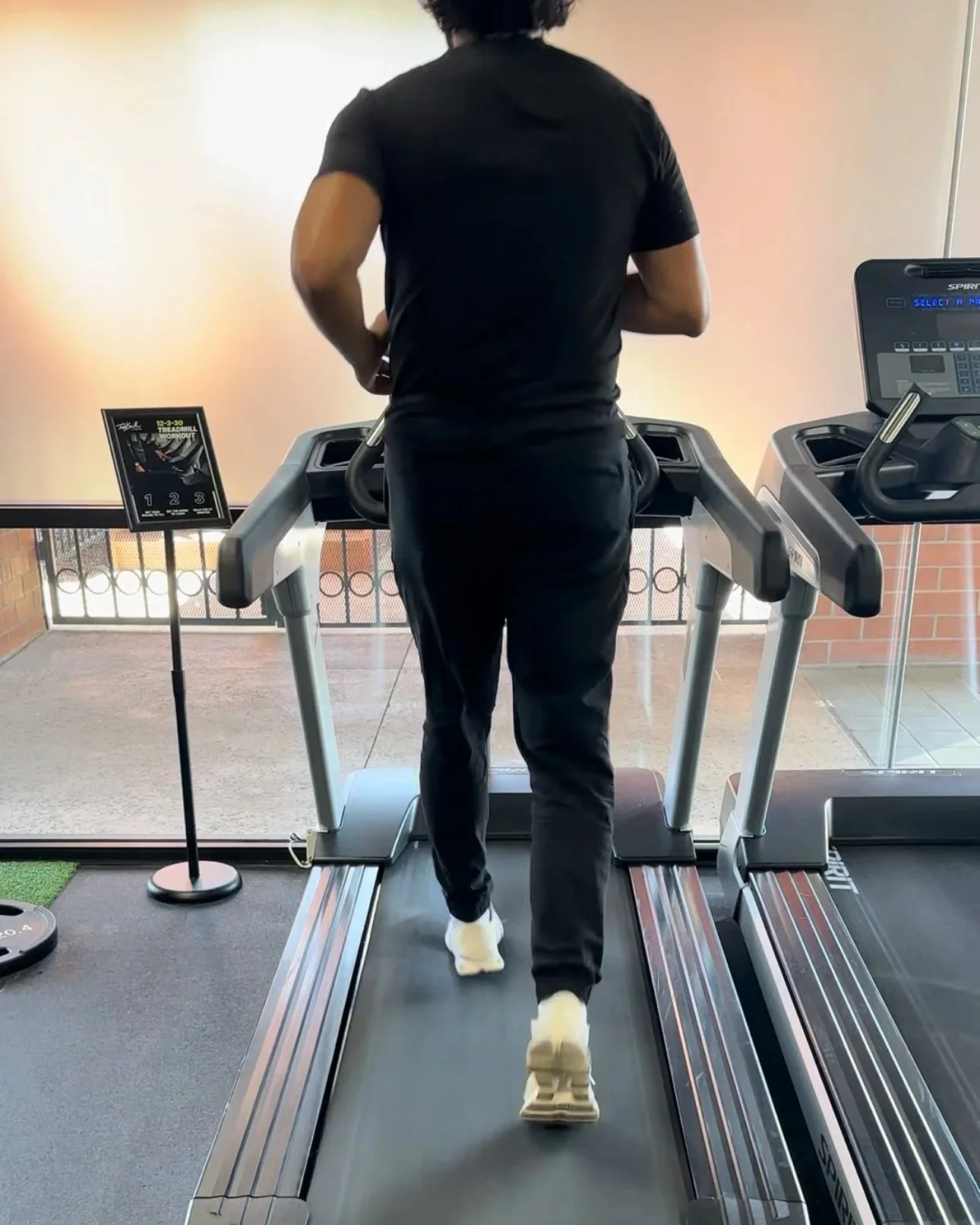
Movement Retraining
With movement retraining, we analyze running, squatting, hinging, lifting, and athletic mechanics to address movement compensations contributing to pain.
Why Hip Rotation Matters
Healthy hips are supposed to rotate. When rotation becomes limited, the body frequently finds movement somewhere else that was never designed to handle as much rotational stress, often the lumbar spine or knees.
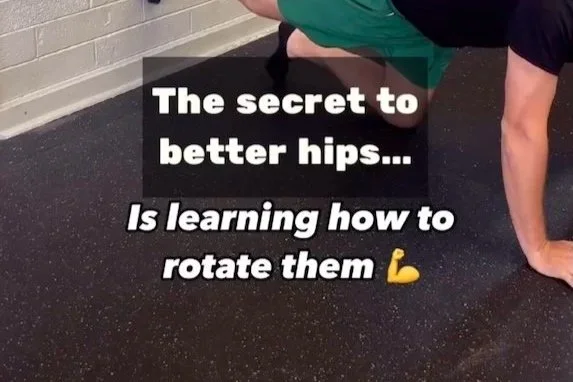
Try out this exercise!
Bird Dog Hip Rotation: Start this exercise by getting into a hands and knees position. Extend one leg back straight and press it into the wall through your heel. Tuck your pelvis slightly and engage your core.
Then rotate at your hip as far both directions as you can without rotating through your pelvis. Perform slow and controlled.
3 sets of 12 reps to start. Emphasizing trying to get more range of motion.
This can contribute to:
Hip pinching
Labral irritation
Low back tightness
Knee stress
Reduced athletic performance
Difficulty squatting or hinging
Persistent “tightness” that never fully resolves
One movement pattern our physical therapists frequently work on is controlled hip rotation while keeping the pelvis stable. This helps patients improve true hip mobility rather than simply compensating through the spine.
Exercises focused on rotational control, hip hinging, and end-range strength can help restore movement options while reducing unnecessary stress throughout the kinetic chain.
Tight Hip Flexors Can Affect More Than Just Your Hips
Hip flexors are commonly blamed for stiffness and discomfort, but they also play a major role in:
Pelvic positioning
Core control
Hip rotation
Glute function
Running mechanics
Low back stress
Weak or poorly functioning hip flexors can contribute to:
Hip pinching pain
Difficulty rotating the hips
Trouble “feeling” glutes activate
Low back compensation
Reduced athletic performance
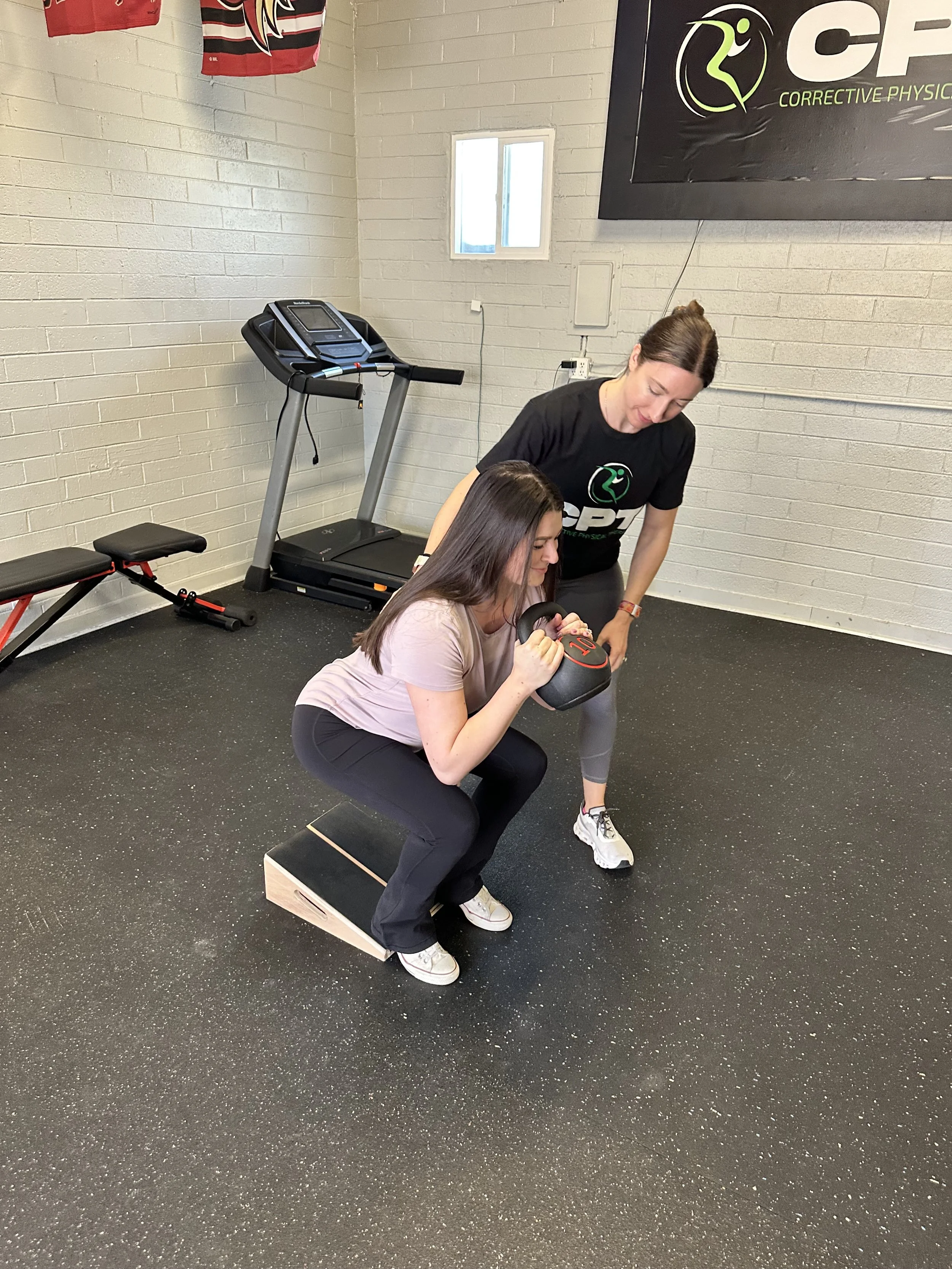
At Corrective Physical Therapy, we do not simply stretch hip flexors endlessly. We focus on helping them function properly through both strength and mobility so the hips can move more efficiently under load.
Understanding Hip Labral Injuries
The labrum is a ring of cartilage around the hip socket that helps provide stability and support to the joint.
Labral injuries may cause:
Deep hip pain
Catching or clicking
Pinching during squats or sitting
Pain with rotation
Instability sensations
Reduced athletic performance
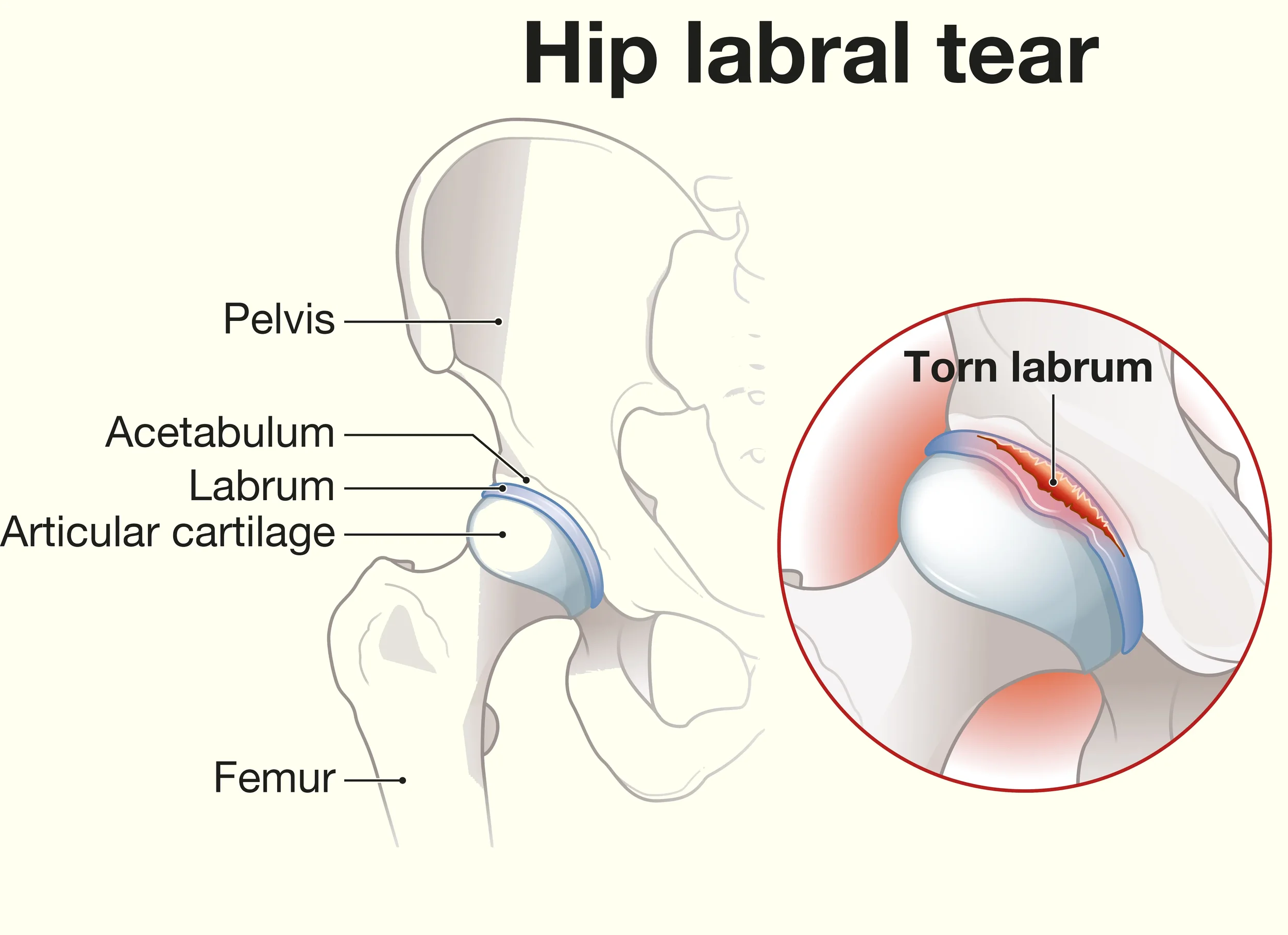
However, imaging findings do not always tell the full story.
Many people with labral tears can still move and function well when strength, mobility, control, and loading capacity improve appropriately. Treatment can focus on reducing excessive stress through the hip while improving how the surrounding muscles support and stabilize movement.
Our goal is not simply avoiding activity forever. It is helping you return to movement more confidently and efficiently.
Why Patients Choose Corrective Physical Therapy
At Corrective Physical Therapy, we combine sports rehab principles with individualized physical therapy to help patients move beyond temporary pain relief.
What Makes CPT Different?

1-on-1 treatment sessions

Sports rehab expertise

¡Sí, hablamos español!

Full 60-minute evaluations

Focus on active adults and former athletes

Education that helps you understand your pain

Personalized rehab plans

Evidence-based treatment

Locations in Scottsdale & Arcadia
Physical Therapy for Hip Pain in Scottsdale & Arcadia, AZ
We provide personalized physical therapy for hip pain, labral injuries, sports rehab, movement dysfunction, and chronic pain in Scottsdale and Arcadia, Arizona.
Our mission is simple:
Help you move better, feel stronger, and get back to the activities you love without constantly worrying about pain or limitations.
If hip pain is limiting your workouts, sports performance, daily activities, or confidence in movement, the team at Corrective Physical Therapy is here to help.
Request an appointment and learn more about our 1-on-1 physical therapy approach in Scottsdale and Arcadia, AZ.

Meet the Doctors

Dr. Matthew Brown PT, DPT, SCS
Dr. Matthew Brown is a sports physical therapist who helps active adults and athletes recover from injuries, improve performance, and return to the activities they enjoy. As the founder of Corrective Physical Therapy, he combines advanced sports rehabilitation training with strength and movement-based treatment to address the root cause of pain and keep patients performing at their best.
Founder & Performance Specialist
Dr. Daniel Paredes, PT, DPT, CSCS
Physical Therapist | Sports Performance & Running SpecialistDr. Danny Paredes is a sports physical therapist who helps runners, athletes, and active adults overcome pain, improve performance, and return to training with confidence. Combining his background in strength and conditioning, competitive athletics, and evidence-based rehabilitation, he bridges the gap between rehab and performance to help patients move better and achieve their goals.
Frequently Asked Questions About Hip Pain Physical Therapy
-
In many cases, yes. Physical therapy can help improve hip mechanics, strength, mobility, and stability to reduce stress around the hip joint and improve function.
-
Constant tightness is not always caused by a lack of flexibility. Weakness, poor control, limited rotation, or compensation patterns can all create feelings of stiffness and restriction.
-
Absolutely. If the hips are not moving or rotating well, the low back often compensates by taking on more stress and motion than it should.
-
Hip pinching may be related to mobility restrictions, movement mechanics, pelvic positioning, hip impingement, labral irritation, or strength deficits. A movement assessment can help determine what is contributing to your symptoms.
-
Short-term activity modification can sometimes help calm symptoms, but long-term recovery usually requires improving strength, mobility, control, and load tolerance rather than complete avoidance of movement.
-
Not always. Imaging findings do not always correlate with pain or function. Many people have structural findings on imaging without significant symptoms. Treatment decisions should be based on your movement presentation, goals, symptoms, and functional limitations — not imaging alone.
That’s what CPT does.