

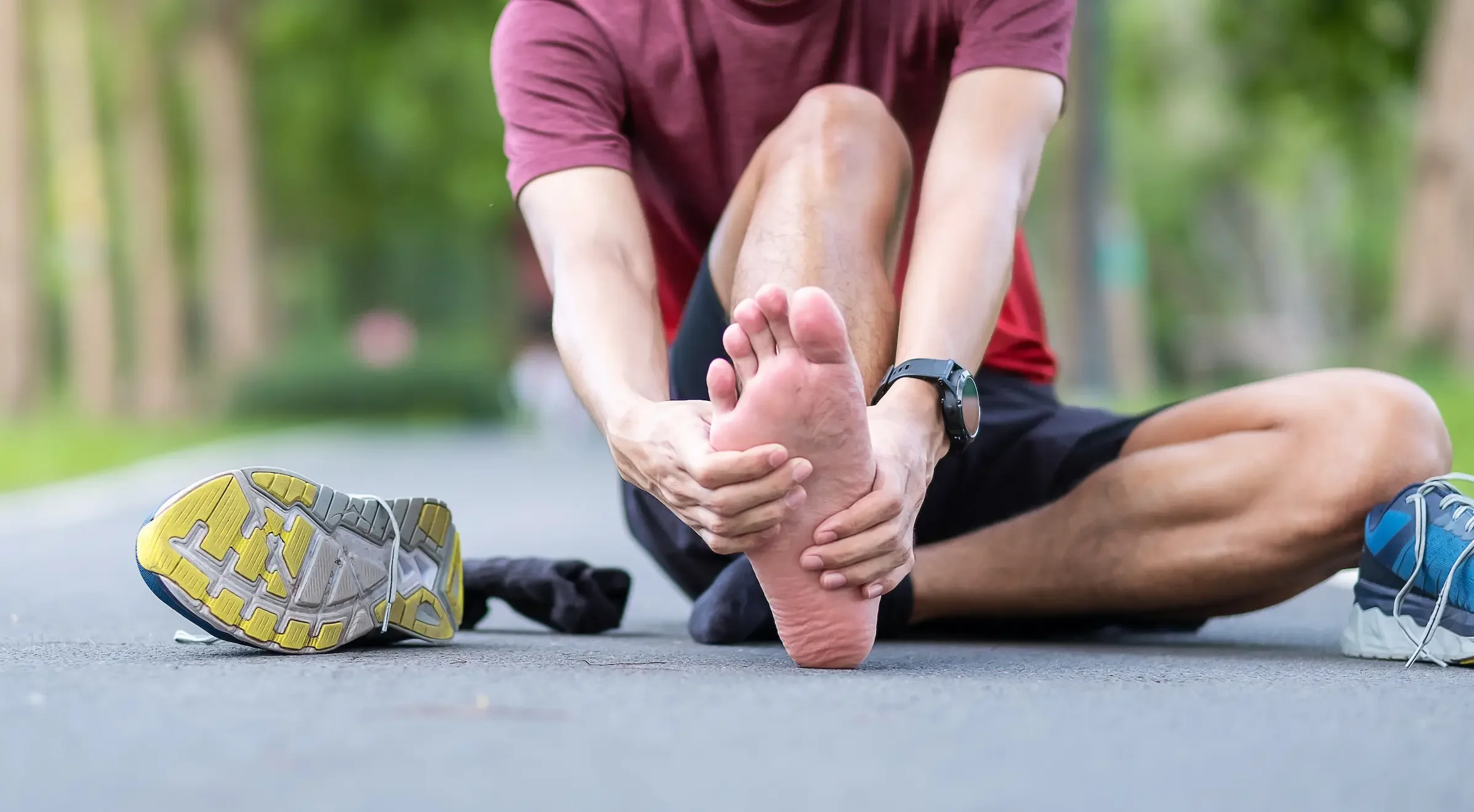
Foot Pain & Plantar Fasciitis Physical Therapy in Scottsdale & Arcadia
1-on-1 Treatment for Foot Pain & Plantar Fasciitis
That stabbing pain in your heel the moment your foot hits the floor in the morning, the burning along the bottom of your foot that flares up every time you ramp up your training, the ache that makes you dread the first few steps after sitting...these all have a way of affecting everything else you do.
If you're an athlete, first responder, or active adult, you've probably tried orthotics, new shoes, cortisone injections, or just resting until it calms down. And it probably did calm down...until you tried to get back to your sport, your training, or your job, and it came right back.
At Corrective Physical Therapy, we help athletes and active adults in Scottsdale and Arcadia get to the actual root of foot pain and plantar fasciitis. We want you to be able to train harder, move better, and stop managing the same problem on repeat.
Why Your Foot Pain Keeps Coming Back
Foot pain is an overuse injury. That means the tissue can't handle the stress being placed on it. And if all you're doing is managing symptoms…changing your orthotics, getting an injection, switching shoes…you're not doing anything to change the tissue's capacity to handle load.
The pain eases up. You go back to activity. It flares right back up.
We see this constantly at CPT. Patients come in having been treated with nothing but passive modalities for months, sometimes years, and no one ever talked to them about building resilience in the tissue itself. That's the missing piece. You can't stretch or support your way out of plantar fasciitis. You have to build the foot's ability to absorb and distribute force the way it was designed to.
That's what we do at CPT.
What's Actually Happening in Your Foot
The plantar fascia is a thick band of tissue that runs along the bottom of your foot, connecting your heel to your toes. When the cumulative stress on that tissue exceeds what it can handle, it becomes irritated, reactive, and painful.
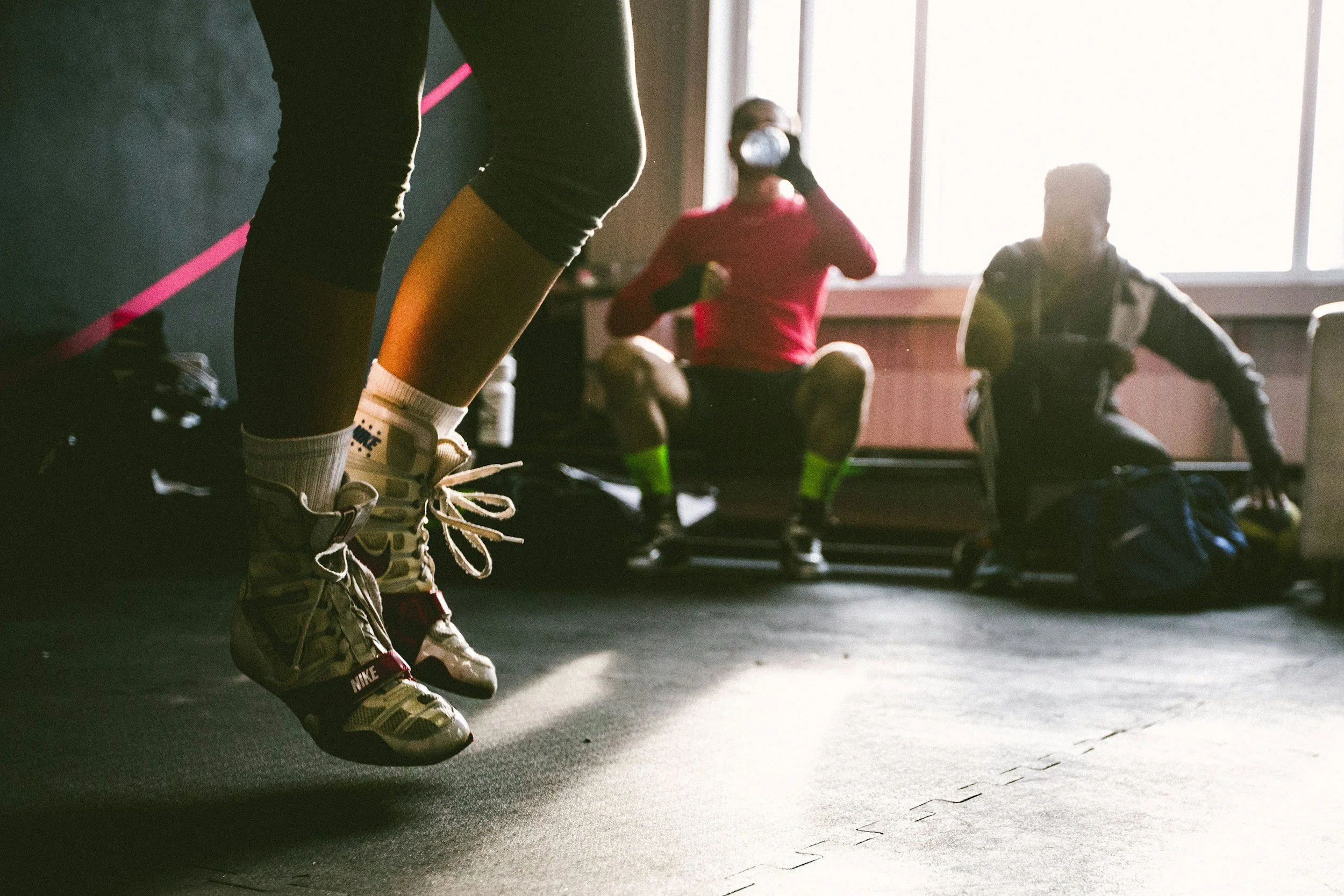
The key here is that the foot doesn't work in isolation. How force gets absorbed and distributed through your foot depends on ankle mobility, arch mechanics, hip stability, and how well your foot actually pronates, the natural inward rolling motion that allows your joints and muscles to absorb impact.
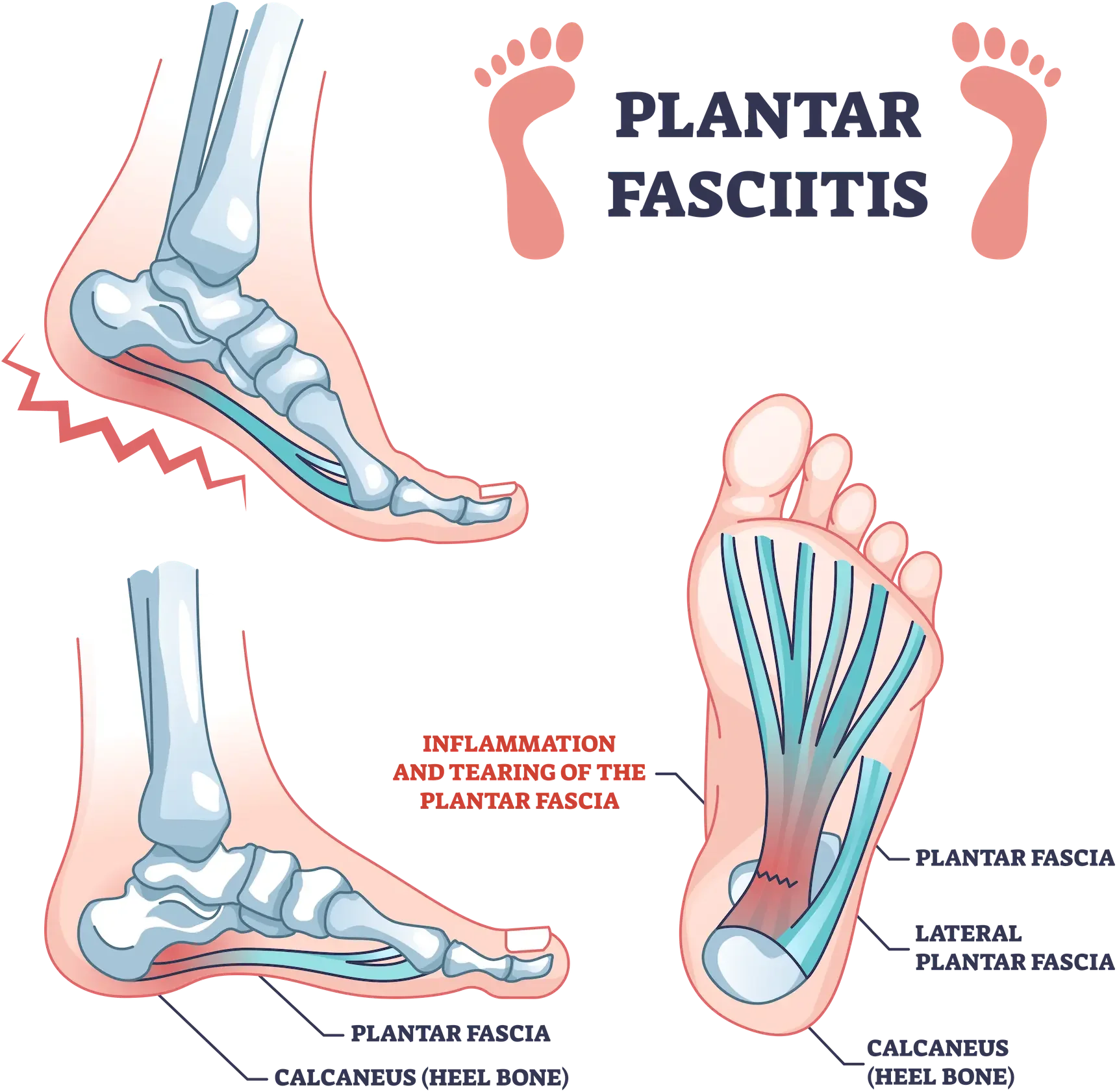
When any of those pieces aren't working well, the plantar fascia ends up absorbing more than its share of force. Over time, that's when pain develops.
This is why treating the foot alone rarely resolves the problem for good.
What Does Plantar Fasciitis Foot Pain Feel Like?
Whether your symptoms came on gradually from running mileage, showed up after a jump in training intensity, or have been a recurring problem for years, treatment needs to be specific to you...not generic and not a checklist prescribed by someone who's never even met you.
Symptoms vary from person to person, but commonly include:
Sharp heel pain with your first steps in the morning
Pain along the bottom of the foot that improves with movement but returns after rest
Aching or burning that worsens after long periods of standing, walking, or running
Foot pain that flares up during or after high-intensity training
Tightness in the calf or arch that stretching never fully resolves
Pain on the outside of the foot with jumping or lateral movements
Discomfort that comes back every time you try to return to sport or training
The Truth About Orthotics and Shoe Inserts
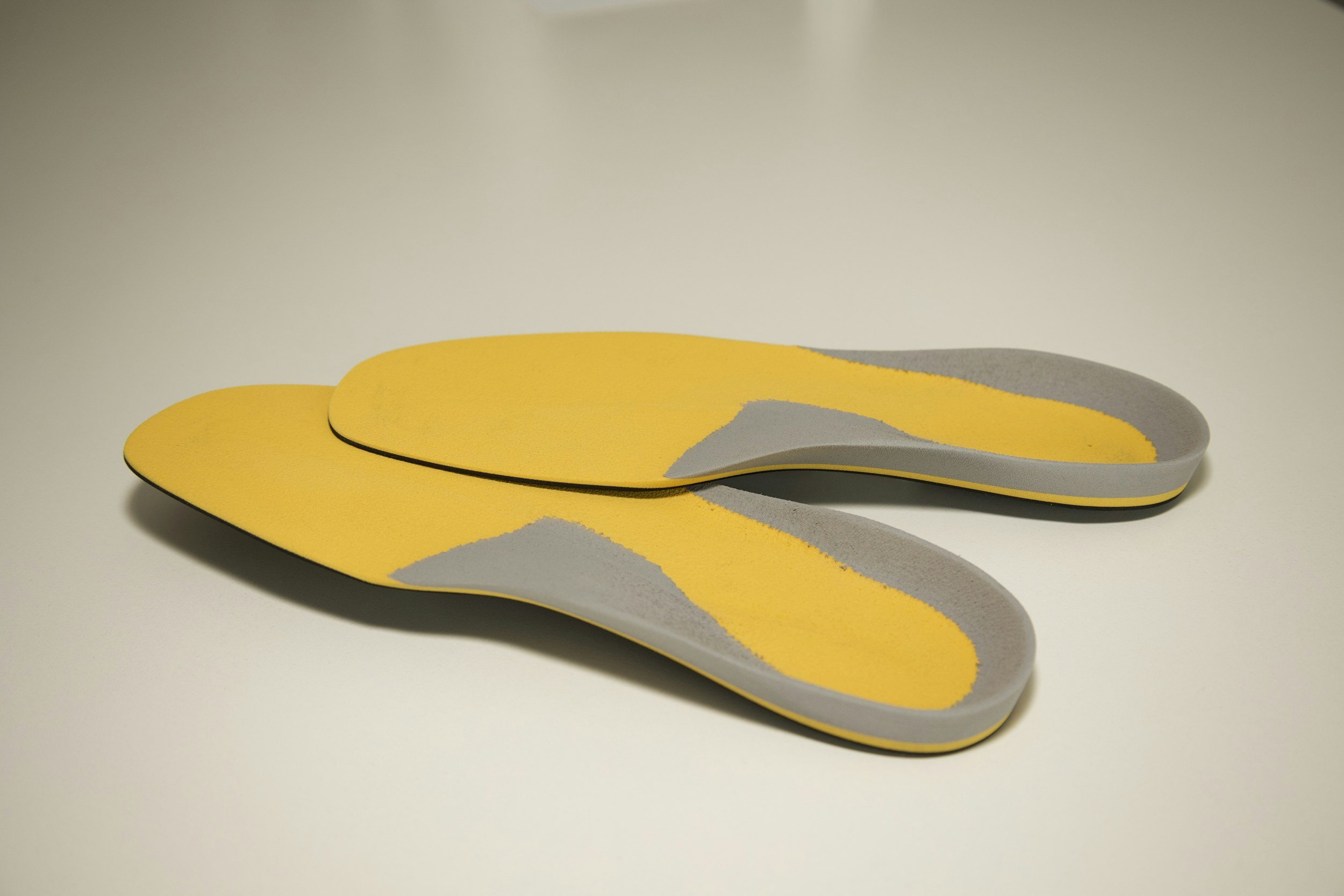
This is a topic worth addressing directly, because a lot of patients come to us having been told they need orthotics, or having worn them for years, without ever getting a clear explanation of why.
Orthotics aren't inherently bad. In the right situation, used correctly, they can be a useful short-term tool for managing pain while the underlying problem gets addressed. They can also be genuinely necessary for certain structural conditions that can't be corrected through rehab alone.
But here's where the problem comes in. An orthotic takes over the force-absorbing job your foot should be doing on its own. In the short term, that reduces pain. Over time, if the foot never gets stronger and the root cause never gets addressed, the foot becomes more dependent on the support...not less. Your body is naturally efficient, and if an external device is doing the work, the foot doesn't have to.
The goal at CPT is to fix the root cause so you don't have to rely on external support to get through your day. For some patients that means weaning off orthotics as part of the rehab process. For others it means using them strategically in the short term while building the strength and mechanics to eventually not need them.
Either way, passive support is never the whole answer.
Should I See a PT or a Podiatrist for Plantar Fasciitis?
This is one of the most common questions people have when foot pain first shows up, and it's a good one.
A podiatrist (DPM) is a foot and ankle specialist who approaches foot problems medically. They're excellent at diagnosing structural issues, prescribing orthotics, administering injections, and managing cases that may eventually need surgical intervention. If there's a structural problem that can't be addressed through rehab, a podiatrist is the right call.
Podiatrist
A physical therapist approaches the same condition from a movement and loading standpoint…why is the plantar fascia being overloaded in the first place? What's happening at the ankle, the calf, and the hip? What does the progressive loading program look like to build tissue resilience over time?
Physical Therapist
The good news is that they're complementary, not competitive. A good podiatrist will often refer patients to PT when they need movement retraining and a loading program, which is most plantar fasciitis cases. And a good PT will refer to a podiatrist when structural issues, imaging, or injection management are warranted.
At CPT, if we believe you need further medical evaluation, we'll tell you and point you in the right direction. Our goal is to get you better, not to keep you coming in indefinitely.
Foot & Plantar Fasciitis Exercises: What Actually Works [Videos]
Here are two movements we use with patients dealing with plantar fasciitis and heel pain that go well beyond the standard calf stretch:
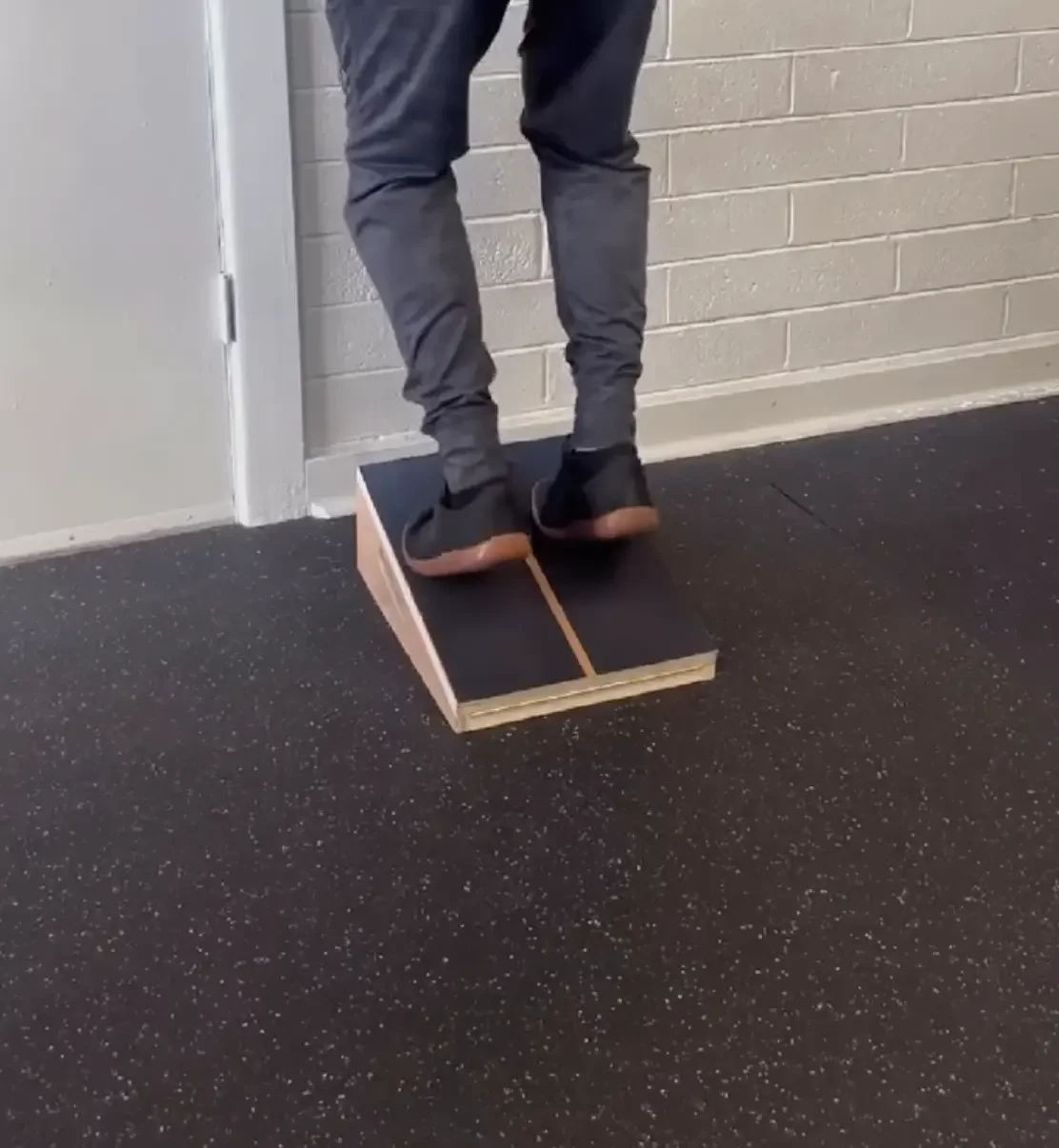
Eccentric Bent Knee Heel Raise
Elevate your feet on a slant board or step, press through your big toes, and lift as high as you can. Hold at the top for two seconds, then slowly lower your heels all the way down into a stretch. The slow lowering phase is what builds tendon and plantar fascia resilience. This isn't just a calf exercise — done consistently, it directly targets the tissue capacity that plantar fasciitis treatment is missing in most cases. Three to five sets of 45-second holds or 8 to 12 slow reps, three times per week.
Heel Raise with Ball Squeeze
Place a tennis ball or lacrosse ball between your heels and press them into the ball, keeping your feet and toes straight. Press through your big toes and lift as high as you can, hold at the top, then slowly lower back down. The ball cue activates the intrinsic foot muscles and encourages proper arch mechanics during the movement — turning a standard heel raise into a foot-strengthening exercise that teaches your foot to work the way it's supposed to.
These aren't complicated. But done consistently and progressively over time, they build the kind of foot resilience that orthotics and injections can't.
Our Approach to Foot Pain & Plantar Fasciitis Treatment
At Corrective Physical Therapy, every session is 1-on-1 with a licensed Doctor of Physical Therapy. No aides. No rotating tables. No cookie-cutter exercise handouts.
We start by assessing how your foot moves, how force is being distributed through your lower leg and foot, where mobility restrictions exist, and what activity demands we need to get you back to. From there, we build a plan.
Depending on your presentation, your treatment may include:
-
Strength & Progressive Loading
This is the part most foot pain treatments skip entirely. The plantar fascia becomes resilient by being progressively loaded…not rested, not supported, loaded. We use targeted exercises including eccentric heel raises, isometric holds, and single-leg strength work to build the tissue's capacity to handle the demands of your training and daily life.
-
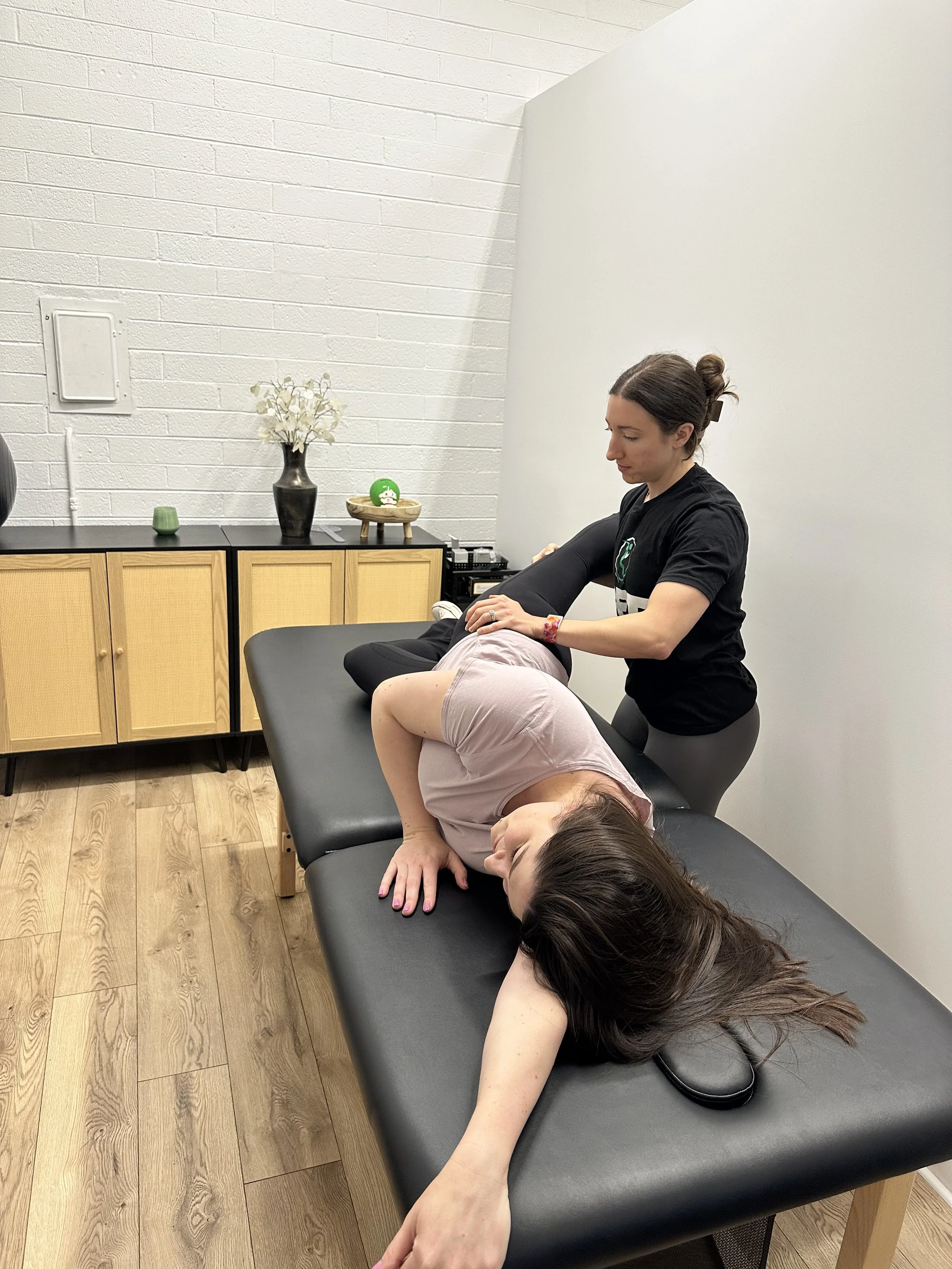
Manual Therapy & Hands-On Treatment
Targeted hands-on treatment to improve ankle and foot mobility, reduce tension in the calf and plantar fascia, and restore the movement quality needed for pain-free loading.
-
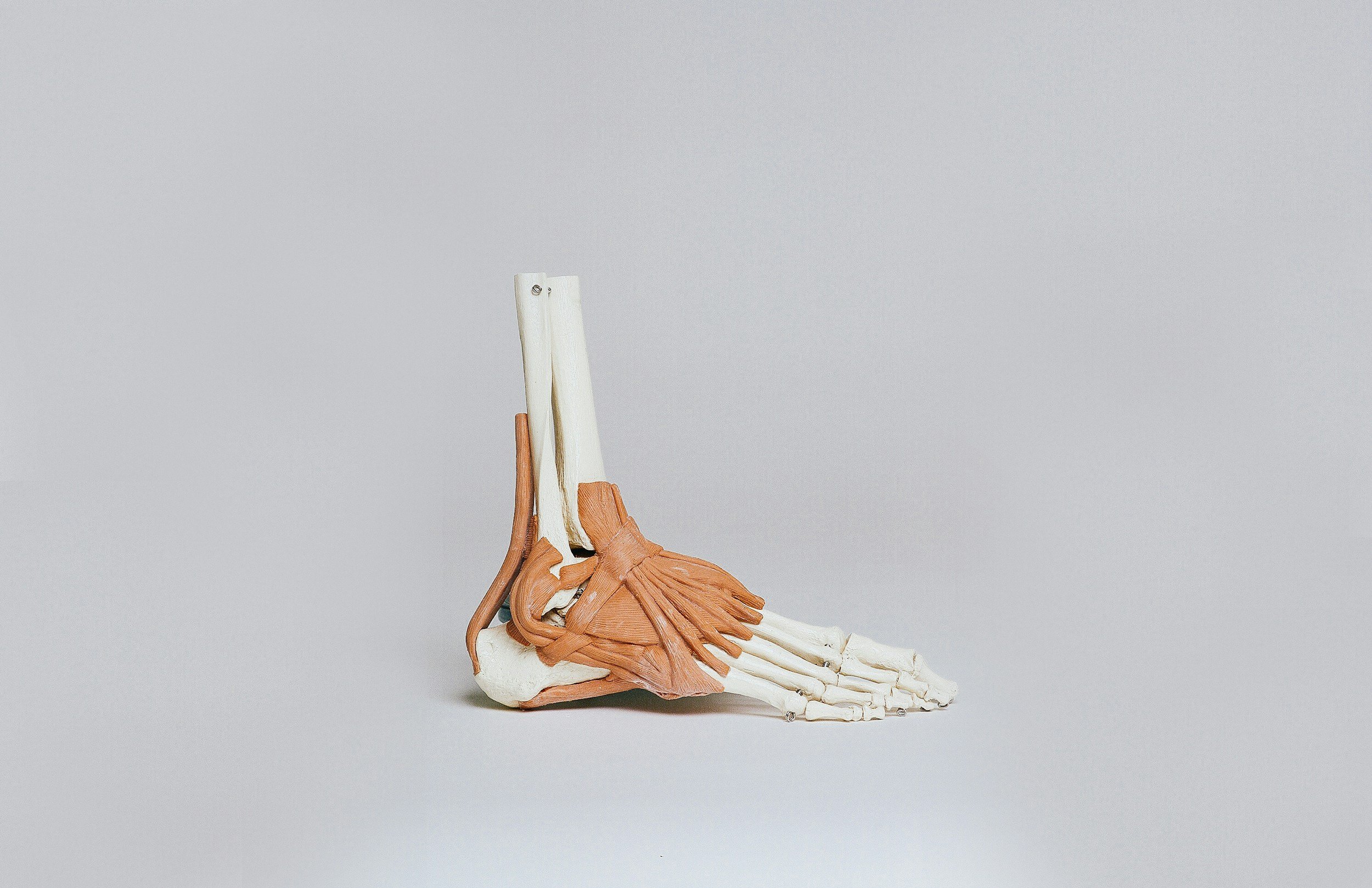
Foot & Arch Mechanics Retraining
We assess how your foot is actually functioning, whether you're dealing with a high-arched foot that can't pronate and absorb force effectively, or a flat foot with collapse through the arch and retrain the mechanics from the ground up. This includes teaching the foot and big toe to engage and stabilize correctly during movement, which is foundational for runners, athletes, and anyone on their feet for long periods.
-
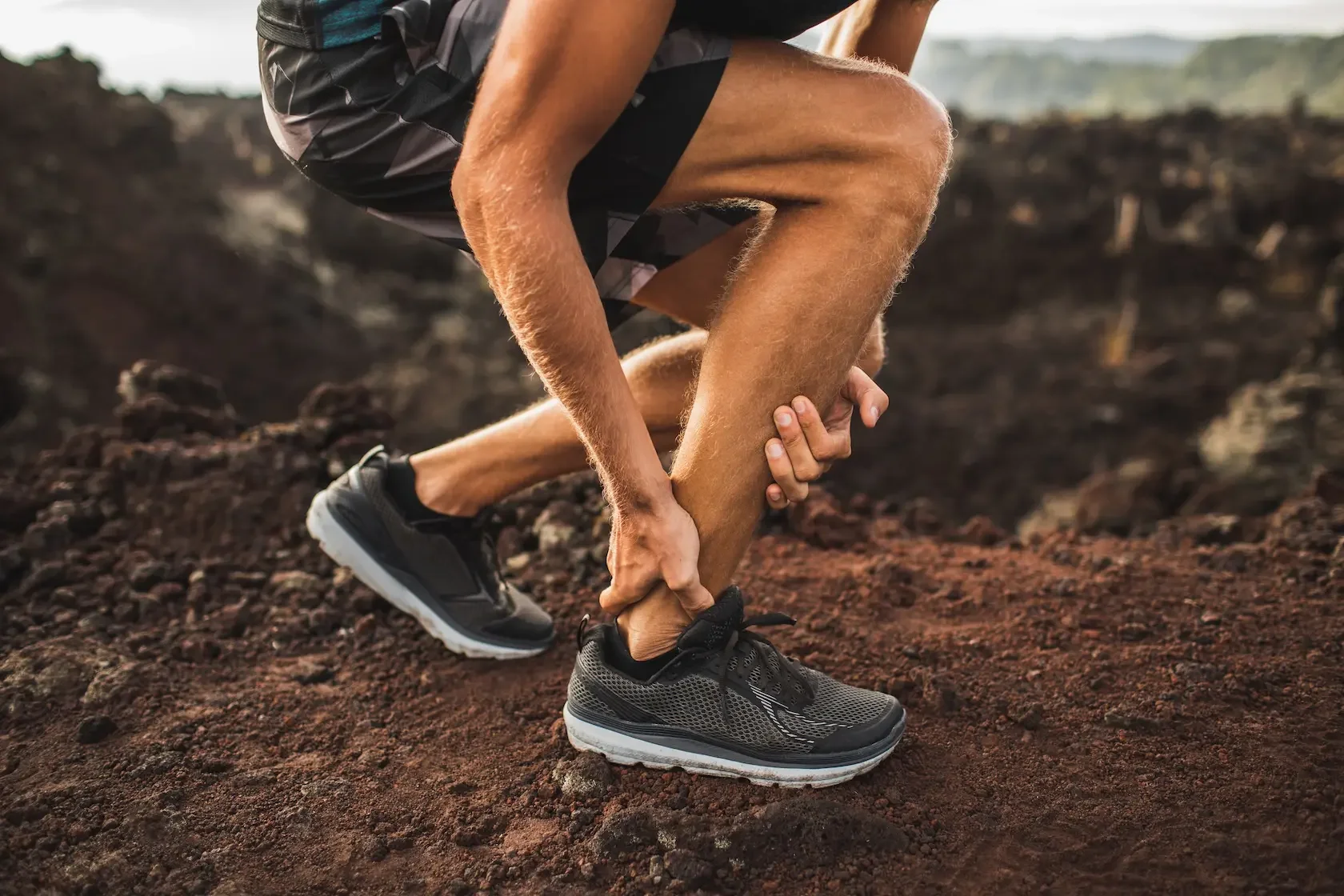
Ankle Mobility Work
Limited ankle mobility is one of the most common contributors to foot and plantar fascia overload. When the ankle can't move through its full range, the foot compensates...and that compensation often shows up as pain. We restore dorsiflexion range and the rotational mobility of the lower leg, so forces get distributed properly during squatting, running, and impact activities.
-
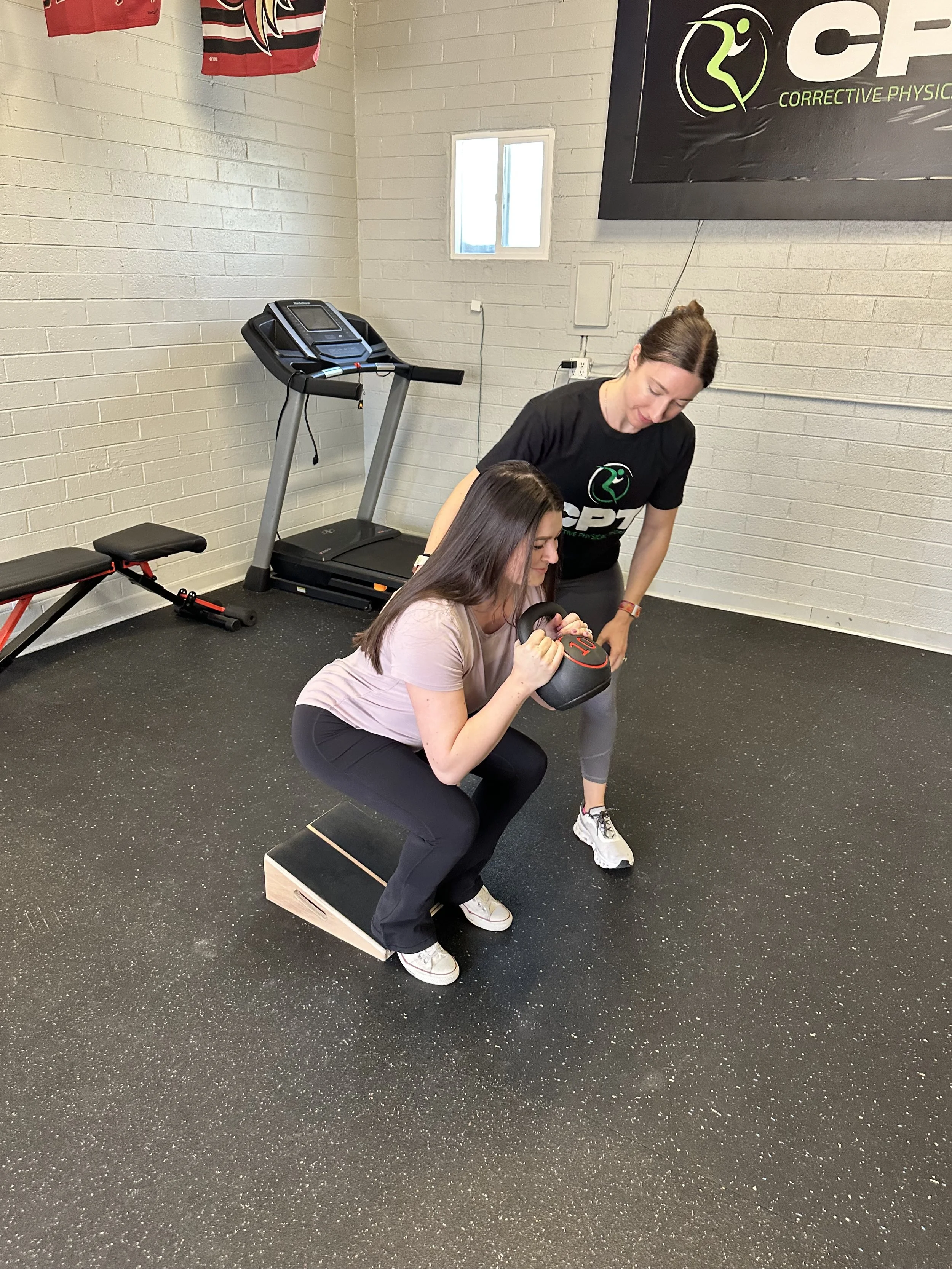
Hip & Lower Extremity Stability Training
Your foot doesn't absorb force in isolation. Hip stability directly affects how load travels down through the knee and into the foot. We address the full chain, not just the symptom site.
-
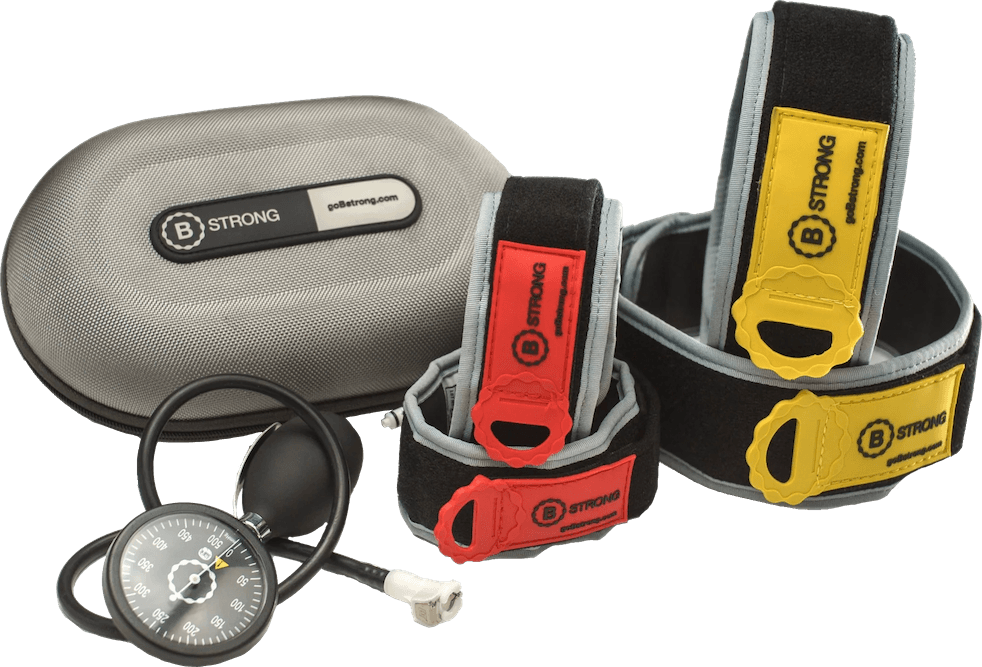
Blood Flow Restriction (BFR) Training
When pain is limiting how much load the foot can tolerate in early recovery, Blood Flow Restriction (BFR) Training allows us to build meaningful strength in the surrounding muscles using lighter loads without overloading irritated tissue.
-
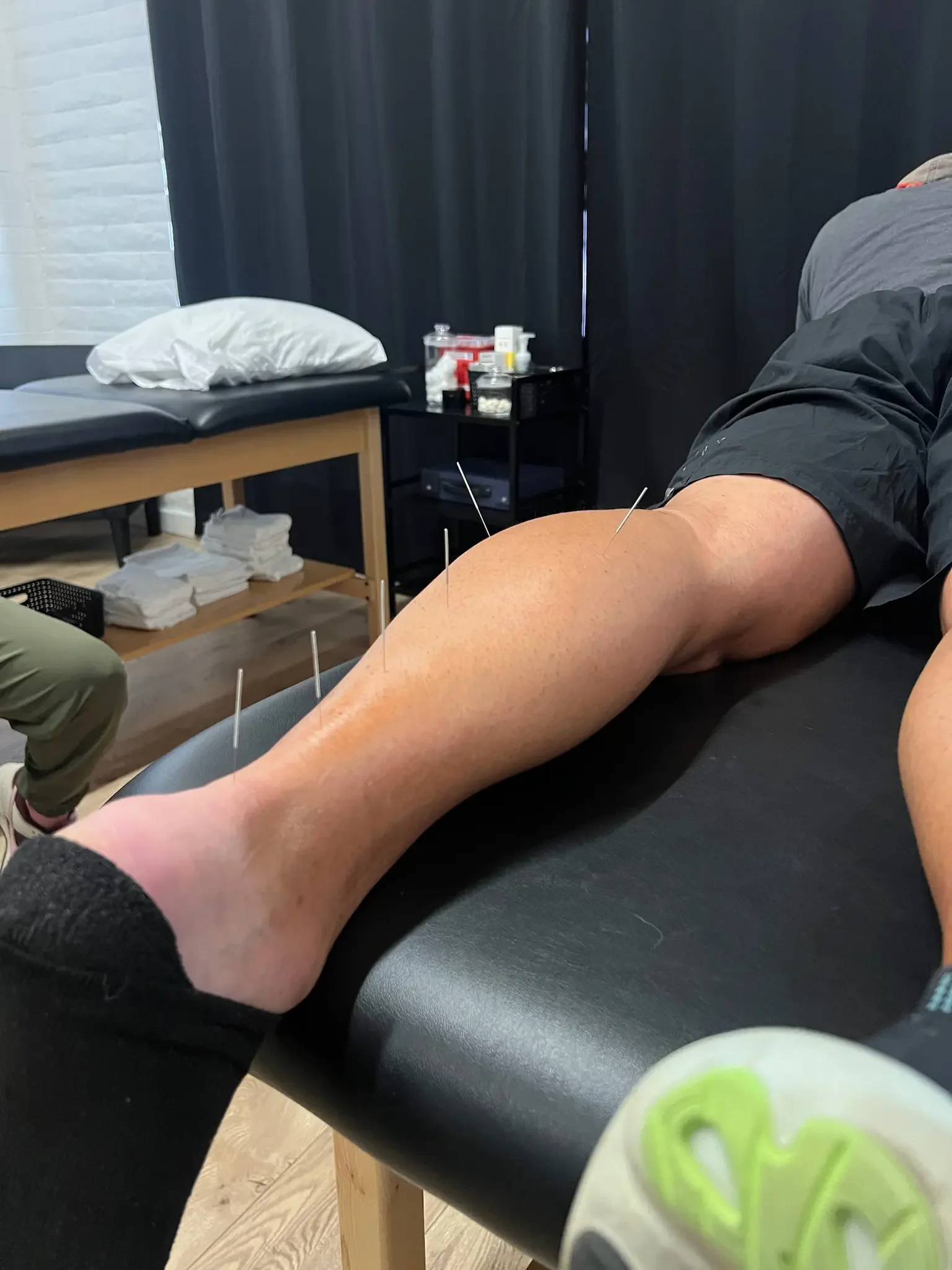
Dry Needling
When appropriate, dry needling can help reduce muscular tension in the calf, soleus, and plantar fascia to improve movement quality and decrease pain sensitivity.
-
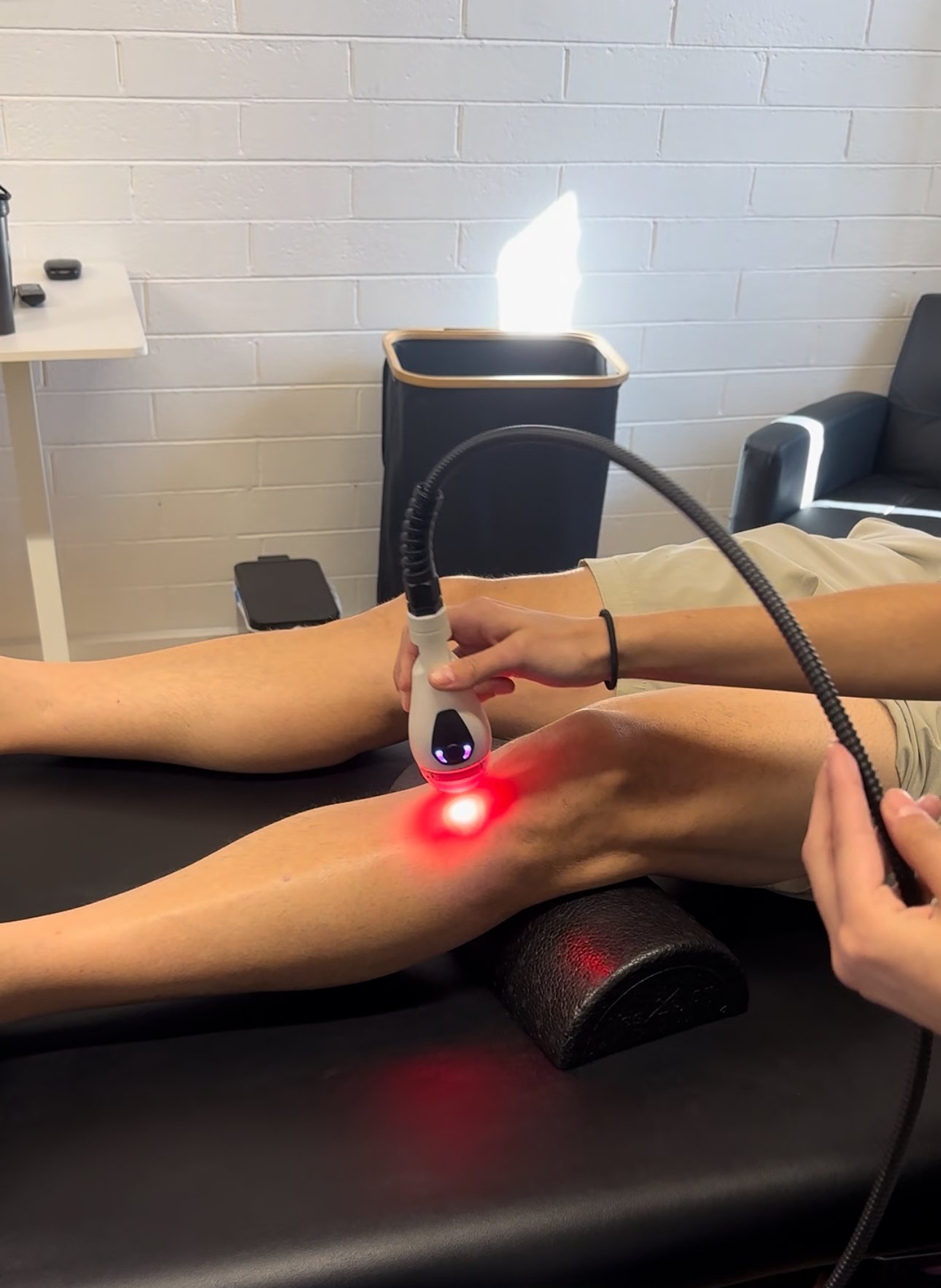
MLS Grade IV Laser Therapy
Advanced laser therapy to help reduce inflammation and support tissue healing, particularly useful during painful flare-ups or when irritability is limiting progress with loading.
Conditions We Treat Related to Foot Pain & Plantar Fasciitis
Flat foot pain and arch collapse
Running-related foot injuries
Sports-related foot and ankle pain
Foot pain related to CrossFit, weightlifting, and high-intensity training
Foot and ankle pain in first responders and active adults on their feet all day
Chronic foot pain that hasn't responded to orthotics or injections
Plantar fasciitis
Heel pain
Achilles tendonitis and tendinopathy
Peroneal tendonitis
Posterior tibialis tendonitis
High arch foot pain and lateral foot overload
Why Patients Choose Corrective Physical Therapy
Most physical therapy clinics are built for volume. You get 20 minutes with a therapist, get handed off to an aide, and go home with the same exercise sheet they've been handing out to everyone else since 1998.
That's not how we work.
What Makes CPT Different?

1-on-1 treatment sessions

Sports rehab expertise

¡Sí, hablamos español!

Full 60-minute evaluations

Focus on active adults and former athletes

Education that helps you understand your pain

Personalized rehab plans

Evidence-based treatment

Locations in Scottsdale & Arcadia
Client Reviews
Matt is excellent at his craft. He creates a highly tailored plan to fit your needs and will get you results if you do what he says. Matt and team are not your average physical therapists. Highly recommend if you have stubborn pain you can’t get rid of. Specifically, I had plantar fasciitis, weak patella, and turf toe. He created a plan to address all 3 and additional weaknesses. Great results.
— Peter G.If you’re looking for effective, personal, and convenient physical therapy, Dr. Matt is your guy. Over the past month he created a tailored treatment plan for my plantar fasciitis, improving my pain significantly. The plan was well-structured and he really takes the time to check in weekly and tweak and assess exercises on patient feedback. I appreciate his dedication and professionalism throughout the entire process. Thanks Dr. Matt!
— Alisa S.I came to Dr. Matt when I was struggling with my foot pain. I live an active life with gymnastics, fitness, and outdoor activities that I didn’t want to put on hold. He has allowed me to continue those activities while being with me every step of the way. He understands the process, believes movement is medicine, and is just a great guy! I recommend him both here and to my 1-on-1 stretch/training clients. Thank you Dr. Matt!
— Joanna R.Physical Therapy for Foot Pain & Plantar Fasciitis in Scottsdale & Arcadia, AZ
Corrective Physical Therapy provides personalized, 1-on-1 physical therapy for plantar fasciitis, heel pain, foot injuries, and sports-related foot and ankle dysfunction in Scottsdale and Arcadia, Arizona.
Whether you're trying to get back to running, return to the court, or just walk through your morning without your first steps being the worst part of your day, our team is here to help you figure out what's actually driving the problem and build a plan to fix it for good.
Because at Corrective Physical Therapy… We don't fix fragile. We build resilient.

Foot Pain & Plantar Fasciitis FAQs
-
Plantar fasciitis typically presents as sharp heel pain with your first steps in the morning that eases up after a few minutes of walking, then returns after prolonged activity or rest. However, similar symptoms can come from Achilles tendinopathy, nerve irritation, stress reactions, or other soft tissue issues. A full movement assessment is the best way to get clarity on what's actually driving your pain.
-
Not necessarily. Complete rest removes the stress on the tissue temporarily, but it doesn't build the tissue's capacity to handle load. Most people who rest plantar fasciitis find the pain returns the moment they go back to activity. A better approach is modifying activity while introducing progressive loading that gradually builds resilience in the tissue.
-
Orthotics can help manage pain in the short term by reducing the forces on irritated tissue. But they don't address why the tissue was getting overloaded in the first place. For many patients, orthotics are part of the short-term plan while strength and mechanics work is building the foot's ability to function without external support.
-
Morning pain is a hallmark of plantar fasciitis. During rest, the plantar fascia tightens. Those first steps stretch it suddenly, which triggers pain. As you walk and the tissue warms up, symptoms typically ease. This pattern is a useful clinical indicator that helps us understand the irritability level of the tissue and how to structure your loading program.
-
Sometimes, over a long period of time. But for most active adults and athletes who aren't willing to dramatically reduce activity for months on end, a progressive loading program gets you there faster and more reliably — and reduces the likelihood it comes back.
-
Yes. Running-related foot pain is one of the most common things we see at CPT. Dr. Danny Paredes specializes in running injuries and brings his background as a competitive marathon runner to every assessment. We look at your running mechanics, foot strike, loading patterns, and strength deficits to build a return-to-run plan built specifically around you.
-
Both have a role depending on your situation. A podiatrist is the right call when structural issues, imaging, or injection management are needed. A physical therapist addresses the movement and loading side — why the tissue is being overloaded and how to build its capacity to handle activity again. In many cases, both providers work together. At CPT, if we believe your situation warrants a podiatrist referral, we'll tell you directly.
-
Yes. A high-arched foot tends to stay in a more rigid, supinated position that limits its ability to pronate and absorb force effectively. Instead of distributing impact across the foot's joints and muscles, forces get concentrated on specific structures — including the plantar fascia. Improving ankle and foot mobility, retraining pronation mechanics, and building hip and ankle stability are all part of addressing this pattern.