

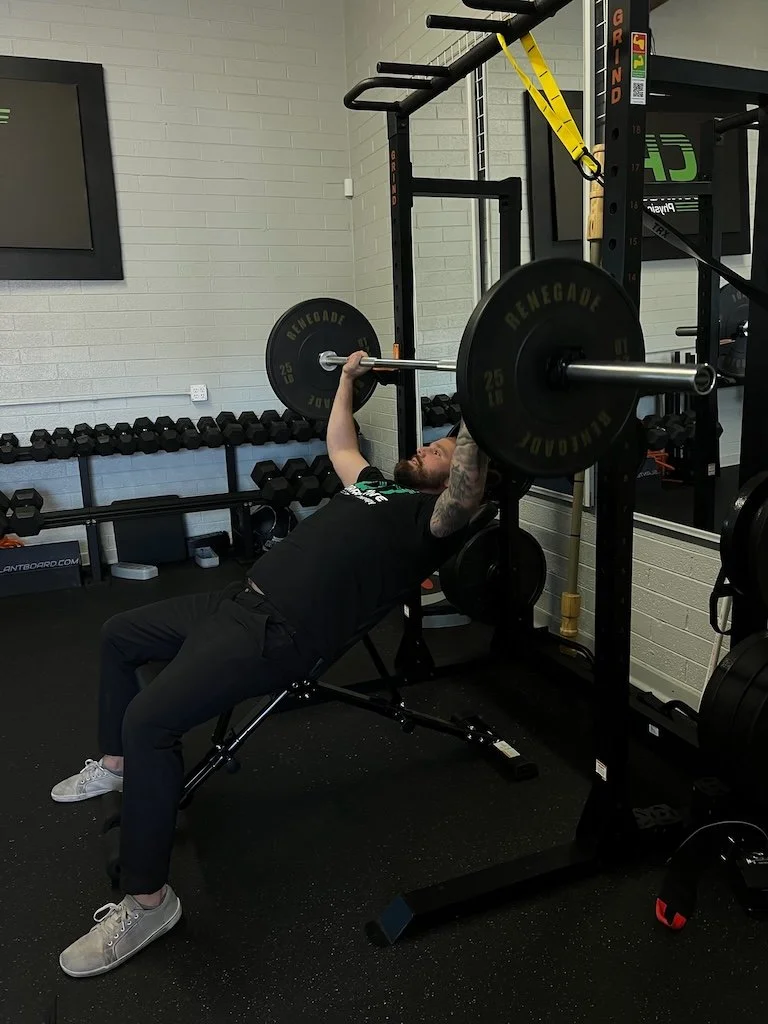
CrossFit & Weightlifting Injury Rehab in Scottsdale and Arcadia, AZ
Personalized Physical Therapy for Lifters at Corrective Physical Therapy
CrossFit and strength training demand a unique combination of mobility, stability, strength, coordination, and resilience. When something starts hurting, whether it's your shoulder during overhead work, your low back during deadlifts, or your hips during squats, the solution is rarely as simple as stopping the movement.
At Corrective Physical Therapy, we provide personalized, 1-on-1 physical therapy for CrossFit athletes, Olympic weightlifters, powerlifters, and active adults dealing with lifting-related injuries and performance limitations in Scottsdale and Arcadia, AZ.
Our approach goes beyond symptom management. We evaluate movement mechanics, mobility restrictions, strength deficits, stability, and loading strategies to identify why pain developed and what needs to improve to get you back to training confidently.
The goal isn't simply getting you back into the gym. It's helping you move better, lift stronger, and reduce the likelihood of recurring injuries.
Common Weightlifting Injuries & Symptoms We Treat
Lifting-related pain can develop suddenly after an injury or gradually over months of training.
We commonly help athletes experiencing:
Low back pain with deadlifts
Low back pain during squats
Shoulder pain with overhead lifting
Hip pain during squats or Olympic lifts
Recurrent training-related flare-ups
Mobility restrictions affecting lifting technique
Pain during CrossFit workouts
Pain with cleans, snatches, and jerks
Reduced strength after injury
Difficulty returning to previous training volume
Persistent tightness that never fully resolves
Movement compensations during lifting
Whether you're preparing for competition or simply trying to stay active, treatment should address the reasons your body is becoming overloaded in the first place.
Pain During Lifting Doesn't Always Mean Something Is Damaged
One of the biggest misconceptions in strength training is that pain automatically means you're causing harm.
In reality, many lifters experience pain because the demands being placed on their body exceed their current capacity.
This can happen because of:
Strength deficits
Mobility limitations
Poor movement control
Inadequate recovery
Rapid increases in training volume
Compensation patterns
Previous injuries
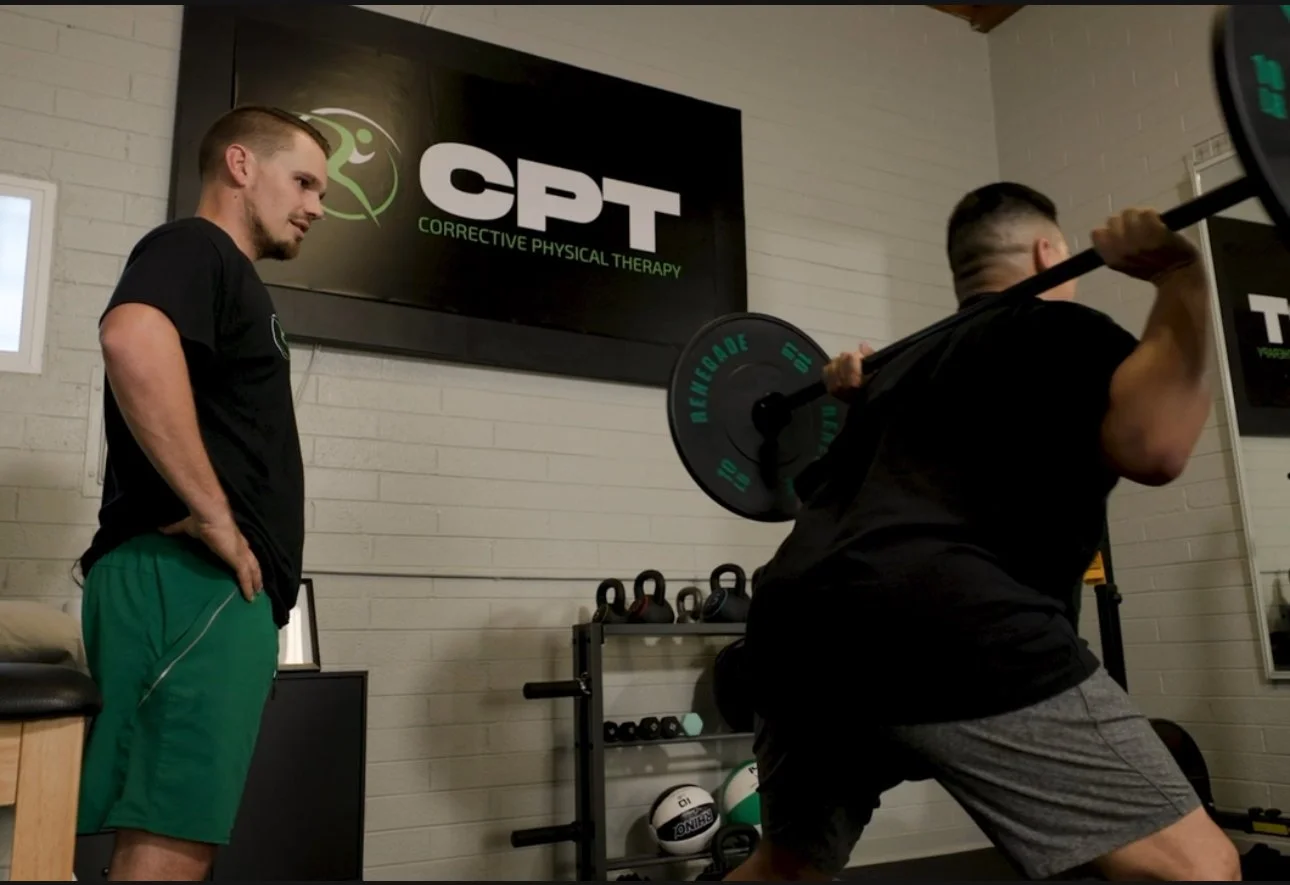
At Corrective Physical Therapy, we help athletes understand what their symptoms actually mean and develop a plan that allows them to keep progressing safely whenever appropriate.
Our goal is not to make you afraid of movement. It's to help you become more resilient to it.
Mobility Alone Won't Fix Most Lifting Problems
Many athletes spend years chasing mobility while overlooking the qualities that actually support long-term performance.
Mobility is important, but mobility without strength and control often fails under load.
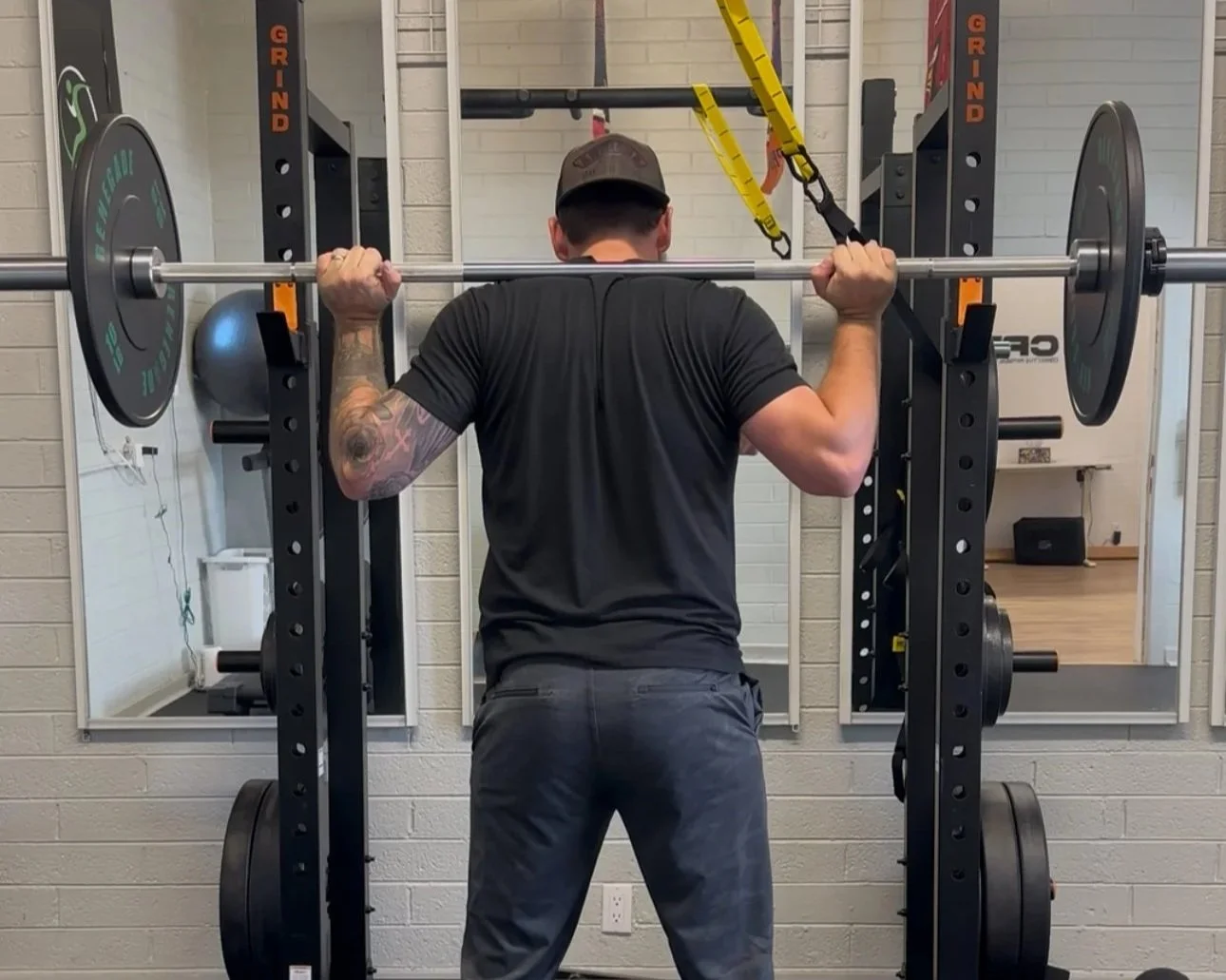
Successful lifting requires:
Active mobility
End-range strength
Stability
Coordination
Force production
Load tolerance
As Dr. Matt often teaches, lifting is not always about lifting heavier. Improving movement efficiency, strengthening stabilizer muscles, and developing control throughout full ranges of motion can have a significant impact on both performance and longevity.
At Corrective Physical Therapy, we focus on helping athletes build mobility and strength together so improvements carry over to real-world training.
Why Your Low Back Keeps Getting Irritated During Lifts
Low back pain is one of the most common complaints among lifters.
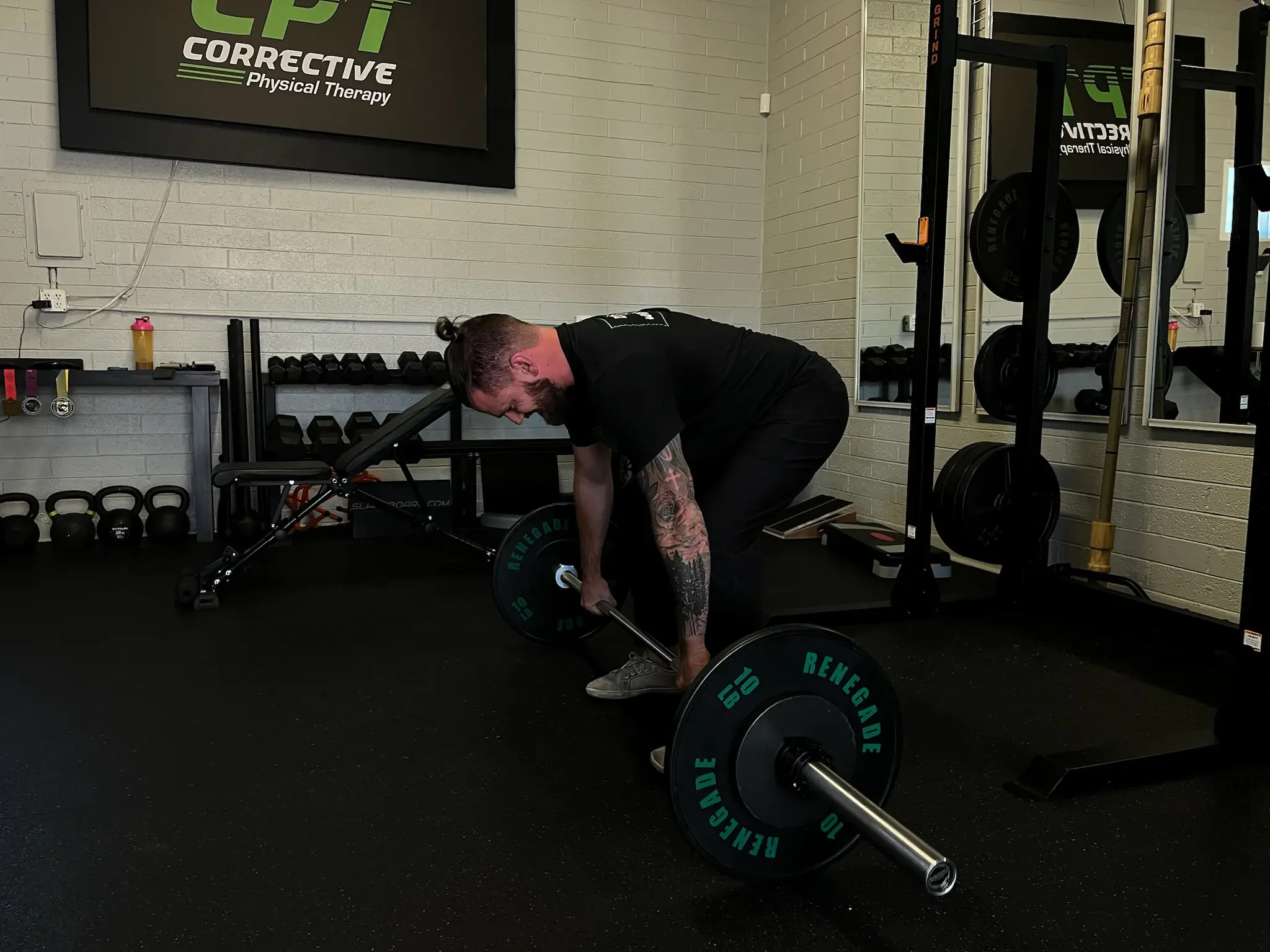
Contrary to popular belief, movements like deadlifts are not inherently dangerous. Problems typically occur when the body lacks the stability, strength, or movement control necessary to manage the demands being placed on it.
Common contributors include:
Poor core stiffness
Reduced hip mobility
Strength deficits
Movement compensations
Poor load management
Returning to training too aggressively after injury
Why Shoulder Pain Happens During Overhead Lifting
Shoulder pain is rarely just a rotator cuff problem. The shoulder depends on coordination between the rotator cuff, shoulder blade, thoracic spine, and core. When one part of the system is not functioning efficiently, the shoulder often absorbs more stress than it can tolerate.
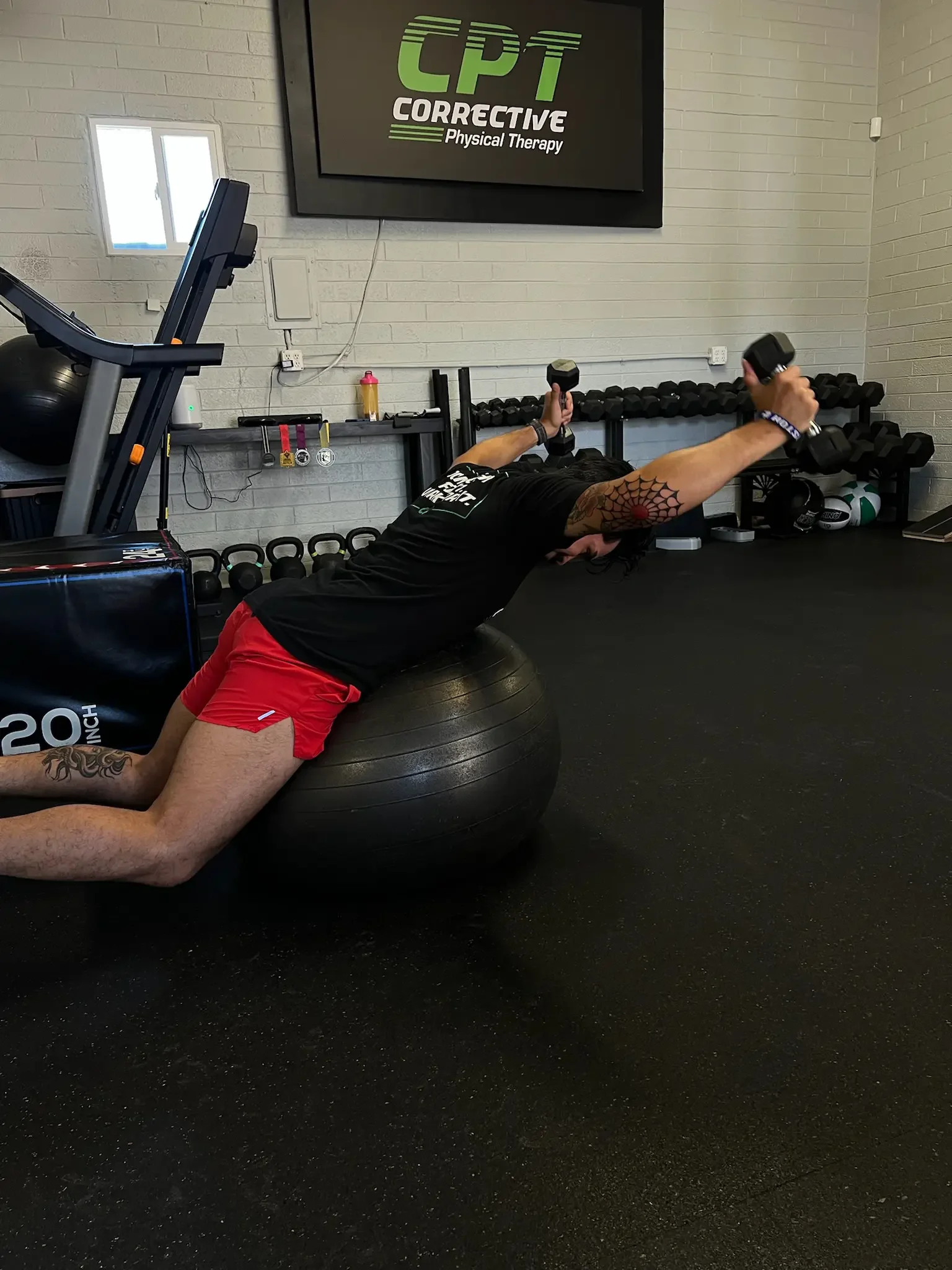
This can contribute to:
Shoulder impingement
Pain during pressing
Pain during snatches and jerks
Overhead instability
Pinching sensations
Chronic stiffness
Recurrent training setbacks
At Corrective Physical Therapy, we evaluate shoulder mechanics throughout the entire kinetic chain rather than focusing solely on the painful area.
Strength Is Part of the Rehab Process
Many rehabilitation programs stop once symptoms improve. We believe that's where recovery should continue.
Once pain begins to settle down, we progressively rebuild:
Strength
Stability
Capacity
Power
Confidence
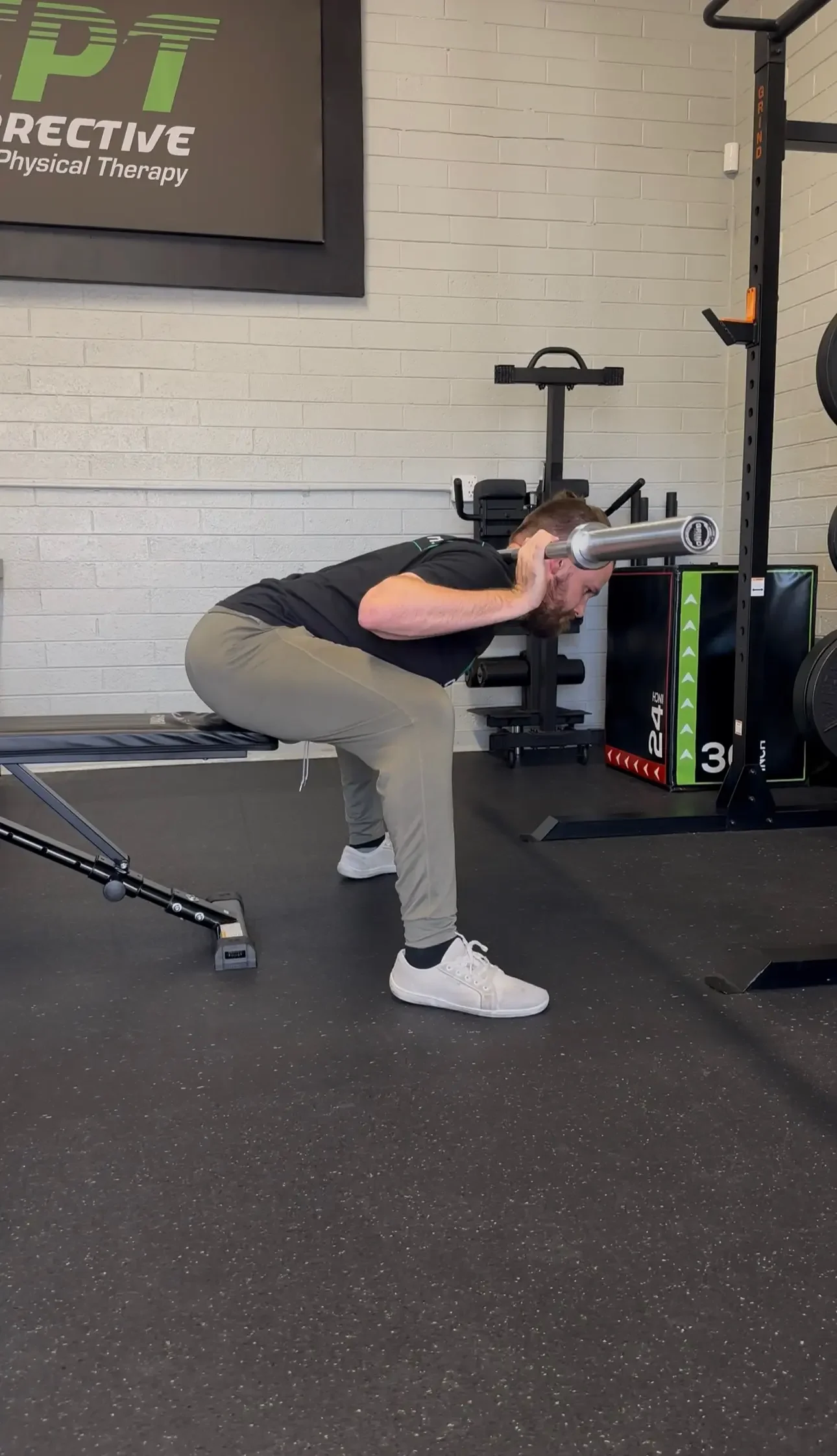
Because the goal is not simply feeling better during daily activities. The goal is returning to the demands of CrossFit, Olympic lifting, powerlifting, and strength training safely and confidently.
We bridge the gap between rehabilitation and performance.
Patient Testimonials
Coming up on a year ago, I had a bulging disk in my neck causing severe pain. After trying a few other physical therapists, I found Dr. Matt. He was able to develop a plan to help get the pain under control and then a plan to keep it from happening again. The office operates the way we wish all healthcare did-one on one attention, follow up, and a clear fee structure. I am back to CrossFit and all of my other activities thanks to Dr. Matt and Dr. Maddie’s help. I appreciate you guys!
— Jennifer E.I originally visited CPT for chronic hip pain. Dr. Matthew Brown treated my pain and taught me proper techniques for weight lifting that would prevent pain in the further. Recently, I have been treated for tennis elbow by Dr. Madison. With her help and guidance, my tennis elbow has improved much quicker than I expected. I would highly recommend CPT!
— Marissa M.I started seeing Matthew a little over a month ago for shoulder and neck issues that I had been struggling with for quite some time. I regularly strength train. From my first visit I knew he would be able to fix my problem. Matthew is so knowledgeable and truly cares and listens to what is going on. He explains everything so well and gives you all the resources to be successful! I can say that after a month of seeing him and working on my exercises I am pain free and back to lifting. 10/10 recommend him and will be back!
— AllyOur Approach to CrossFit & Weightlifting Injury Rehab
Every patient at Corrective Physical Therapy receives individualized, 1-on-1 care with a licensed Doctor of Physical Therapy.
Depending on your needs, treatment may include:
-
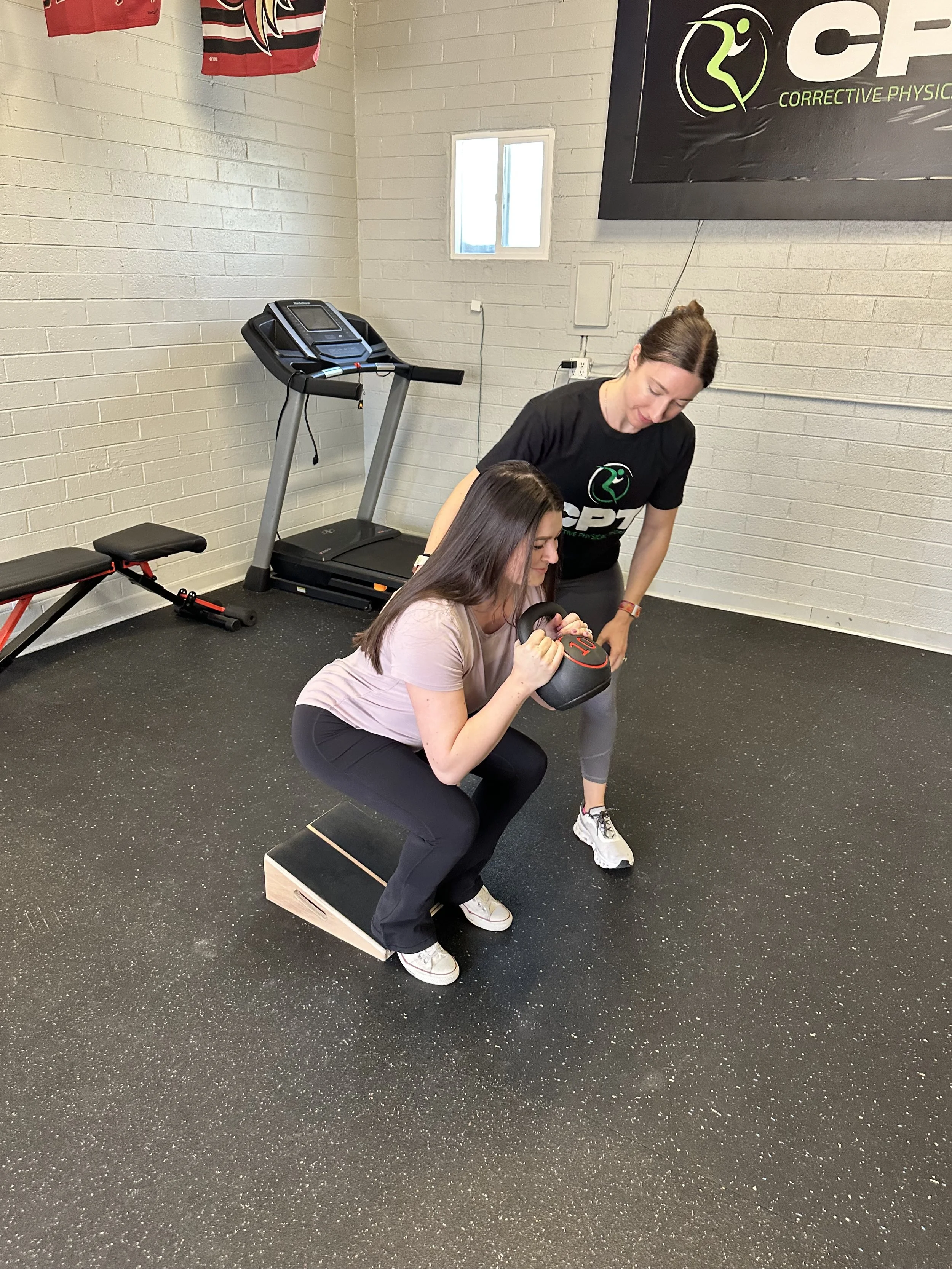
Movement & Lifting Assessment
We analyze squat mechanics, deadlift technique, overhead positions, mobility limitations, force production, and movement compensations that may be contributing to pain.
-
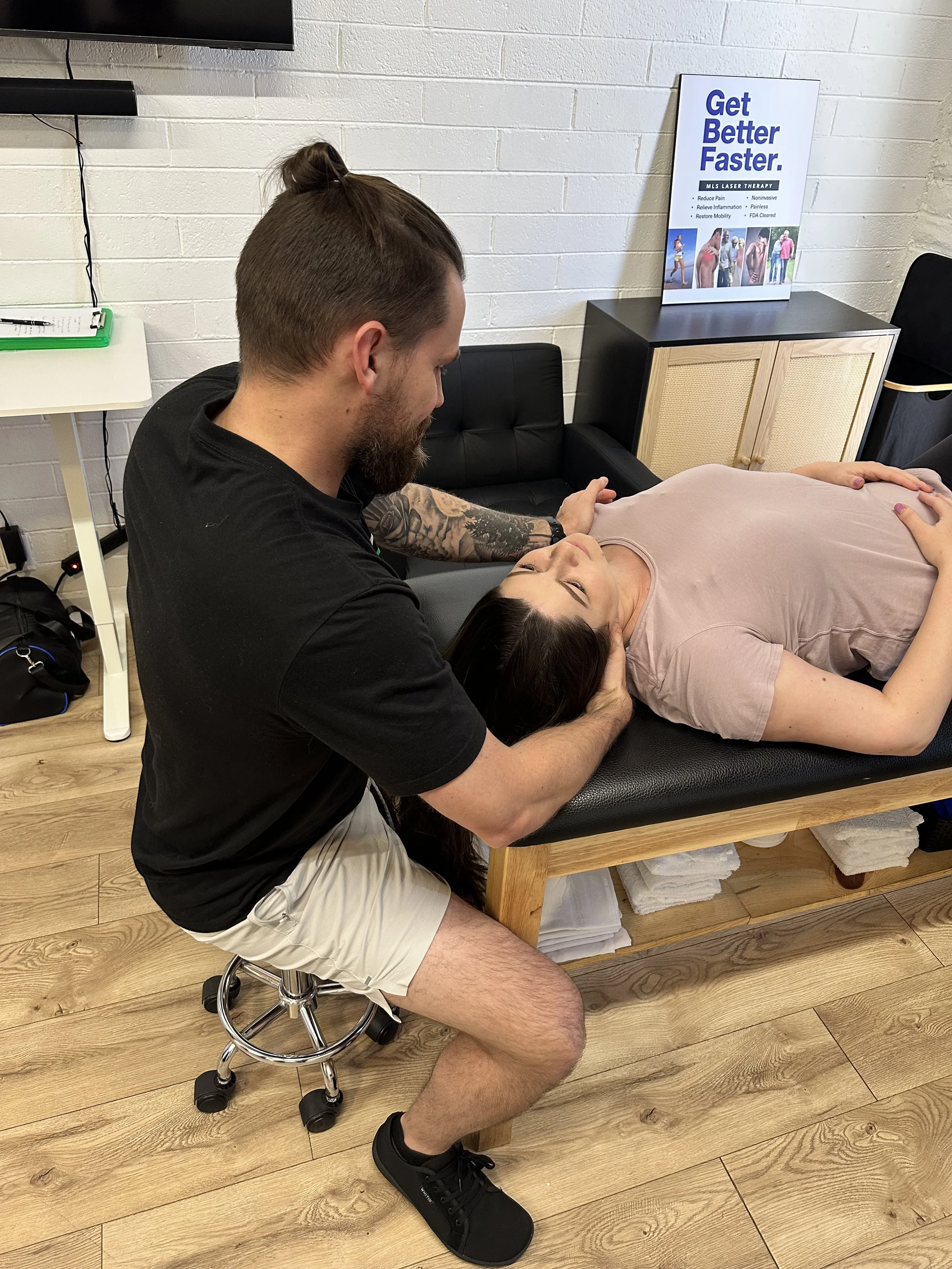
Manual Therapy
Hands-on treatment to improve mobility and reduce stiffness throughout the spine, hips, shoulders, and surrounding joints.
-
Strength & Progressive Loading
With strength and progressive loading, we build strength systematically so your body can tolerate increasing training demands and return to lifting safely.
-
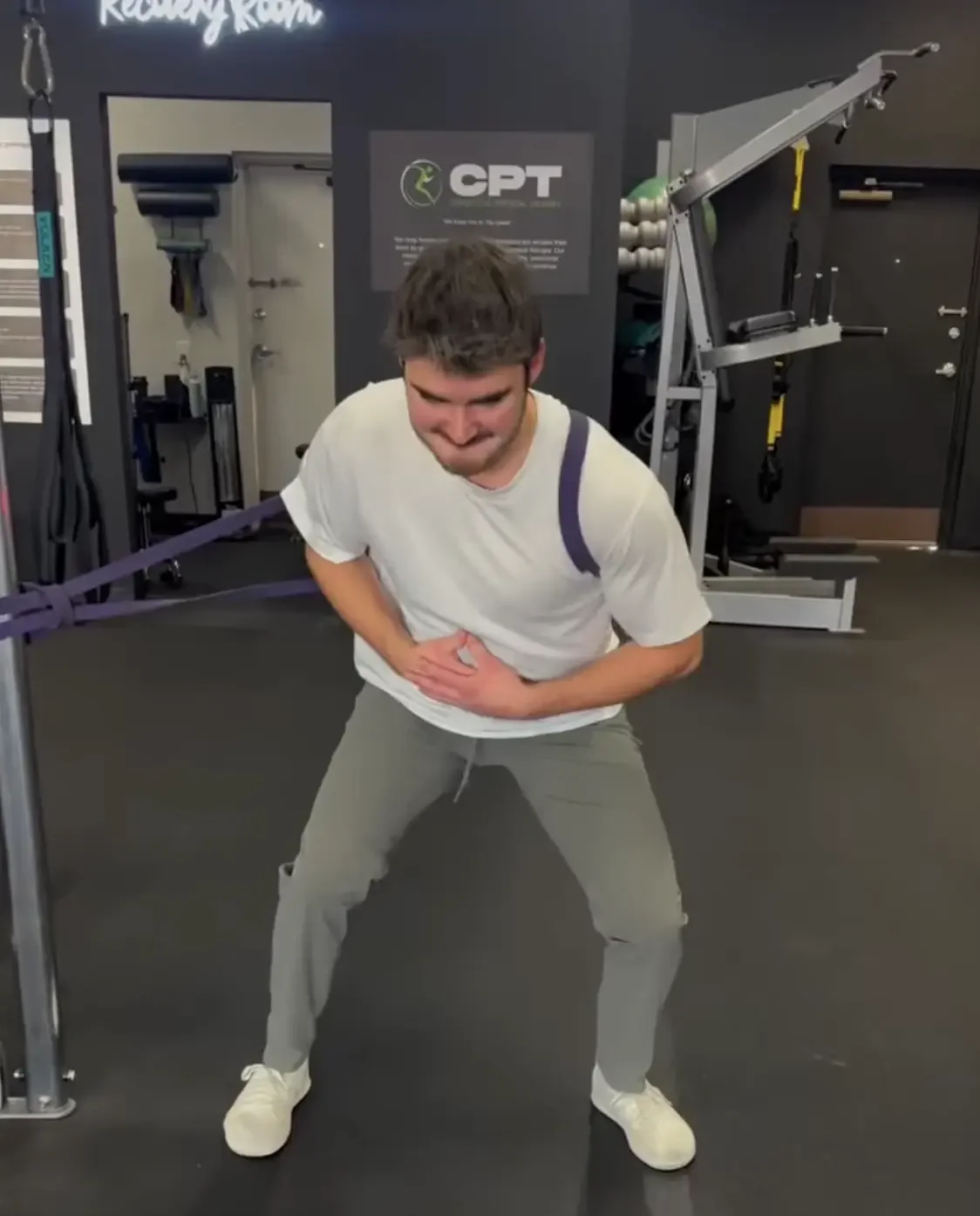
Core Stability Training
Developing core stiffness and spinal stability is often an important component of reducing low back irritation and improving lifting performance.
-
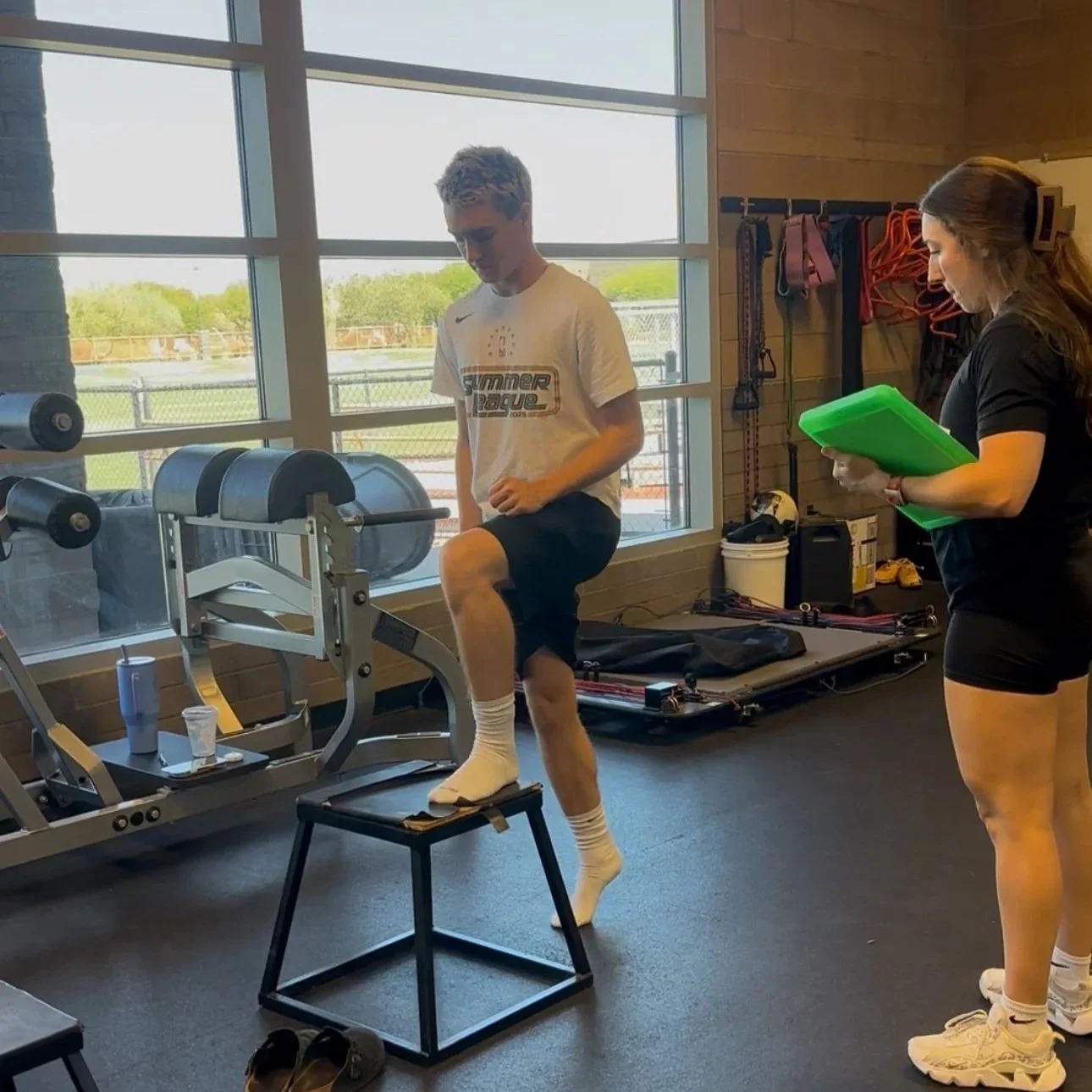
Mobility & Movement Retraining
With mobility and movement retraining, we improve mobility where necessary while teaching your body how to control and utilize those ranges effectively under load.
-
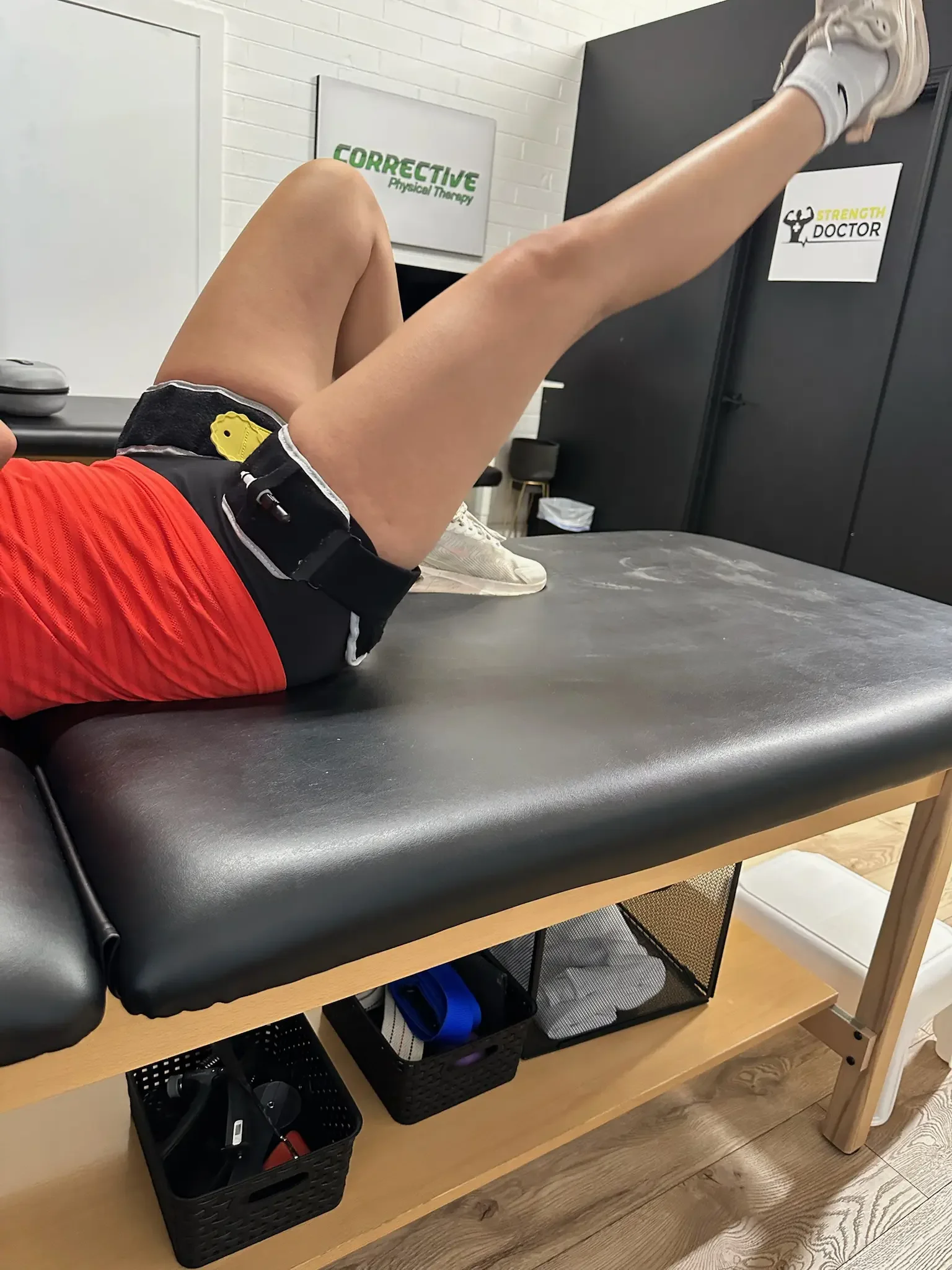
Blood Flow Restriction (BFR) Training
BFR training allows patients to build strength using lighter loads when heavy lifting is not yet appropriate.
-
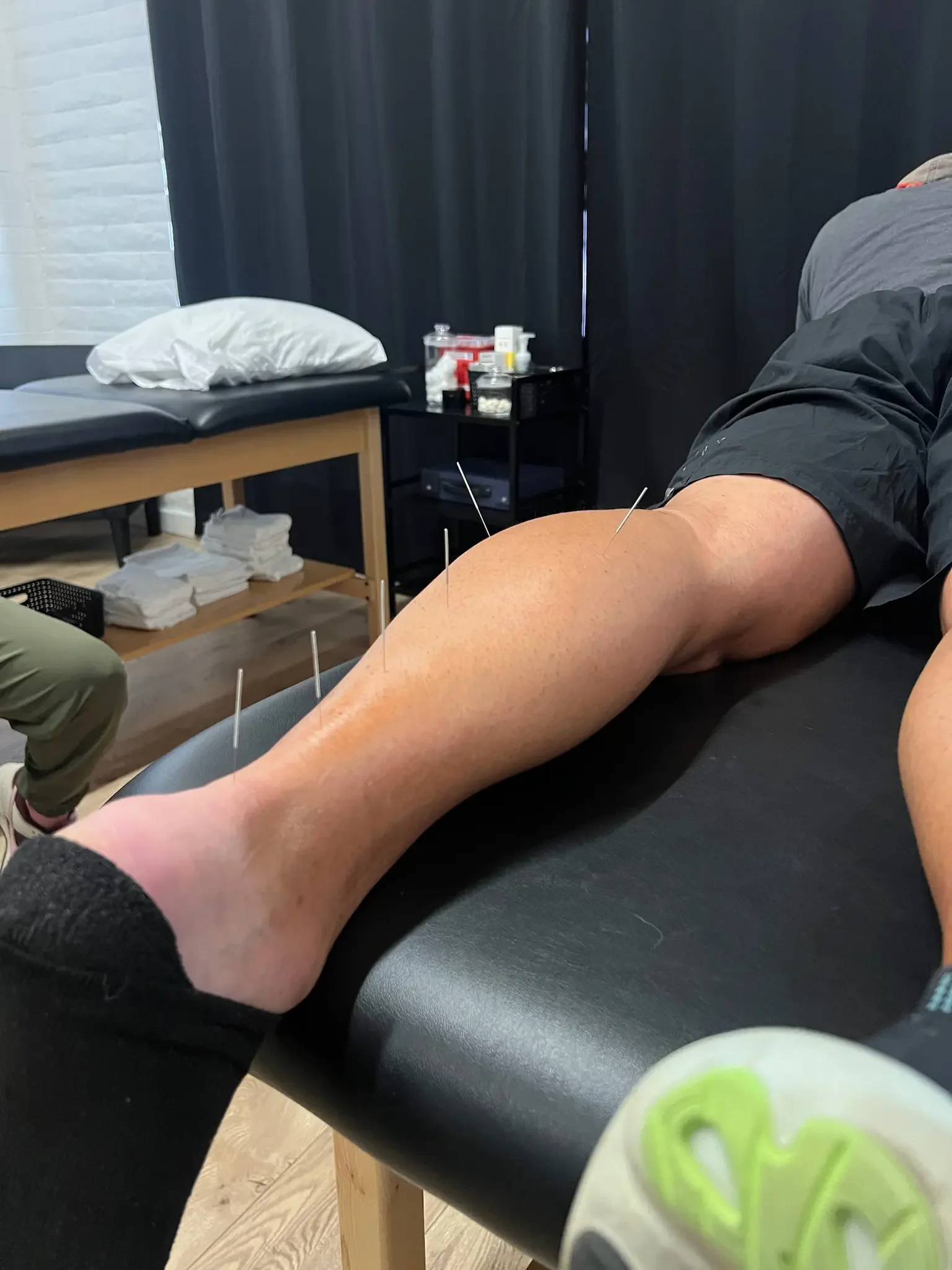
Dry Needling
Dry needling may help reduce muscular tension and improve movement quality.
-
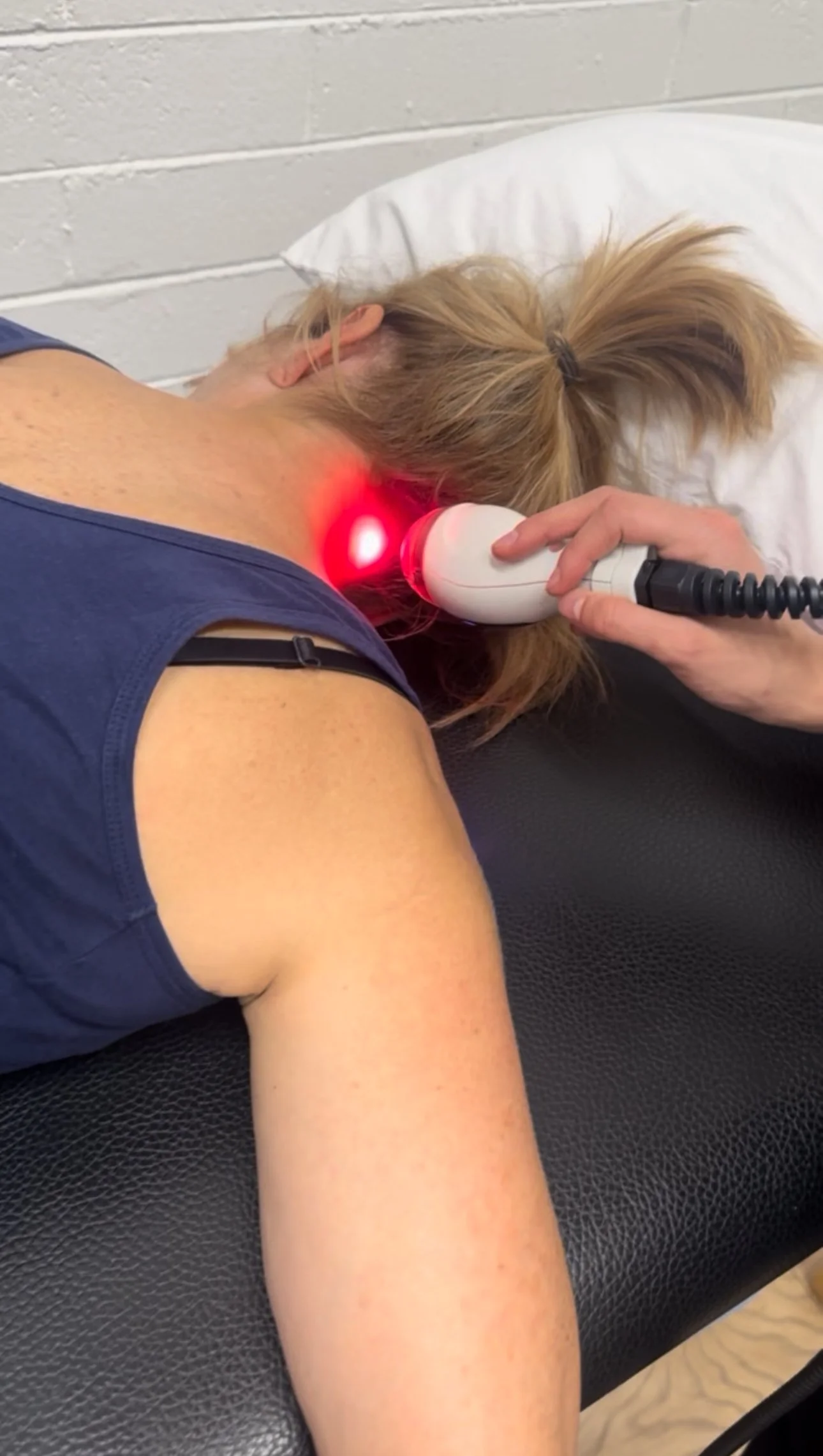
MLS Grade IV Laser Therapy
Advanced laser therapy may help decrease inflammation and support tissue healing.
-
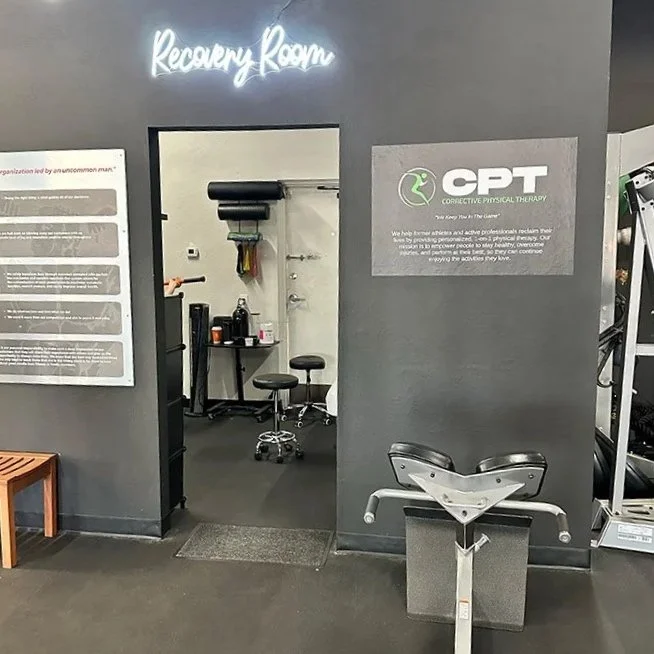
Personalized Rehab Programming
Every rehab plan is tailored to your injury history, training goals, movement limitations, and sport demands.
Why Patients Choose Corrective Physical Therapy
We bridge the gap between rehab and performance…not just getting you back to workouts, but improving how you move in them.
We don't just want your shoulder, hip, or back to stop hurting.
We want you lifting with more confidence, better movement quality, and greater capacity than before.
What Makes CPT Different?

1-on-1 treatment sessions

Sports rehab expertise

¡Sí, hablamos español!

Full 60-minute evaluations

Focus on active adults and former athletes

Education that helps you understand your pain

Personalized rehab plans

Evidence-based treatment

Locations in Scottsdale & Arcadia
Meet the Doctors

Dr. Matthew Brown PT, DPT, SCS
Dr. Matthew Brown is a sports physical therapist who helps active adults and athletes recover from injuries, improve performance, and return to the activities they enjoy. As the founder of Corrective Physical Therapy, he combines advanced sports rehabilitation training with strength and movement-based treatment to address the root cause of pain and keep patients performing at their best.
Founder & Performance Specialist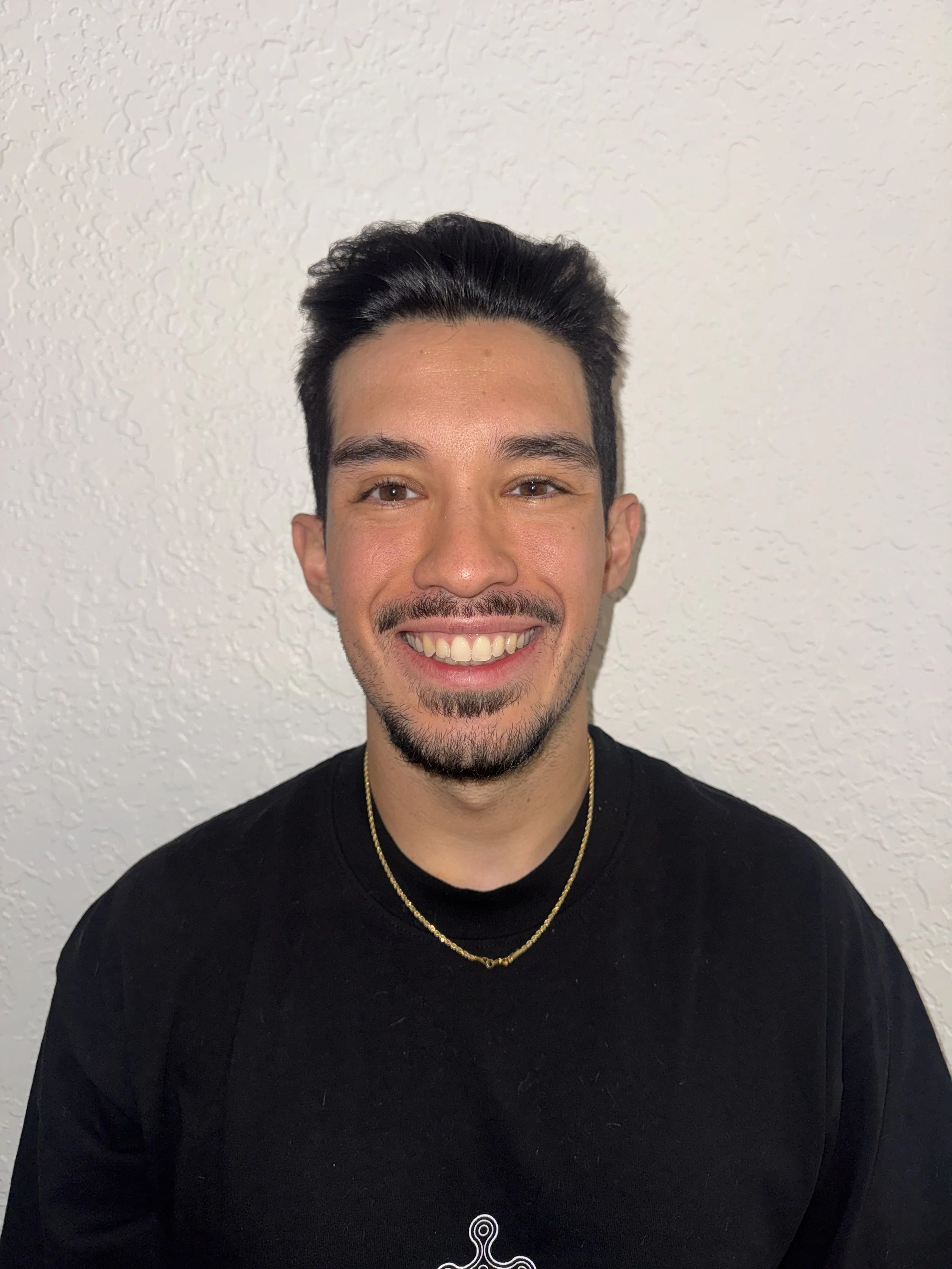
Dr. Daniel Paredes, PT, DPT, CSCS
Physical Therapist | Sports Performance & Running SpecialistDr. Danny Paredes is a sports physical therapist who helps runners, athletes, and active adults overcome pain, improve performance, and return to training with confidence. Combining his background in strength and conditioning, competitive athletics, and evidence-based rehabilitation, he bridges the gap between rehab and performance to help patients move better and achieve their goals.
CrossFit & Weightlifting Injury Rehab in Scottsdale & Arcadia, AZ
If shoulder pain, low back pain, hip pain, or recurring injuries are limiting your training, the team at Corrective Physical Therapy is here to help.
We provide personalized physical therapy for CrossFit athletes, weightlifters, strength athletes, and active adults in Scottsdale and Arcadia, Arizona.
Our mission is simple:
Help you move better, lift stronger, and return to training with confidence without constantly worrying about pain, setbacks, or limitations.

Frequently Asked Questions About Weightlifting Injuries
-
Not always. Depending on the severity of symptoms, modifying training while addressing underlying movement and strength deficits is often more productive than complete rest.
-
Deadlifts are a highly effective strength-building exercise when programmed and performed appropriately. Pain is often related to capacity, technique, load management, or previous injury rather than the exercise itself.
-
Yes. Physical therapy can address mobility restrictions, shoulder blade control, rotator cuff strength, and movement mechanics that may be contributing to symptoms.
-
Hip pain may be related to mobility restrictions, movement mechanics, strength deficits, hip impingement, load management, or compensation patterns. A movement assessment can help identify contributing factors.
-
No. Whenever appropriate, we aim to help athletes continue training while modifying exercises and loads to support recovery.
-
Many athletes see improvements in strength, movement quality, mobility, efficiency, and confidence as they progress through a performance-focused rehabilitation program.