

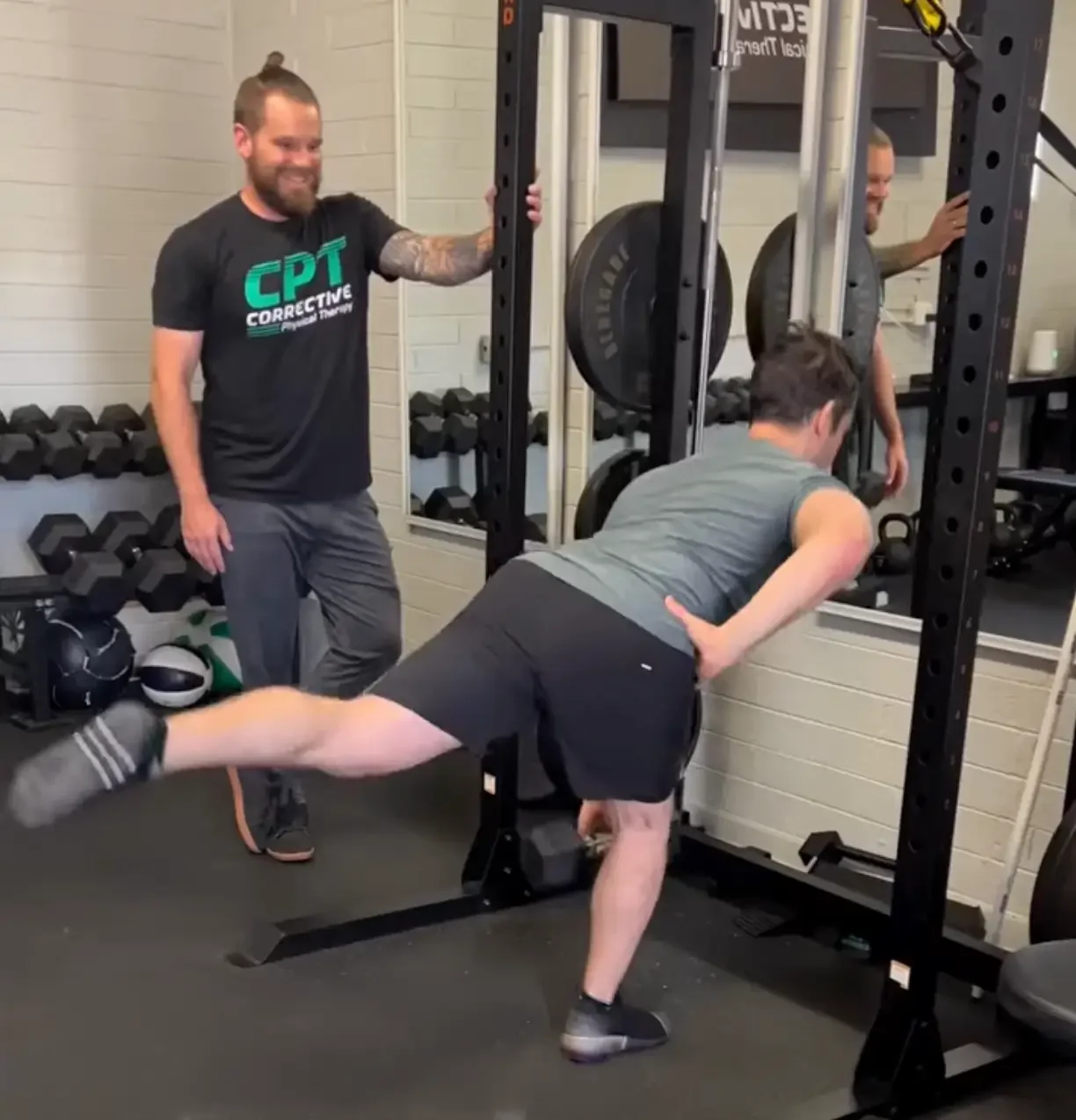
Return-to-Sport Physical Therapy in Scottsdale & Arcadia
Getting Out of Pain Is the First Step. Getting Back to Your Sport Takes More.
Your pain has improved. You're moving more comfortably. Maybe you're back in the gym and starting to feel like yourself again. So, are you ready to return to your sport?
Not necessarily.
Athletes know their bodies require more. Sprinting, jumping, cutting, changing direction, and repeated bursts of effort require strength, power, endurance, stability, and control. After an injury, those capabilities may not have fully recovered just because your pain is gone.
At Corrective Physical Therapy, we help athletes and active adults in Scottsdale and Arcadia rebuild the physical capacity needed to return to the activities they love. Through individualized rehabilitation, progressive strength and power training, and sport-specific performance testing, we work toward a return that accounts for the demands of your sport—not just whether you feel better.
Our goal isn't simply to get you back where you were when you got injured. It's to help you build the strength, confidence, and physical capacity to move forward.
Why Being Out of Pain Doesn't Always Mean You're Ready to Play
Common gaps that can remain after pain improves include:
Strength: You haven't fully regained the force-producing capacity needed for your sport.
Power: You can perform controlled movements but aren't yet prepared for explosive actions such as sprinting and jumping.
Endurance: You can perform an activity briefly but struggle to maintain performance as fatigue sets in.
Stability and control: You have difficulty maintaining control during single-leg movements, landings, or changes of direction.
Sport-specific tolerance: Your body hasn't yet rebuilt its capacity to handle the speed, intensity, and repeated demands of your sport.
When an injury keeps you out of your sport, your body may lose some of its ability to handle the demands that activity places on it. You might feel fine walking, climbing stairs, or performing basic exercises. But those activities don't necessarily prepare you for a full-speed sprint, a hard landing, a sudden change of direction, or an entire game.
Returning too quickly can mean asking your body to handle more than it's prepared for. You may find yourself dealing with recurring symptoms, compensating with different movement patterns, or struggling to perform at your previous level.
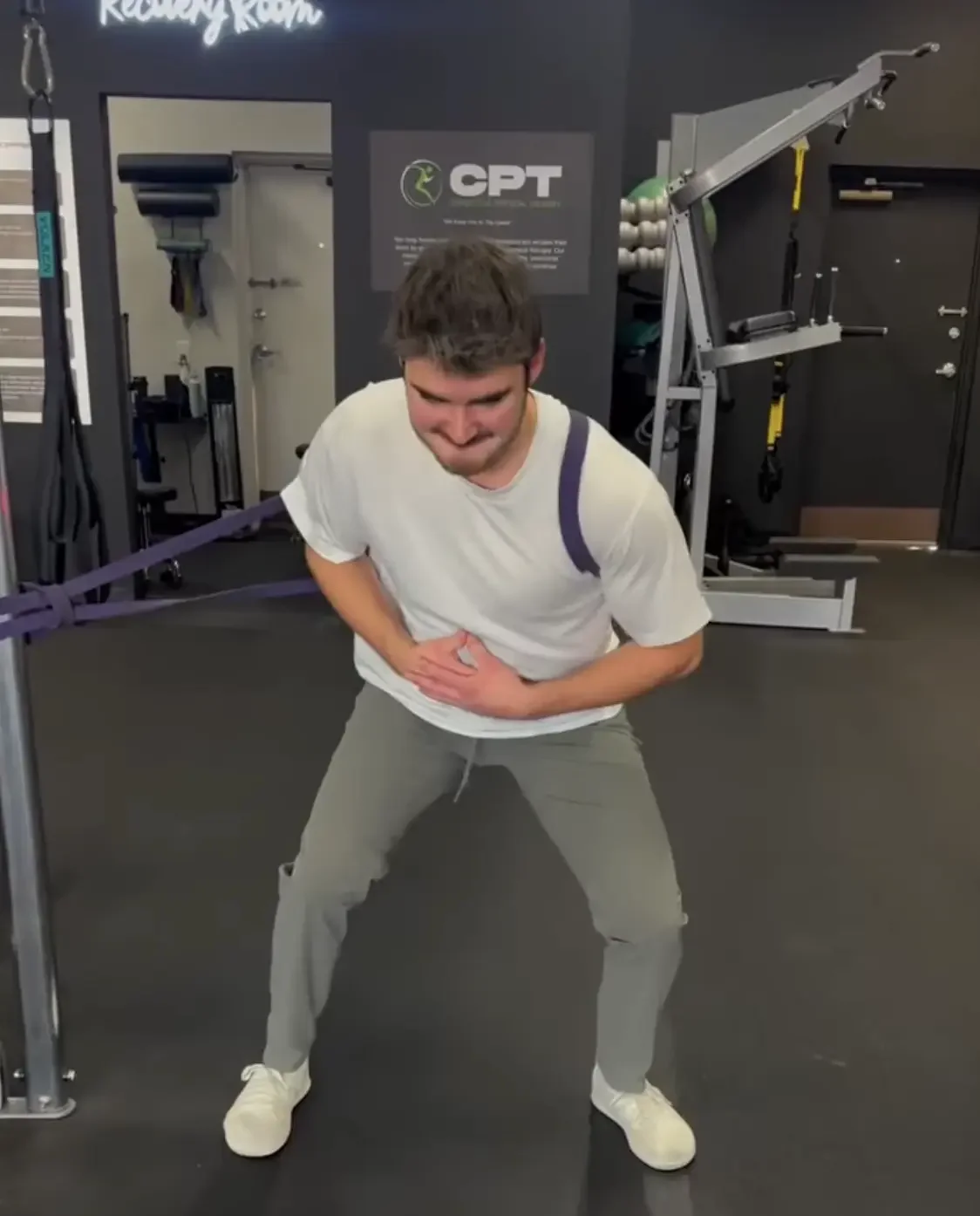
These limitations aren't always obvious during everyday activities. That's why returning to sport needs to involve more than waiting for pain to disappear.
What Does Return-to-Play Rehabilitation Involve?
Return-to-play rehabilitation focuses on rebuilding your capabilities progressively so you can work toward the demands of your sport.
Your plan depends on your injury, current function, activity level, and goals. We don't expect you to jump from basic rehabilitation exercises straight into full-speed competition.
Instead, we build on your progress and gradually introduce more demanding activities as appropriate.
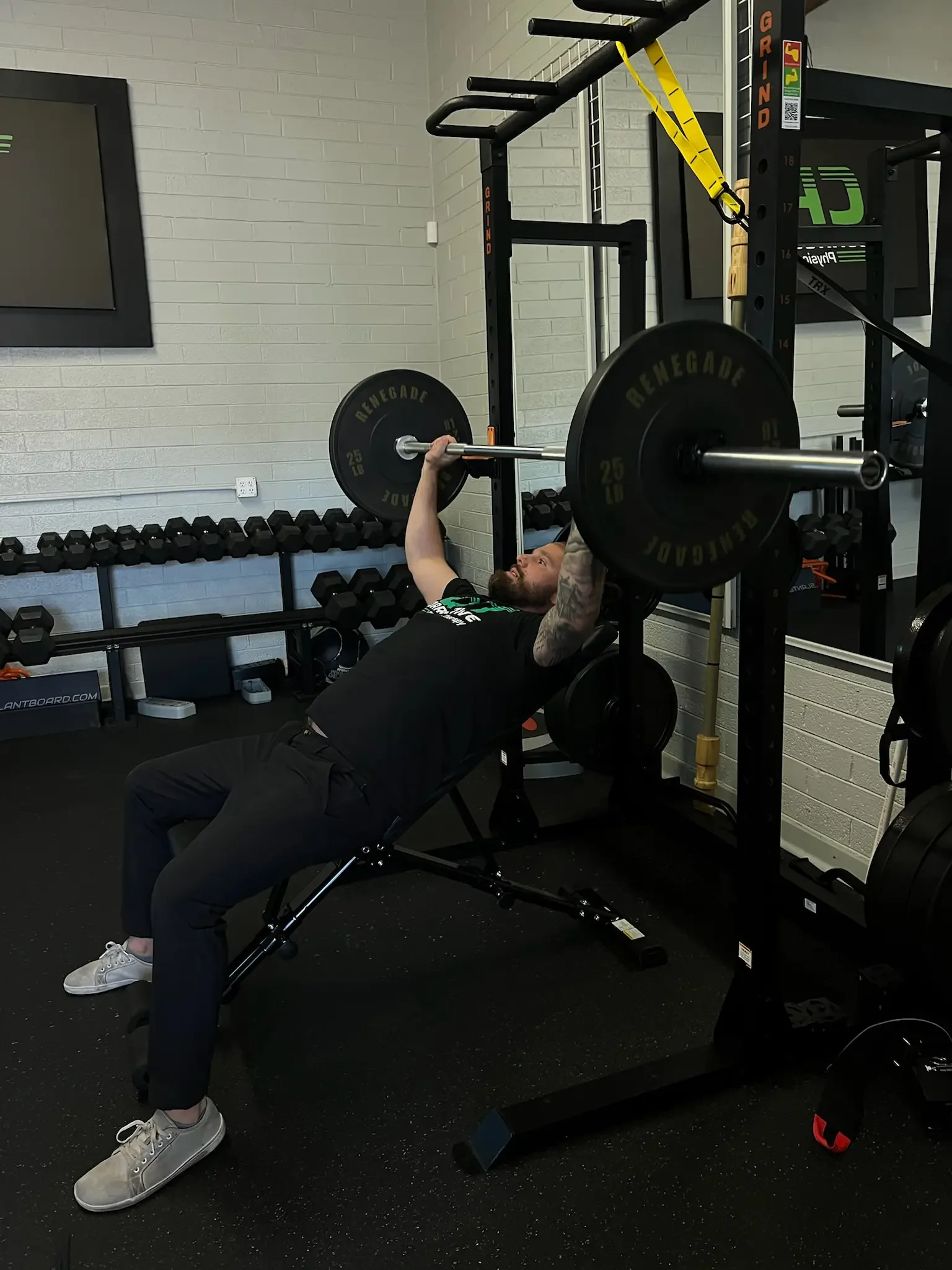
1. Rebuild Strength
Strength provides the foundation for higher-level movement. After an injury or a period of reduced activity, you may have lost strength or developed differences between sides that affect how you move and produce force.
We use targeted progressive strengthening to address those limitations and help you regain the capacity needed for your sport.
Depending on your needs, this may involve improving individual muscle strength, developing single-leg strength, addressing relevant muscle imbalances, and progressively increasing the demands placed on your body.
The goal is to build a stronger foundation before progressing to faster, more demanding movements.
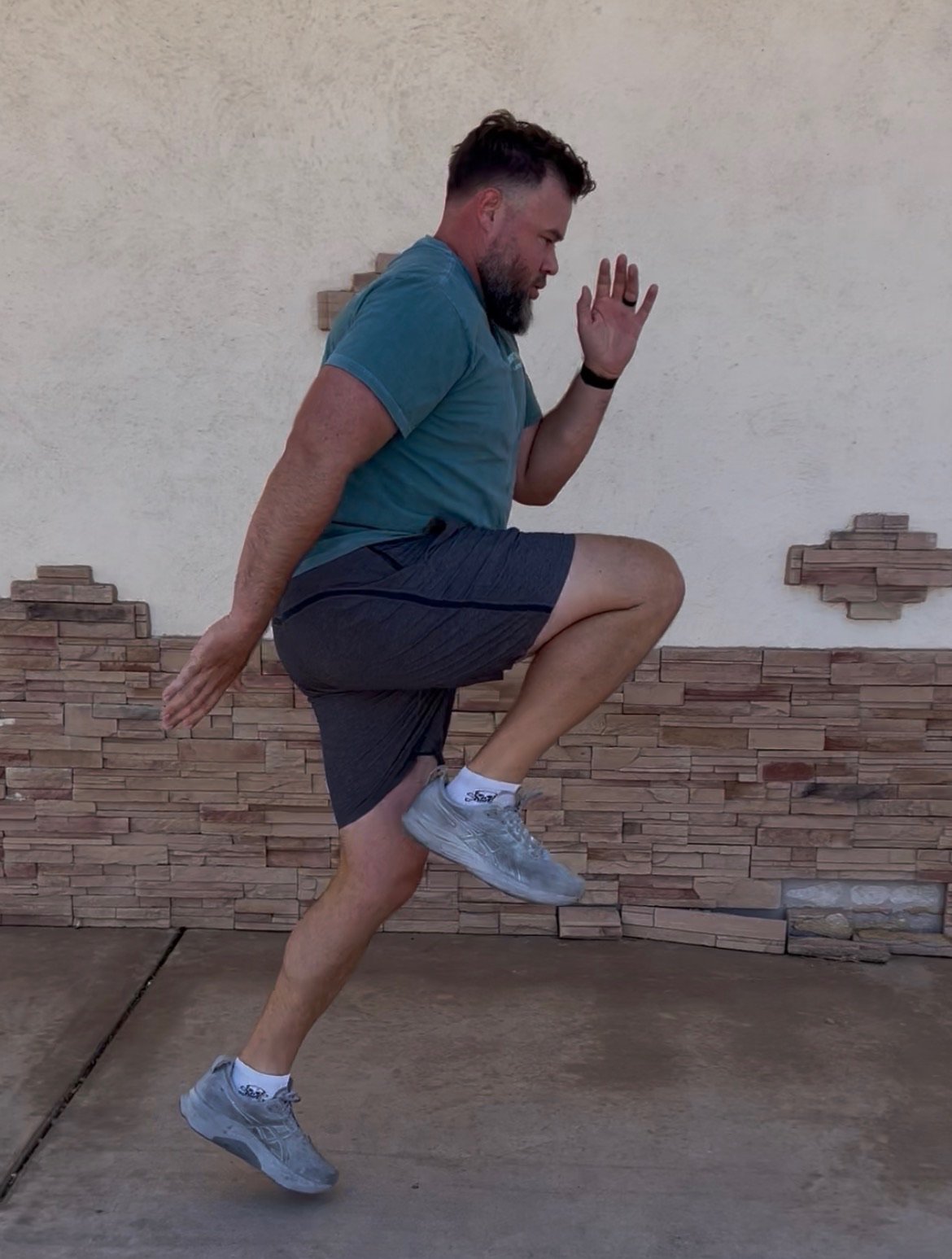
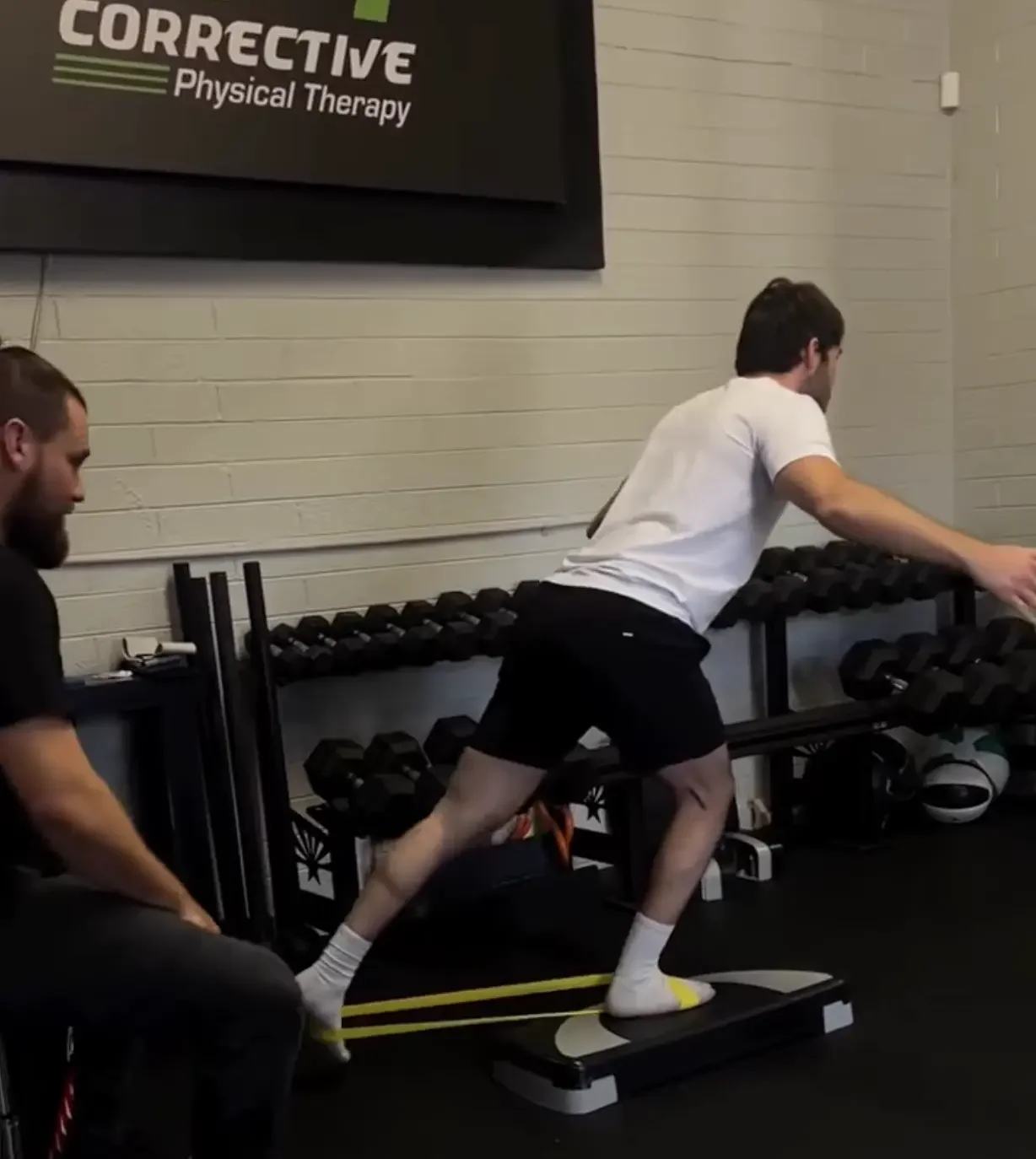
2. Develop Power and Explosiveness
Being strong doesn't automatically mean you're ready to sprint, jump, or change direction at full speed. Power is your ability to produce force quickly. It's essential for many athletic movements, including accelerating, jumping, pushing off, and reacting to changes during play.
Power training is an important part of preparing your body for these demands. Depending on your progress and the requirements of your sport, your rehabilitation may advance to explosive movements, jumping and landing drills, and progressively faster activities.
We want your body to practice the types of movements you'll need when you return—not avoid them indefinitely because they feel unfamiliar or intimidating.
3. Build Sport-Specific Endurance
Your sport may require you to repeat demanding movements for minutes or even hours. Regaining the ability to perform a movement once doesn't necessarily mean you can sustain it throughout a practice or competition.
Sport-specific endurance training helps prepare your body for repeated efforts and the physical demands of longer sessions.
Your program may progress from shorter, controlled activities toward more sustained or repeated efforts, depending on your sport and current abilities. We also consider how fatigue affects your movement and control as activity demands increase.
4. Progress Toward Full-Speed Sport
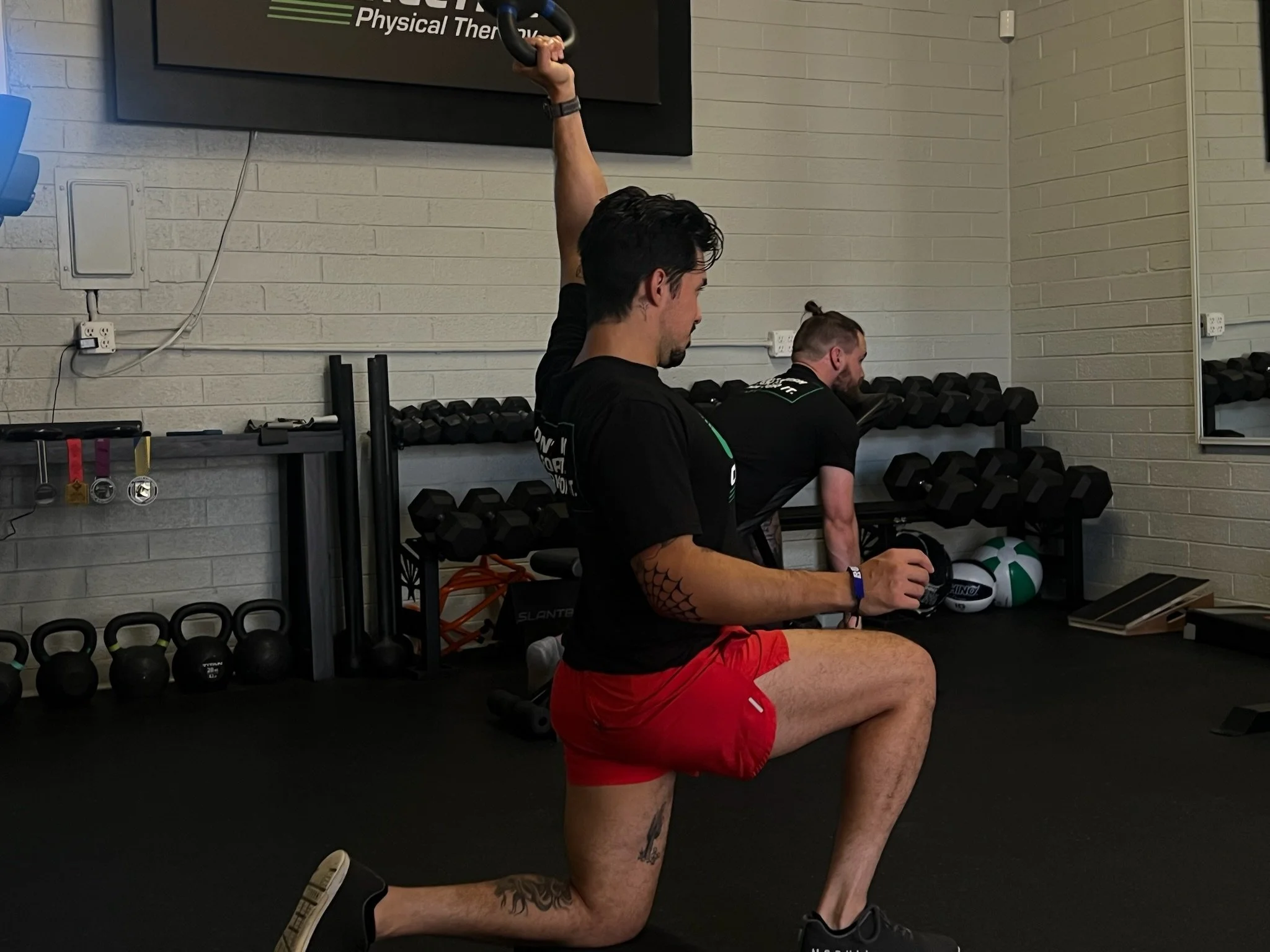
Sports rarely involve perfectly controlled, predictable movements. You may need to accelerate suddenly, land awkwardly, react to another player, or change direction with very little notice.
As you progress, rehabilitation can incorporate increasingly demanding movements that reflect the activities you need to perform. Depending on your sport and injury, this may include sprinting, jumping and landing, cutting, acceleration, deceleration, and other sport-specific drills.
The aim is to build your capacity progressively rather than expecting your body to tolerate game-speed demands before you've prepared for them.
Return-to-Play Testing: Evaluating Your Readiness to Return to Sport
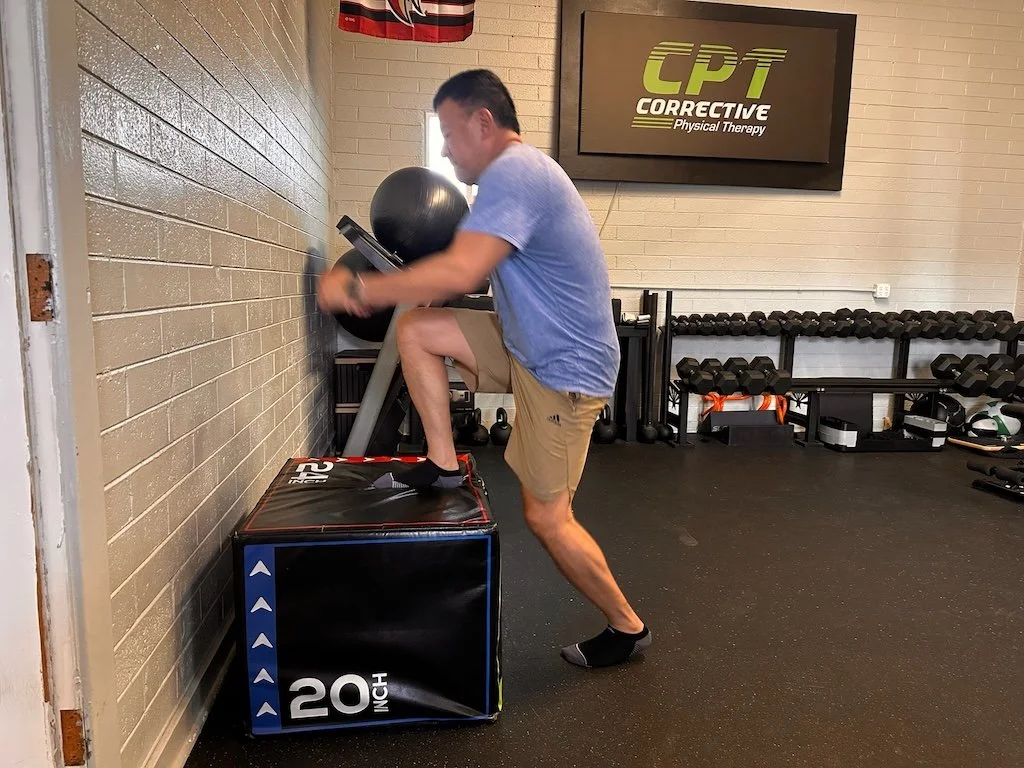
Feeling better is important, but how do you know whether you've regained the physical capabilities your sport requires?
Return-to-play testing is tailored to your injury, goals, sport, and progress throughout rehabilitation. Your physical therapist selects assessments based on your individual needs and uses the findings to guide your next steps.
Depending on your case, testing may include strength and muscle ratio measurements, sprint mechanics, jumping and landing, cutting and change-of-direction drills, or other functional performance assessments.
These aren't boxes everyone has to check in the same order. We consider how you present during testing, how your body responds to treatment, and which physical demands you need to prepare for as you work toward returning to sport.
Testing is one part of the overall decision-making process. We also consider symptoms, injury history, functional abilities, and the demands of your sport when determining appropriate progressions.
-
Sprint Mechanics
Sprinting requires more than being able to run without pain. It involves producing force quickly, coordinating your movements, and tolerating high physical demands.
When appropriate, we assess sprint mechanics and your ability to progress toward faster running and acceleration.
-
Jumping and Landing
Jumping requires power, while landing requires your body to absorb and control force.
We may assess jumping performance, landing mechanics, and single-leg hop performance to evaluate relevant aspects of strength, power, and movement control.
-
Cutting and Change of Direction
Many sports require you to decelerate, plant, and change direction quickly. These movements place different demands on your body than running in a straight line.
When appropriate, we assess your ability to control these movements and progress toward the demands of your sport.
-
Strength and Muscle Ratios
Differences in strength between sides or between relevant muscle groups can provide useful information about your recovery.
We use appropriate strength testing and muscle ratio measurements to help identify remaining deficits and evaluate progress toward your goals.
Testing is one part of the return-to-play decision. We also consider your symptoms, injury history, functional abilities, and the demands of your sport. No single test can guarantee that an athlete won't be reinjured, and readiness needs to be considered in the context of the individual.
The findings help guide the next steps in your rehabilitation and identify areas that may need more work before you progress.
Why Returning Gradually Matters
One of the most frustrating parts of recovering from an injury is feeling ready to do more, only to have symptoms return when you increase your activity. You might feel good during rehabilitation, jump back into your previous training routine, and discover that your body isn't tolerating the workload yet.
This can leave you caught in a cycle of doing more when you feel better, experiencing a flare-up, backing off, and trying again. A guided return-to-sport progression helps you build your activity tolerance more deliberately.
Rather than going straight from rehabilitation exercises to full participation, we work toward increasing the demands placed on your body as your capacity improves. That may mean progressing the intensity, speed, complexity, or duration of activities before advancing further.
Your progression will depend on your injury, how your body responds, and the requirements of your sport. The goal is to help you return with a stronger foundation and a better understanding of what your body can handle.

Physical Therapy for Athletes Who Want to Stay Active
You don't have to be a professional athlete to benefit from sport-specific rehabilitation.
At Corrective Physical Therapy, we work with active adults and former athletes who want to keep doing what they enjoy, whether that's playing recreational sports, lifting weights, running, golfing, or competing.
We understand that physical activity can be an important part of your routine, your identity, and your overall well-being. Being sidelined by an injury can affect more than your physical abilities—it can change how confident you feel about moving and participating.
Our one-on-one approach gives us the opportunity to understand your goals, identify your limitations, and develop a plan around the activities you want to return to.
Whether you're working toward your first game back or trying to regain the confidence to train at your previous level, we focus on helping you rebuild your capabilities through individualized rehabilitation and progressive training.
One-on-One Sports Rehabilitation in Scottsdale & Arcadia

At Corrective Physical Therapy, you'll work one-on-one with a Doctor of Physical Therapy who takes the time to understand your injury, evaluate your movement, and connect your rehabilitation to your goals.
Our approach combines hands-on care, objective assessment, progressive strength training, and sport-specific conditioning as appropriate for your needs.
We don't view the end of pain as the only goal of rehabilitation. We want to help you regain the strength, power, endurance, and control required for the activities you care about.
Your plan will evolve as you progress, with assessments and training adjustments to help guide your next steps.
If an injury has kept you from your sport—or you've tried returning only to find yourself struggling again—we can help you work toward a more structured path back to activity.
Ready to Work Toward Your Return to Sport?
You shouldn't have to guess whether you're ready to return to the activities you love.
At Corrective Physical Therapy, we help athletes and active adults rebuild strength, develop power, improve endurance, and progress toward the physical demands of their sport.
Schedule an appointment at our Scottsdale or Arcadia location to discuss your injury, your goals, and how physical therapy can help you work toward getting back in the game.
Meet the Doctors

Dr. Matthew Brown PT, DPT, SCS
Dr. Matthew Brown is a sports physical therapist who helps active adults and athletes recover from injuries, improve performance, and return to the activities they enjoy. As the founder of Corrective Physical Therapy, he combines advanced sports rehabilitation training with strength and movement-based treatment to address the root cause of pain and keep patients performing at their best.
Founder & Performance Specialist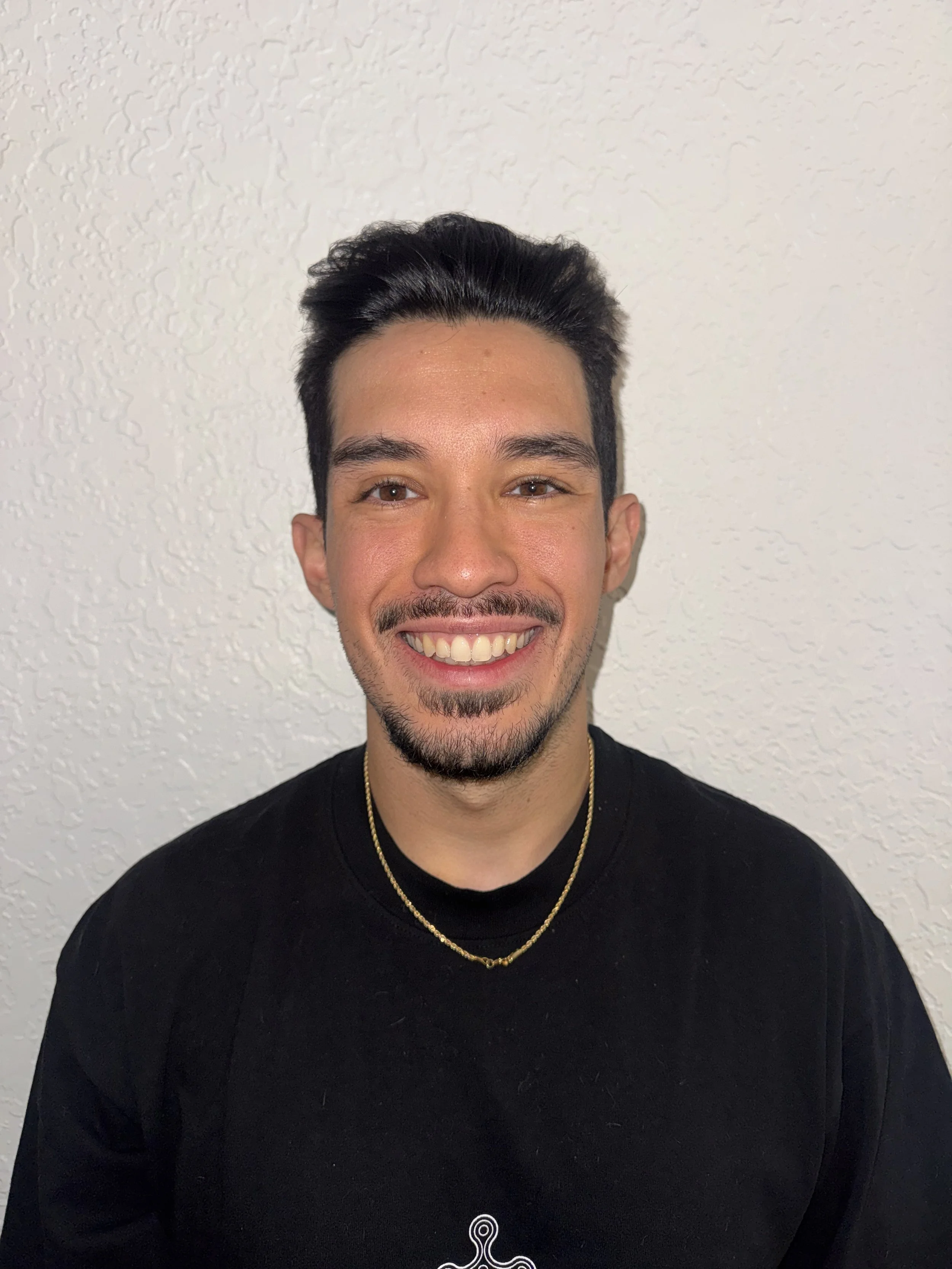
Dr. Daniel Paredes, PT, DPT, CSCS
Physical Therapist | Sports Performance & Running SpecialistDr. Danny Paredes is a sports physical therapist who helps runners, athletes, and active adults overcome pain, improve performance, and return to training with confidence. Combining his background in strength and conditioning, competitive athletics, and evidence-based rehabilitation, he bridges the gap between rehab and performance to help patients move better and achieve their goals.