

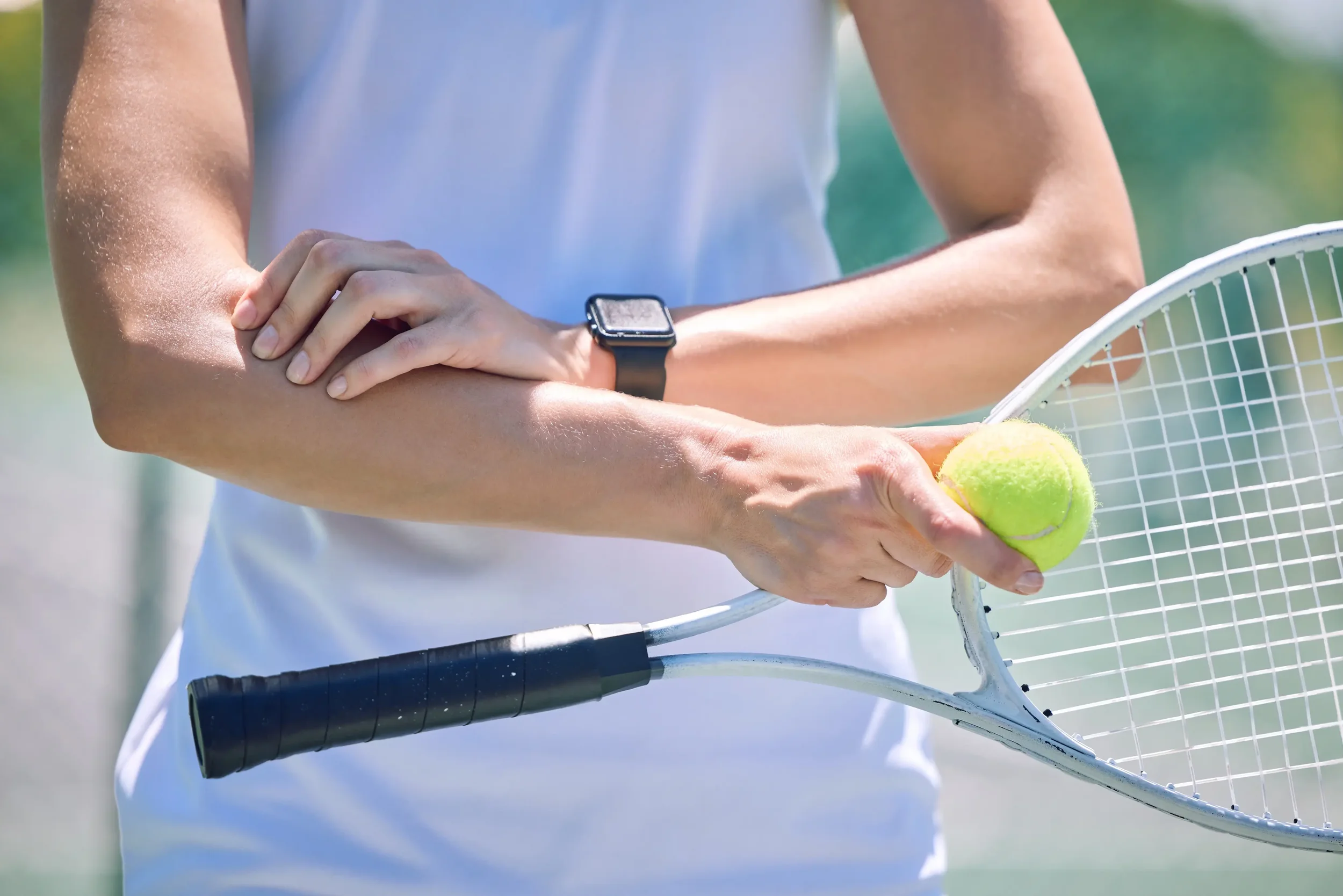
Elbow Pain, Tennis Elbow & Golfer's Elbow Physical Therapy in Scottsdale & Arcadia
1-on-1 Physical Therapy for Elbow Pain
Athletes, first responders, and active adults dealing with elbow pain that flares up every time they grip, lift, swing, or throw...we got you.
At Corrective Physical Therapy in Scottsdale and Arcadia, we find the root cause of tennis elbow, golfer's elbow, and elbow pain and build a plan to fix it, so you can get back to training, competing, and working without your elbow being the thing that stops you.
Why Elbow Pain Keeps Coming Back
Here's what most people dealing with tennis elbow or golfer's elbow don't hear until they've already tried bracing, icing, and resting for months:
Elbow pain is a tendon loading problem, not an inflammation problem.
The tendons on the outside of the elbow (lateral epicondyle) in tennis elbow and the inside (medial epicondyle) in golfer's elbow become painful because they can't handle the forces being placed on them. Bracing reduces the load temporarily. Rest removes it entirely. But neither builds the tendon's capacity to tolerate what you're asking of it.
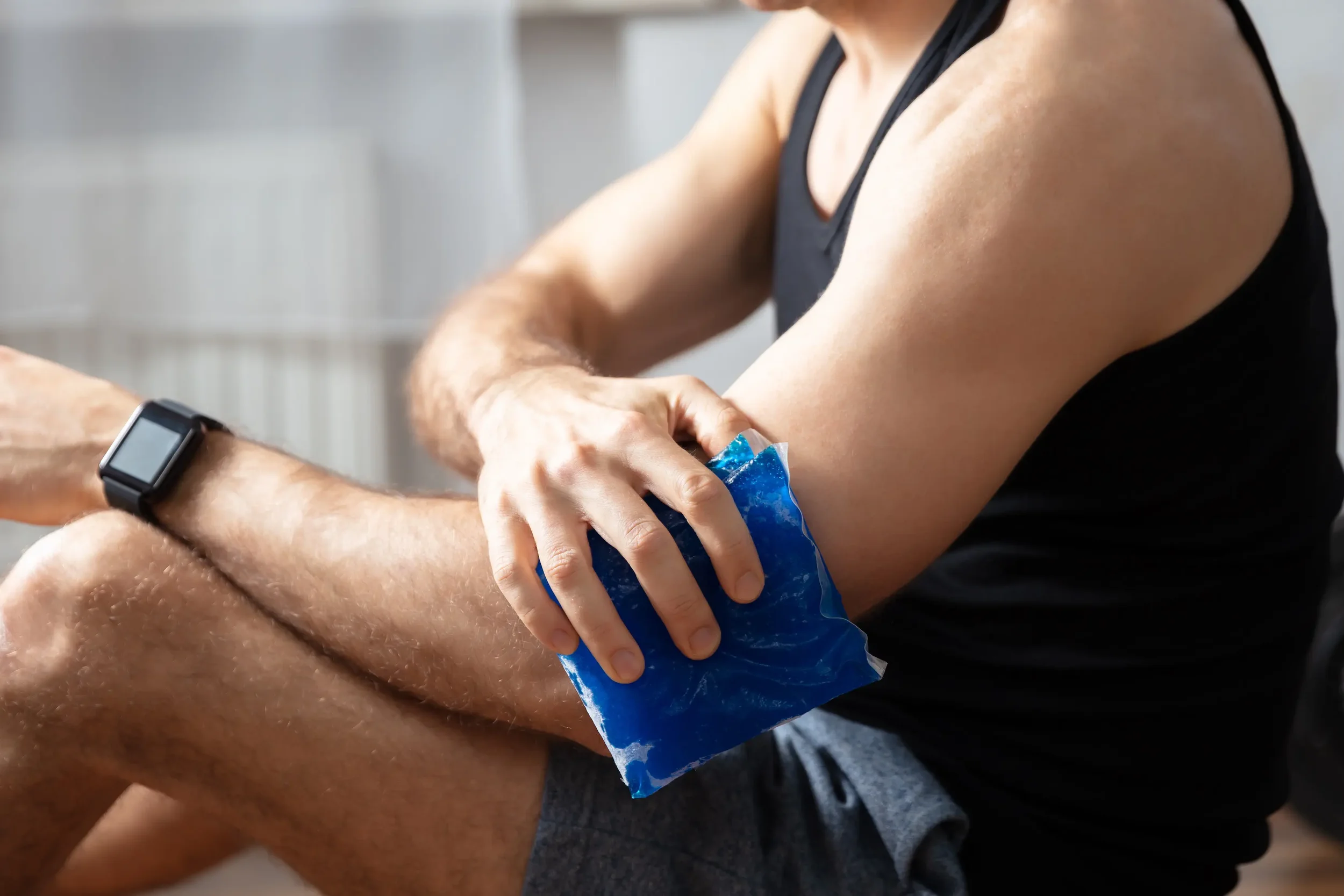
That's why the pain comes back every time you return to the activity that caused it. The tendon never got stronger. It just got a break.
And here's the other piece most people miss: the elbow is rarely the only problem. Poor load transfer from the shoulder, limited wrist mobility, and shoulder blade instability all place additional demand on the elbow tendons during gripping, swinging, and throwing. Treating the elbow without addressing the full chain is why so many people end up managing the same injury on repeat.
Can Anyone Get Tennis Elbow and Golfer's Elbow?

Despite the names, you don't have to play tennis or golf to develop either condition. We see elbow pain regularly in:
Golfers and tennis players
Pickleball players
Crossfit athletes and weightlifters
Baseball and softball players
Rock climbers
First responders who carry equipment or perform repetitive gripping tasks
Trades workers and manual laborers
Desk workers who spend hours gripping a mouse or keyboard
Anyone who has ramped up training volume or changed their grip mechanics
If your activity involves repetitive gripping, lifting, or swinging, your elbow tendons are under load. When that load exceeds the tendon's capacity, pain develops.
What Does Elbow Pain Actually Feel Like?
Whether your elbow pain came on suddenly from a specific activity or has been building gradually over time, treatment needs to be specific to you...not generic and not a checklist prescribed by someone who's never even met you.
Symptoms vary depending on whether the lateral or medial tendon is involved, but commonly include:
Pain on the outside of the elbow with gripping or lifting (tennis elbow)
Pain on the inside of the elbow with throwing, swinging, or wrist flexion (golfer's elbow)
Weakness in grip strength
Pain that worsens with repetitive wrist or forearm movements
Tenderness directly over the bony prominence of the elbow
Stiffness in the morning or after rest that loosens up with movement
Pain that flares during or after sport, training, or physical work
Symptoms that have lingered for weeks or months despite rest and bracing
Our Approach to Elbow Pain Treatment
At Corrective Physical Therapy, every session is 1-on-1 with a licensed Doctor of Physical Therapy. No aides. No rotating tables. No cookie-cutter exercise handouts.
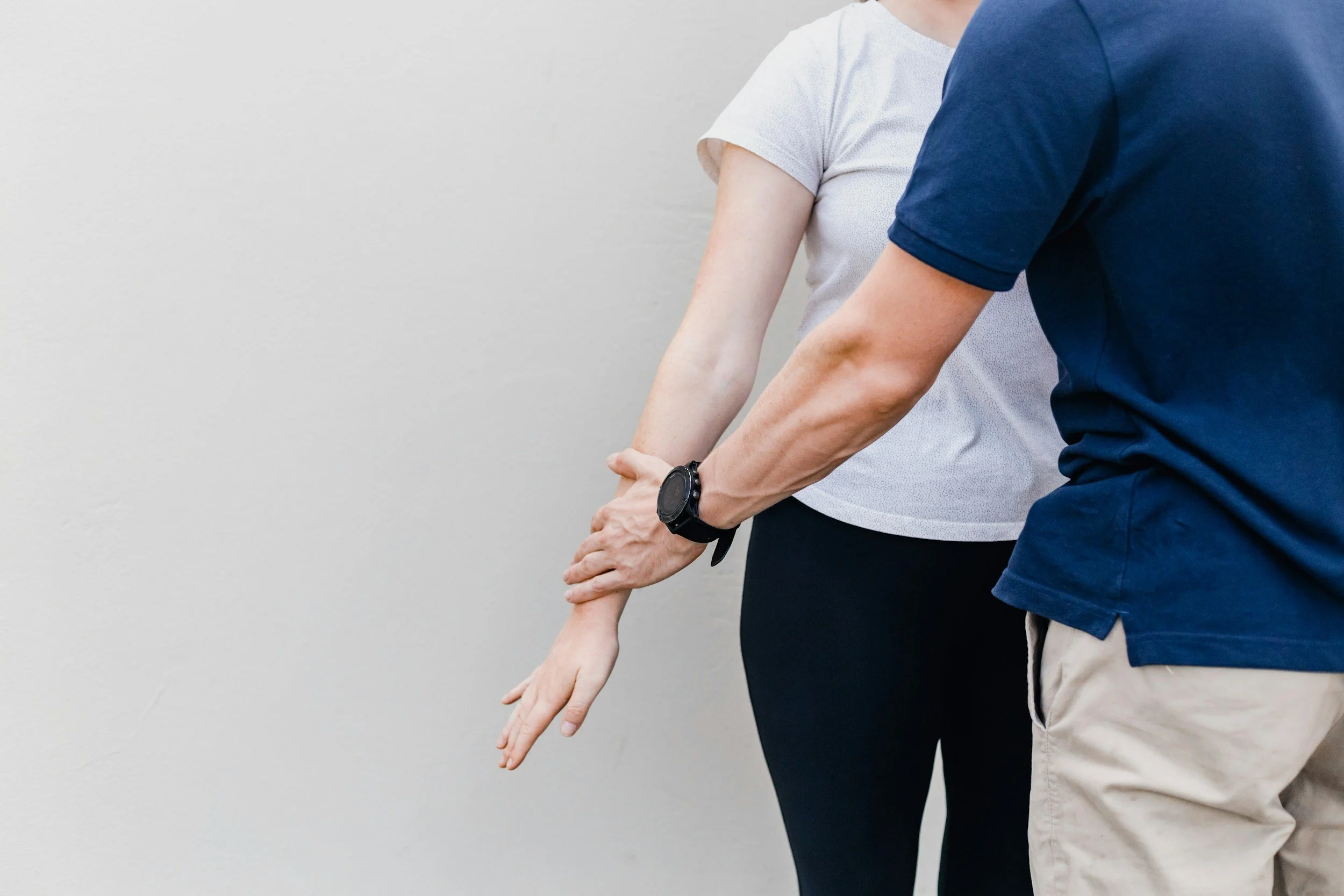
We start by assessing the elbow, wrist, shoulder, and shoulder blade together to understand where the load breakdown is occurring and what activity demands we need to get you back to. From there, we build a plan.
Depending on your presentation, your treatment may include:
-
Tendon Loading & Progressive Strength Training
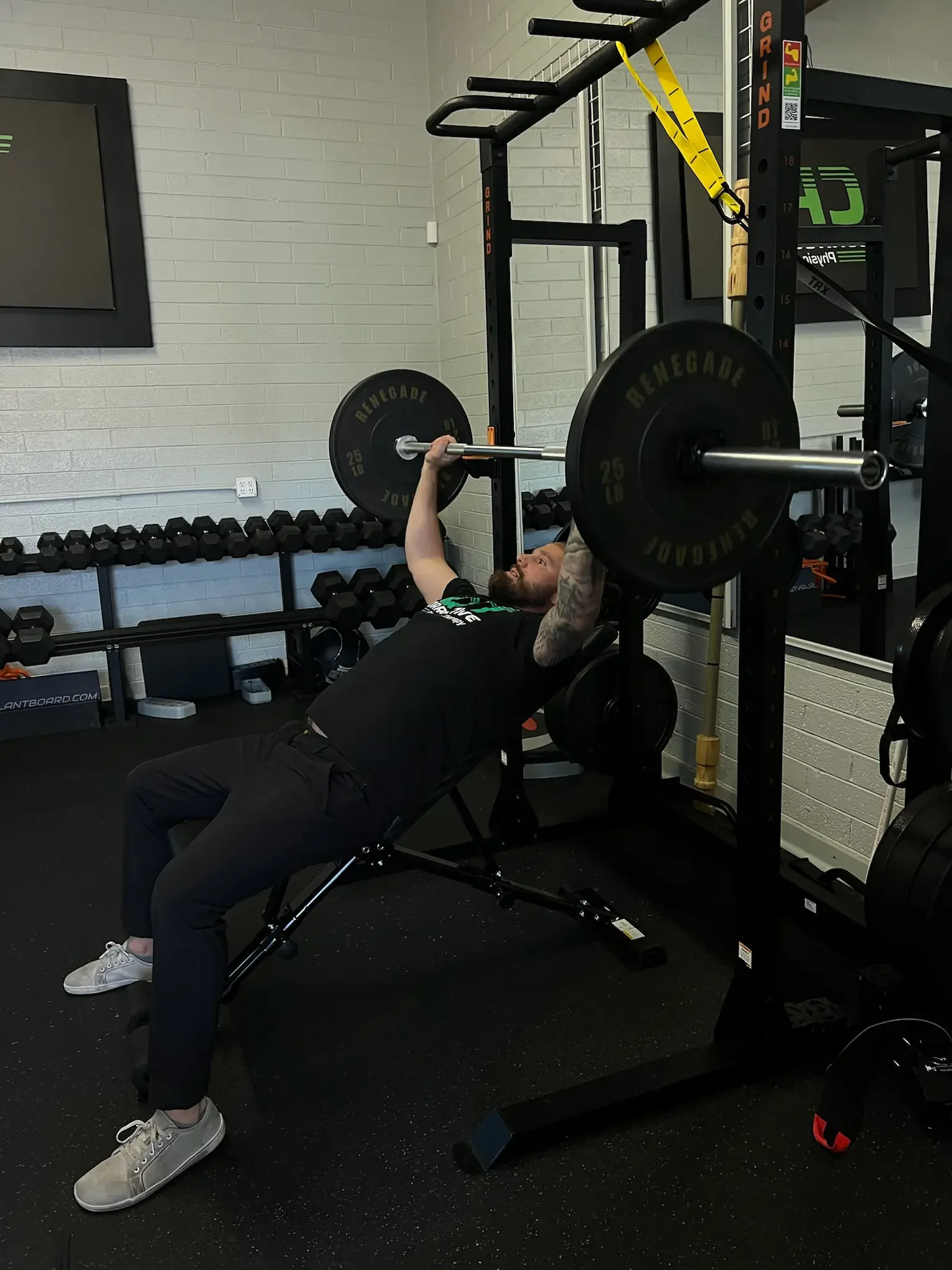
Tendon Loading & Progressive Strength Training is the most important part of elbow rehab and the part most treatments skip. We use isometric loading to reduce pain sensitivity in the early stages, then progress to eccentric and slow tempo loading to build tendon capacity over time. Slow, controlled wrist extensions, forearm strengthening, and grip work are progressed systematically until the tendon can handle the specific demands of your sport, your training, or your job.
-

Manual Therapy & Hands-On Treatment
Targeted hands-on treatment to reduce muscular tension in the forearm, improve joint mobility at the elbow and wrist, and restore movement quality throughout the upper extremity.
-
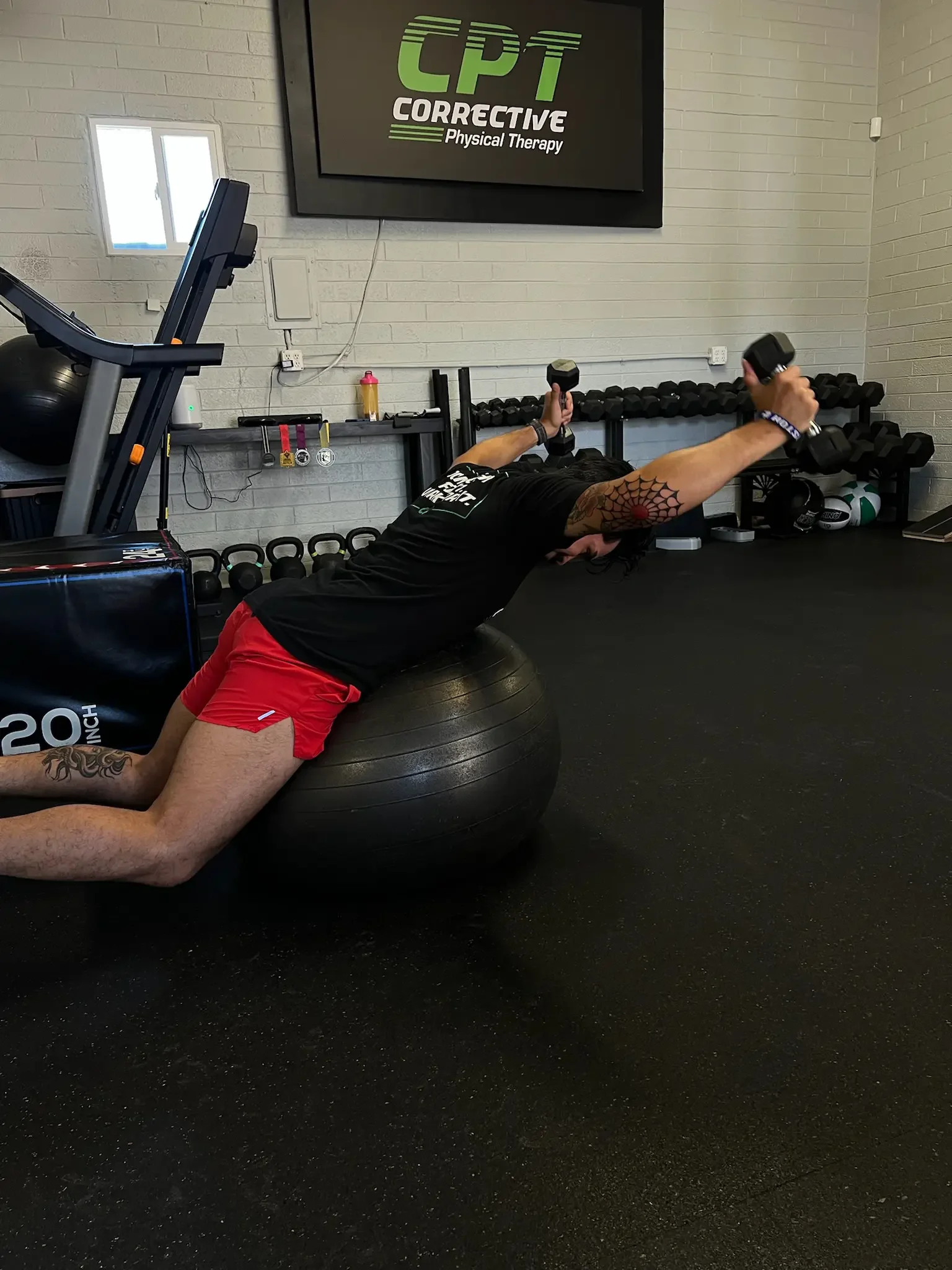
Shoulder & Shoulder Blade Stability Training
The shoulder and shoulder blade are the foundation from which the elbow operates. Poor scapular control and shoulder stability place excessive demand on the forearm tendons during any overhead, throwing, or gripping activity. Addressing the full kinetic chain is what separates a lasting recovery from a temporary one.
-
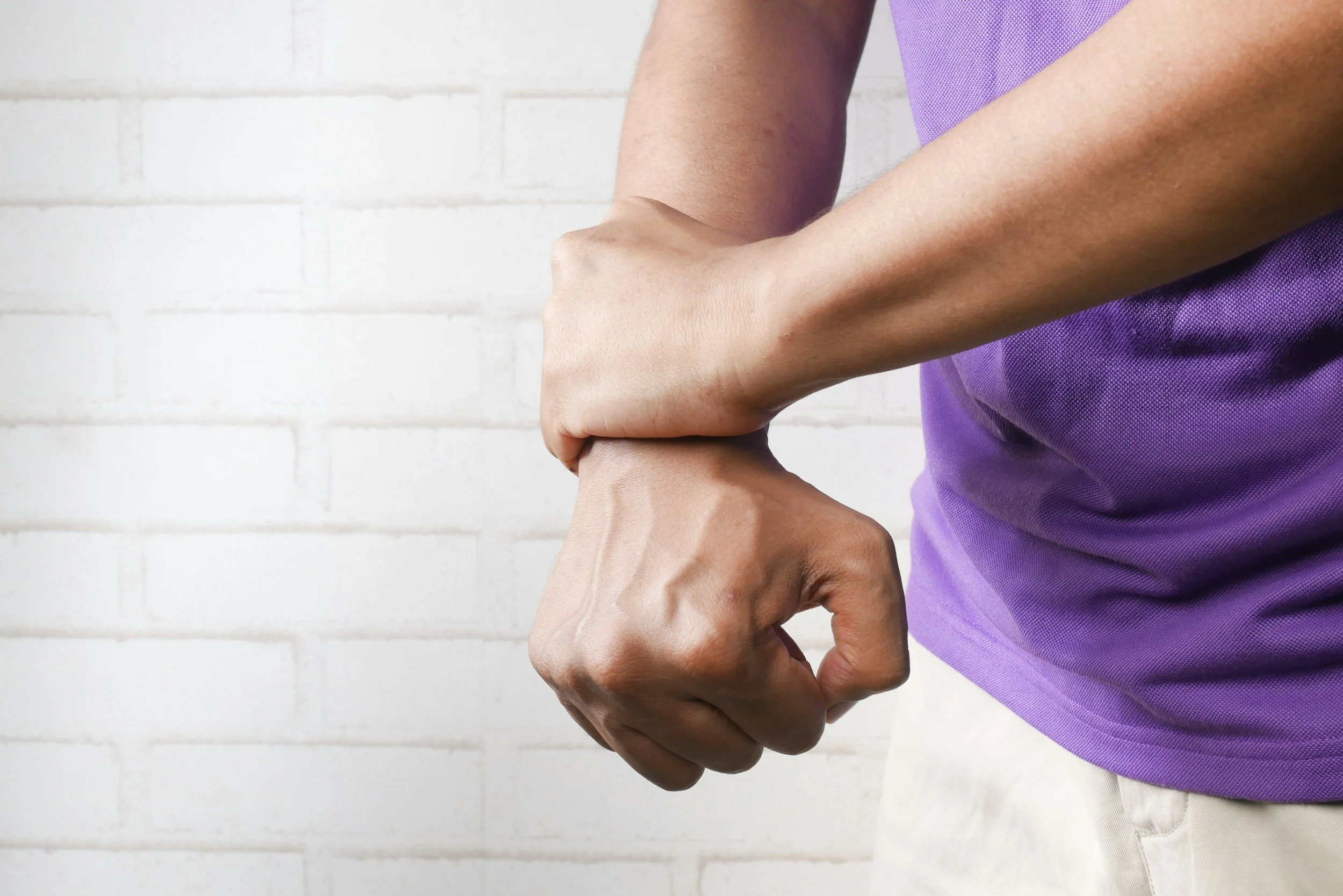
Wrist & Forearm Mobility Work
Limited wrist mobility changes how load is distributed through the forearm and into the elbow. We restore wrist and forearm range of motion as part of a comprehensive plan rather than treating the elbow as an isolated structure.
-
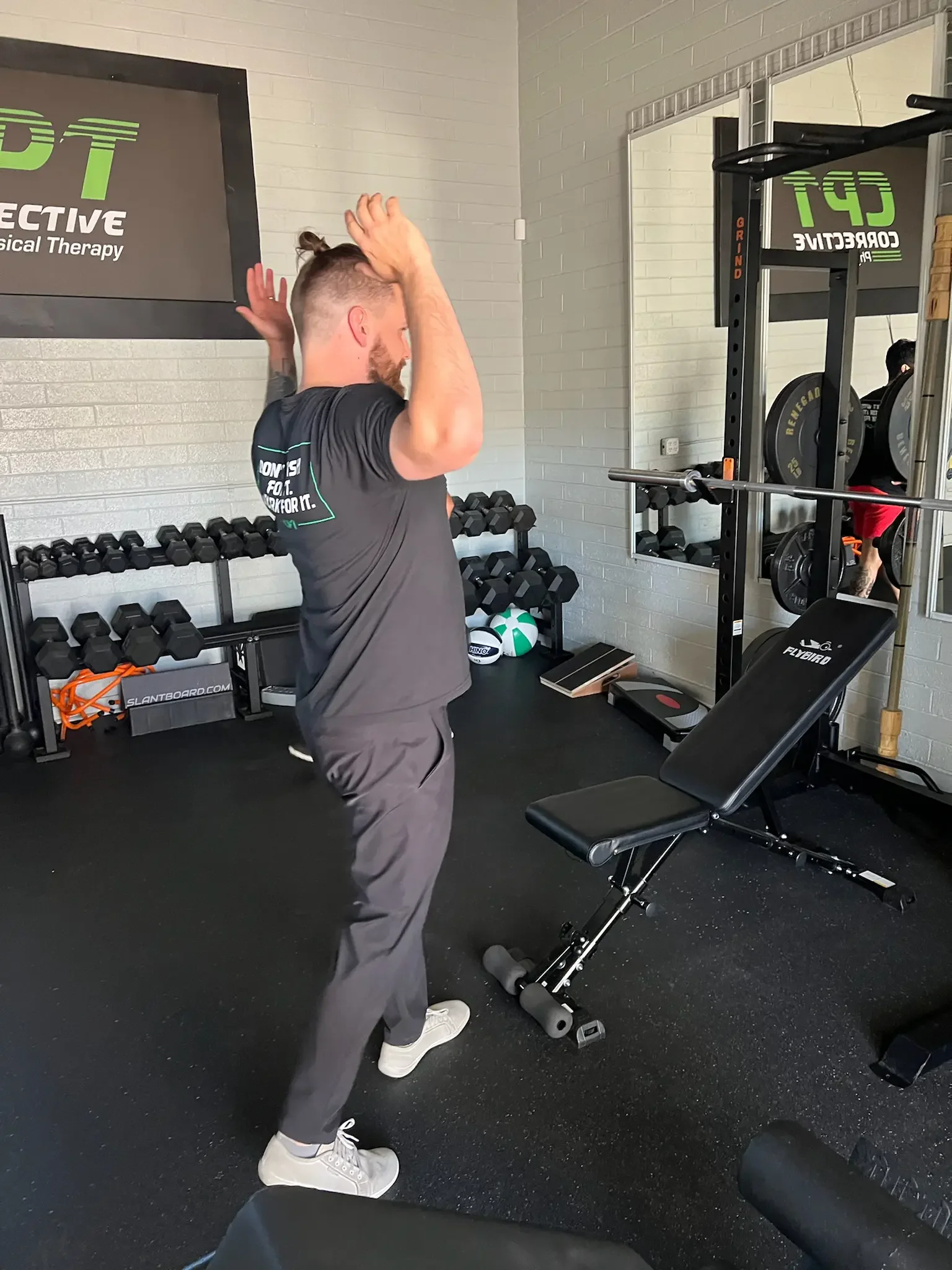
Movement Retraining
For athletes, in movement retraining, we assess and retrain the mechanics of swinging, throwing, gripping, and pressing to eliminate the technique breakdowns that are overloading the elbow tendons. For desk workers and trades professionals, we address the repetitive movement patterns and workload factors contributing to tendon irritability.
-
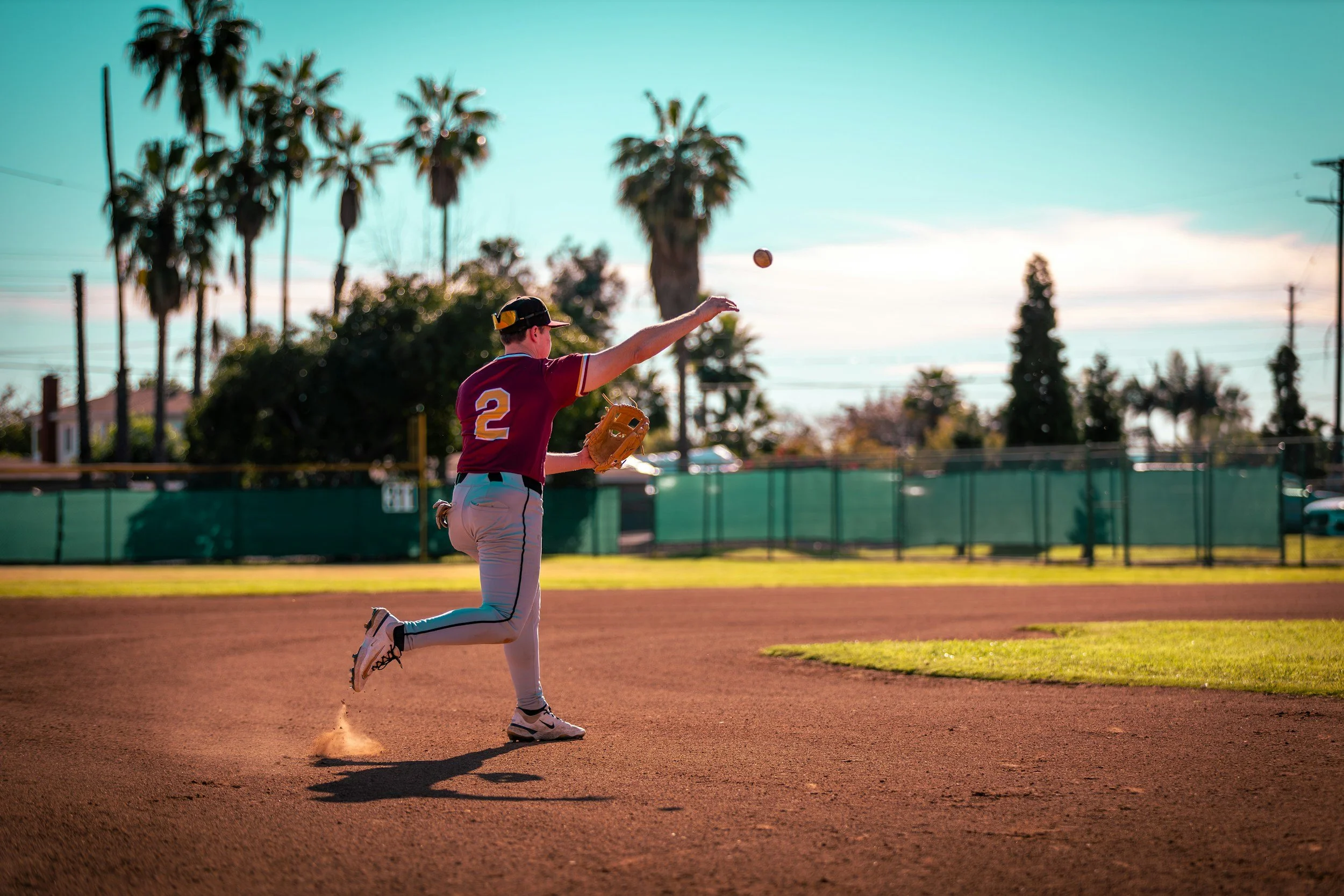
Sport-Specific Return to Performance
Once tendon capacity is restored, we layer in sport-specific movement drills, progressive return to throwing or swinging, and load management programming so you return to your activity confident that the elbow is ready for what you're asking of it.
-
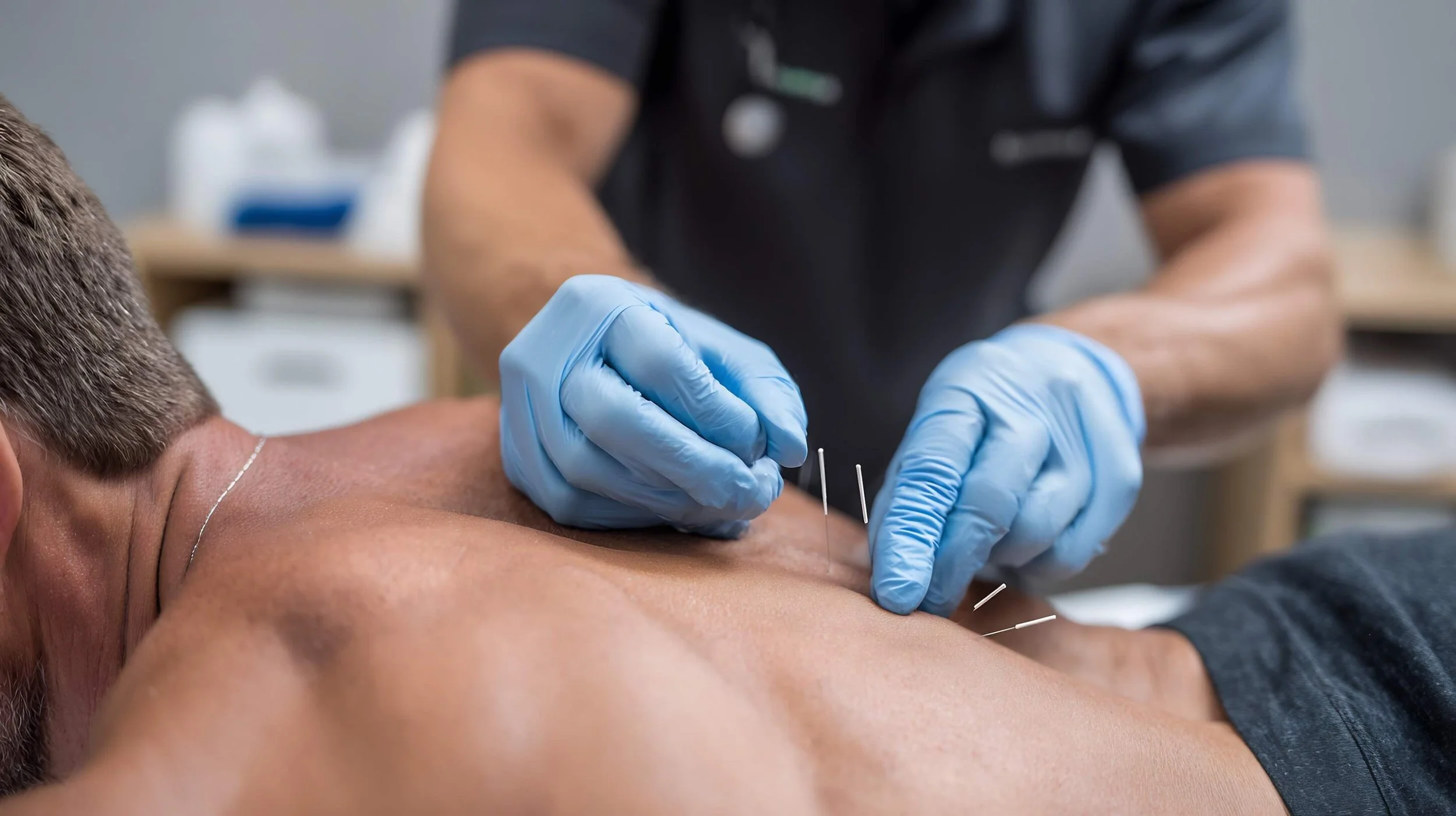
Dry Needling
When appropriate, dry needling can help reduce muscular tension in the forearm extensors and flexors to improve movement quality and decrease pain sensitivity around the elbow.
-
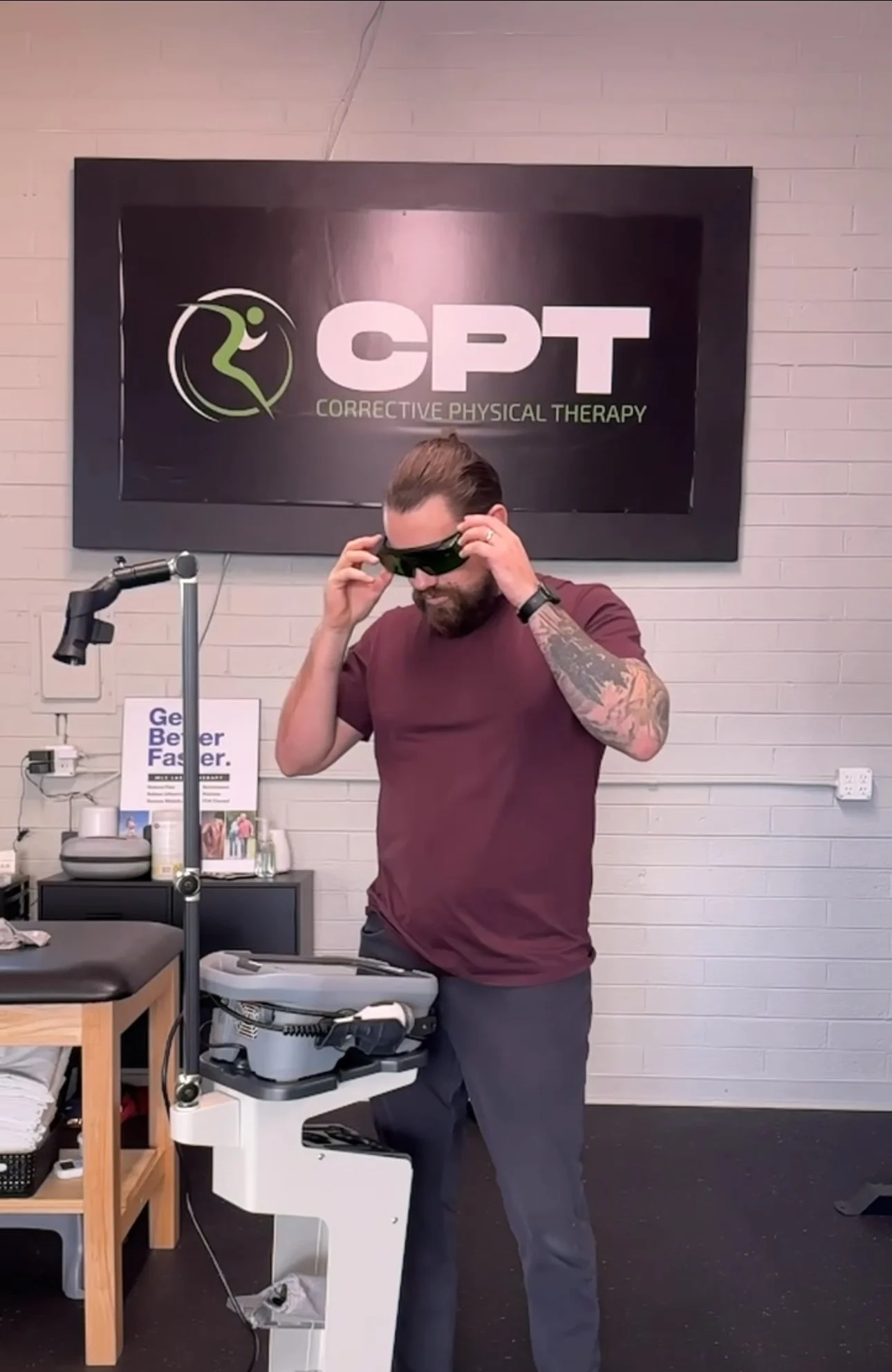
MLS Grade IV Laser Therapy
Advanced laser therapy to help reduce inflammation and support tissue healing, particularly useful during painful flare-ups or when irritability is limiting progress with loading.
-
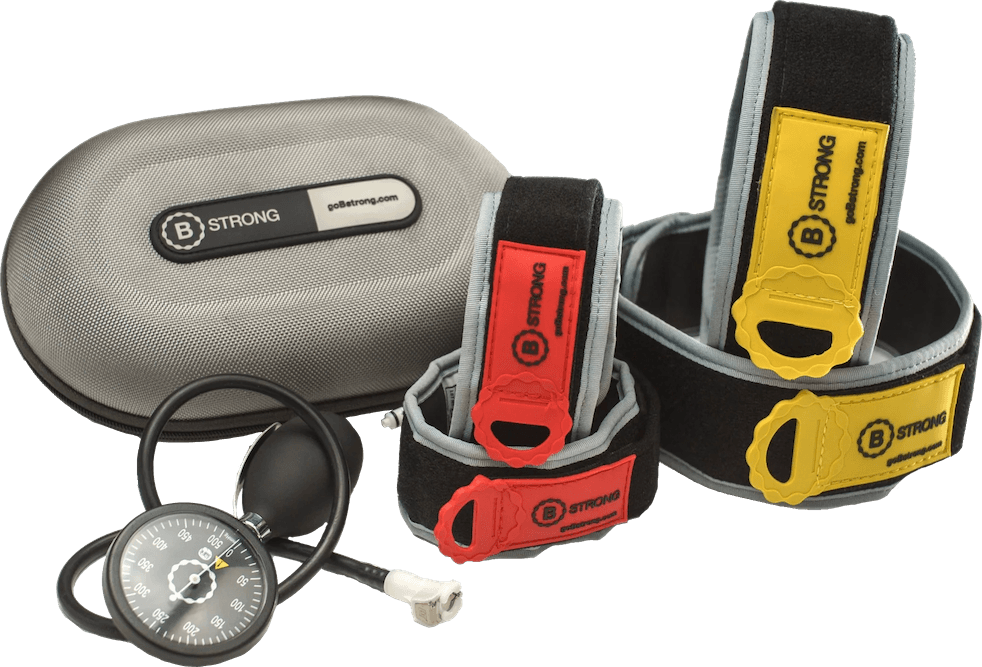
Blood Flow Restriction (BFR) Training
When elbow pain is limiting how much load can be tolerated, BFR allows us to build meaningful strength in the forearm and upper extremity using lighter loads without overloading irritated tendon tissue.
Tennis Elbow vs. Golfer's Elbow: What's the Difference?
Both are tendinopathies driven by overload, but they involve different structures and present differently.
Tennis elbow (lateral epicondylitis) involves the tendons on the outside of the elbow, specifically where the wrist extensor muscles attach. Pain is typically felt on the outer elbow with gripping, lifting, or extending the wrist. It's the more common of the two and shows up frequently in racket sport athletes, lifters, and anyone doing repetitive forearm work.
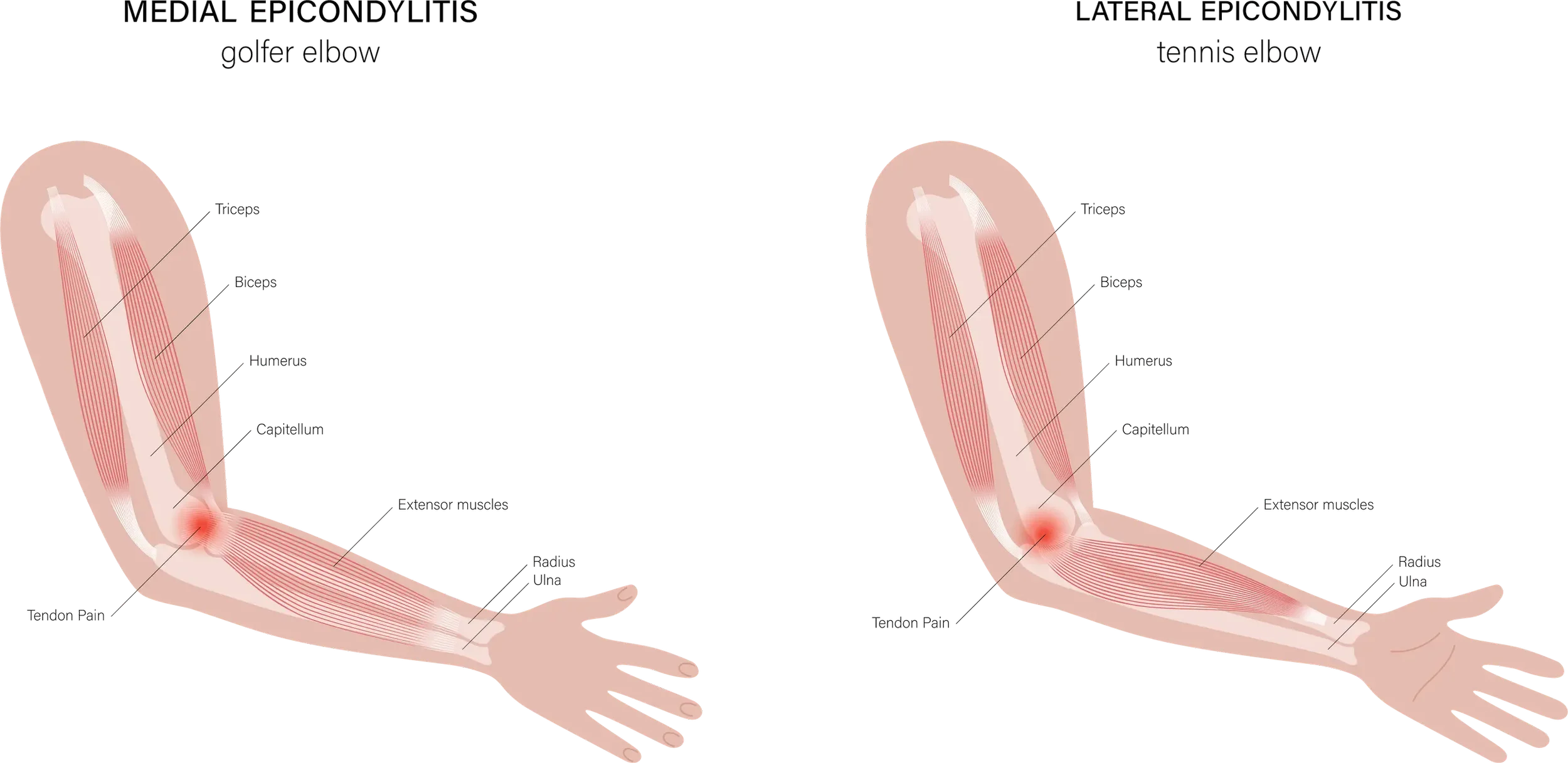
Golfer's elbow (medial epicondylitis) involves the tendons on the inside of the elbow where the wrist flexor muscles attach. Pain is felt on the inner elbow with gripping, throwing, or flexing the wrist. It's common in throwing athletes, golfers, climbers, and anyone doing heavy pulling or gripping work.
Both conditions respond well to the same fundamental approach: progressive tendon loading, addressing the full kinetic chain, and a structured return to the activities that caused the problem.
Do You Need a Brace for Tennis Elbow or Golfer's Elbow?
A counterforce brace can be a useful short-term tool for managing pain during activities while the underlying tendon issue is being addressed. It works by redistributing force away from the irritated attachment point.
But a brace is not a treatment. It doesn't build tendon capacity. It doesn't address shoulder stability or movement mechanics. And relying on it long term without addressing the root cause is how people end up wearing one for years without actually getting better.
At CPT, if a brace is appropriate for your situation, we'll tell you. But it will always be part of a larger plan, not the plan itself.
Conditions We Treat Related to Elbow Pain
Golfer's elbow (medial epicondylitis)
Elbow tendinopathy
Forearm and grip strength deficits
Elbow pain with overhead lifting
Throwing-related elbow injuries
CrossFit and weightlifting elbow pain
Elbow pain in desk workers and manual laborers
Patient Testimonials
I originally visited CPT for chronic hip pain. Dr. Matthew Brown treated my pain and taught me proper techniques for weight lifting that would prevent pain in the further. Recently, I have been treated for tennis elbow by Dr. Madison. With her help and guidance, my tennis elbow has improved much quicker than I expected. I would highly recommend CPT!
— Marissa M.Nothing but five stars for Dr. Matthew Brown! I’ve been seeing him for a couple of years now—so thankful for his help in recovering from fractured wrist, low back issue, and now elbow tendonitis, helping me get back to golfing without pain. Having one-on-one time for an hour as well as his tailored workout plan is a far cry from most physical therapy shops where you see the therapist for 10 minutes then an aide for the rest of your hour. Dr. Matt is highly knowledgable—always knows exactly what you need. And he’s pleasant to work with as well. If you’re in pain, I highly recommend Dr. Matt!
— Beveraly R.Dr. Brown allowed me to get back to climbing again after an elbow injury. Providing the on site help and know how was crucial. The at home rehab exercises has made me improve in my sport and allow me to climb more frequently. Thank you
— Luke S.Why Patients Choose Corrective Physical Therapy
Most physical therapy clinics are built for volume. You get 20 minutes with a therapist, get handed off to an aide, and go home with the same exercise sheet they've been handing out to everyone else since 1998.
That's not how we work.
What Makes CPT Different?
1-on-1 treatment sessions

Sports rehab expertise

¡Sí, hablamos español!

Full 60-minute evaluations
Focus on active adults and former athletes

Education that helps you understand your pain

Personalized rehab plans

Evidence-based treatment

Locations in Scottsdale & Arcadia
Physical Therapy for Elbow Pain in Scottsdale & Arcadia, AZ
Corrective Physical Therapy provides personalized, 1-on-1 physical therapy for tennis elbow, golfer's elbow, elbow tendinopathy, and sports-related elbow and forearm injuries in Scottsdale and Arcadia, Arizona.
Whether you're trying to get back on the court, return to the gym, or just get through a workday without your elbow being a constant distraction, our team is here to find what's actually driving the problem and build a plan to fix it for good.
Because at Corrective Physical Therapy… We don't fix fragile. We build resilient.

Meet the Doctors

Dr. Matthew Brown PT, DPT, SCS
Dr. Matthew Brown is a sports physical therapist who helps active adults and athletes recover from injuries, improve performance, and return to the activities they enjoy. As the founder of Corrective Physical Therapy, he combines advanced sports rehabilitation training with strength and movement-based treatment to address the root cause of pain and keep patients performing at their best.
Founder & Performance Specialist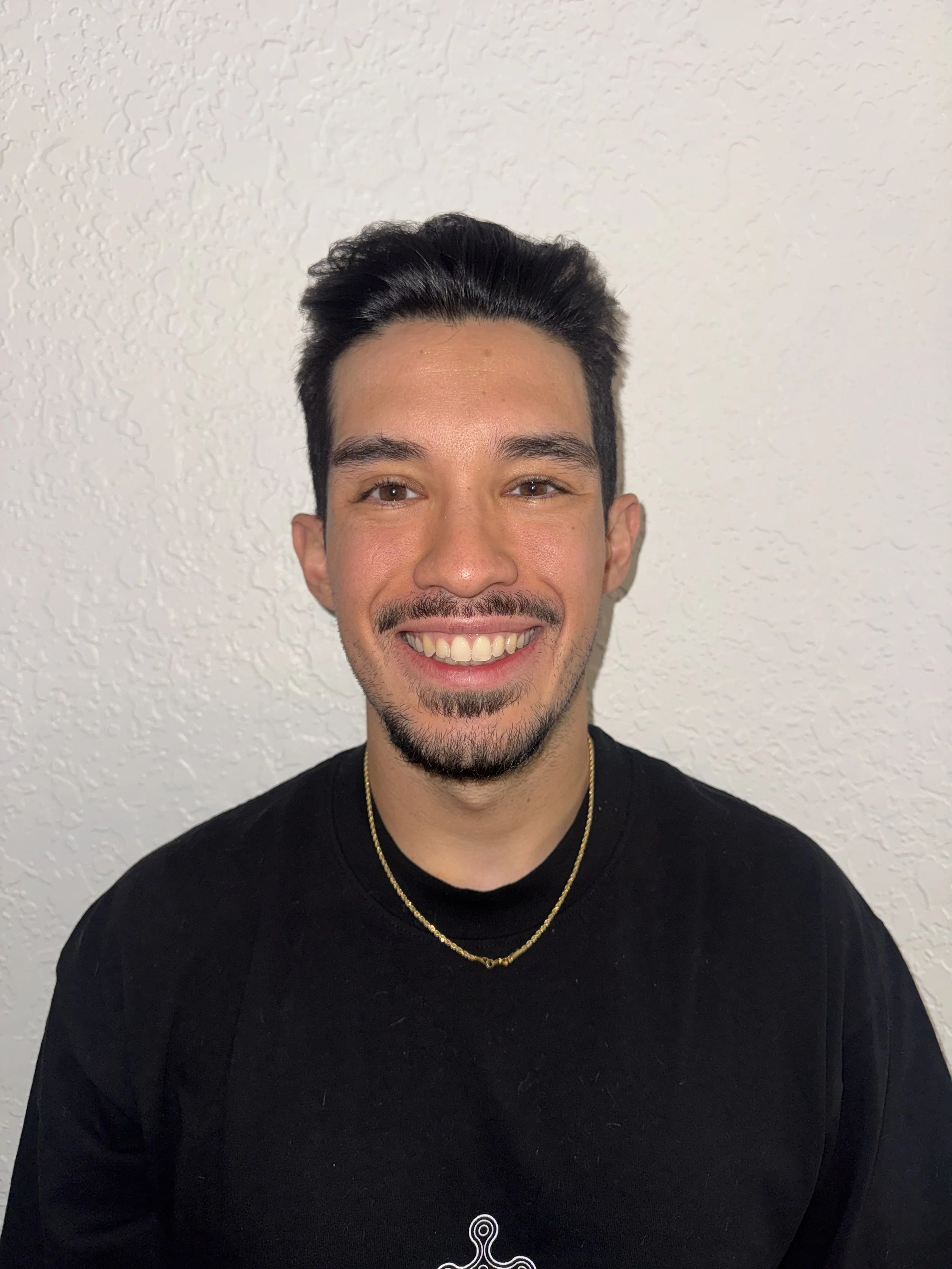
Dr. Daniel Paredes, PT, DPT, CSCS
Physical Therapist | Sports Performance & Running SpecialistDr. Danny Paredes is a sports physical therapist who helps runners, athletes, and active adults overcome pain, improve performance, and return to training with confidence. Combining his background in strength and conditioning, competitive athletics, and evidence-based rehabilitation, he bridges the gap between rehab and performance to help patients move better and achieve their goals.
Elbow Pain FAQs
-
The location of the pain is the primary distinguishing factor. Tennis elbow produces pain on the outside of the elbow, typically with gripping or wrist extension. Golfer's elbow produces pain on the inside, typically with gripping, throwing, or wrist flexion. Both can be accurately assessed through a hands-on evaluation without imaging.
-
Usually not. Tennis elbow and golfer's elbow are clinical diagnoses that can be made through a thorough physical examination. Imaging is typically reserved for cases where the diagnosis is unclear or symptoms aren't responding as expected to conservative treatment.
-
It depends on how long you've had it, how irritable the tendon currently is, and how consistently you complete a progressive loading program. Acute cases with the right approach can resolve in several weeks. Chronic cases that have been mismanaged with rest and bracing alone typically take longer because the tendon has lost capacity over time and needs a more gradual rebuilding process.
-
Not necessarily. Complete rest removes the stress temporarily but doesn't build the tendon's capacity to handle load. A better approach is modifying the most aggravating activities in the short term while introducing a progressive loading program that gradually rebuilds tendon resilience. The goal is always a return to full activity, not indefinite avoidance of it.
-
Yes. Nerve irritation in the cervical spine can refer pain and symptoms into the elbow and forearm, mimicking tendon pain. And poor shoulder stability changes how load is distributed through the entire upper extremity, including the elbow tendons. A thorough assessment looks at the full chain to make sure the right problem is being treated.
-
Yes. Pickleball elbow is one of the most common things we see at CPT, particularly as the sport continues to grow in Scottsdale. The repetitive gripping and swinging mechanics of pickleball place significant demand on the lateral elbow tendons, and the return to sport programming we build is specific to the demands of the game.
-
Cortisone can provide short-term pain relief, but research consistently shows it does not improve long-term outcomes and may actually be associated with worse results at one year compared to progressive loading alone. It can be useful in specific situations to reduce irritability enough to tolerate a loading program, but it is not a standalone treatment. If you've had an injection and the pain returned, building tendon capacity through progressive loading is the next step.