

Hamstring Strains & Glute Pain Physical Therapy in Scottsdale & Arcadia
1-on-1 PT for Athletes, First Responders, and Active Adults
That pull in the back of your leg, the deep ache in your hip that flares up every time you try to push it, the glute pain that makes squatting, sprinting, or even sitting uncomfortable…These all make it harder to the things you love. We get it.
If you're an athlete, first responder, or active adult, you've probably tried stretching it out, resting it off, or pushing through it and none of those worked long term.
At Corrective Physical Therapy, we help active adults and former athletes in Scottsdale and Arcadia get to the actual root of hamstring and glute pain. We’re here so you can train harder, move better, and stop babying the same injury over and over.
Why Your Hamstring or Glute Keeps Bothering You
Here's something most people don't hear until they've already been dealing with this for months:
Hamstring and glute pain usually isn't just a muscle problem.
In most cases, there's an underlying strength imbalance, movement compensation, or loading issue driving the pain. The muscle is often reacting to something else…poor hip control, weakness in the posterior chain, faulty mechanics during running or lifting, or a nervous system that's become overly sensitive to load.
That's why stretching alone rarely fixes it. And why the same injury keeps coming back. Treating the symptom without addressing the cause is like turning off a fire alarm without putting out the fire.
What We Actually See in Athletes with Hamstring & Glute Pain
At Corrective Physical Therapy, we work with runners, basketball players, weightlifters, and first responders who come in frustrated because they've been "doing their PT exercises" — glute bridges, clamshells, static hamstring stretches — and still aren't getting better.
The honest truth is that those exercises aren't wrong. They're just often the starting point, not the finish line. Low-level exercises like glute bridges can be a useful first step for someone in significant pain with a low tolerance for load. But if that's all you're doing week after week, you're not building the resilience your body needs to handle sprinting, cutting, lifting, or the physical demands of your job.
Real recovery means progressively loading the tissue. It means training the hamstring in all planes of motion, not just forward and back, but side to side and through rotation. It means teaching your glutes to do more than just extend your hip.
That's what we do at CPT.
What Does Hamstring or Glute Pain Actually Feel Like?
Whether your pain came on suddenly during a game or has been building slowly over months, the approach to treatment needs to be specific to you…not generic and not a checklist prescribed by someone who’s never even met you.
Symptoms can vary quite a bit from person to person, but commonly include:
A sharp pull or strain in the back of the thigh
Deep aching or tightness in the glute or hip
Pain that worsens with running, sprinting, or acceleration
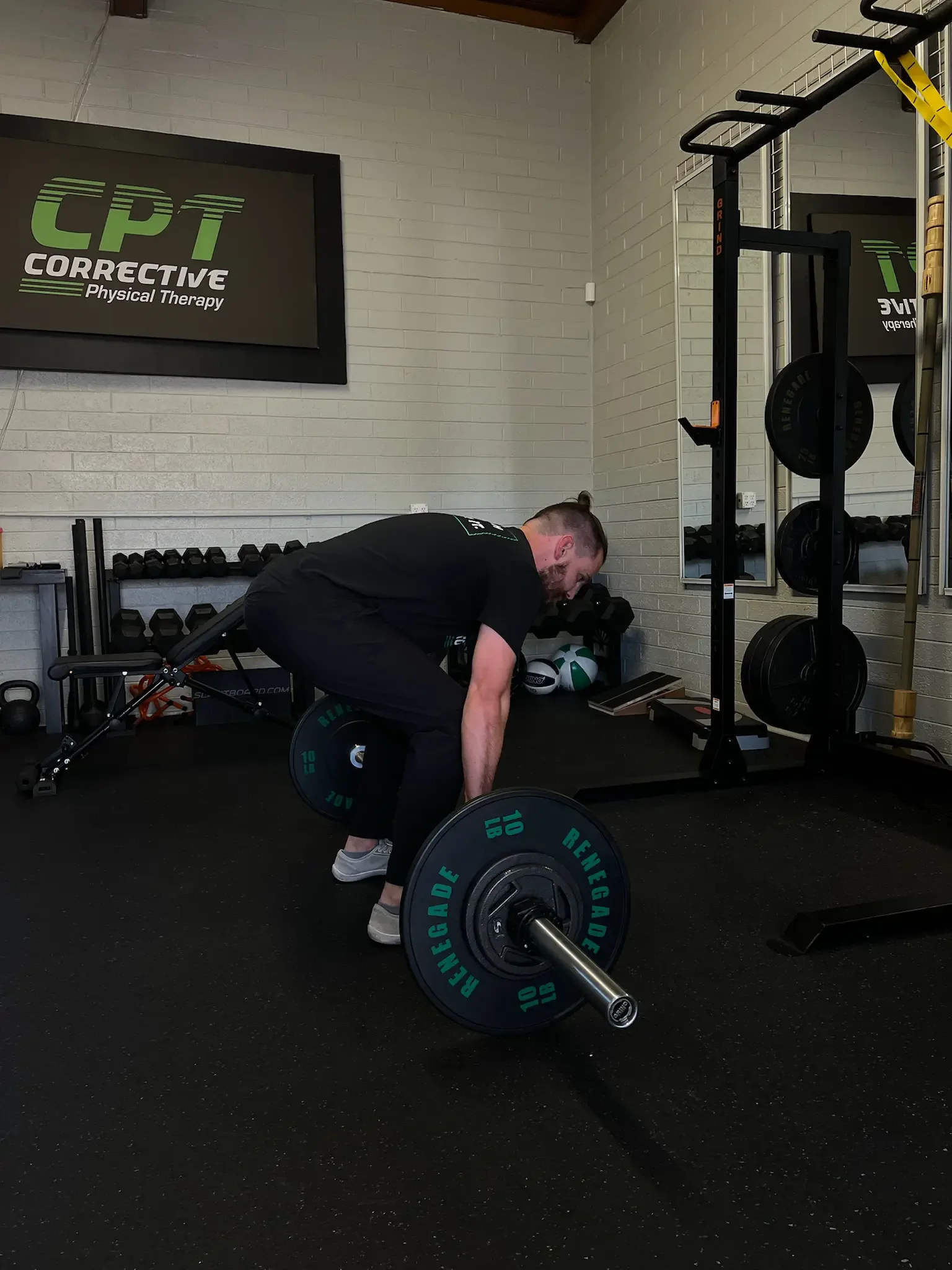
Discomfort during deadlifts, squats, or hinging movements
Soreness at the sit bone (proximal hamstring)
Tightness that stretching never fully resolves
Weakness or instability in single-leg movements
Pain that returns every time you ramp up training
Why "Tight" Hamstrings Are Often Misunderstood
One of the most common things we hear: "I just have really tight hamstrings."
It’s important to note that what feels like tightness isn't always a flexibility problem. In many cases, the nervous system is creating that sensation of tightness as a protective response.
Aggressively stretching into it can actually make things worse by signaling to the body that the tissue is under threat.
A better approach is training the hamstring to tolerate load gradually, working to the point of tension without cranking through it. Over time, the body learns it's safe to move through that range and the "tightness" begins to resolve.
This is why consistency with the right exercises matters far more than how hard you stretch.
Conditions We Treat Related to Hamstring & Glute Pain
Hamstring strains (Grade I, II, and chronic)
Proximal hamstring tendinopathy
Glute med weakness and hip instability
Piriformis tightness and irritation
Low back pain linked to posterior chain weakness
Running-related hamstring injuries
Sports-related strains and re-injuries
Chronic glute pain
Movement dysfunction and compensation patterns

Hamstring & Glute Exercises: What Actually Works
Here are two movements we commonly use with patients dealing with hamstring tightness and glute weakness that you won't find on most generic PT handouts:
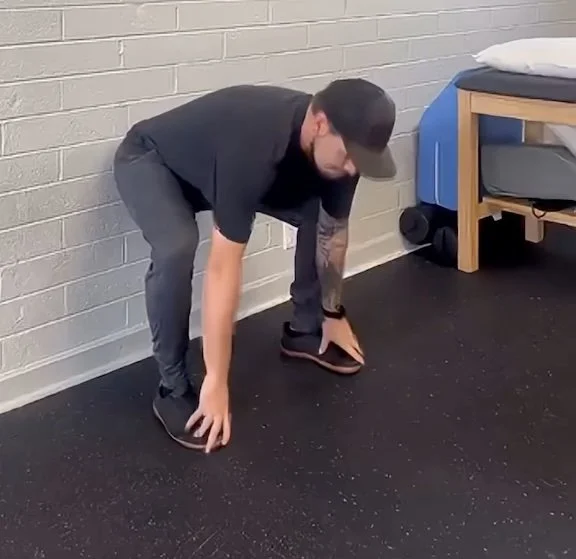
Wall Hamstring Glides
Stand with your back against a wall and bend forward to grab your feet. Slide your hips down into a squat, then slowly straighten your knees while keeping your hands connected to your feet. Only go as high as feels comfortable with a slight pull, then come back down. Work your way higher as your body allows. Three sets of 8–10 reps before a leg day or hinging session is a great way to get the posterior chain ready to move.
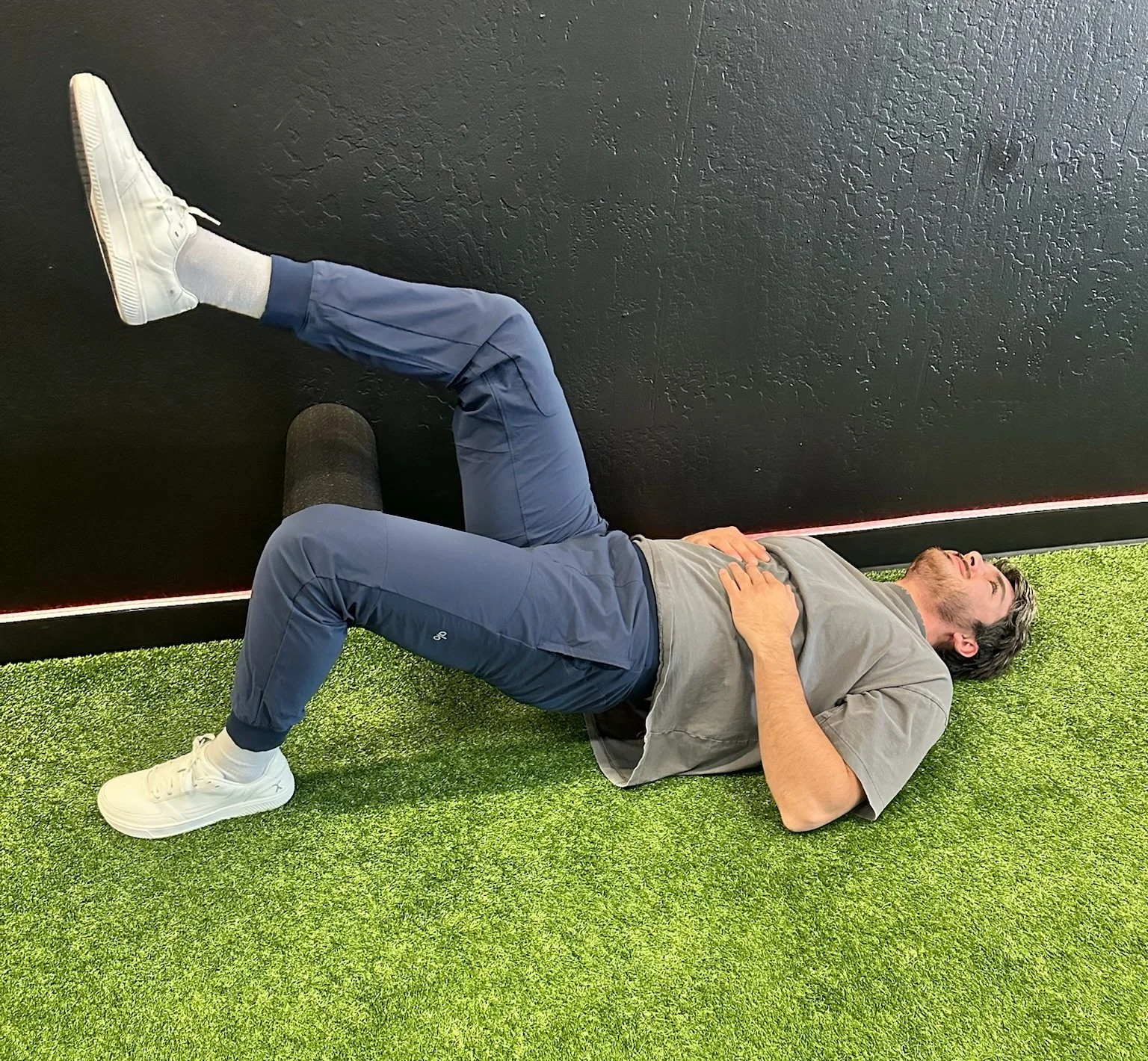
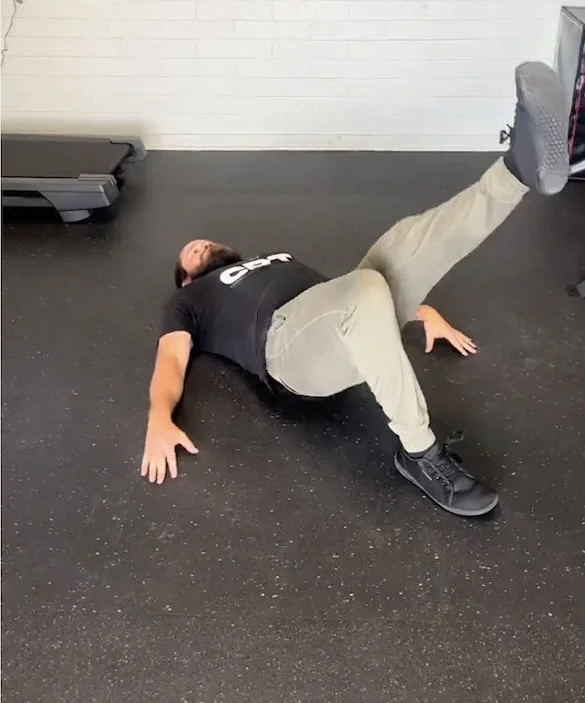
Single-Leg Glute Bridge Hold
If you can't hold a single-leg glute bridge with control, that's important information. It's a reliable indicator of whether your posterior chain has the foundational strength to support bigger goals like sprinting, cutting, or heavy lifting. Adding holds at the top of the movement increases glute activation and gives you direct feedback on where the weakness is.
These aren't flashy exercises. But done consistently, three times a week, progressive over a month, they build the kind of resilience that keeps you out of the PT clinic long term.
Our Approach to Physical Therapy for Hamstrings & Glute Pain
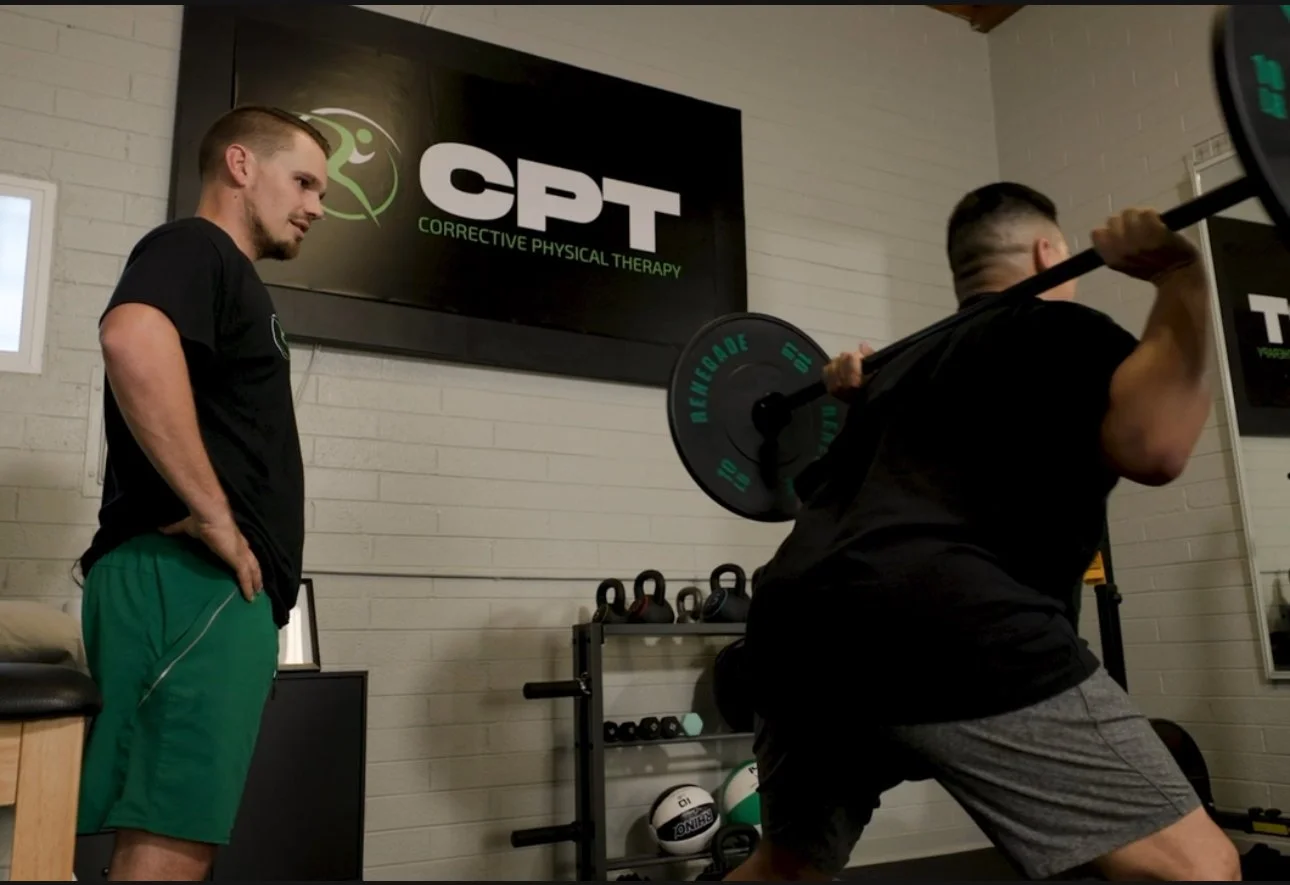
At Corrective Physical Therapy, every session is 1-on-1 with a licensed Doctor of Physical Therapy. No aides. No rotating tables. No cookie-cutter exercise handouts.
We start by understanding how you move, where the breakdown is happening, and what activity demands we need to get you back to. From there, we build a plan.
Depending on your presentation, your treatment may include:
-
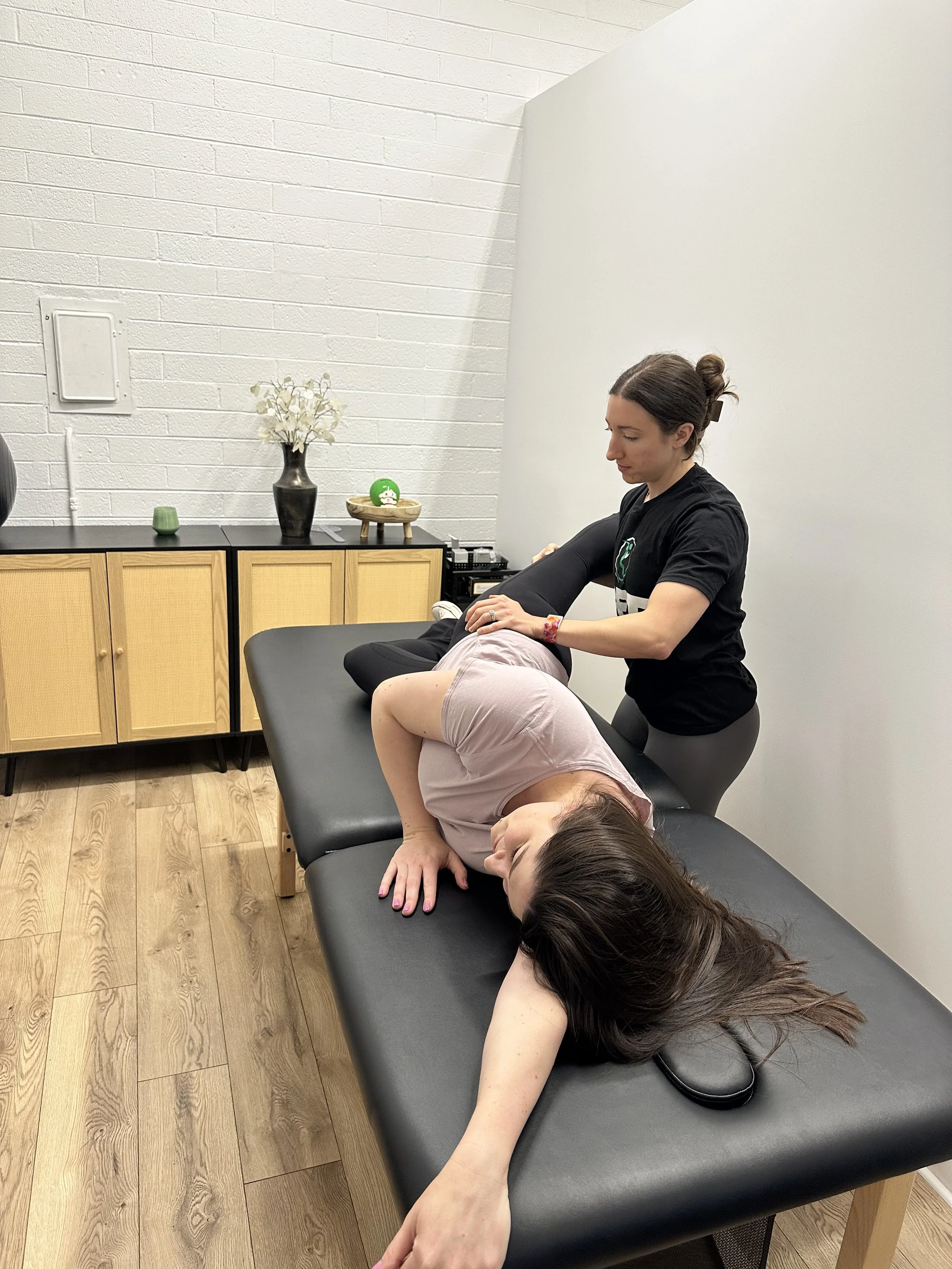
Manual Therapy
Targeted manual therapy to reduce tension, improve tissue mobility, and restore movement quality in the hamstrings, glutes, and hip complex.
-
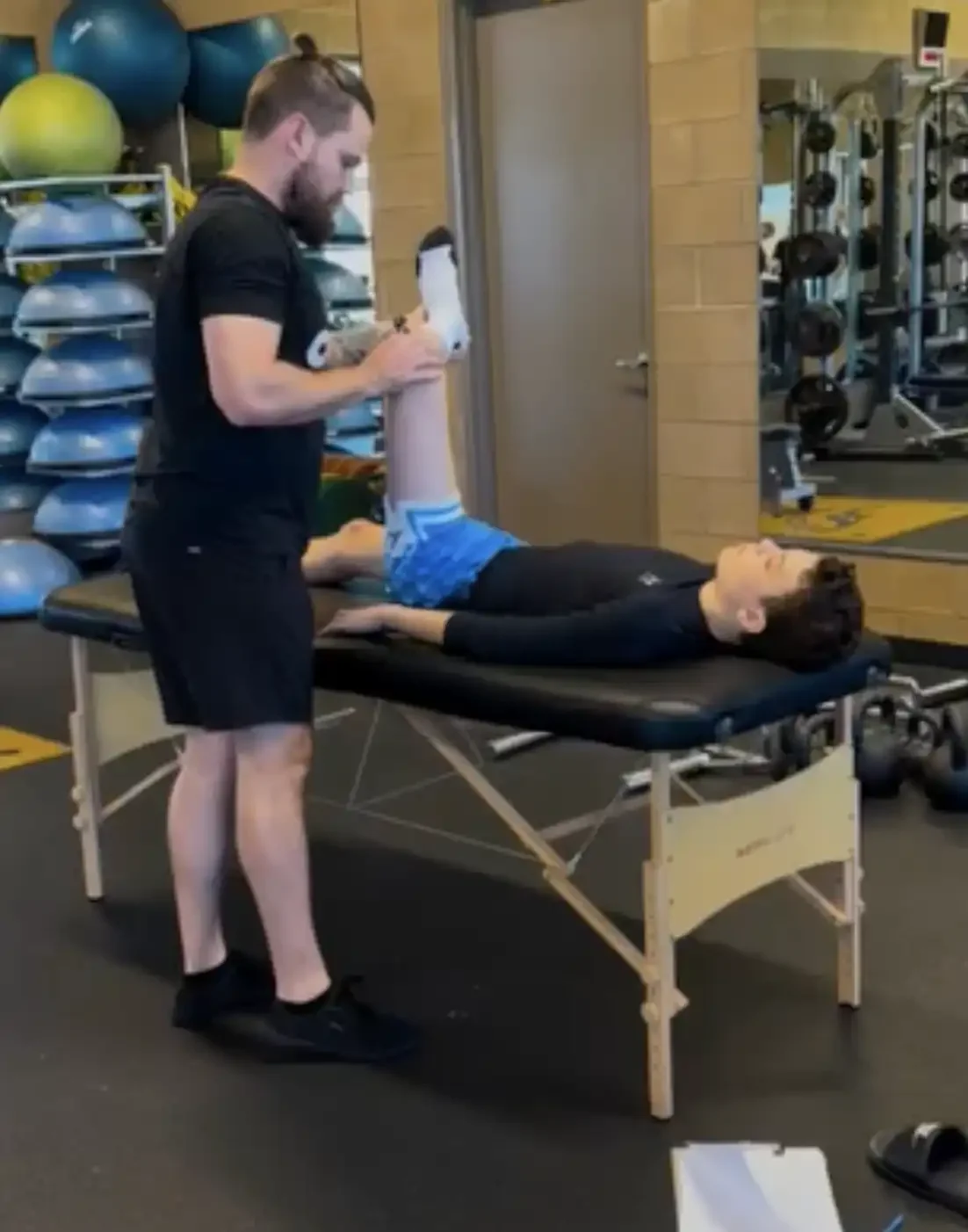
Mobility Work
Static stretching has its place, but it's rarely enough on its own. We use active mobility strategies that train the hamstring through full range of motion, including the planes of movement most people never address, so the improvements you make in the clinic actually stick.
-
Strength & Progressive Loading
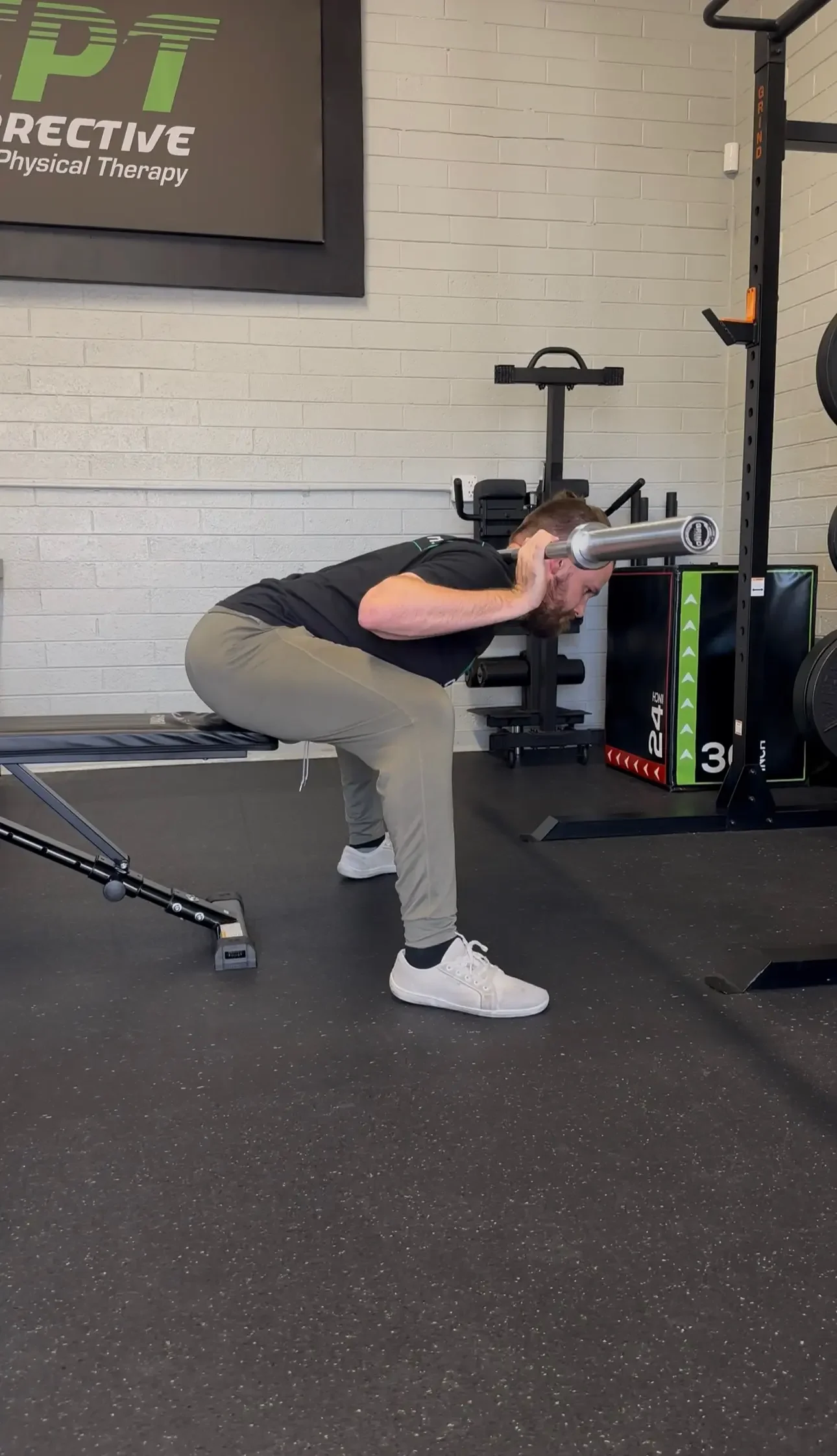
We progressively load the posterior chain — hamstrings, glutes, and supporting muscles. Exercises like Nordic hamstring curls, Bulgarian split squats, and high step-ups build the kind of strength that protects you from re-injury.
-

Movement Retraining
Movement retraining looks at how you run, hinge, squat, and stabilize and address the compensation patterns that are overloading the tissue in the first place.
-
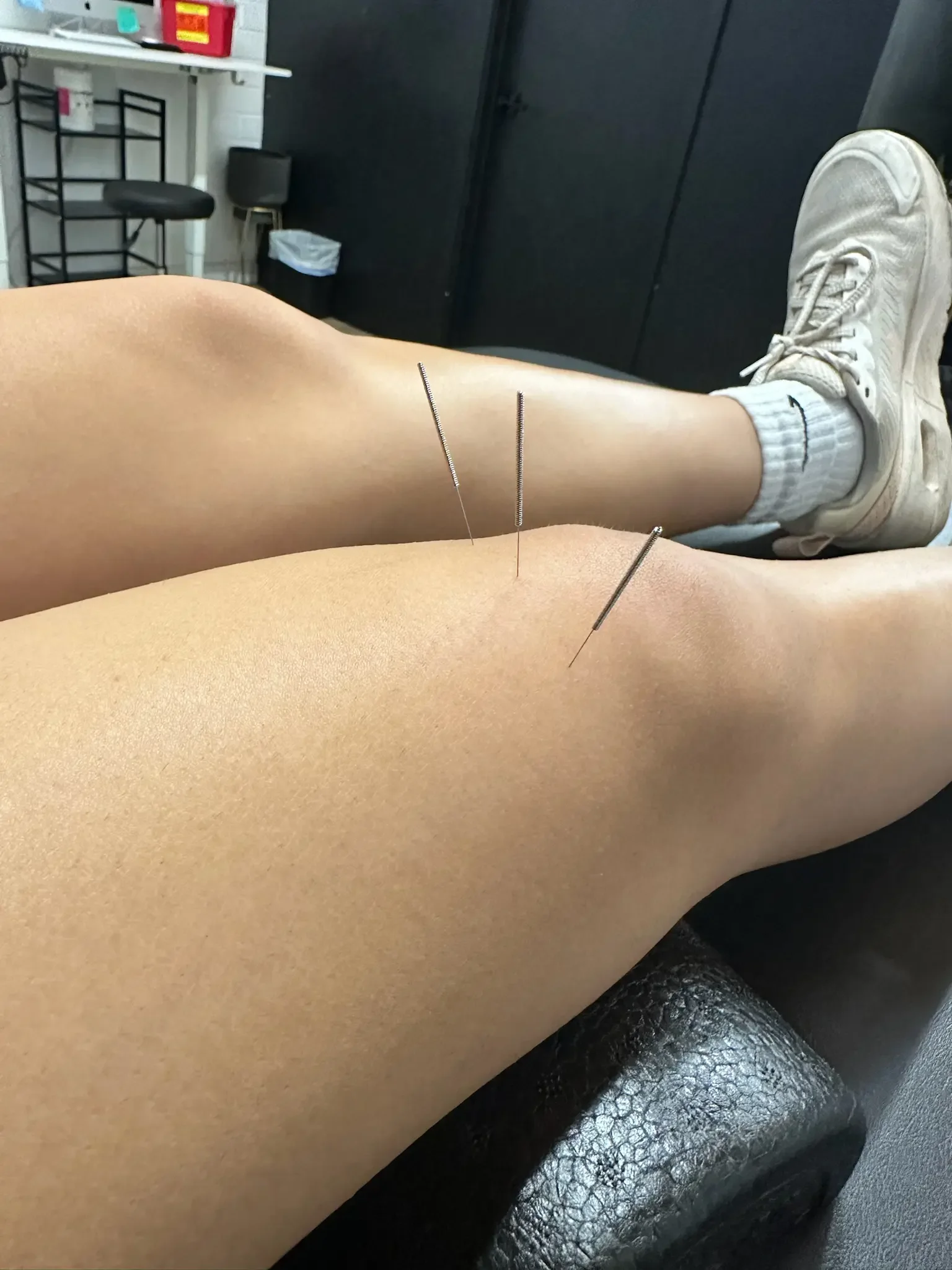
Dry Needling
When appropriate, dry needling can help reduce muscular tension and improve movement quality in the hamstrings and glutes.
-
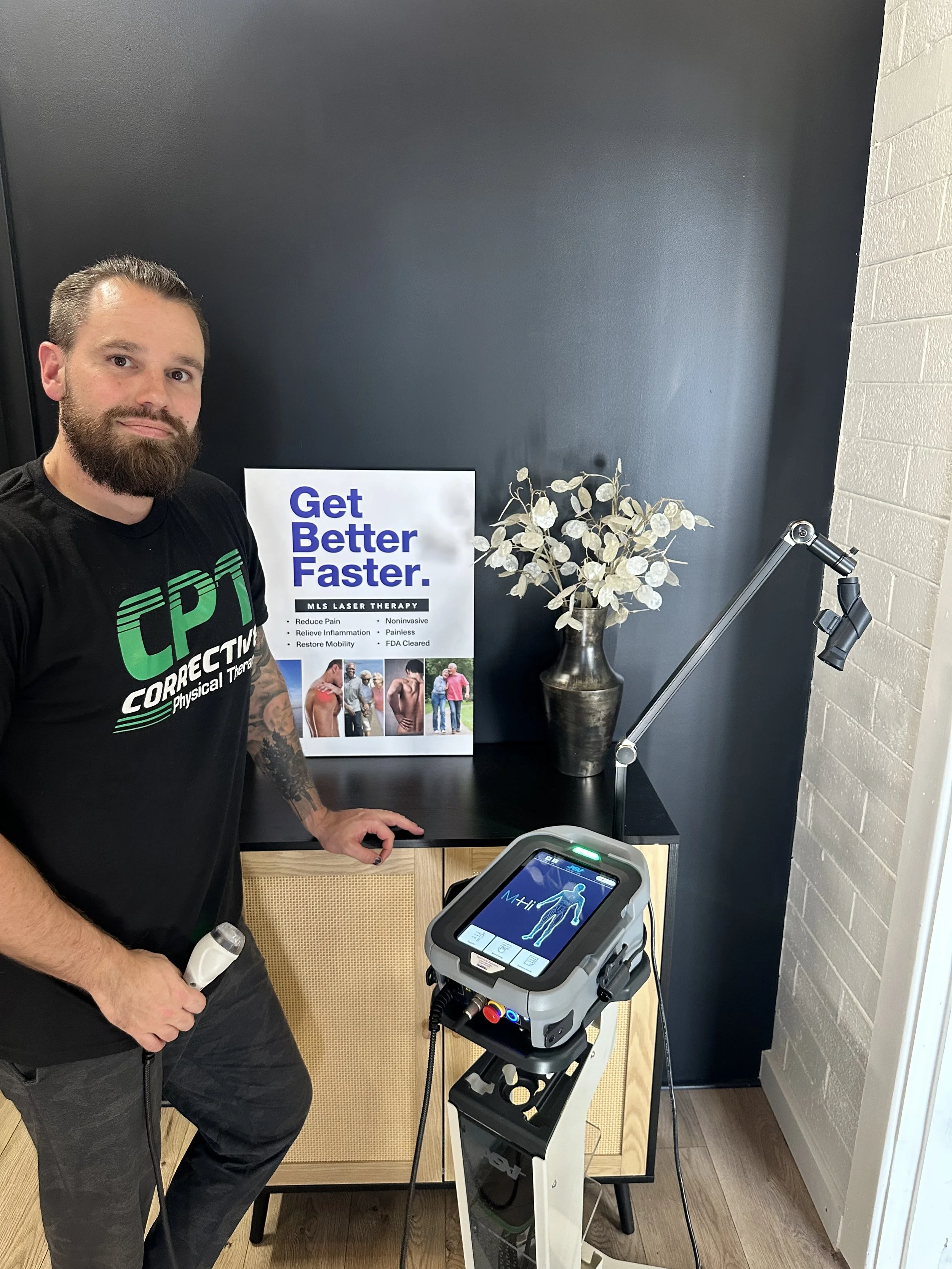
MLS Grade 4 Laser Therapy
Advanced laser therapy may help reduce inflammation and support tissue healing.
-
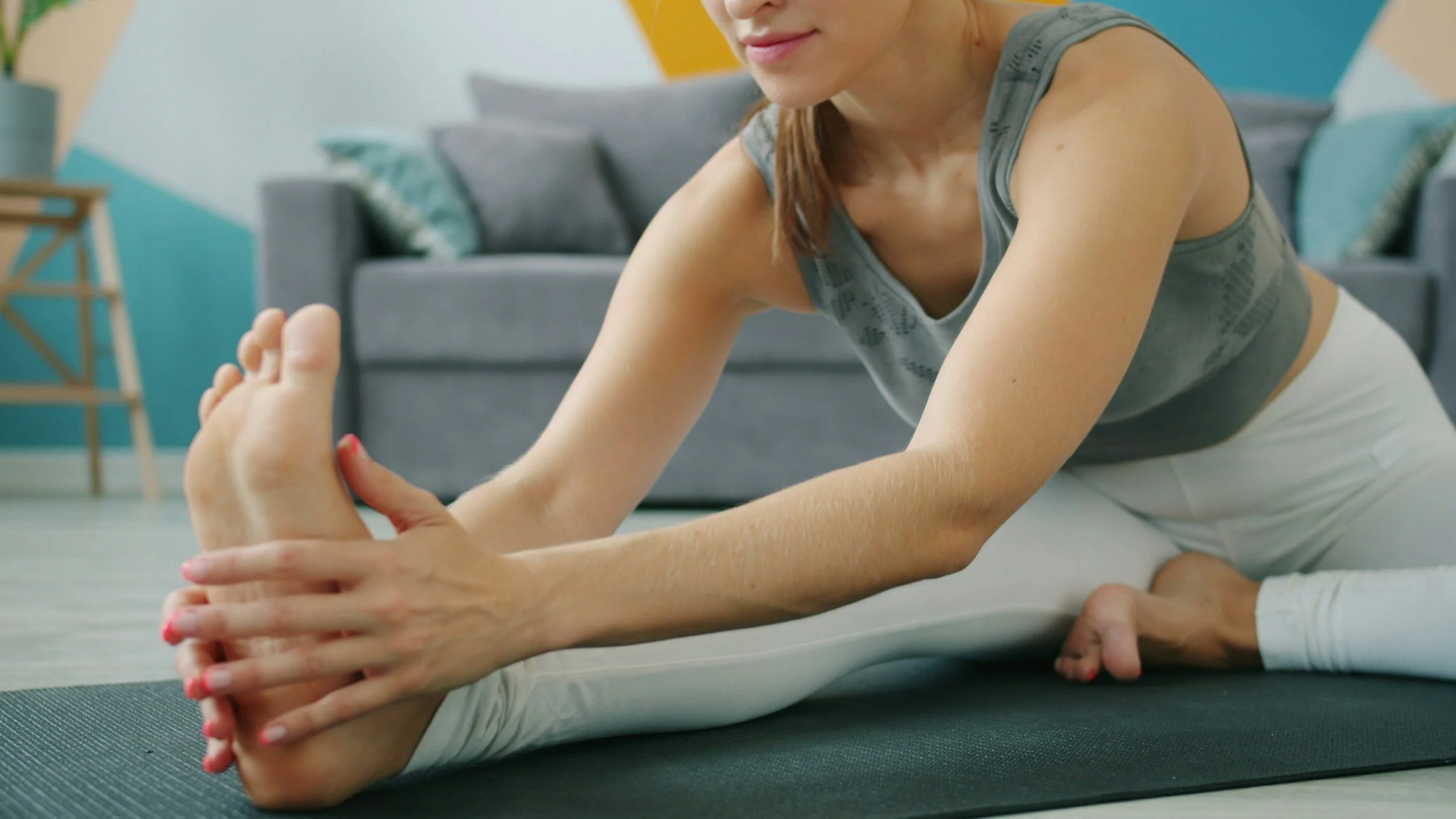
Personalized Home Rehab Program
No generic handouts. Your rehab program is customized specifically to your body, symptoms, and goals.
-
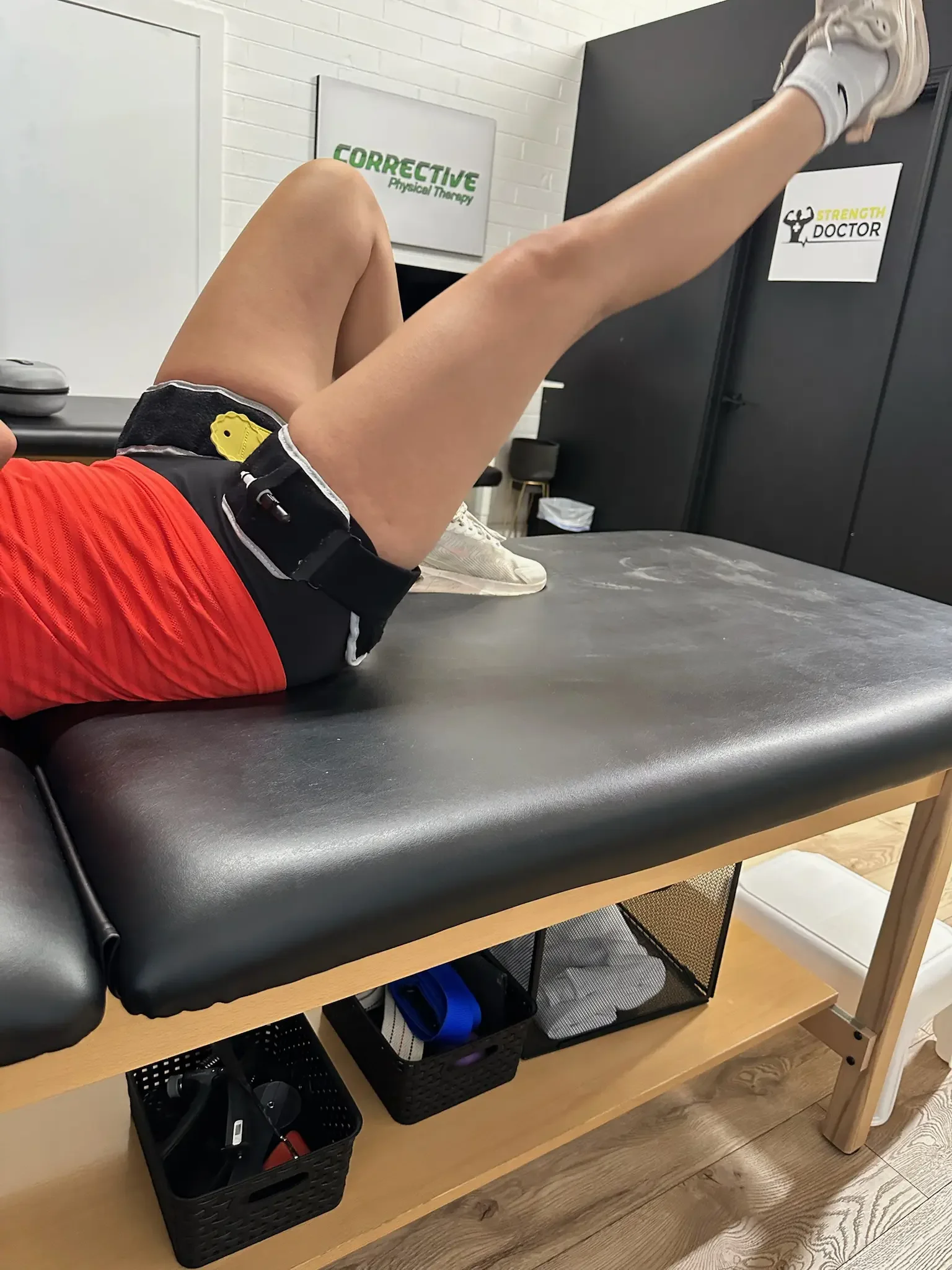
Blood Flow Restriction (BFR) Training
During painful flare-ups or early-stage recovery when heavy loading isn't an option yet, Blood Flow Restriction Training (BFR) allows us to build strength and muscle using lighter loads, without putting excessive stress on irritated tissue.
Patient Testimonials
I can't recommend Matt Brown enough! From the moment I walked into his office, I felt welcomed and at ease. Matt's professionalism and expertise were evident from our first session. He took the time to listen to my concerns and tailored a treatment plan specifically to address my needs. He offered detailed explanations and encouragement throughout each session that allowed me to be confident in my recovery .Thanks to Matt's dedication and guidance, I've seen significant improvement in my mobility. If you're in need of a skilled and compassionate physical therapist, I highly recommend!
— Sara A.Dr. Matt is amazing, so fun and friendly! Thanks to his expert care and guidance, I experienced a remarkably fast recovery. His dedication, knowledge, and personalized approach to physical therapy are unmatched. I cannot recommend him highly enough for anyone seeking efficient and effective healing.
— Gianna R.Dr. Matt Brown is the best physical therapist I’ve ever worked with. I suffered from constant back issues for most of my life and had seen several PT and Chiropractors in the past. None came close to Dr. Matt’s expertise. He not only fixed my back pain, but taught me how to correctly do many exercises I struggled to do in the past. I cannot recommend him enough. Thank you again Dr. Matt!
— Nicholas G.Why Athletes & Active Adults in Scottsdale Choose CPT
Most physical therapy clinics are built for volume. You get 20 minutes with a therapist, handed off to an aide, and sent home with the same exercise sheet that they’ve been handing out to everyone else since 1998.
That's not how we work.
What Makes CPT Different?

1-on-1 treatment sessions

Sports rehab expertise

¡Sí, hablamos español!

Full 60-minute evaluations

Focus on active adults and former athletes

Education that helps you understand your pain

Personalized rehab plans

Evidence-based treatment

Locations in Scottsdale & Arcadia
Physical Therapy for Hamstring & Glute Pain in Scottsdale & Arcadia, AZ
Corrective Physical Therapy provides personalized, 1-on-1 physical therapy for hamstring strains, glute pain, posterior chain injuries, and sports-related movement dysfunction in Scottsdale and Arcadia, Arizona.
Whether you're trying to get back on the field, return to the gym, or just move through your day without pain, our team is here to help you figure out what's actually driving the problem and build a plan to fix it for good.
Because at Corrective Physical Therapy… We don't fix fragile. We build resilient.

Hamstring & Glute Pain FAQs
-
Hamstring strains typically involve a sharp or sudden pain in the back of the thigh, often during acceleration or explosive movement. However, similar symptoms can come from proximal hamstring tendinopathy, sciatic nerve irritation, or referred pain from the hip or low back. A full movement assessment is the best way to get clarity on what's actually happening.
-
Not necessarily. Complete rest can actually slow recovery for many hamstring injuries. Controlled, progressive movement and loading — specific to your stage of healing — is often more effective than total rest. The key is knowing what type of loading is appropriate and when.
-
What feels like tightness is often a protective response from the nervous system, not a true flexibility deficit. Aggressive stretching can sometimes make this worse. A combination of progressive loading, active mobility work, and movement retraining tends to produce better results than passive stretching alone.
-
Yes. The hamstrings and glutes work together as part of your posterior chain. When the glutes aren't doing their job — controlling the pelvis, extending the hip, managing rotation — the hamstrings often compensate and get overloaded. Addressing glute strength is frequently a key part of resolving stubborn hamstring issues.
-
It depends on the severity of the injury, how long you've been dealing with it, and what activity level you're returning to. Minor strains can resolve in a few weeks with the right approach. Chronic or recurrent hamstring issues often require a longer progressive loading program to fully rebuild tissue resilience.
-
Yes. Hamstring injuries are one of the most common issues we see in runners. Dr. Danny Paredes specializes in running-related injuries and brings a background as a competitive marathon runner to every assessment. We look at your running mechanics, loading patterns, and strength deficits to build a return-to-run plan that's specific to you.