

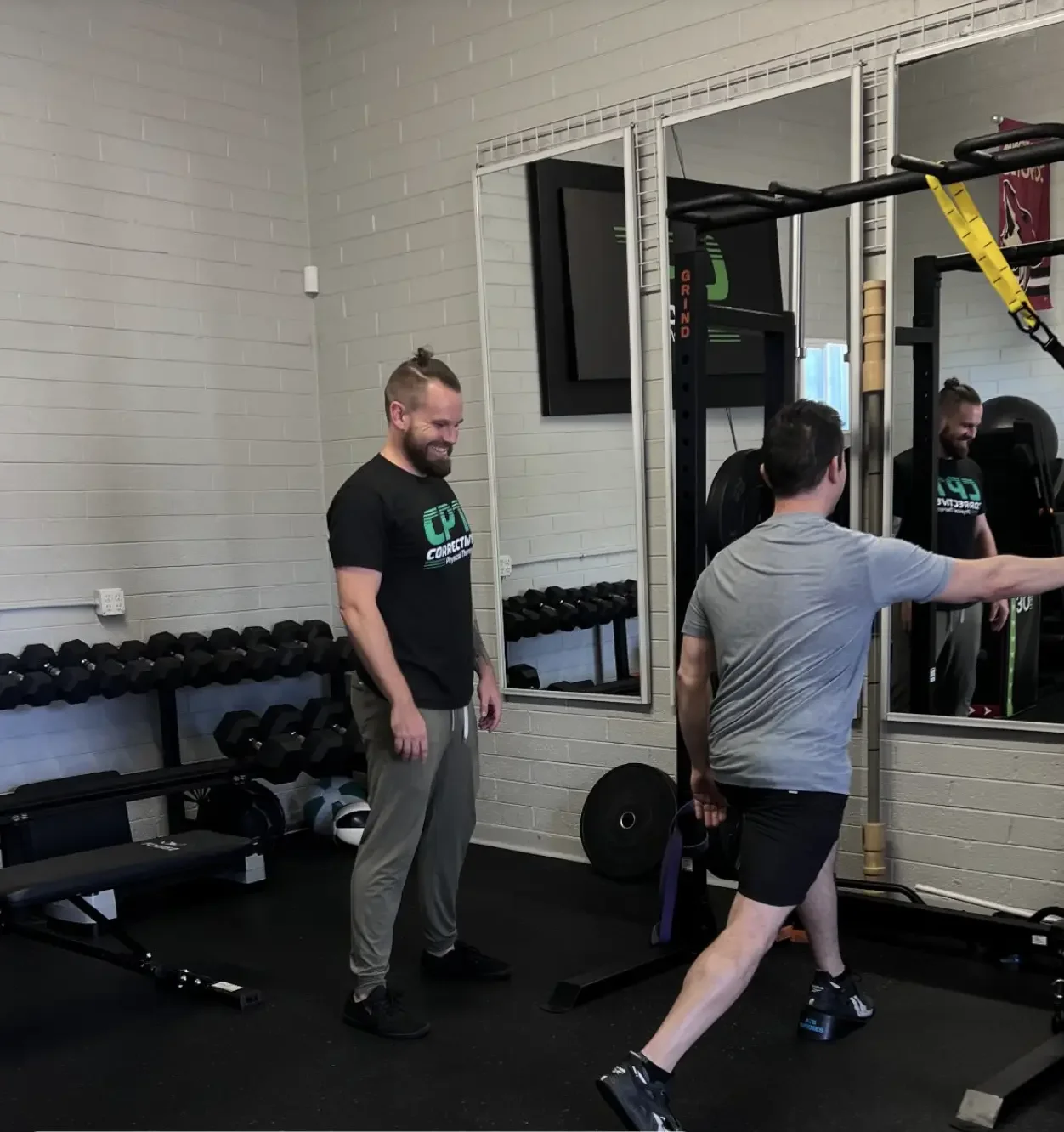
Post-Surgical Back Pain Rehabilitation in Scottsdale & Arcadia
1-on-1 Physical Therapy After Back Surgery
At Corrective Physical Therapy in Scottsdale and Arcadia, we help people after back surgery who aren’t where they expected to be in their recovery. If you’re trying to figure out what comes next after a discectomy, spinal infusion, or lumbar decompression…that’s what we do.
Our licensed physical therapists specialize in helping post-surgical back pain patients rebuild, so they can return to the activities they had surgery to get back to in the first place.
Why Post-Surgical Rehab Matters More Than You Might Realize
Surgery addresses a structural problem. It removes the disc material pressing on a nerve, decompresses a crowded spinal canal, or stabilizes an unstable segment. What it doesn't do is rebuild the strength, movement quality, and neuromuscular control that were compromised by the injury and the surgery itself. That's what rehabilitation does.
Without a structured, progressive rehab program after back surgery, patients frequently experience persistent weakness, movement dysfunction, scar tissue restrictions, and a back that technically got fixed but never fully came back online. Some develop new pain patterns. Others improve initially but plateau far short of the functional return they were hoping for.
The goal of post-surgical rehab at CPT is not just to help you recover from surgery. It's to help you get back to doing what you had surgery to do again.
What to Expect After Common Back Surgeries
-
Discectomy and microdiscectomy
Discectomy and microdiscectomy remove the herniated portion of a disc that was compressing a nerve. Recovery is typically faster than fusion surgery, and most patients can begin gentle rehab relatively soon after the procedure. The focus early on is nerve recovery, mobility restoration, and gradually reintroducing load.
-
Spinal fusion
Spinal fusion connects two or more vertebrae to eliminate movement at an unstable segment. Recovery takes longer given the nature of the procedure, and rehab is carefully staged to respect bone healing timelines while progressively rebuilding the strength and movement quality needed for full function.
-
Laminectomy and lumbar decompression
Laminectomy and lumbar decompression create more space in the spinal canal by removing bone or tissue that was compressing neural structures. Post-surgical rehab focuses on restoring mobility, rebuilding core stability, and progressively loading the spine once healing allows.
-
Persistent pain following back surgery
Persistent pain following back surgery is more common than most patients are told before going in. If your pain didn't resolve after surgery or has returned, that doesn't mean surgery failed or that nothing can be done. In many cases, the underlying movement deficits and strength issues that contributed to the original problem were never addressed. That is exactly what we assess and treat.
What Post-Surgical Back Rehab Looks Like at CPT
Every post-surgical patient presents differently depending on the type of surgery, how long they were in pain before surgery, their age, activity level, and what they're working toward. There is no standard protocol that fits everyone.
At CPT, we work closely with your surgical timeline and any restrictions provided by your surgeon, then build a plan that progresses systematically from early recovery through return to full function.
Treatment may include:
-
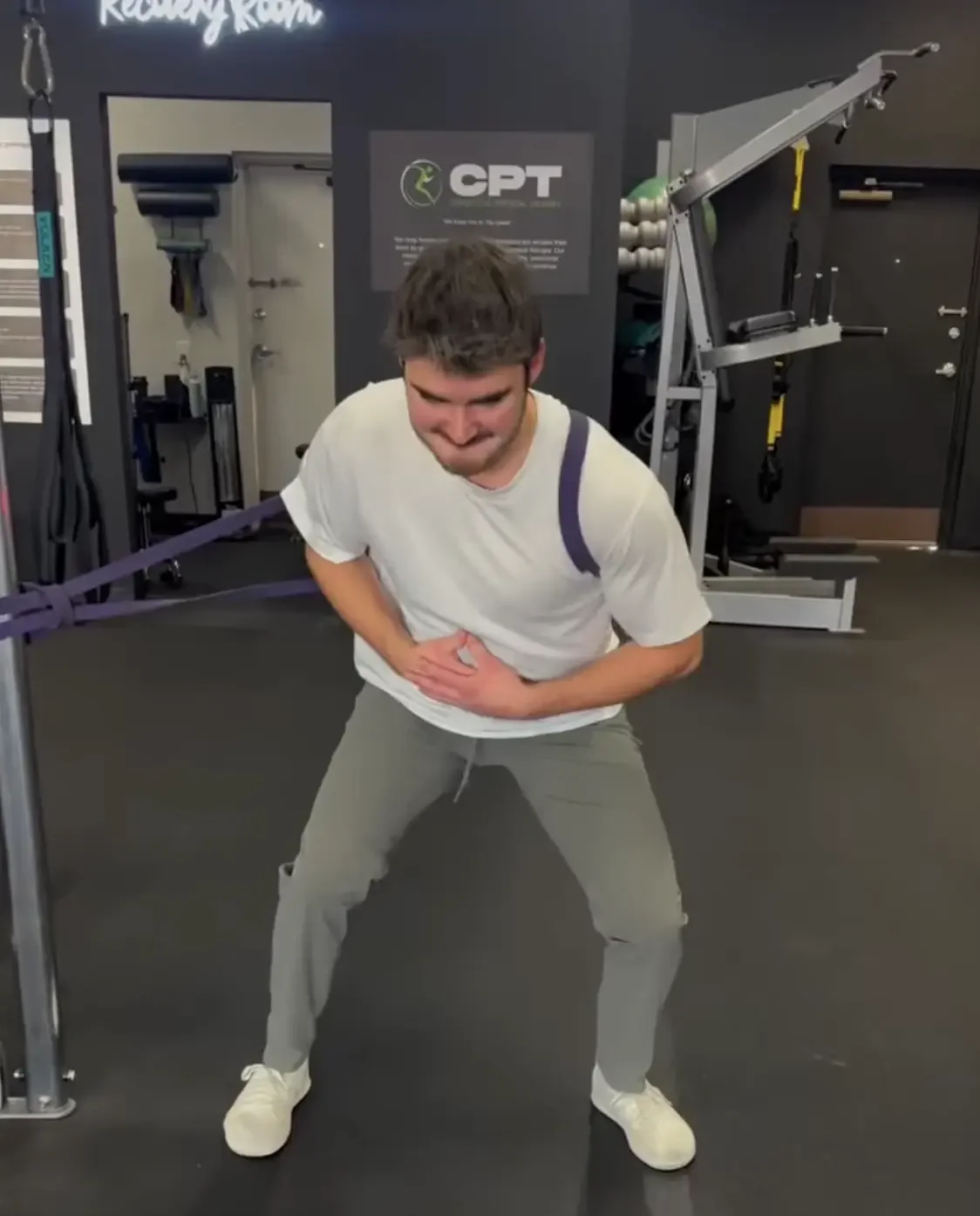
Early Mobility & Scar Tissue Management
In the early weeks after surgery, restoring gentle movement, managing scar tissue restrictions, and reestablishing basic neuromuscular control are the priorities. We work within your surgical restrictions to begin the process of getting the spine moving again without compromising healing.
-
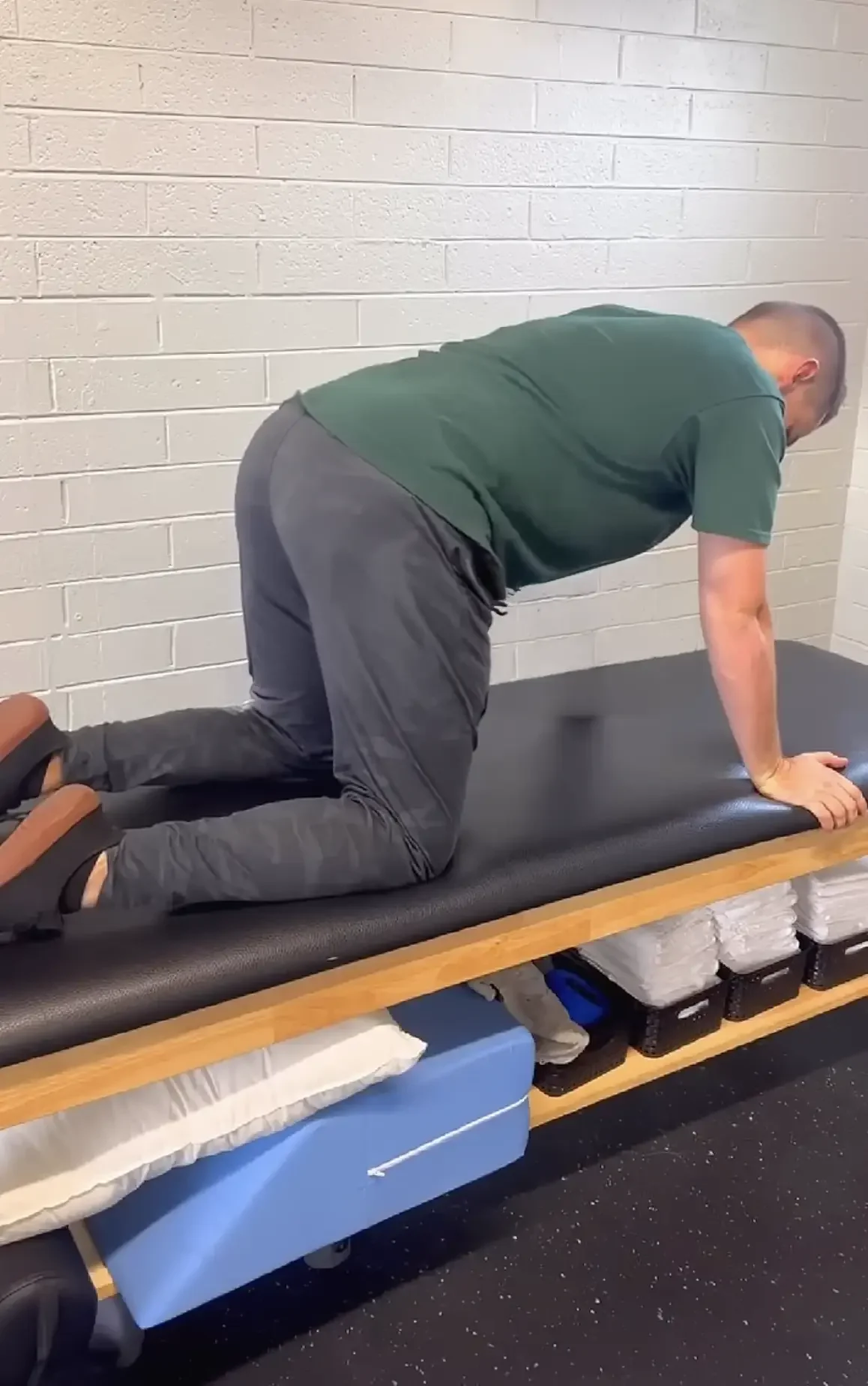
Core & Pelvic Stability Rebuilding
Surgery and the period of pain and deconditioning that precedes it consistently compromise core stability. Rebuilding deep core control, pelvic stability, and the foundational strength that supports the lumbar spine is a critical early phase of post-surgical rehab.
-
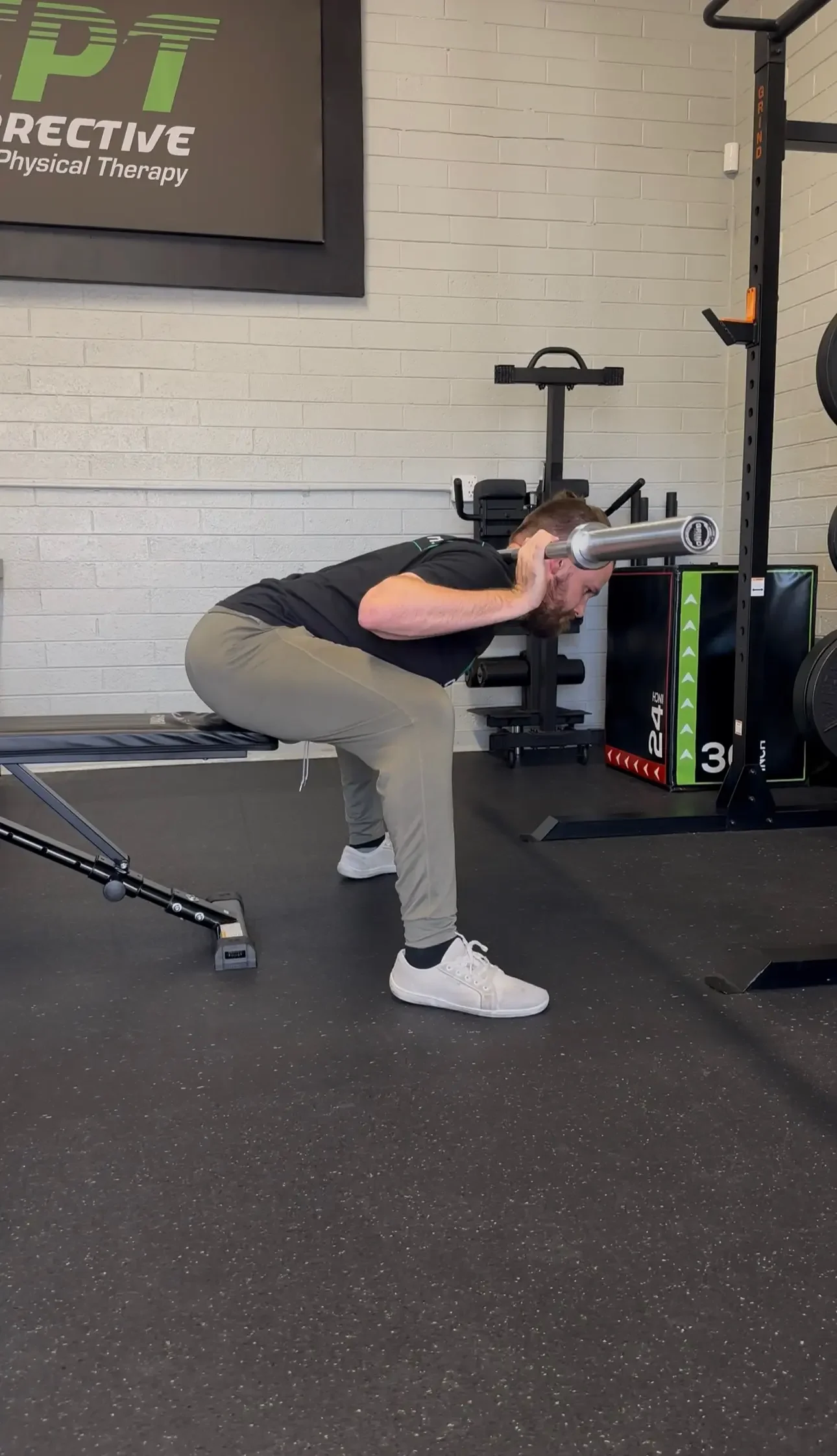
Progressive Strength & Loading
As healing progresses and restrictions are lifted, we systematically reintroduce loading to the lumbar spine, hips, and posterior chain. This is the phase most post-surgical programs either rush or skip entirely. At CPT, progressive loading is sequenced carefully to rebuild tissue capacity without placing premature stress on healing structures.
-

Movement Retraining
Surgery changes things. The way you moved before surgery, including any compensations that developed around the injury, needs to be reassessed and retrained. With movement retraining, we rebuild bending, hinging, lifting, and rotational mechanics from the ground up.
-
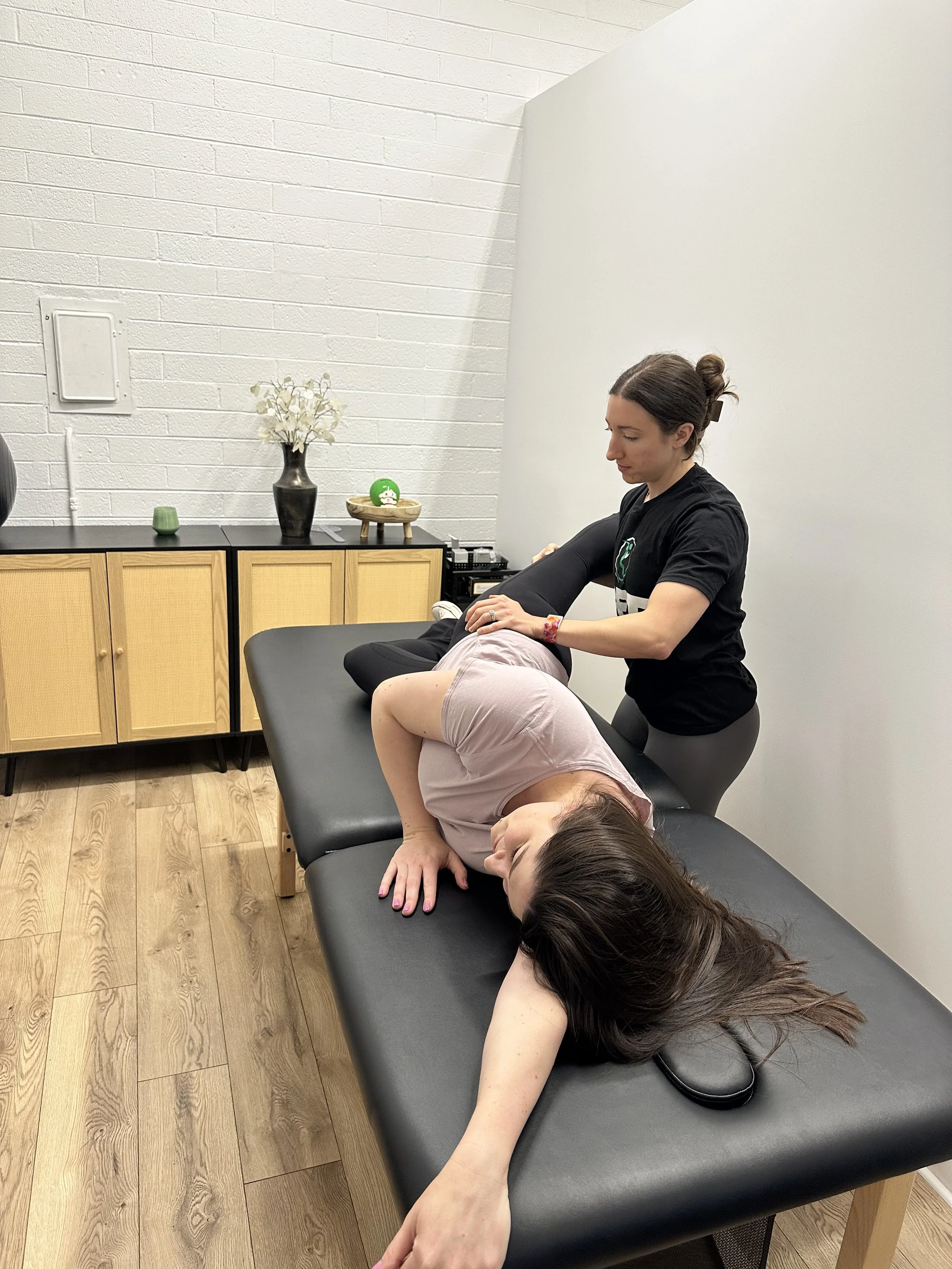
Manual Therapy & Hands-On Treatment
Targeted hands-on work to restore mobility, reduce muscular guarding, and address the tissue restrictions that develop around surgical sites and from prolonged periods of limited movement.
-
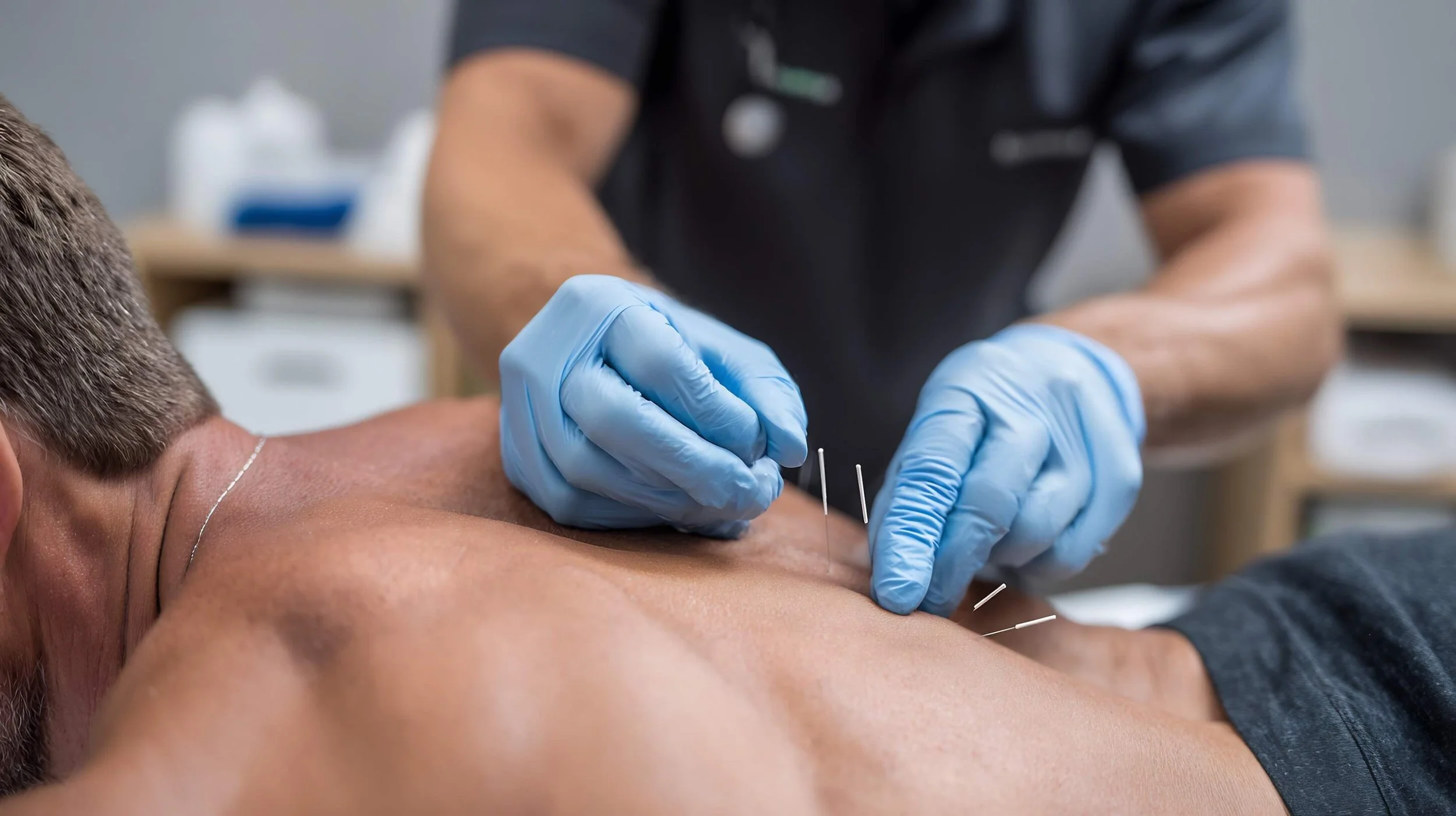
Dry Needling & Laser Therapy
Both dry needling and MLS Grade IV laser therapy can be valuable tools in post-surgical recovery for managing pain, reducing inflammation, improving tissue healing, and making it easier to begin movement and exercise progressively.
-
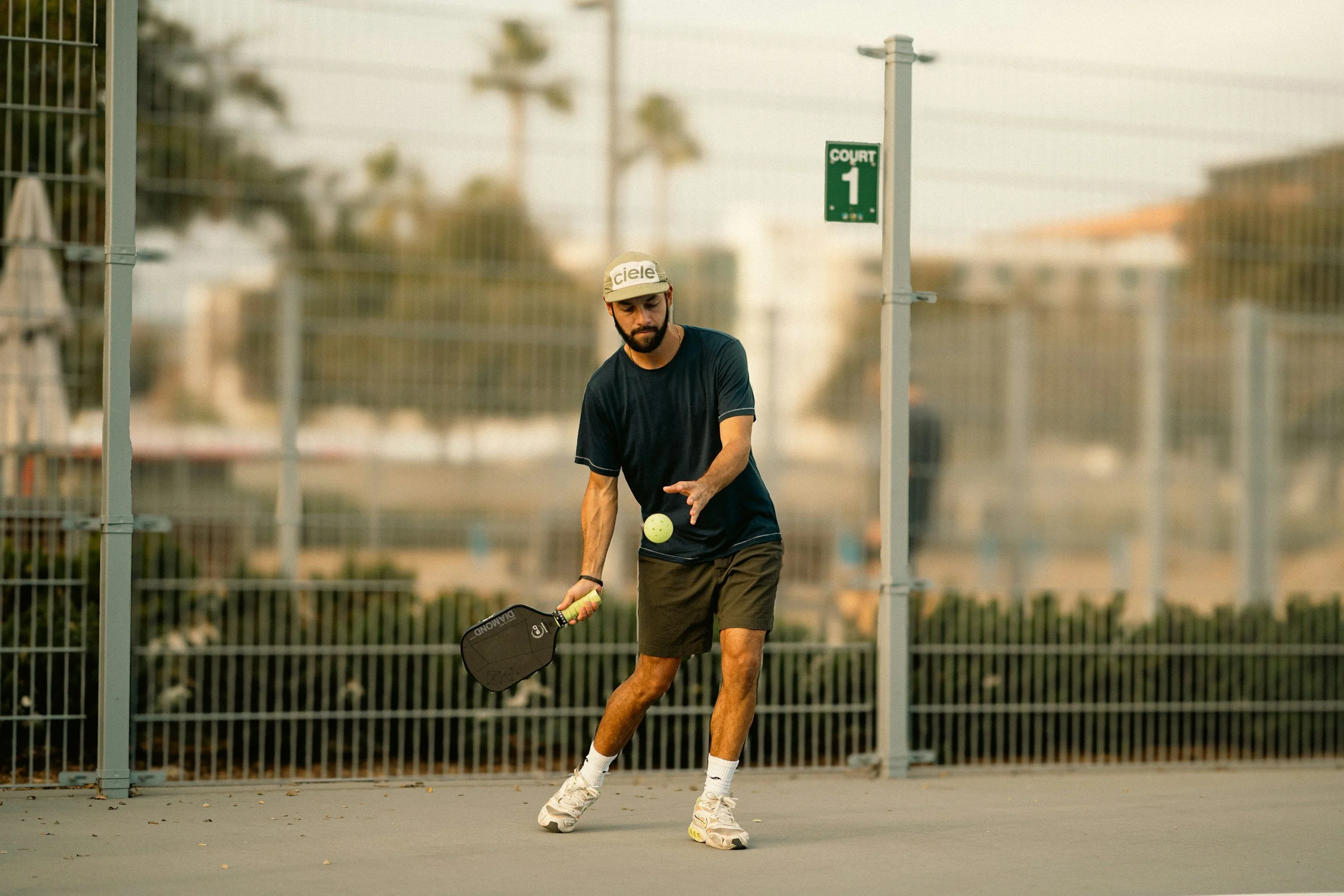
Return to Sport & Full Activity Programming
For athletes and active adults, returning to the baseline of daily life is not the finish line. We build a return to sport and full activity program that progressively reintroduces the specific demands of your training, your sport, or your job until you're confident your back is ready for what you're asking of it.
Conditions We Treat Related to Post-Surgical Back Rehab
Weakness and instability after spinal surgery
Scar tissue and mobility restrictions after surgery
Post-surgical SI joint pain
Movement dysfunction following back surgery
Failed back surgery syndrome and persistent post-operative pain
Lumbar discectomy and microdiscectomy recovery
Spinal fusion rehabilitation
Post-laminectomy recovery
Lumbar decompression rehabilitation
Persistent pain following back surgery
Why Patients Choose Corrective Physical Therapy
Most physical therapy clinics are built for volume. You get 20 minutes with a therapist, get handed off to an aide, and go home with the same exercise sheet they've been handing out to everyone else since 1998.
That's not how we work.
What Makes CPT Different?

1-on-1 treatment sessions

Sports rehab expertise

¡Sí, hablamos español!

Full 60-minute evaluations

Focus on active adults and former athletes

Education that helps you understand your pain

Personalized rehab plans

Evidence-based treatment

Locations in Scottsdale & Arcadia
Physical Therapy After Back Surgery in Scottsdale & Arcadia, AZ
Corrective Physical Therapy provides personalized, 1-on-1 post-surgical physical therapy for lumbar discectomy, spinal fusion, laminectomy, and lumbar decompression recovery in Scottsdale and Arcadia, Arizona.
Whether you're just out of surgery and starting rehab, further along in recovery and not where you expected to be, or dealing with persistent pain after a procedure that was supposed to fix everything, our team is here to build a plan that actually gets you to where you wanted to be when you decided to have surgery in the first place.
Because at Corrective Physical Therapy… We don't fix fragile. We build resilient.
Meet the Doctors

Dr. Matthew Brown PT, DPT, SCS
Dr. Matthew Brown is a sports physical therapist who helps active adults and athletes recover from injuries, improve performance, and return to the activities they enjoy. As the founder of Corrective Physical Therapy, he combines advanced sports rehabilitation training with strength and movement-based treatment to address the root cause of pain and keep patients performing at their best.
Founder & Performance Specialist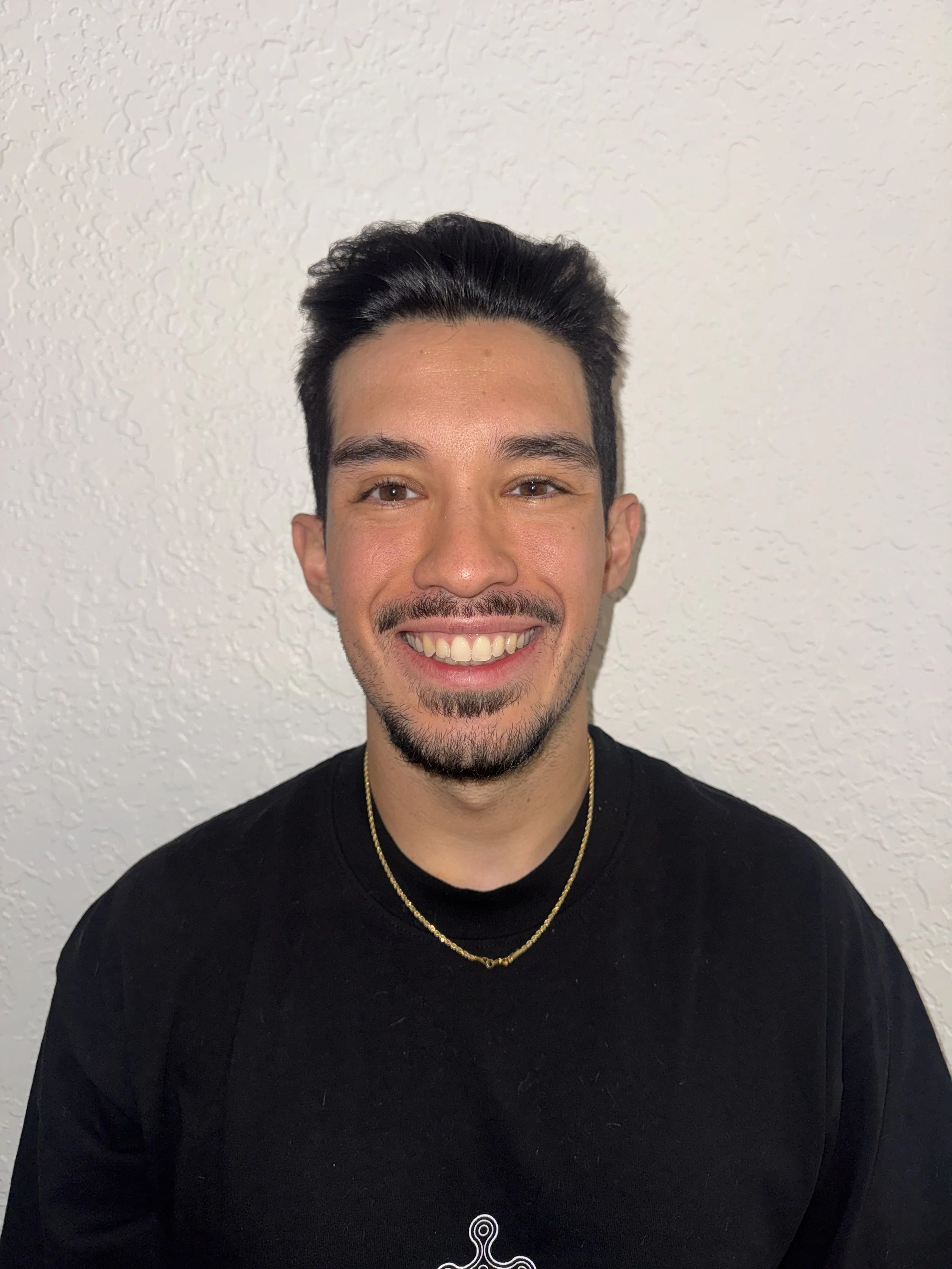
Dr. Daniel Paredes, PT, DPT, CSCS
Physical Therapist | Sports Performance & Running SpecialistDr. Danny Paredes is a sports physical therapist who helps runners, athletes, and active adults overcome pain, improve performance, and return to training with confidence. Combining his background in strength and conditioning, competitive athletics, and evidence-based rehabilitation, he bridges the gap between rehab and performance to help patients move better and achieve their goals.
Post-Surgical Back Rehab FAQs
-
That depends on the type of surgery and your surgeon's protocol. For many discectomy patients, gentle rehab can begin within a few weeks. Fusion patients typically have a longer initial restriction period. We work within whatever timeline your surgeon has established and coordinate with your surgical team when needed.
-
It happens more than it should. You don't need a referral to begin post-surgical rehab at CPT. If you've had back surgery and feel like your recovery has stalled or you haven't been given a clear plan for returning to full function, we're happy to assess where you are and build a path forward.
-
Yes, frequently. Persistent pain after back surgery is often related to movement deficits, strength imbalances, and nervous system sensitivity that the surgery itself didn't address. A thorough assessment helps determine what's driving the ongoing symptoms and what the right treatment approach looks like.
-
Yes, with appropriate progression and respect for bone healing timelines. Progressive loading is ultimately how the muscles supporting a fused segment rebuild their capacity. The sequencing and timing matter enormously, which is why working with a PT who understands post-fusion rehabilitation is so important.
-
It depends on the type of surgery, your baseline strength and conditioning, and what you're returning to. Most patients make meaningful functional progress within the first few months. Return to full athletic activity or physically demanding work typically takes longer and requires a structured progressive program to get there safely.