

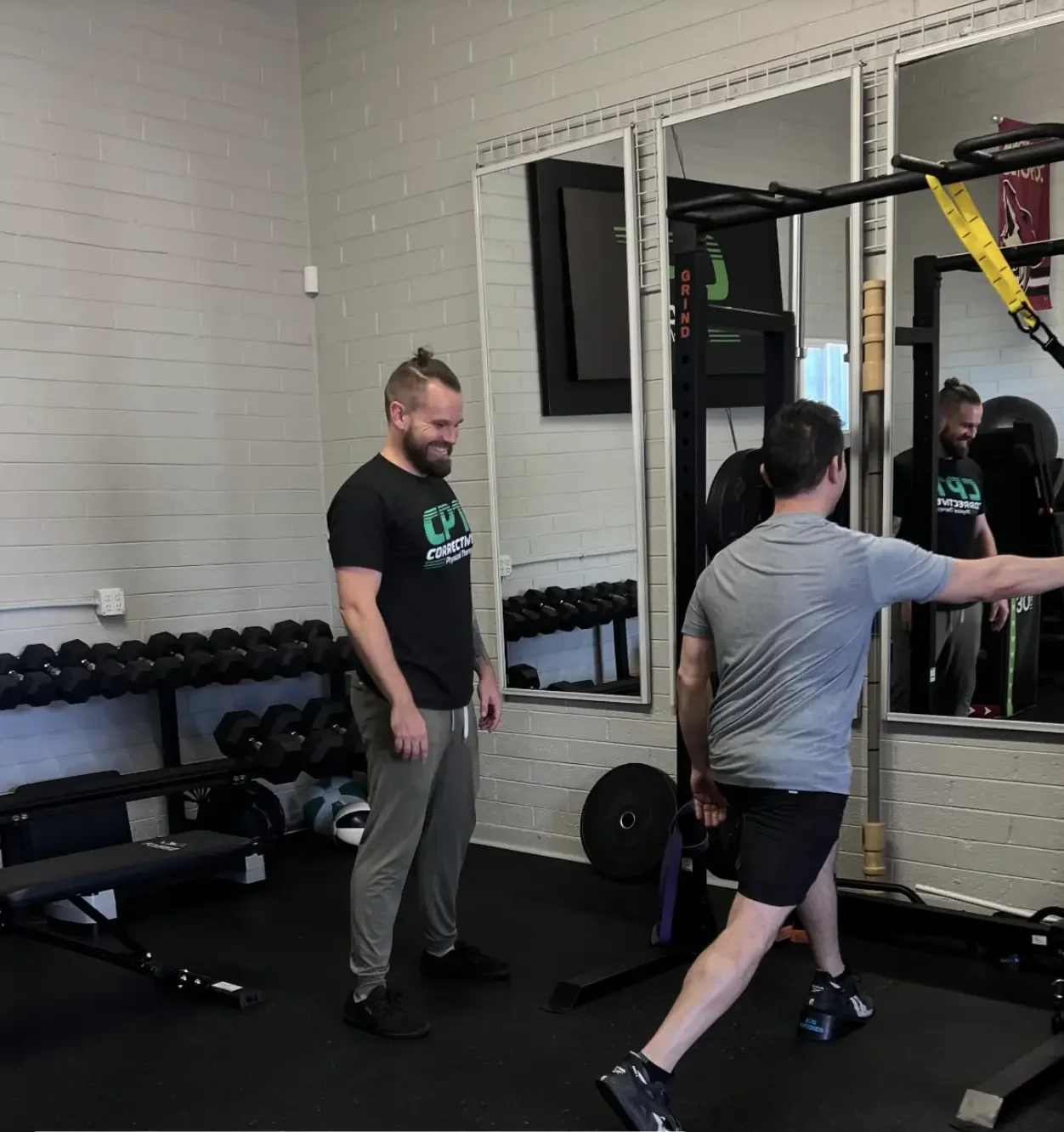
Sports Physical Therapy Evaluations in Scottsdale & Arcadia
Understand Your Body. Measure Your Progress. Build Your Strength.
Pain tells you something is wrong, but it doesn't always tell you why and a diagnosis doesn't necessarily tell you everything your body is capable of doing.
At Corrective Physical Therapy, we look beyond symptoms to understand how your body moves, produces force, controls movement, and responds to physical demands. Through objective testing and individualized movement assessments, we evaluate your strength, power, endurance, and movement control to identify measurable limitations that may be affecting your function or performance.
Whether you're recovering from an injury, dealing with recurring pain, or working to improve your athletic performance, understanding your current capabilities gives us a clearer starting point.
We use these findings as part of your physical therapy evaluation to develop a plan tailored to your needs, track your progress, and help you build the strength and confidence to do more.
What Is Objective Testing?
Objective testing uses measurable findings to evaluate how your body functions rather than relying on symptoms or observations alone.
For example, you might feel that one leg is weaker than the other, struggle to control a movement, or notice that your performance drops off during demanding activities. Objective testing helps us evaluate these limitations more specifically and understand how they may affect your daily activities, exercise, or sport.
At Corrective Physical Therapy, testing may evaluate several aspects of physical performance:
Strength: Measure how much force your muscles can produce and identify weaknesses or differences between sides.
Muscle ratios: Evaluate the relationship between the strength of different muscle groups to identify potential imbalances relevant to your movement or activity.
Power: Assess your ability to produce force quickly during movements that require explosiveness.
Endurance: Evaluate your ability to sustain muscular effort or physical performance over time.
Movement control: Assess how well you coordinate and control your body during functional movements and activities.
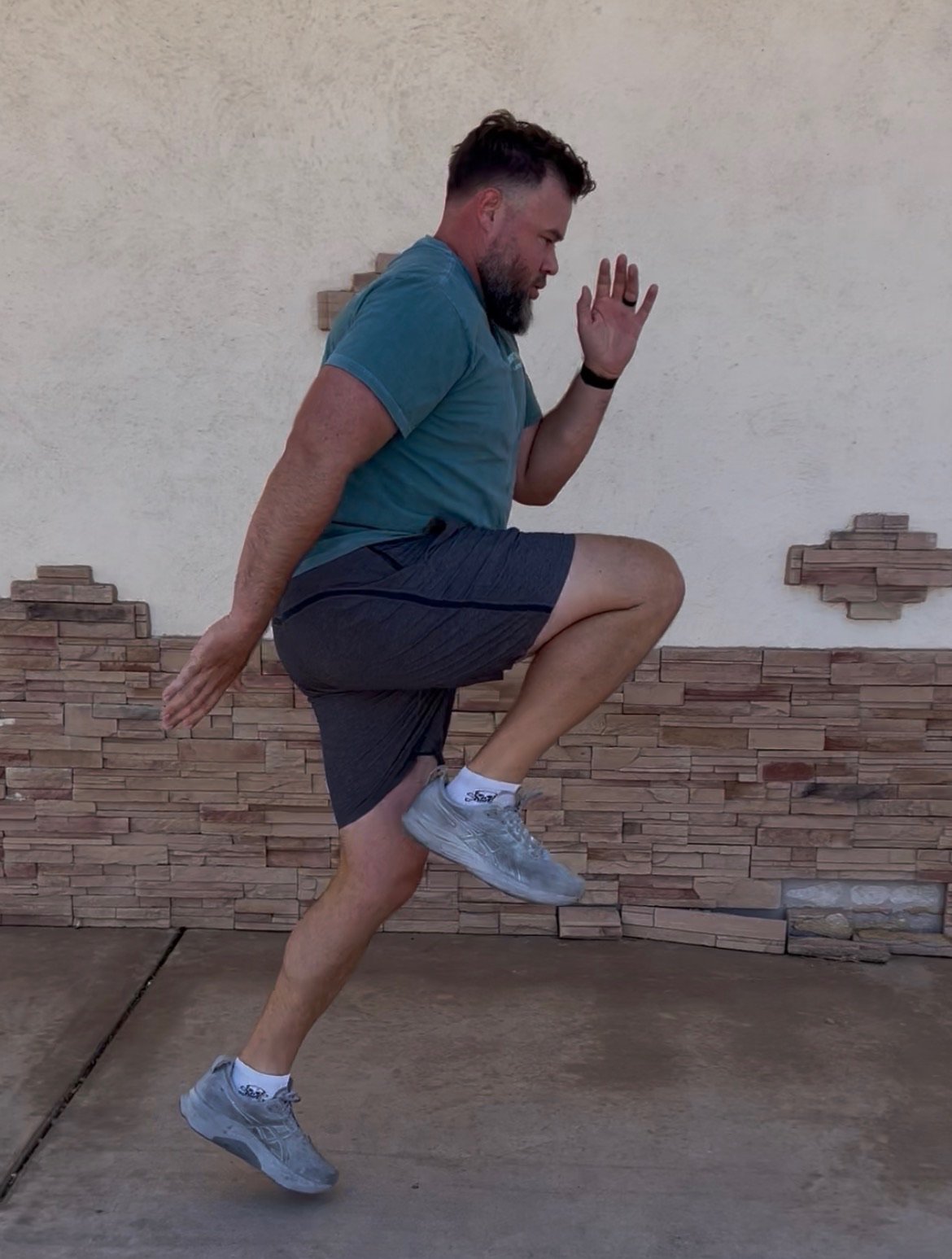
We use appropriate testing methods and equipment based on your individual needs and goals. The specific assessments depend on what we're evaluating and what information will help guide your care.
Objective testing is part of your physical therapy evaluation, not an isolated test. We consider the results alongside your symptoms, injury history, movement patterns, and goals to develop a more complete picture of your physical capabilities.
Why Objective Testing Matters
-
Identify Limitations You Might Not Notice
You can compensate for weakness or reduced movement control without realizing it. Another muscle group or part of your body may work harder to make up the difference, changing how you move or distribute physical demands.
Objective testing helps us identify measurable deficits that may not be obvious from symptoms alone. By evaluating strength, power, endurance, and control, we can better understand how your body is functioning and which areas may need attention.
-
Establish a Baseline for Progress
How do you know whether rehabilitation is working? Pain levels are important, but they aren't the only way to measure improvement. You may feel better before you've regained your previous strength, power, or endurance.
Establishing a baseline gives us a point of comparison. As you progress through treatment, repeat assessments can help us evaluate changes in your physical capabilities and determine whether your program is producing the results we're looking for.
-
Build a Plan Around Your Needs
Two people can experience similar symptoms but have very different physical limitations. A program that works well for one person may not address the needs of another.
Your assessment findings help guide decisions about which exercises, strengthening strategies, and movement progressions are appropriate for you.
Rather than relying on a generic protocol, we can focus your rehabilitation on the specific areas that need improvement and adjust your plan as your capabilities change.
-
Build Confidence in What Your Body Can Do
Pain and injury can make movement feel unpredictable. You may begin avoiding activities you once enjoyed because you're worried about making things worse.
Understanding your current abilities—and seeing measurable improvements over time—can help you approach movement with greater confidence.
At CPT, we believe rehabilitation should help you build capacity, not simply teach you what to avoid. We use assessment findings to guide appropriate progressions while respecting your symptoms, injury history, and individual needs.
How We Evaluate Strength, Power, Endurance & Movement Control
Every evaluation starts with understanding you: what you're experiencing, what activities matter to you, and what you want to accomplish. From there, we select assessments that help us evaluate your physical capabilities and identify areas for improvement.
-
Isometric Strength Testing
Isometric strength testing measures how much force you can produce while holding a position without moving the joint. Using specialized testing equipment, we can collect objective strength measurements and compare performance between sides or muscle groups when appropriate.
These measurements help us identify strength deficits, establish a baseline, and track changes as you progress through rehabilitation.
-
Muscle Ratio Testing
Strength isn't always just about how strong an individual muscle is. The relationship between different muscle groups can also matter, depending on the activity and the demands placed on your body.
Muscle ratio testing helps us evaluate differences in strength between relevant muscle groups. These findings can provide additional information about your physical capabilities and help guide your strengthening program.
The specific ratios we evaluate depend on your condition, goals, and the physical demands of your activities.
-
Power Testing
Strength and power are related, but they aren't the same thing. Strength involves producing force, while power involves producing force quickly.
This distinction matters for activities such as sprinting, jumping, accelerating, and changing direction. Depending on your needs, power testing can help us evaluate your ability to generate force during more demanding movements.
These findings can help guide your progression from foundational strength work toward activities requiring greater speed and explosiveness.
-
Endurance Testing
Your body also needs to sustain effort over time. Whether you're running, lifting, playing recreational sports, or participating in longer workouts, endurance affects how well you maintain performance as physical demands continue.
Endurance testing helps evaluate your ability to sustain muscular effort or physical activity. Results can help us identify limitations and determine whether your rehabilitation or conditioning plan needs to address your ability to tolerate repeated or prolonged effort.
-
Movement Control Testing
Producing force is only part of the picture. You also need to control your body while moving, landing, lifting, and changing direction.
We assess movement control through functional tasks appropriate to your condition and goals. Depending on your needs, this may include single-leg stability assessments, hopping, landing mechanics, or other movements that help us understand how you coordinate and control your body.
These findings help us identify areas to address through targeted rehabilitation and movement training.
Turning Assessment Results into a Plan
Testing is only useful when the results inform what happens next. At CPT, we use your assessment findings to guide an individualized plan based on your current abilities, symptoms, and goals.
Depending on what we identify, your plan may incorporate:
Targeted strength training: Addressing specific weaknesses and improving muscular function.
Progressive loading: Gradually increasing physical demands as your body builds strength and tolerance.
Movement retraining: Improving coordination, mechanics, and control during challenging activities.
Power development: Progressing toward activities that require faster force production when appropriate.
Endurance training: Improving your ability to sustain effort and tolerate repeated physical demands.
Sport-specific conditioning: Preparing for the movements and physical demands of your sport when appropriate.
Your program isn't set in stone. As your abilities change, we can adjust your treatment and training to reflect your progress and remaining limitations. Follow-up assessments can help us evaluate improvements, identify areas that still need work, and make informed decisions about what to focus on next.
Objective Testing for Athletes & Active Adults
Whether you're returning to the gym, working through a recurring injury, or trying to improve your athletic performance, objective testing can help clarify what your body needs. We work with people who want to remain active and keep doing the things that matter to them.
Your goals might include:
Returning to lifting weights after an injury.
Improving strength and control following a period of reduced activity.
Addressing measurable weaknesses that may be affecting your performance.
Improving power for jumping, sprinting, or other explosive movements.
Building endurance for longer workouts or athletic activities.
Tracking progress as you work toward a specific physical goal.
You don't have to be a competitive athlete to benefit from a better understanding of how your body functions. Whether your goal is returning to a favorite activity or performing at a higher level, the assessment process helps us understand where you're starting and what needs to happen next.

One-on-One Physical Therapy in Scottsdale & Arcadia
At Corrective Physical Therapy, you'll work one-on-one with a Doctor of Physical Therapy for a full 60 minutes, who takes the time to understand your symptoms, evaluate your physical capabilities, and connect your treatment plan to your goals.
We combine hands-on care, individualized assessment, and progressive strength training to help you improve your physical capabilities—not just manage symptoms.
Your evaluation isn't a box to check before starting treatment. It's part of an ongoing process of understanding your body, addressing limitations, and measuring meaningful progress.
If pain, weakness, or reduced performance is keeping you from the activities you enjoy, objective physical therapy testing can help establish a clearer path forward.
Meet the Doctors

Dr. Matthew Brown PT, DPT, SCS
Founder & Performance SpecialistDr. Matthew Brown is a sports physical therapist who helps active adults and athletes recover from injuries, improve performance, and return to the activities they enjoy. As the founder of Corrective Physical Therapy, he combines advanced sports rehabilitation training with strength and movement-based treatment to address the root cause of pain and keep patients performing at their best.
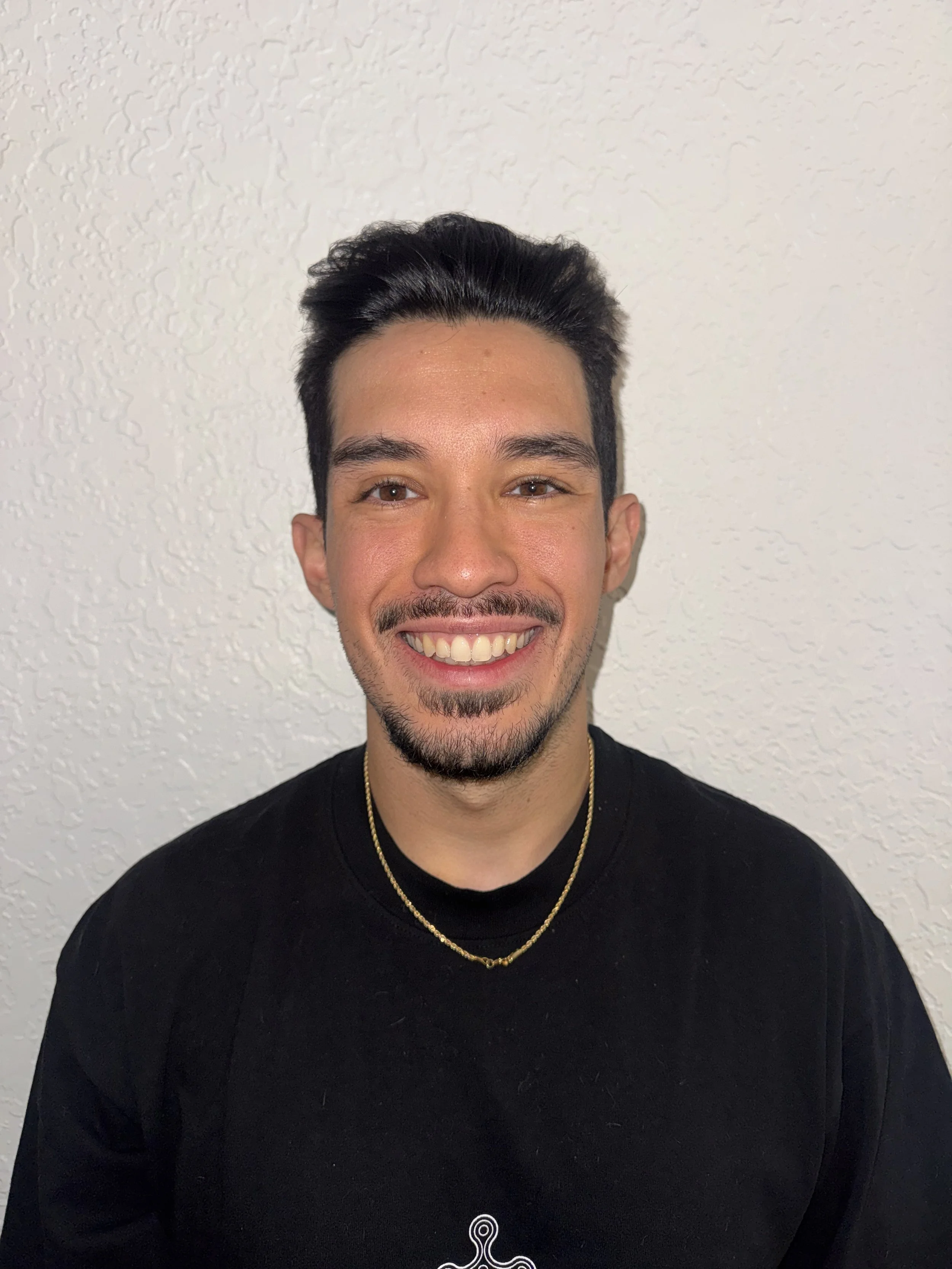
Dr. Daniel Paredes, PT, DPT, CSCS
Physical Therapist | Sports Performance & Running SpecialistDr. Danny Paredes is a sports physical therapist who helps runners, athletes, and active adults overcome pain, improve performance, and return to training with confidence. Combining his background in strength and conditioning, competitive athletics, and evidence-based rehabilitation, he bridges the gap between rehab and performance to help patients move better and achieve their goals.
Ready to Understand What Your Body Can Do?
You deserve a physical therapy plan based on your needs, your goals, and how your body actually performs.
At Corrective Physical Therapy, we use individualized evaluations and measurable findings to guide your care and help you work toward meaningful improvements in strength, power, endurance, and movement.

Schedule an appointment at our Scottsdale or Arcadia location to discuss your goals and find out how physical therapy can help.