

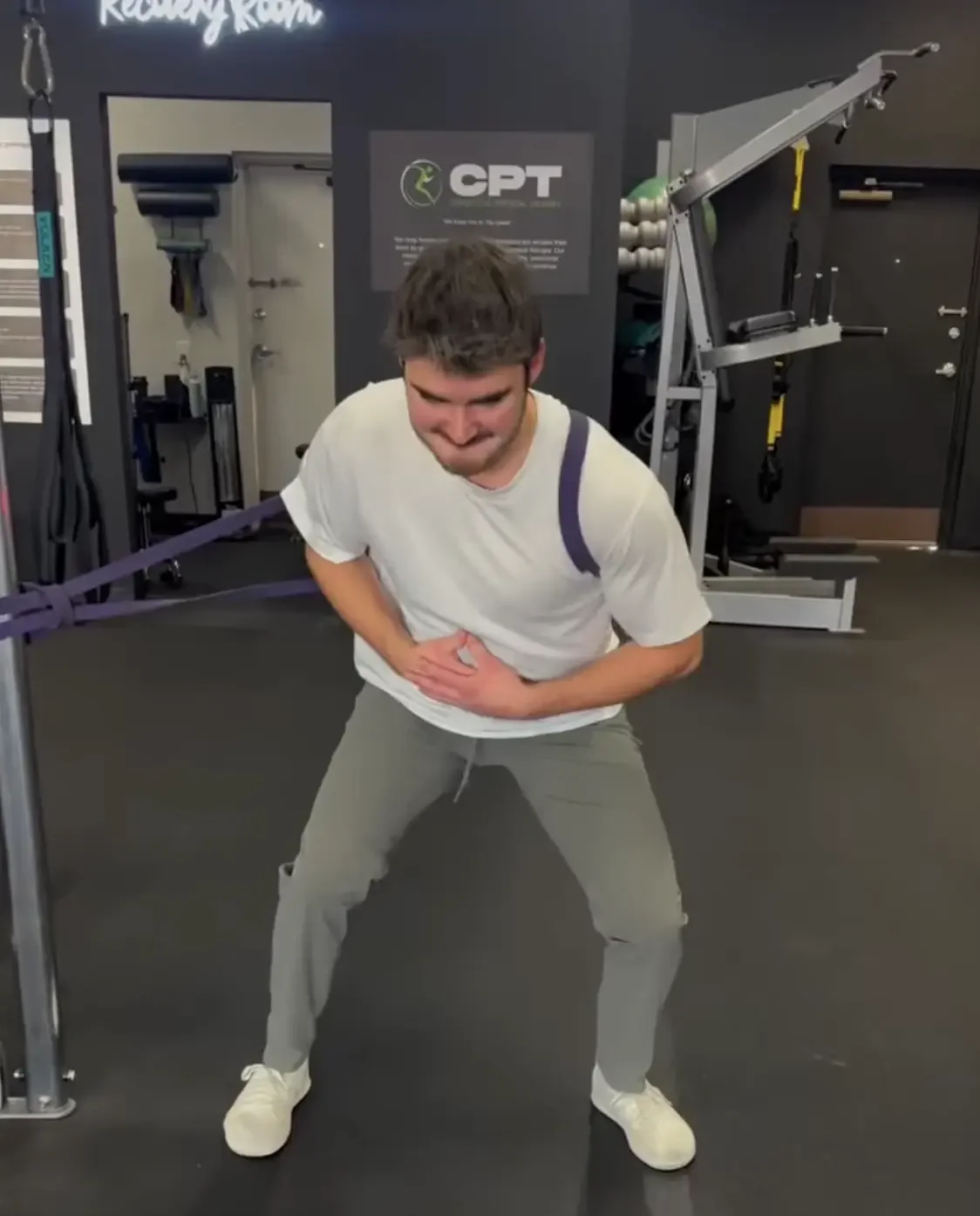
Acute Low Back Pain Physical Therapy in Scottsdale & Arcadia
Personalized Low Back Pain Treatment in Scottsdale & Arcadia
Athletes, first responders, and active adults who have thrown their back out, felt that sharp pull during a lift, or woken up barely able to move...we got you.
At Corrective Physical Therapy in Scottsdale and Arcadia, we find the root cause of acute low back pain and build a plan to get you moving again fast, so you can get back to training, working, and living without your back being the thing that stops you.
What Is Acute Low Back Pain?
Acute low back pain comes on suddenly. It might happen during a deadlift, a pickup basketball game, an awkward twist reaching for something, or for no obvious reason at all. One moment you're fine. The next, you can barely stand up straight.
It's one of the most common injuries we see at CPT, and also one of the most mismanaged. The instinct is to rest completely, avoid movement, and wait it out. But prolonged rest without the right movement strategy is one of the most reliable ways to turn an acute injury into a chronic one.
The longer you avoid movement and fear certain positions, the longer recovery takes, and the higher the likelihood that this becomes a recurring problem.
What's Actually Happening in Your Back
Most acute low back pain involves one or more of the following:
-
Lumbar muscle strains and ligament sprains
Lumbar muscle strains and ligament sprains are the most common presentation. The muscles and connective tissue of the lower back get overloaded beyond what they can handle in a given moment, resulting in pain, spasm, and limited range of motion. These respond well to early, controlled movement and progressive loading.
-
Disc irritation and disc bulges
Disc irritation and disc bulges occur when the intervertebral discs are placed under sudden or excessive load. This can create local back pain, referred pain into the hip or glute, or in some cases nerve symptoms that travel down the leg. If you're experiencing leg pain, tingling, or numbness alongside your back pain, that may indicate nerve involvement and is worth assessing carefully. For patients dealing with those symptoms, our sciatica page goes into more detail on what that means and how we treat it.
-
Facet joint irritation
Facet joint irritation involves the small joints at the back of the spine that guide and limit movement. When these become compressed or irritated, they can create sharp, localized pain that's often worse with extension or rotation.
-
SI joint dysfunction
SI joint dysfunction occurs when the sacroiliac joint, which connects the spine to the pelvis, becomes irritated or moves outside its normal range. It's a frequent contributor to low back and hip pain that often gets misdiagnosed or overlooked.
-
Acute disc herniation
Acute disc herniation can occur when sudden load causes the inner material of a disc to push outward and irritate surrounding nerve tissue. This is one of the more painful acute presentations and can include significant muscle guarding, limited mobility, and nerve symptoms into the leg.
What Does Acute Low Back Pain Actually Feel Like?
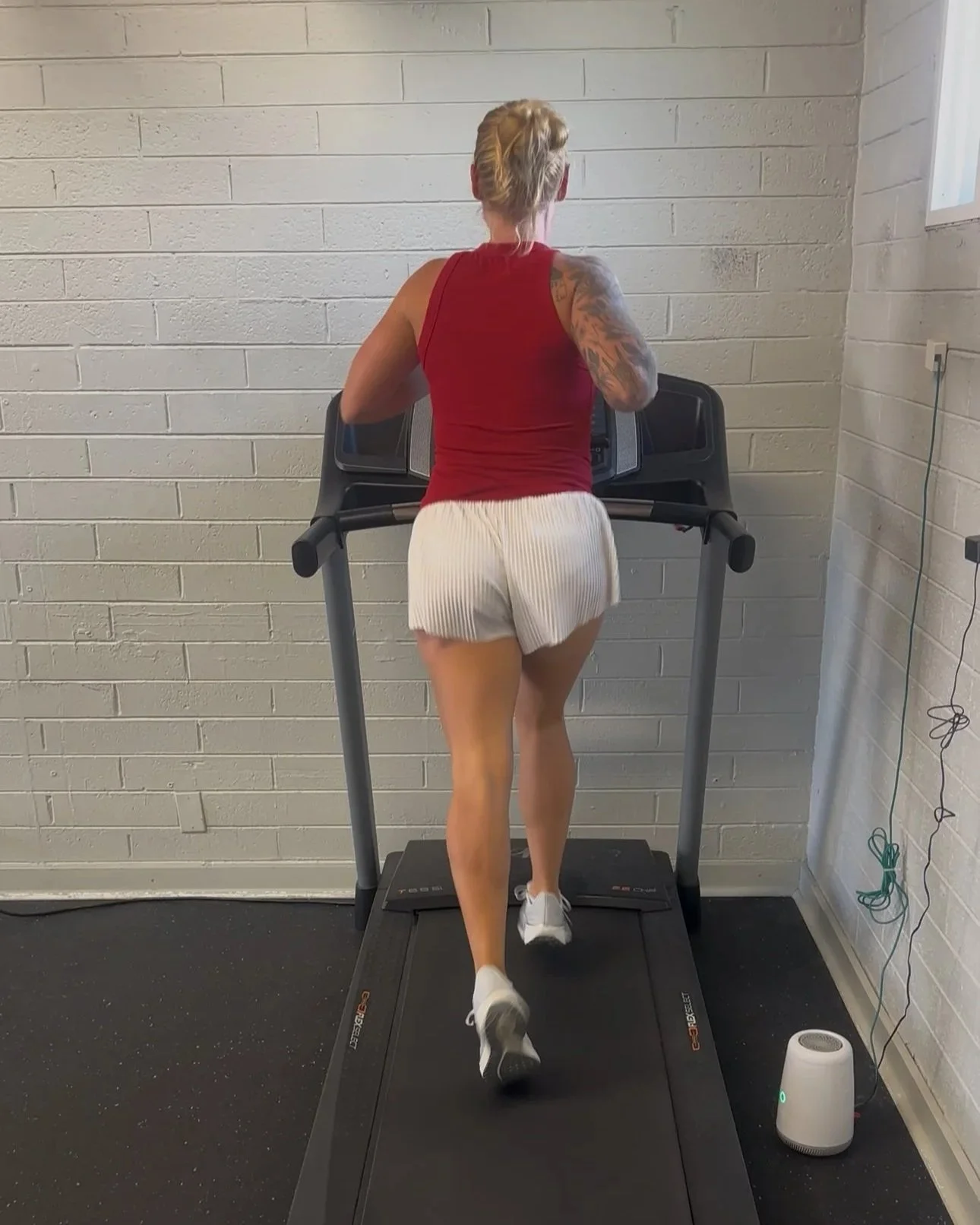
Symptoms vary depending on the structure involved, but commonly include:
Sudden sharp or stabbing pain in the lower back
Muscle spasm that makes it hard to stand or walk upright
Pain that worsens with bending, lifting, or twisting
Stiffness that makes getting out of bed or off a chair a significant effort
Pain that radiates into the hip, glute, or upper leg
Nerve symptoms like tingling or numbness down the leg
Pain that eases slightly with movement but spikes with certain positions
Difficulty finding a comfortable position at rest
Whether your pain came on during a heavy lift, a sports collision, an awkward movement, or seemingly out of nowhere, the approach to treatment needs to be specific to what's actually happening in your back...not a generic protocol applied to everyone who walks in with low back pain.
What to Do When Your Back First Goes Out
The first few days after an acute low back injury matter. Here's what we recommend:
-
Keep moving.
Not aggressively, not through severe pain, but moving. Prolonged bed rest consistently makes acute low back pain worse. Gentle movement, position changes, and controlled mobility work in the early stages shorten recovery time and reduce the risk of the injury becoming chronic.
-
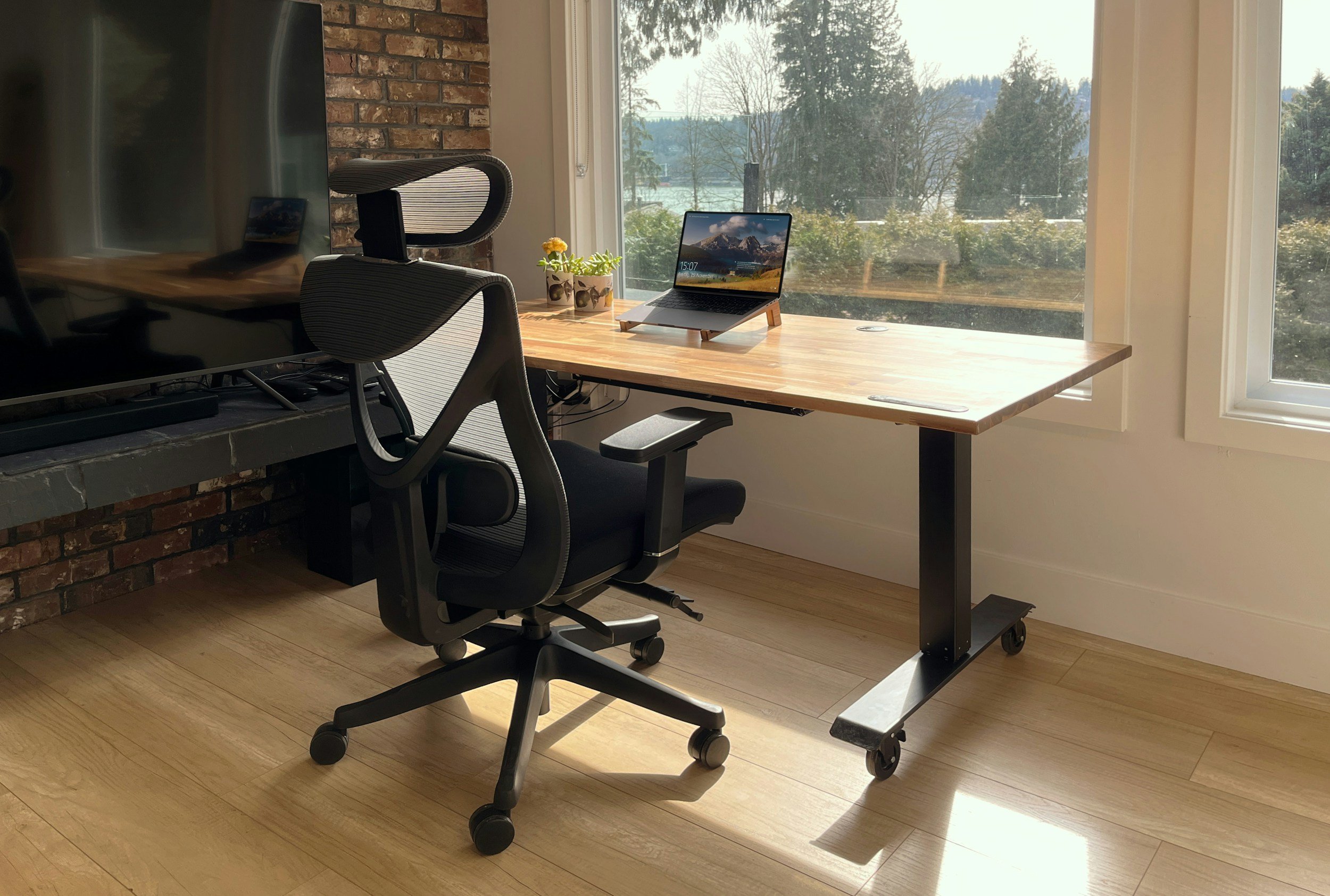
Use support strategically.
A low back brace can help keep you moving during the first couple of days when pain is at its worst. A lumbar support or pool noodle placed at the base of the spine while sitting can make the transition from sitting to standing significantly more manageable early on.
-
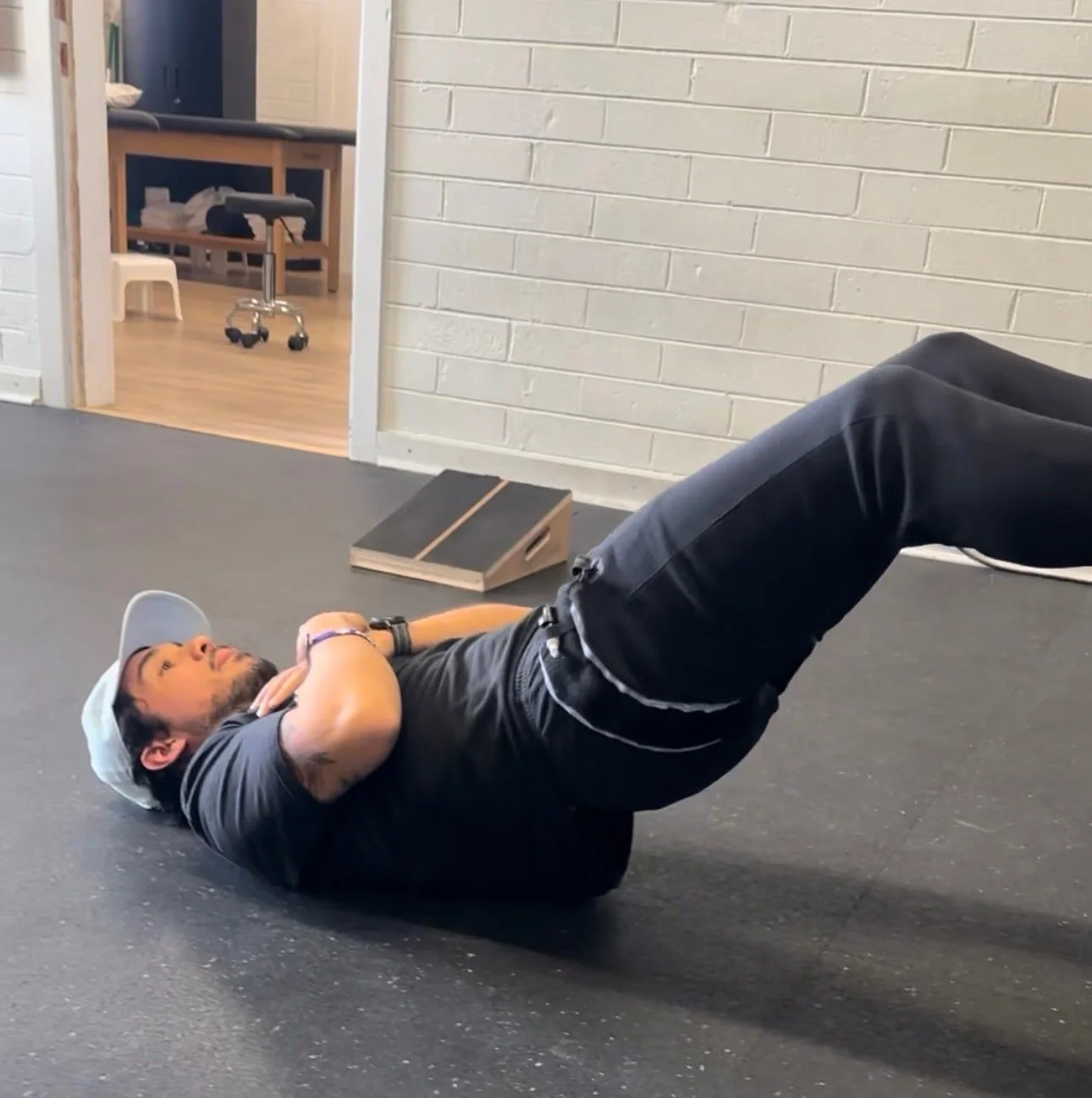
Find the movements that help.
For many acute low back presentations, extension-based movements provide early relief. Prone press-ups, where you lie on your stomach and press up onto your elbows while looking toward the ceiling, are one of the most effective early-stage exercises for reducing disc-related back pain. Bridges are another useful starting point that combines gentle extension with early glute activation.
-
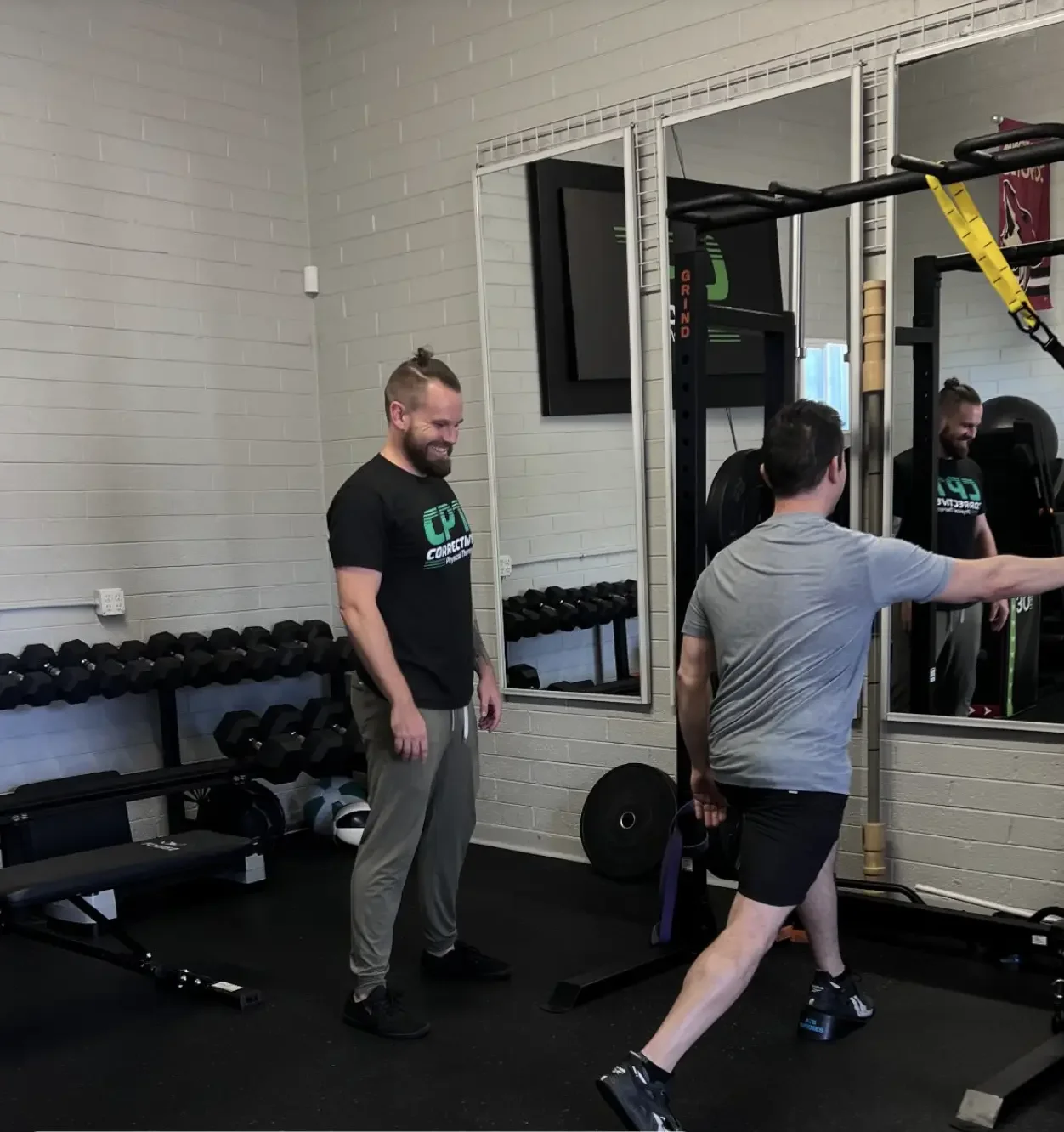
Get assessed early.
The sooner we can identify what's actually driving your pain, the sooner we can build a plan that gets you out of the acute phase and into recovery. Waiting weeks to seek treatment while hoping it resolves on its own is how acute injuries become chronic ones.
Our Approach to Acute Low Back Pain Treatment
At Corrective Physical Therapy, every session is 1-on-1 with a licensed Doctor of Physical Therapy. No aides. No rotating tables. No cookie-cutter exercise handouts.
We start by understanding exactly what happened, how your back is moving, what positions and loads are most provocative, and what you need to get back to. From there, we build a plan specific to your presentation and your goals.
Depending on your situation, treatment may include:
-
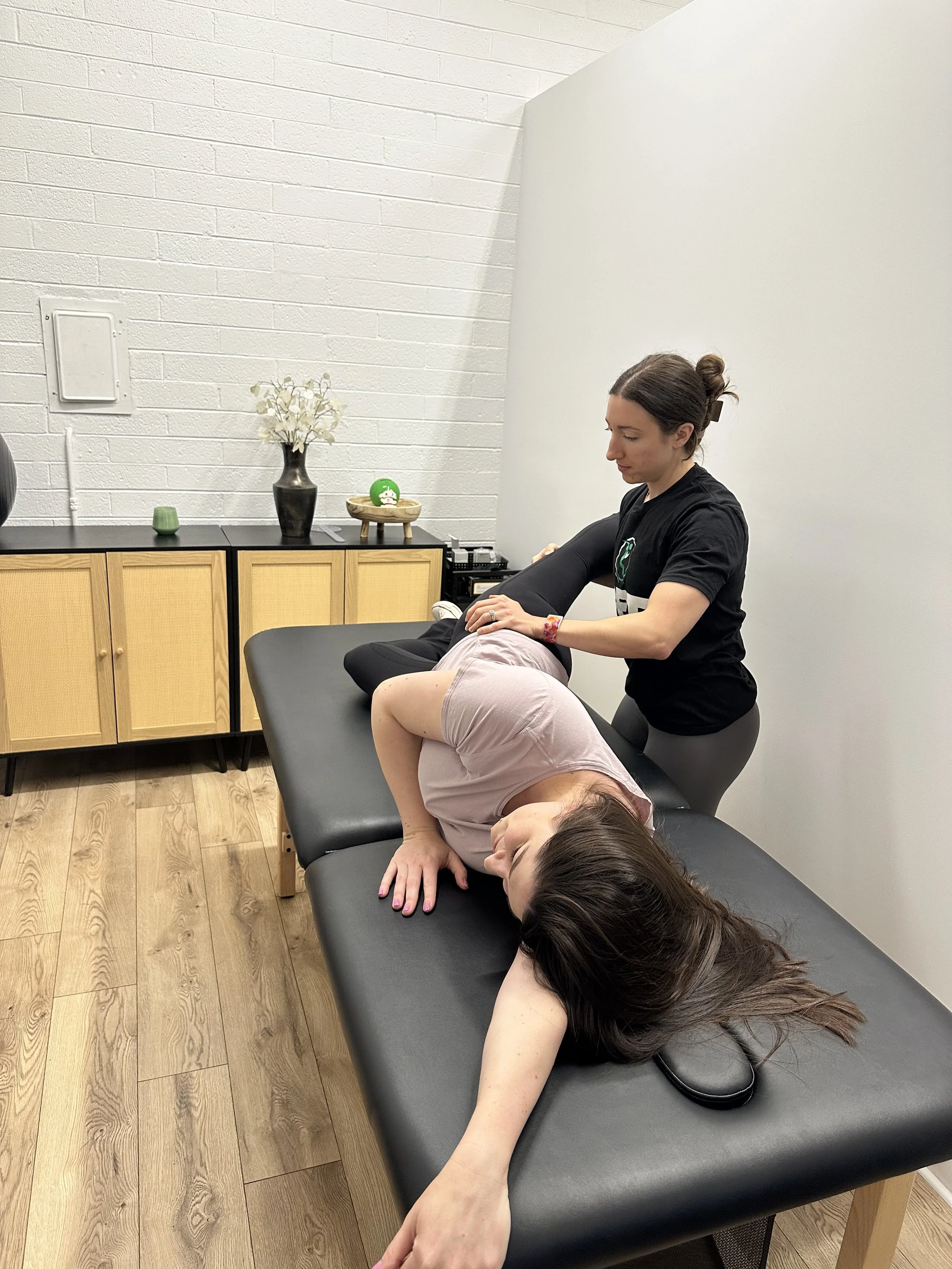
Manual Therapy & Hands-On Treatment
Targeted hands-on work to reduce muscle guarding, restore joint mobility, and improve movement quality in the lumbar spine, pelvis, and hips. For acute presentations, hands-on treatment can produce meaningful pain relief quickly and create enough of a window for movement and exercise to begin.
-
Pain-Reducing Movement & Early Mobility Work
We identify the movements that reduce your symptoms and use them strategically in the early stages of recovery. This is not about pushing through pain. It's about finding what your back responds to and using that to build momentum toward recovery.
-
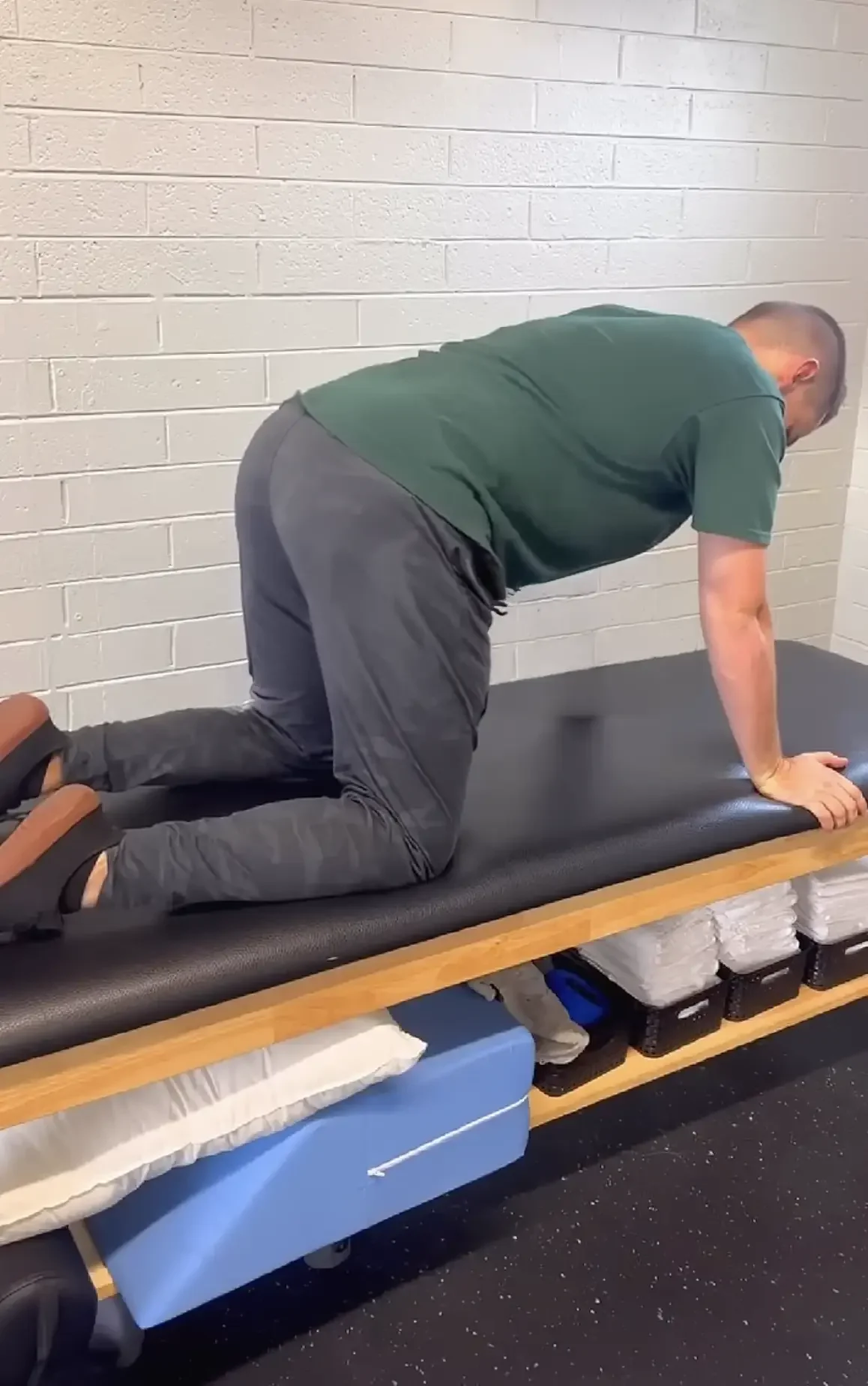
Core & Pelvic Stability Training
Learning to brace and stabilize the core correctly is foundational to acute low back recovery. We start with abdominal bracing progressions and build toward more challenging stability work as your tolerance improves.
-
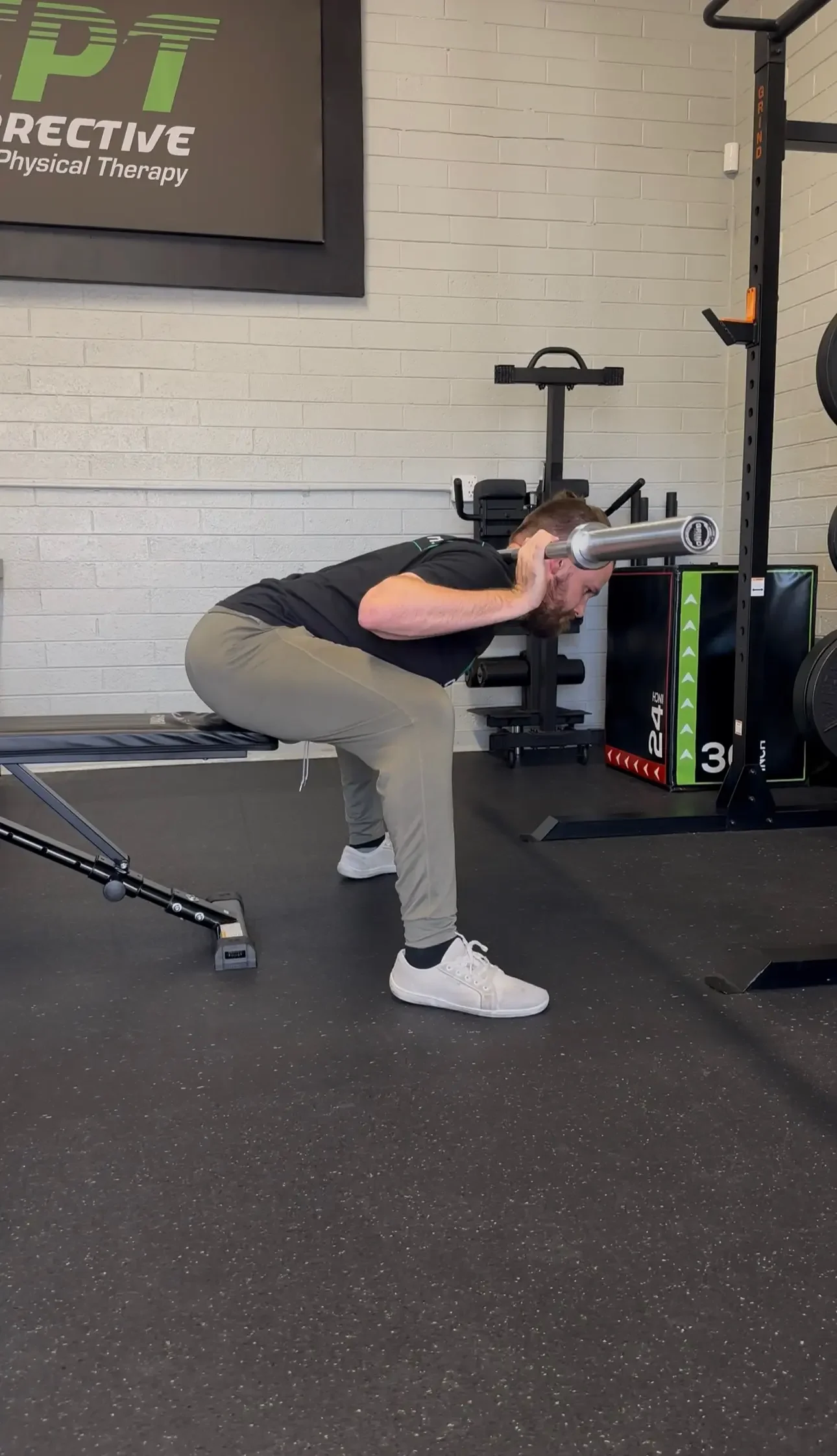
Strength & Progressive Loading
As acute symptoms settle, progressive loading of the lumbar spine, hips, and posterior chain is what actually rebuilds the tissue's capacity to handle activity. This is the step that prevents the injury from coming back.
-
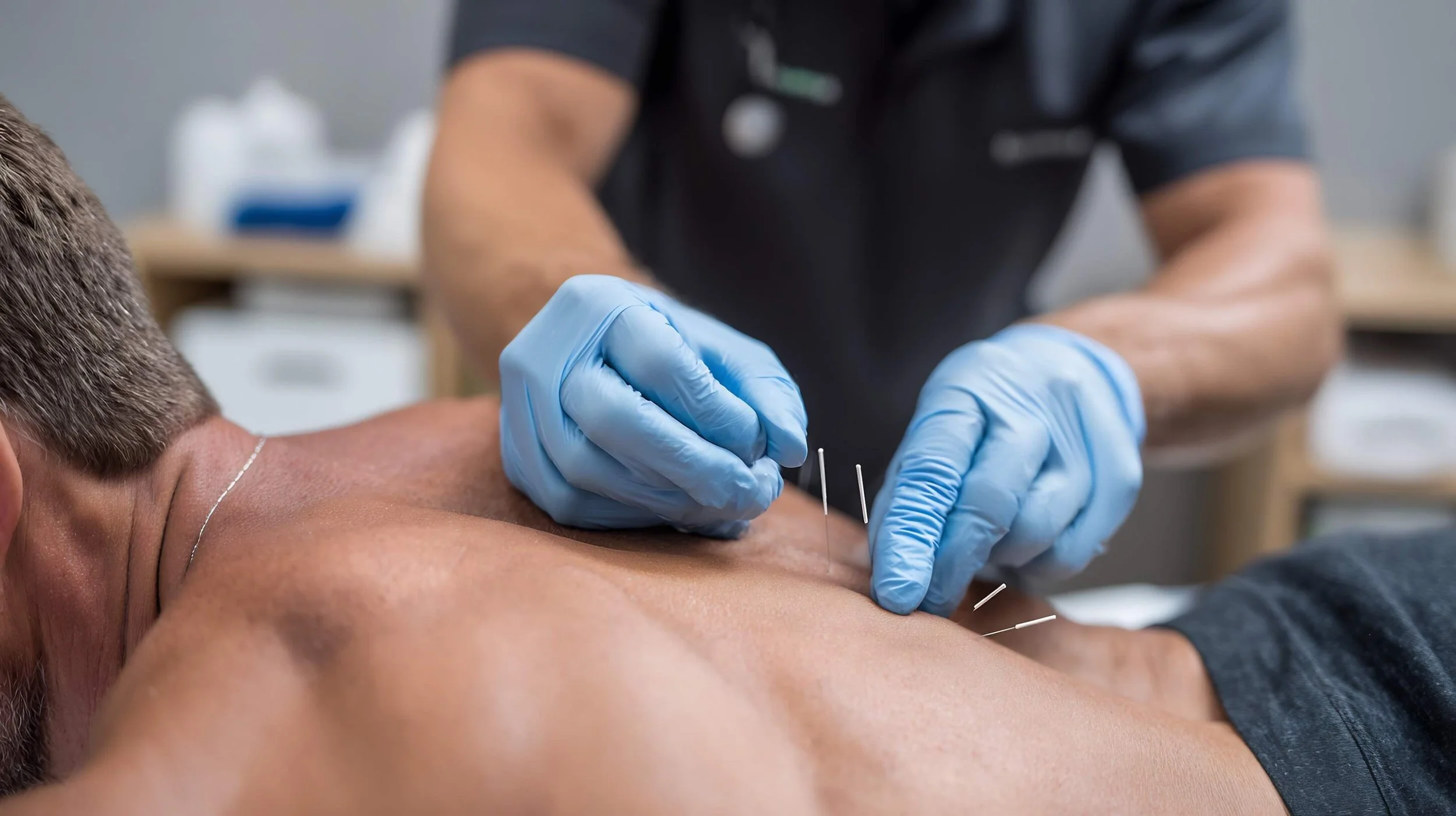
Dry Needling
When appropriate, dry needling can rapidly reduce muscle guarding and spasm in the acute phase, improving mobility and making it easier to begin movement and exercise sooner.
-
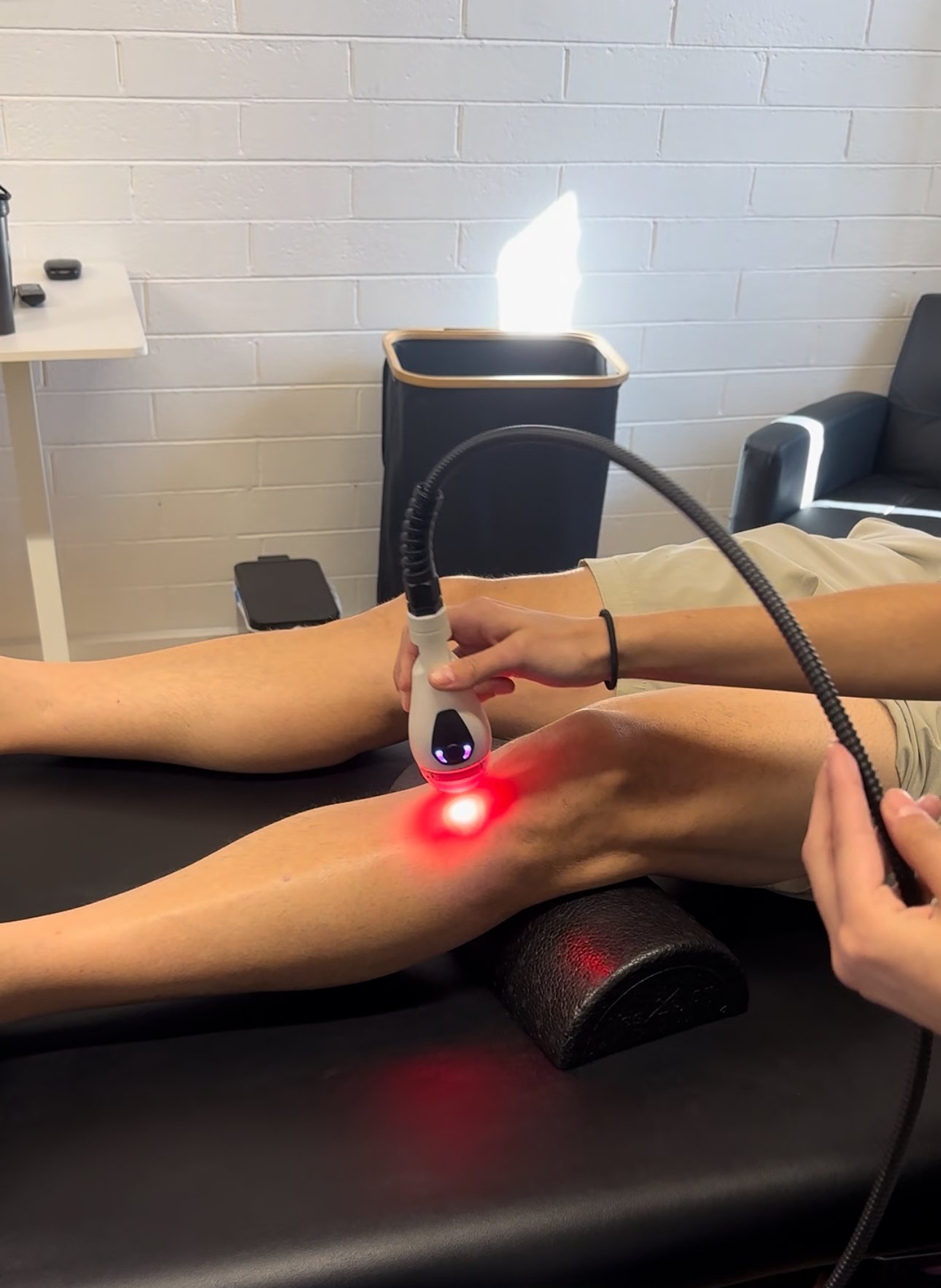
MLS Grade IV Laser Therapy
Advanced laser therapy to help reduce inflammation and support tissue healing in the early stages of an acute injury.
-
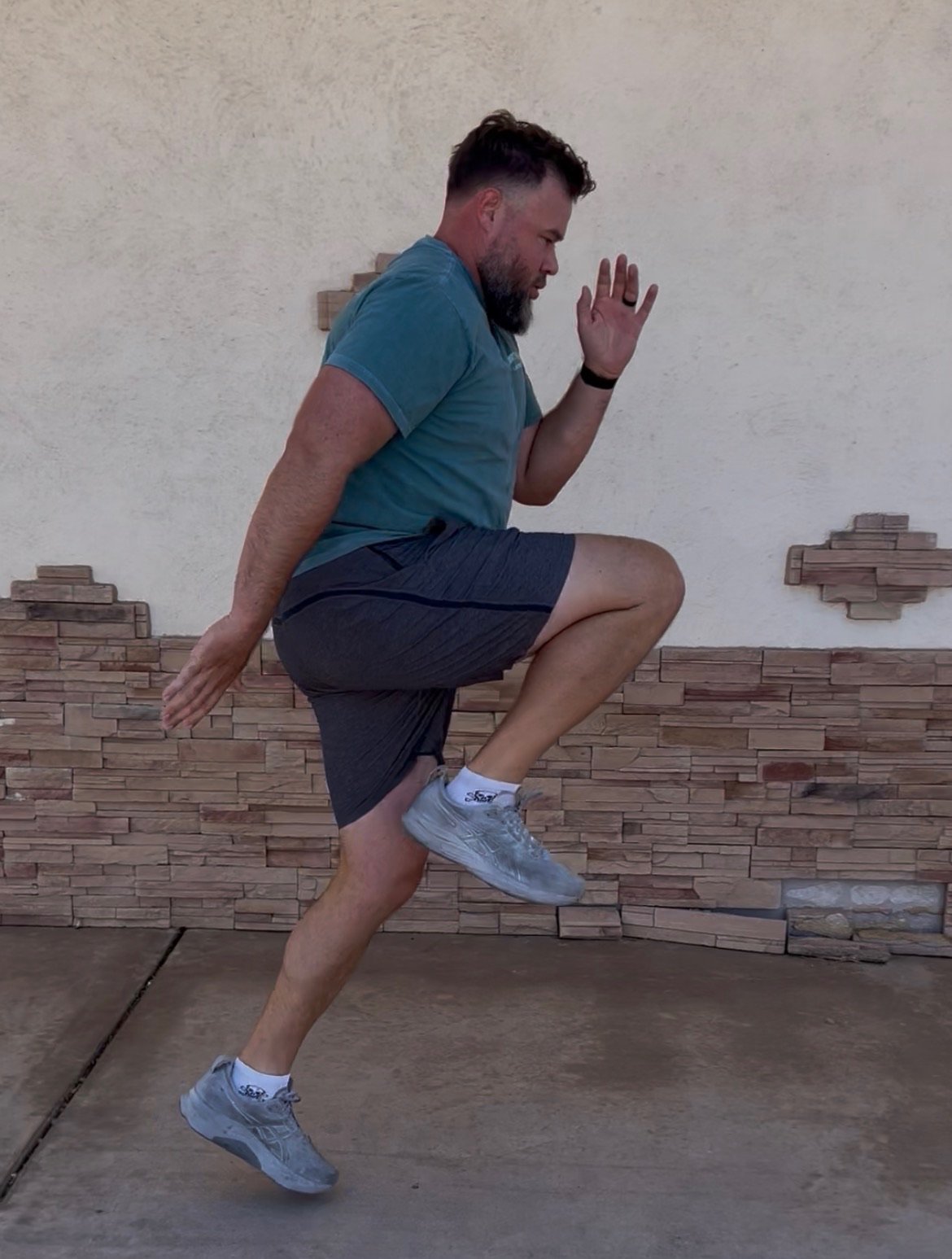
Movement Retraining
Once acute symptoms are managed, we address the movement patterns and mechanics that contributed to the injury in the first place, so the same thing doesn't happen again six months down the road.
What About Sciatica?
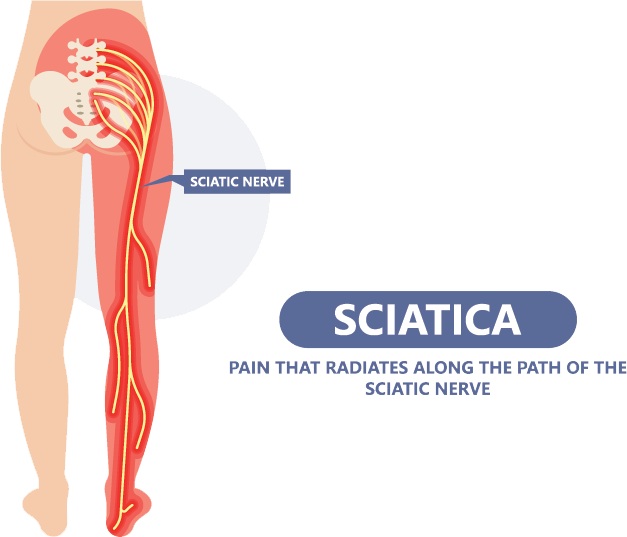
If your acute back pain includes leg pain, tingling, numbness, or a shooting sensation down the back of the leg, you may be dealing with sciatic nerve involvement alongside the back injury. This is extremely common with acute disc irritation and herniation.
Sciatica that develops alongside an acute low back injury is highly treatable with the right approach. Learn more about how we assess and treat sciatic nerve pain here. It's always part of the clinical picture we evaluate when you come in with acute back pain and leg symptoms.
Conditions We Treat Related to Acute Low Back Pain
Lifting-related back injuries
Sports-related low back injuries
Sudden onset low back pain after exercise or activity
Back pain after awkward movement or twisting
Acute low back pain with sciatica or leg symptoms
Acute low back muscle strains
Lumbar ligament sprains
Disc bulges and disc irritation
Acute disc herniation
Facet joint irritation
Acute SI joint dysfunction
Patient Testimonials
Dr. Matt Brown is the best physical therapist I’ve ever worked with. I suffered from constant back issues for most of my life and had seen several PT and Chiropractors in the past. None came close to Dr. Matt’s expertise. He not only fixed my back pain, but taught me how to correctly do many exercises I struggled to do in the past. I cannot recommend him enough. Thank you again Dr. Matt!
— Nicholas G.I’ve been working with the CPT team consistently for over a year and have never felt better. I initially started PT to help with back and shoulder injuries that were keeping me off the tennis court. The care and attention I have received has been incredible and the tools I have been taught to keep myself healthy have been so valuable. Happy to say I’m not worried about missing tennis matches anymore.
— Drisa C.Dr. Matt and his team offer professional advice and guidance for his clients. I highly recommend him for help in recovery from sports injuries, low back pain, and physical therapy.
— Neal H.Why Patients Choose Corrective Physical Therapy
Most physical therapy clinics are built for volume. You get 20 minutes with a therapist, get handed off to a tech, and go home with the same exercise sheet they've been handing out to everyone else since 1998.
What Makes CPT Different?
1-on-1 treatment sessions

Sports rehab expertise

¡Sí, hablamos español!

Full 60-minute evaluations

Focus on active adults and former athletes

Education that helps you understand your pain

Personalized rehab plans

Evidence-based treatment

Locations in Scottsdale & Arcadia
Physical Therapy for Acute Low Back Pain in Scottsdale & Arcadia, AZ
Corrective Physical Therapy provides personalized, 1-on-1 physical therapy for acute low back pain, lumbar strains, disc irritation, facet joint pain, and sports-related back injuries in Scottsdale and Arcadia, Arizona.
Whether you threw your back out this morning or have been managing an acute flare-up for the past few weeks, our team is here to find what's actually driving the pain and build a plan to get you back to full function as quickly as possible.
Because at Corrective Physical Therapy… We don't fix fragile. We build resilient.

Meet the Doctors

Dr. Matthew Brown PT, DPT, SCS
Founder & Performance SpecialistDr. Matthew Brown is a sports physical therapist who helps active adults and athletes recover from injuries, improve performance, and return to the activities they enjoy. As the founder of Corrective Physical Therapy, he combines advanced sports rehabilitation training with strength and movement-based treatment to address the root cause of pain and keep patients performing at their best.

Dr. Daniel Paredes, PT, DPT, CSCS
Physical Therapist | Sports Performance & Running SpecialistDr. Danny Paredes is a sports physical therapist who helps runners, athletes, and active adults overcome pain, improve performance, and return to training with confidence. Combining his background in strength and conditioning, competitive athletics, and evidence-based rehabilitation, he bridges the gap between rehab and performance to help patients move better and achieve their goals.
Acute Low Back Pain FAQs
-
Most acute low back pain, even severe pain, does not require emergency care. However, certain symptoms warrant immediate medical attention: loss of bladder or bowel control, numbness in the groin or inner thighs, severe weakness in both legs, or back pain following significant trauma. If any of those apply, seek emergency care. For everything else, getting in to see a physical therapist early is one of the most effective things you can do.
-
Most acute low back pain begins to improve within a few days to a few weeks with the right approach. However, research shows that a significant percentage of people who experience acute low back pain go on to develop chronic or recurrent pain, particularly when the acute episode isn't fully addressed. Getting the right treatment early reduces that risk substantially.
-
In most cases, imaging is not necessary in the early stages of acute low back pain. The vast majority of acute presentations can be accurately assessed and effectively treated without it. MRI findings like disc bulges and degenerative changes are extremely common even in people with no pain, and imaging early on frequently creates more anxiety than clarity. If symptoms aren't improving as expected or there are signs of more serious pathology, imaging becomes more relevant.
-
Yes, with appropriate modification. Gentle movement and controlled exercise are consistently shown to be more effective than rest for acute low back pain. The key is knowing what type of movement is appropriate for your specific presentation, which is what a proper assessment helps determine.
-
Yes, and it's more common than most people realize. Acute back pain that isn't properly addressed, or that gets managed with rest and avoidance without rebuilding strength and movement tolerance, has a high rate of recurrence and progression to chronic pain. Addressing it fully the first time is always the better path.
-
Yes. Back injuries are among the most common work-related injuries for firefighters, police officers, and EMS. We understand the physical demands of those jobs and the need to return to full duty as quickly and safely as possible. Treatment is built around getting you back to the specific demands of your work, not just daily life.